
Last updated November 15, 2026
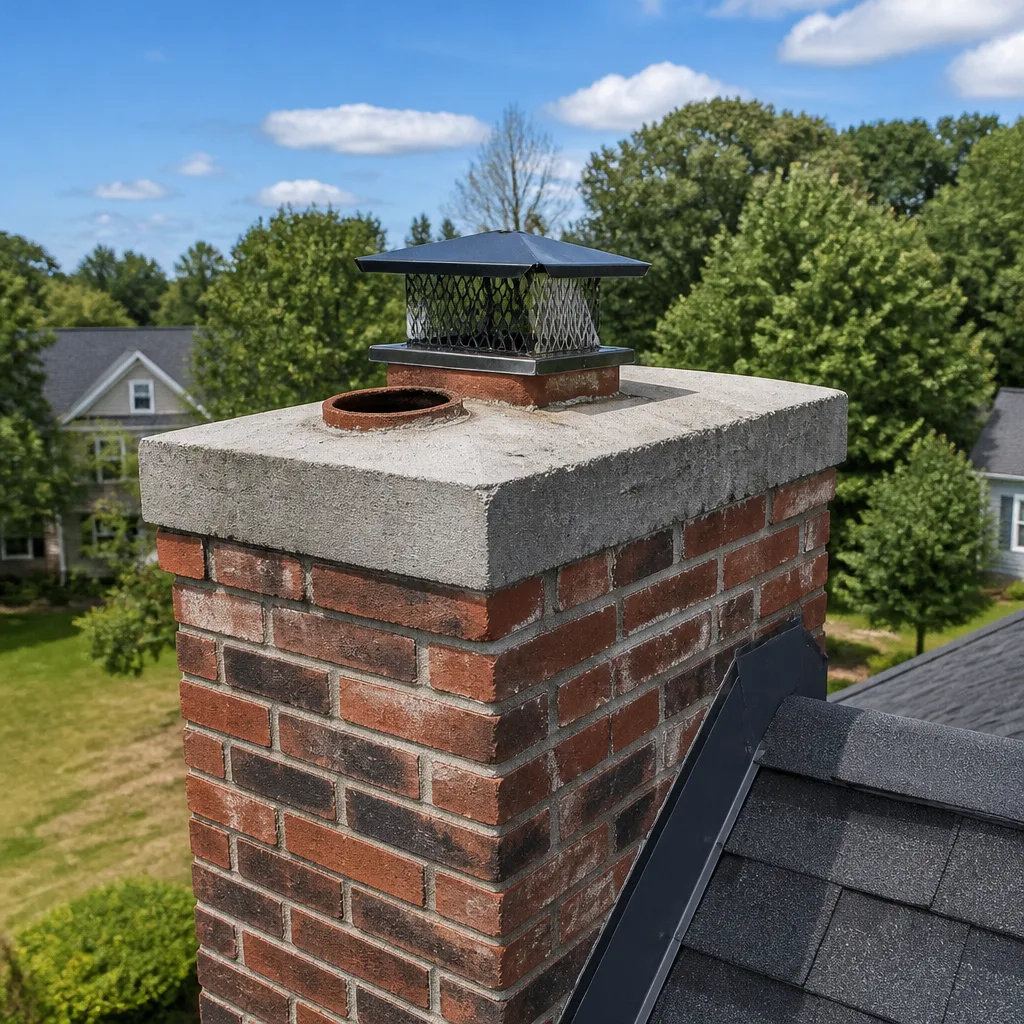 Sweep & inspection
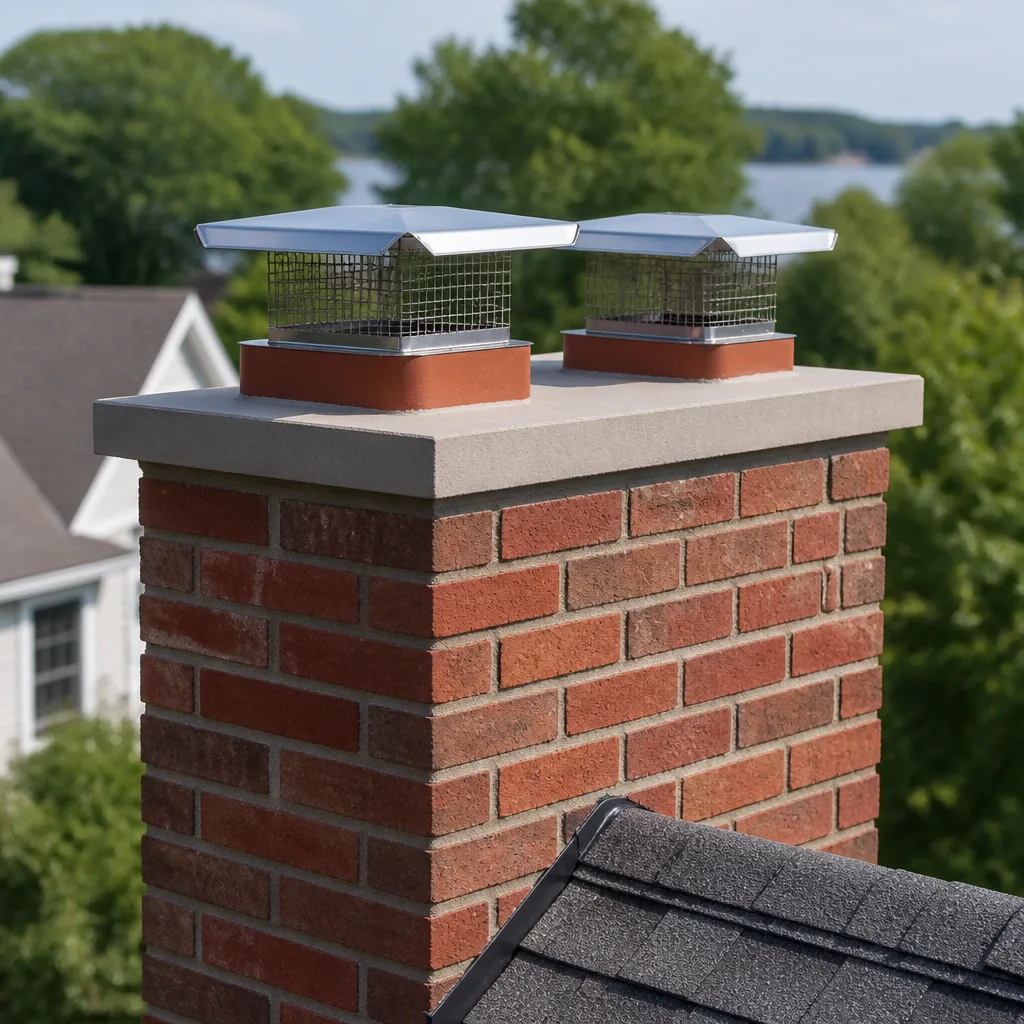 Caps & crowns
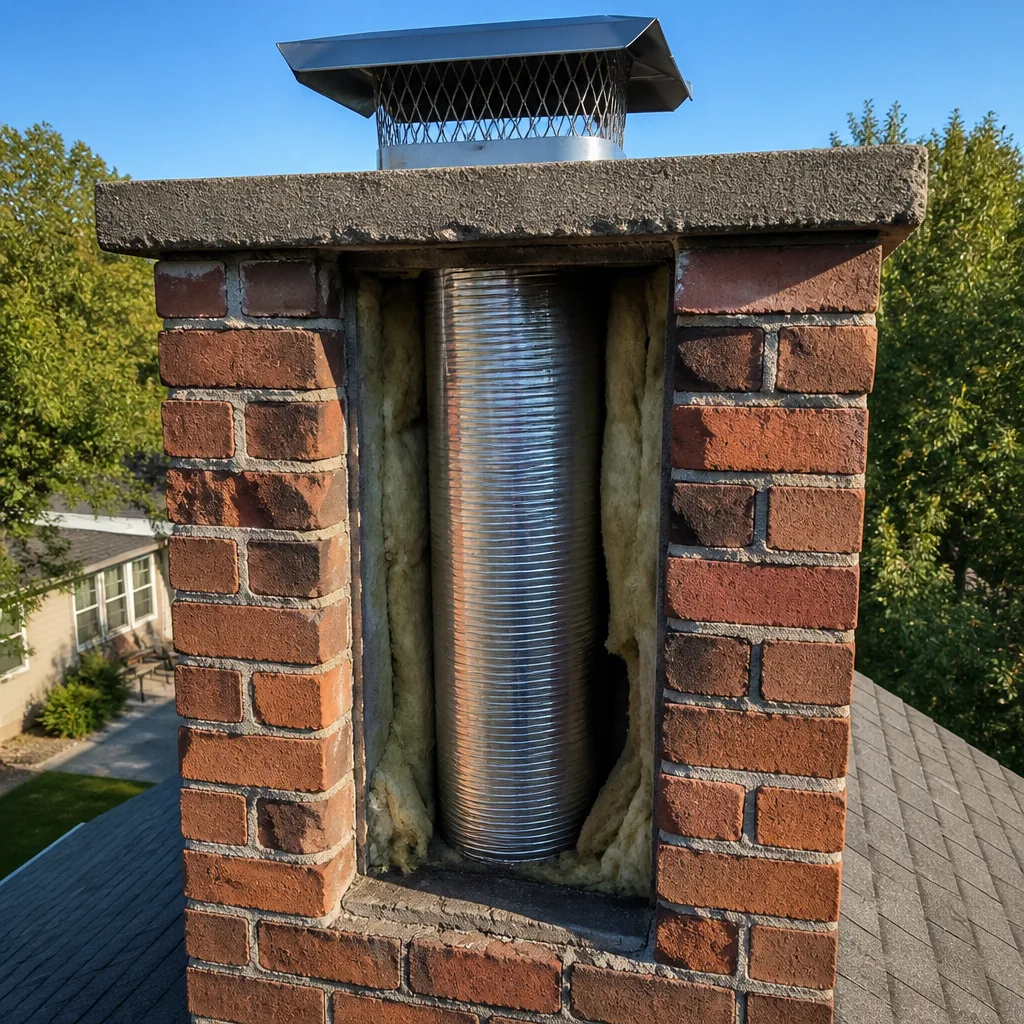 Flue relining
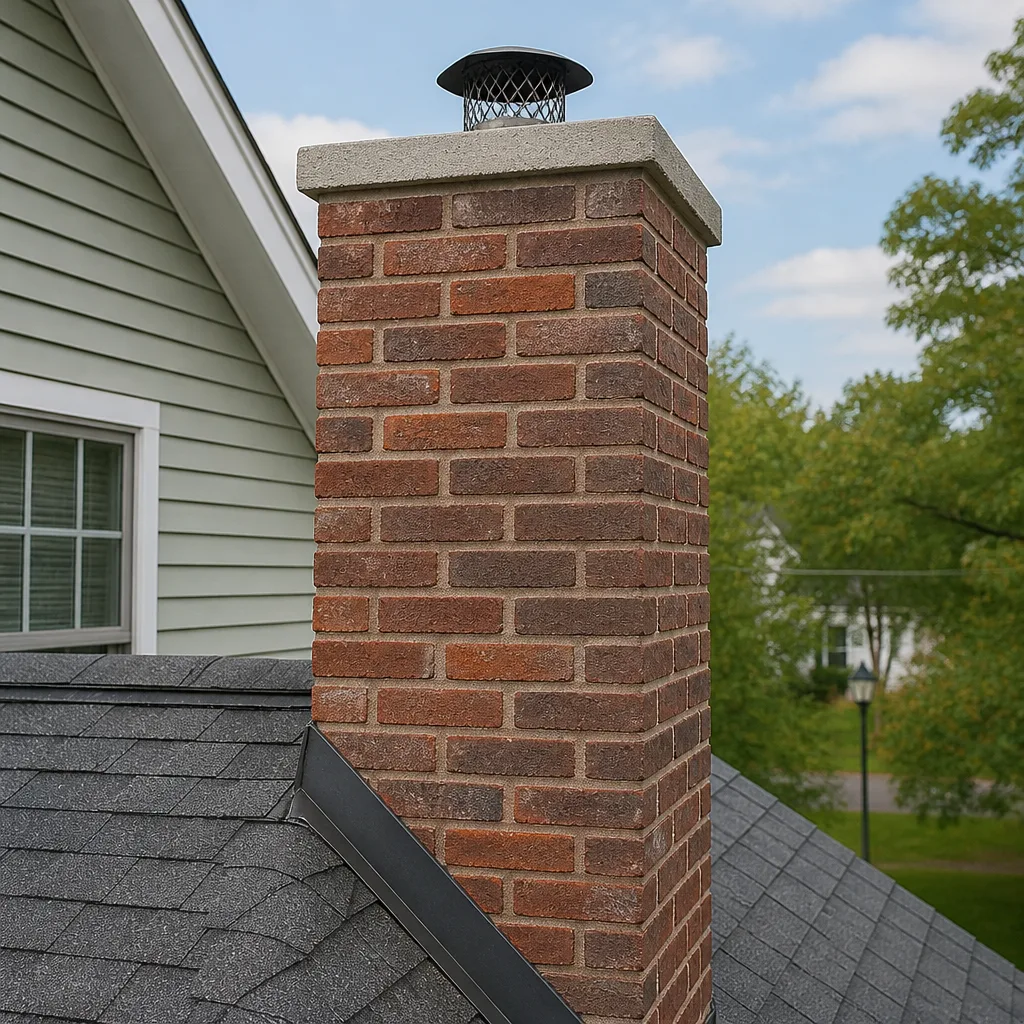 Masonry repair
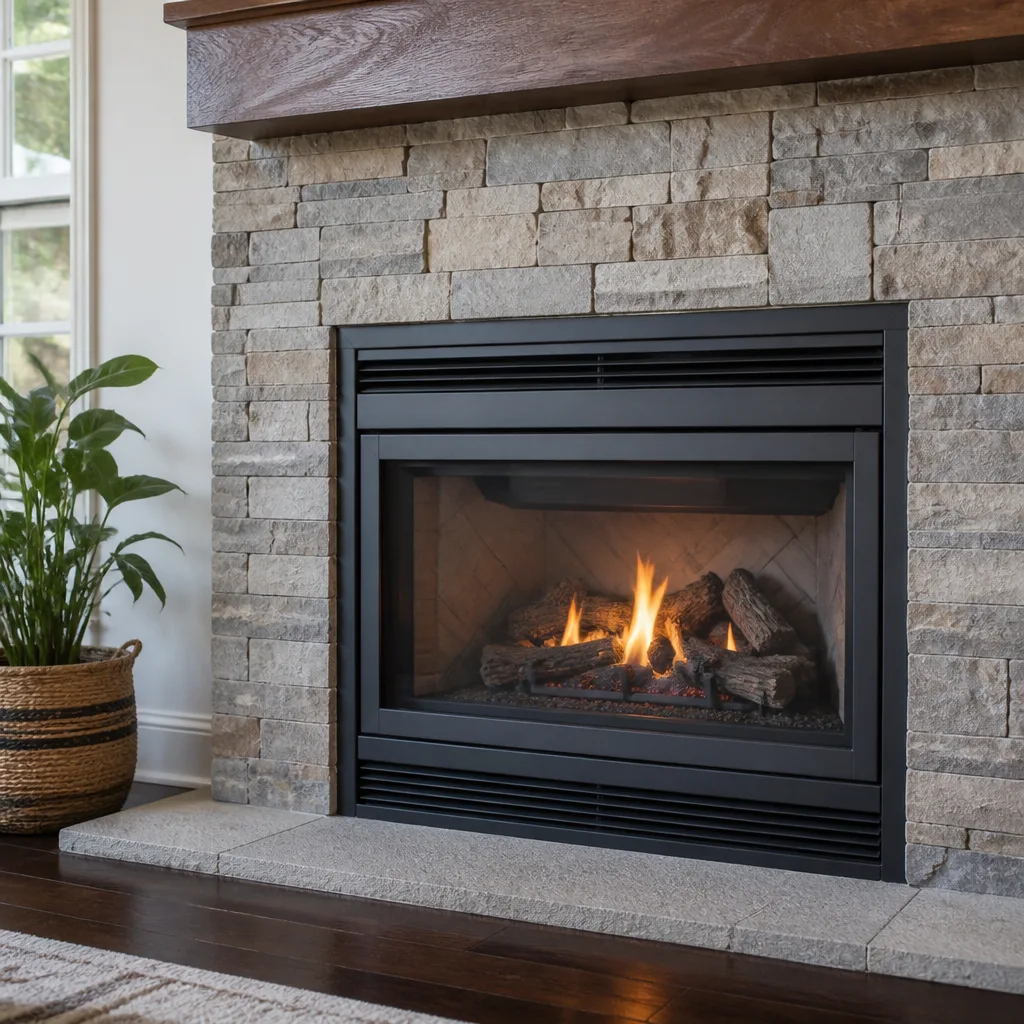 Gas fireplace service
Level 1 sweep and inspection to the NFPA 211 annual standard - flue, crown, cap, and flashing checked and photographed
Chimney sweep logs do not sweep chimneys. They loosen some creosote - which then falls where a brush and vacuum still have to collect it.
Seasonal Chimney Cleaning Care for New Bedford: Year-Round Homeowner’s Guide
The chimney problem you discover in November usually started in April. That gap between how most homeowners think about chimney maintenance and how chimneys actually deteriorate is where real damage hides. A flue doesn’t fail overnight; it fails quietly, over months of moisture, nesting, and neglect while the fireplace sits cold. This guide maps the four seasons of chimney care for New Bedford homes, showing what to watch for in spring, summer, fall, and winter, and why a single annual sweep leaves three seasons unguarded. You’ll learn the signs to check, the sequence that matters, and when to call a specialist.
Quick Answer
Chimney care in New Bedford runs on four seasonal checkpoints, not one: a spring inspection to catch moisture damage before summer, a summer check for blockages and animal nesting, a fall sweep and inspection before the first fire, and mid-season winter performance checks during active burning. Each season exposes different failure points. Skipping any of them lets small issues like a cracked crown or a blocked flue compound into liner or masonry repairs that cost far more than a sweep. The seasonal rhythm matters more in New Bedford than in inland Massachusetts because the area’s damp, variable weather compresses the window between spring thaw and summer humidity.
Styles & brands we work with
- Sweep & inspection
- Caps & crowns
- Flue relining
- Masonry repair
- Gas fireplace service
Table of Contents
- Why Chimney Care Is a Year-Round Job
- Spring: The Post-Heating-Season Inspection Window
- Summer: Humidity, Nesting Animals, and Off-Season Blockages
- Fall: The Pre-Season Sweep and Inspection Sequence
- Winter: Mid-Season Performance Checks
- The New Bedford Weather Factor
- Common Mistakes to Avoid
- When to Call a Professional
- Frequently Asked Questions
Why Chimney Care Is a Year-Round Job
Most homeowners treat the chimney like a seasonal appliance: fire in October, sweep in September, forget it by March. But a chimney is a masonry and metal structure exposed to weather every month of the year. Creosote, the tar-like byproduct of wood burning, sits in the flue long after the last fire. Moisture works on the masonry and liner whether you’re burning or not. And animals treat a quiet chimney as prime real estate.
That’s why thinking of chimney care as one annual event misses the point. A chimney has four distinct phases of risk, and each one demands a different action. Here’s the seasonal shape of it:
- Spring: the heating season ends, and the damage it caused becomes visible before summer humidity makes it worse.
- Summer: the chimney is idle, but rain, humidity, and wildlife are active. Blockages and liner rot build quietly.
- Fall: cleanup and inspection before the first fire, when there’s still time to fix what summer exposed.
- Winter: active use, when draft problems and smoke signal that something’s wrong mid-season.
New Bedford homeowners who learn this rhythm stop getting surprised. A sweep in the fall catches what a spring inspection would have caught months earlier, when the fix was smaller. In our experience, the cheapest chimney repairs are the ones done in the off-season, before a small crack becomes a liner replacement.
Spring: The Post-Heating-Season Inspection Window
Spring is the most underrated season in chimney care, and it’s the season where the biggest cost savings hide. When the heating season ends, the chimney stops changing. Whatever creosote built up, whatever cracks opened, whatever the freeze-thaw cycle did to the crown and flashing is now fixed in place. That’s exactly when you want to look, because summer humidity and rain will find every weakness and make it worse.
An April or May inspection has one job: catch moisture damage before it spreads. Moisture is the leading cause of chimney deterioration. It gets into masonry through a cracked crown, failed flashing, or a missing cap, then expands and contracts with temperature swings, spalling brick faces and rusting the metal liner over the humid months. By fall, what was a small repair has become a rebuild.
Here’s what a spring inspection should look for:
- Cracked or flaking crown. The concrete top of the chimney. Hairline cracks widen with freeze-thaw and let water in.
- Failed flashing. The metal seal where the chimney meets the roof. Lifted or rusted flashing is a common leak point.
- Spalling brick. Faces popping off the brick, a sign moisture has been inside the masonry.
- Efflorescence. The white chalky stain that shows water migrating through the brick.
- Rusted or damaged damper and firebox. Dampness in the firebox rusts the damper assembly.
- Liner condition. A camera inspection shows whether last winter’s heat cracked a clay tile or stressed a metal liner.
Spring is also when a professional-grade cap earns its keep. We fit chimney caps from Gelco and Famco because a proper cap keeps rain, birds, and squirrels out of the flue year-round. If your chimney lacks one, spring is the season to fix it. A chimney inspection in April or May gives you a written record of condition before the heavy months arrive, so you’re comparing against reality, not guesswork.
Summer: Humidity, Nesting Animals, and Off-Season Blockages
The chimney is most vulnerable when it’s doing the least. Summer looks like a vacation for your fireplace, but it’s a work season for the forces that damage it. Two things happen in an idle flue: moisture accumulates, and animals move in.
Humidity is the quiet problem. In an uncapped or poorly capped chimney, warm summer air meets cooler flue surfaces and condenses. That condensation mixes with leftover creosote and soot, creating an acidic slurry that eats at mortar joints and metal liners. The dampness also feeds mold and mildew in the firebox and smoke chamber. A call we take in July is often for a smell the homeowner can’t place. Nine times out of ten it’s a flue that’s been damp for weeks.
Animals are the louder problem. A chimney is a hollow, sheltered, vertical space with a warm top and a draft, which makes it a natural nest site for birds, squirrels, and raccoons. A blocked flue is a safety issue the moment you light a fire, because the smoke and carbon monoxide have nowhere to go but back into the house. Even in summer, a nest or debris pile sitting in the flue traps moisture against the liner.
What to check in summer:
- A cap or spark arrestor that’s intact and tightly fitted; this is your best defense against nesting.
- The firebox and smoke chamber for musty smells or visible moisture, a sign of poor ventilation.
- The top of the chimney for visible bird activity or a nest peeking out.
- The draft: light a piece of paper near the open damper and watch which way the smoke drifts, a quick indication of whether the flue is clear.
Summer is also the right time for a mid-year sweep if the previous heating season was heavy. A chimney sweep in June or July clears creosote that would otherwise sit and absorb humidity for months, and gives the technician a clean view of the liner before fall.
Fall: The Pre-Season Sweep and Inspection Sequence
Fall is when most people think about their chimney, and for good reason. But the fall checklist has an order that matters. Cleaning before inspecting is the standard sequence, because a flue full of soot hides problems the camera needs to see. Do it in the wrong order and you’ll be scheduling a second visit.
The fall sequence should look like this:
- Sweep the flue first. Remove soot and creosote from the liner, smoke chamber, and firebox. This is the annual cleaning most homes need.
- Inspect after the sweep. Now the flue is clean enough for a camera to show the liner’s true condition: cracks, gaps, or thinning.
- Check the cap and crown. Fall storms test the top of the chimney. Make sure the cap is secure and the crown still sheds water.
- Test the damper. It should open and close freely and seal when closed.
- Confirm the draft. A cold start helps you spot draft problems before you’re dealing with them mid-fire.
- Do the first fire with a clear head and an open damper. And keep an eye on the smoke at the top.
Timing matters here. Fall bookings fill up as homeowners remember their chimneys, so the earlier in the season you schedule, the more flexibility you have if the inspection turns up a repair. A professional chimney repair in early fall is a small job; the same repair discovered in December, when you’re already burning, can mean shutting the fireplace down until it’s fixed.
One fall detail worth naming: if the inspection finds a hairline crack in the liner, a full replacement often isn’t necessary. HeatShield, a ceramic resurfacing product we use, can restore a damaged flue from the inside and extend its life without a rebuild. The key is catching the crack in fall, when there’s time to schedule the work before the first serious cold snap.
Winter: Mid-Season Performance Checks
Winter is active season, which means the chimney is talking to you constantly. Smoke rollback, a sluggish draft, or a fire that won’t stay lit are all messages. The skill is learning to read them before an inconvenience becomes a safety concern.
Smoke rollback is smoke spilling into the room instead of going up the flue. It usually points to a blockage, a closed or partly closed damper, a flue that’s too cold to establish draft, or a chimney that’s undersized for the firebox opening. Never treat rollback as normal. It’s the chimney telling you the exhaust path is compromised, and the fix is diagnostic, not a matter of opening a window.
A weak draft shows up as a fire that smolders, smoke that drifts lazily, or a fireplace that feels like it’s fighting itself. Cold outdoor air can create a “cold plug” in the flue that blocks the initial draft; a pre-heat technique like holding a lit rolled newspaper near the open damper can help warm the flue, but if draft is consistently weak, something structural is at play.
Creosote buildup mid-season is the safety issue to watch. If you’re burning wood, creosote accumulates with every fire, and heavy buildup is the leading cause of chimney fires. The three stages of creosote, from light soot to glazed tar, all behave differently, and stage three needs a professional sweep, not a brush from the hardware store.
Mid-season checks worth doing:
- Look at the smoke leaving the chimney; thick black smoke means incomplete combustion and faster creosote buildup.
- Check the cap after a storm; a dislodged cap changes the draft.
- Listen for rumbling, popping, or a roar from the flue. That’s a chimney fire, and it’s an emergency.
- Keep an eye on carbon monoxide detectors; a blocked flue is a CO hazard, and the detectors are your backstop.
Winter is the season when a call to a professional is most urgent, but it’s also the season when the least can be done about structural problems in cold weather. A mid-season sweep clears creosote safely; major repairs usually wait for spring. If you’re in New Bedford and a winter problem appears, call us. We answer 24/7. Fast dispatch from 7am to 7pm, Sunday through Friday.
The New Bedford Weather Factor
New Bedford’s climate compresses the seasonal chimney calendar in a way inland Massachusetts towns don’t experience. The region sits between the moderating influence of Buzzards Bay and the colder interior, which means winters that swing between freezing and thawing more often than a deep-inland town does. Those freeze-thaw cycles are hard on masonry. Water gets into a crack, freezes, expands, and widens it, then thaws and repeats. Each cycle does damage, and the more cycles a season brings, the faster a hairline crack becomes a rebuild.
The spring window is shorter here, too. A damp, cool spring means the transition from heating season to humid summer happens fast, and the period when masonry can dry out is squeezed. That’s why the April inspection matters more in New Bedford than in a drier inland town: you have less time to catch a moisture problem before the humid months arrive.
What does this mean for a New Bedford homeowner practically?
- Check the crown and flashing every spring. Freeze-thaw is the local masonry killer, and the crown is where it starts.
- Get the cap fitted before summer. The area’s rain and humidity make an uncapped flue a moisture trap.
- Book the fall sweep early. When the season turns, demand spikes across the region and the calendar fills.
We work on chimneys across New Bedford, and the pattern is consistent: the homes that get ahead of the seasonal curve spend less on repairs than the ones that call in November with a problem that started in spring.
Common Mistakes to Avoid
- Treating the annual sweep as the whole job. A fall cleaning is essential, but it misses the spring moisture check and the summer blockage check. The chimney needs eyes on it in more than one season.
- Waiting for the first fire to book a sweep. By then the flue is full of creosote from last season and the calendar is crowded. New Bedford winters don’t wait, and neither should the sweep.
- Ignoring spring moisture signs. Efflorescence, spalling brick, and a crumbly crown are easy to dismiss. They’re the first stages of the damage that becomes a rebuild.
- Skipping a cap. An uncapped flue lets in rain, birds, and squirrels. It’s one of the cheapest protections on a chimney and one of the most commonly missing.
- Sweeping before inspecting, or never inspecting at all. A sweep without an inspection is a cleaning without a diagnosis. You want the camera to see the liner after it’s clean.
- Using a general handyman for a chimney job. Chimney work is its own trade. A generalist may be capable, but a specialist knows the liner systems, the caps, and the resurfacing products by name.
- Assuming a smoke smell in summer is harmless. A damp flue that smells musty in July is telling you moisture is sitting in the chimney. That’s a call to make now, not in fall.
When to Call a Professional
Some chimney work is a homeowner’s check, and some needs a trained specialist. Call a professional if you notice spalling brick or a crumbling crown, if you smell a musty odor from the fireplace in summer, if animals have nested in the flue, if you see smoke rollback during a fire, or if you haven’t had the flue inspected in a year or more. Any of those signs means the chimney needs a camera inspection and a written assessment, not a guess. We’re chimney specialists, not generalists, and our work covers the full flue: sweep, repair, and inspection in one call. Chimney Sweep New Bedford offers free estimates in New Bedford. Call (877) 845-1880.
Frequently Asked Questions
Most wood-burning chimneys need a sweep once a year, and gas or oil flues should be inspected annually even if they don’t need cleaning as often. The industry standard is to sweep when creosote buildup reaches roughly an eighth of an inch, which is why the annual inspection matters: it tells you whether the sweep is due. In New Bedford, the fall sweep is the anchor, but a spring inspection catches the moisture problems a fall visit can miss. Call (877) 845-1880 for a free estimate.
Because the chimney is exposed to weather and wildlife year-round, and each season brings a different failure mode. Spring is for catching moisture damage before summer; summer is for blocking animal nesting and humidity; fall is for the cleaning and inspection before the first fire; winter is for reading mid-season draft and smoke problems. A single annual sweep leaves three of those windows open. Call (877) 845-1880 – estimates are free.
No, and the reason is moisture. The fall sweep happens after summer, so it can’t catch the damage the previous winter and spring did to the crown, flashing, or masonry. A spring inspection is the only one that sees the chimney after freeze-thaw and before humid weather. Skipping it means the first sign of a moisture problem is often a repair that costs more. Call (877) 845-1880 for an inspection estimate.
Smoke rollback means the flue isn’t pulling smoke up and out, and it usually points to a blockage, a partially closed damper, a cold flue, or an undersized flue for the firebox. It’s never normal, and it can be a carbon monoxide risk. Stop using the fireplace and get it checked. We answer 24/7, and a call outside dispatch hours is booked into the next opening, Sunday through Friday, 7am to 7pm.
Yes. A cap keeps rain, birds, and squirrels out of the flue, and it’s one of the cheapest protections you can add. New Bedford’s damp, variable weather makes an uncapped flue a moisture trap, especially through summer. We fit caps from Gelco and Famco as part of finishing a job properly. Call (877) 845-1880 for a free estimate.
Only a camera inspection can tell you, and that’s why we sweep first and inspect after. A hairline crack can sometimes be restored with HeatShield ceramic resurfacing, while a badly deteriorated flue may need a full liner. A proper liner from a system like those we install protects the flue and the draft. Nothing gets recommended without camera evidence you can see. Call (877) 845-1880 for an estimate.
The Bottom Line
Chimney care in New Bedford isn’t one annual event; it’s four seasonal checkpoints. Spring inspection catches the moisture damage that summer would worsen. Summer checks block animals and humidity before they settle in. Fall brings the sweep and inspection that prepares the flue for fire. Winter demands that you read the draft and smoke signals during active use. The homeowners who follow that rhythm spend less, because they fix small problems in the off-season instead of discovering big ones in November. We work with professional-grade materials by name because what goes into your chimney matters, and our technicians have up to 10 years of experience. When you’re ready to map your own chimney’s year, we’re here.
Call (877) 845-1880 for a free estimate. We answer 24/7. Fast dispatch from 7am to 7pm, Sunday through Friday.
Written by the team at Chimney Sweep New Bedford.
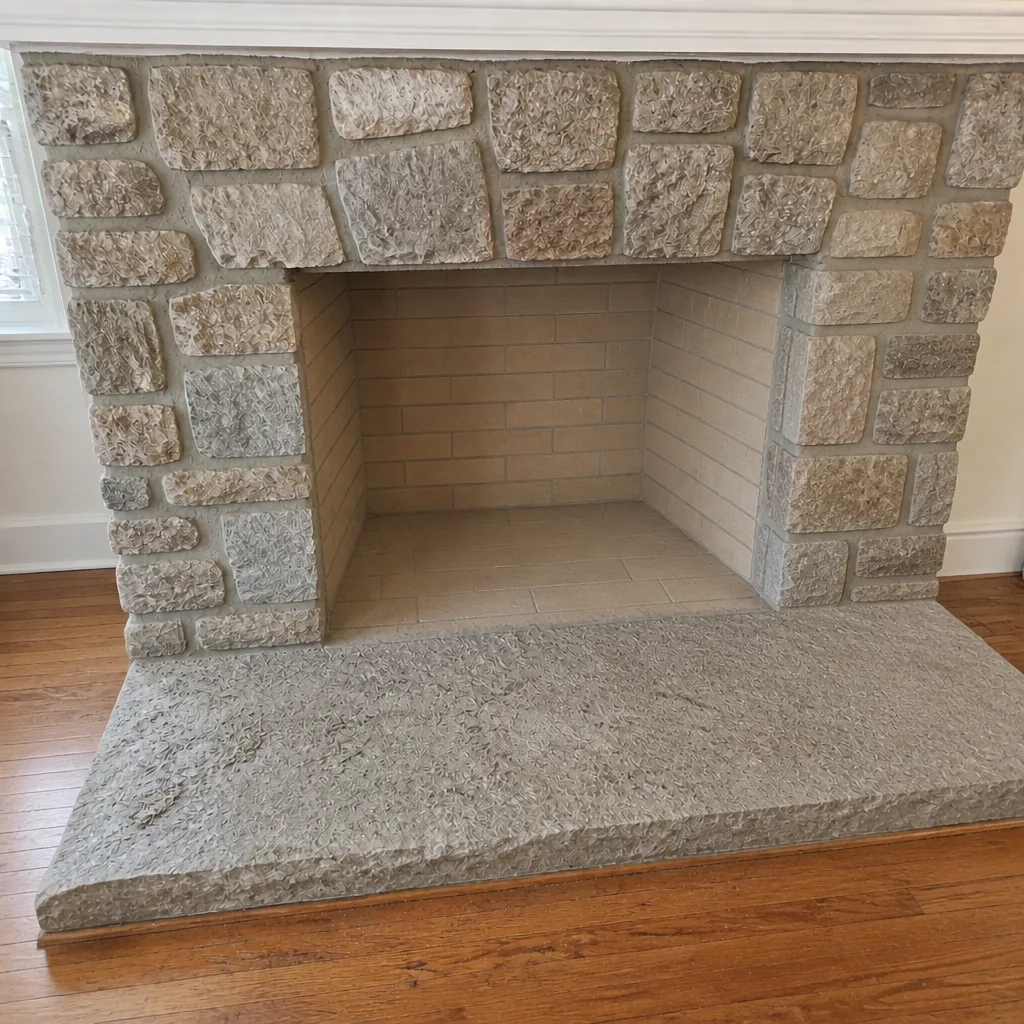
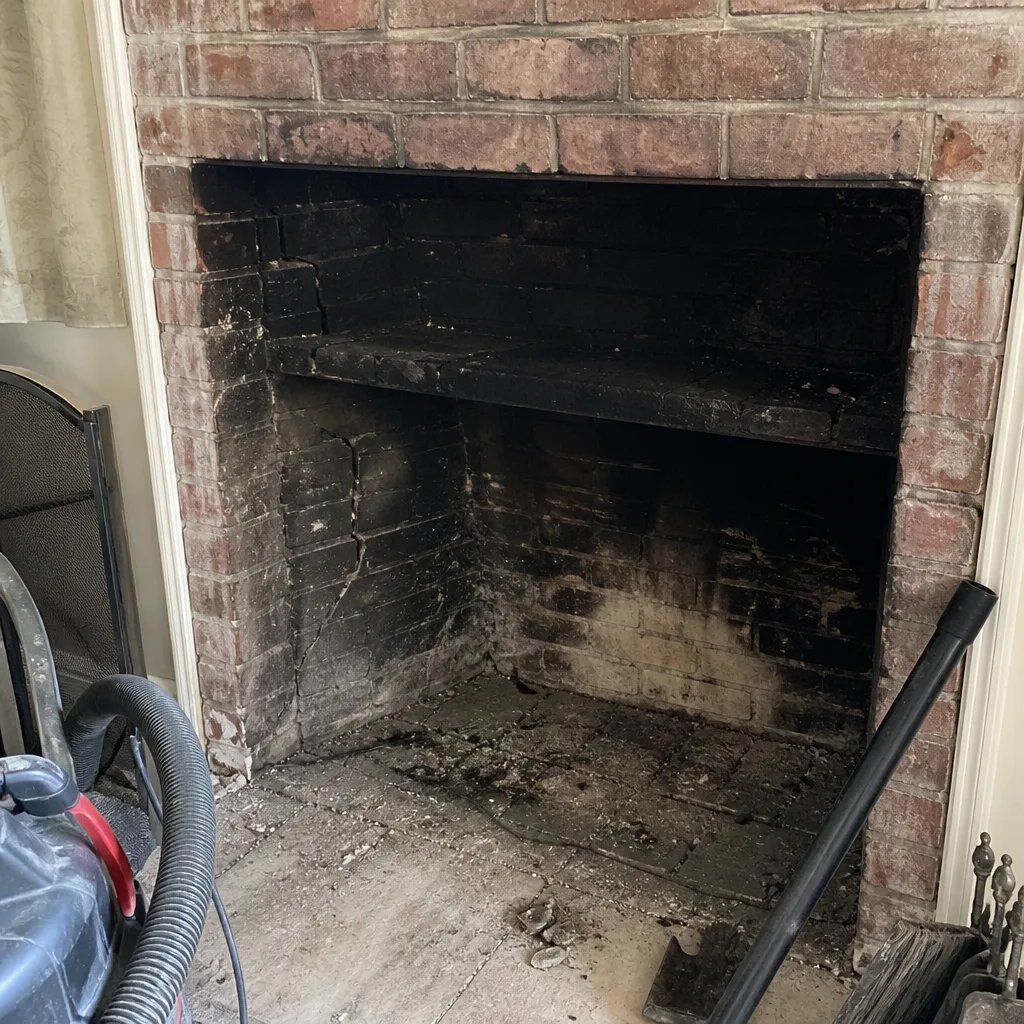
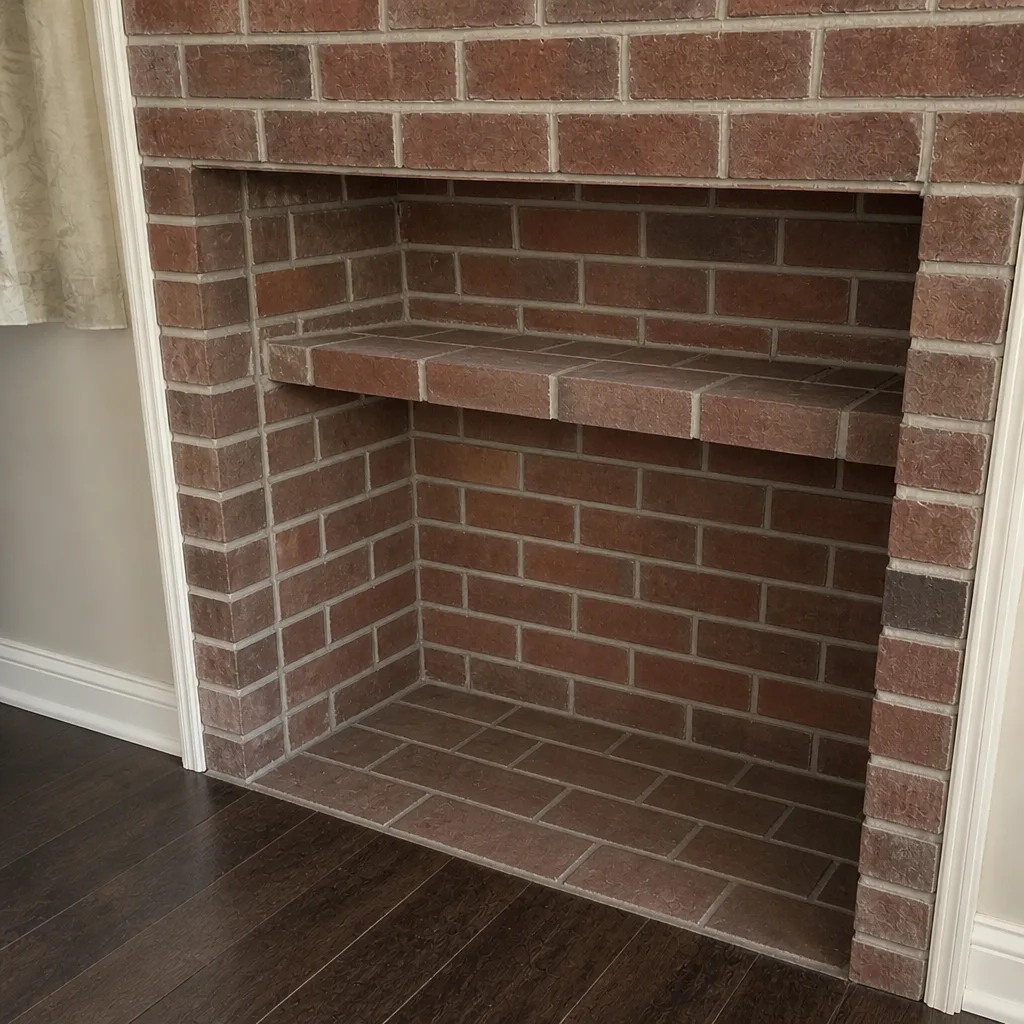
See the difference
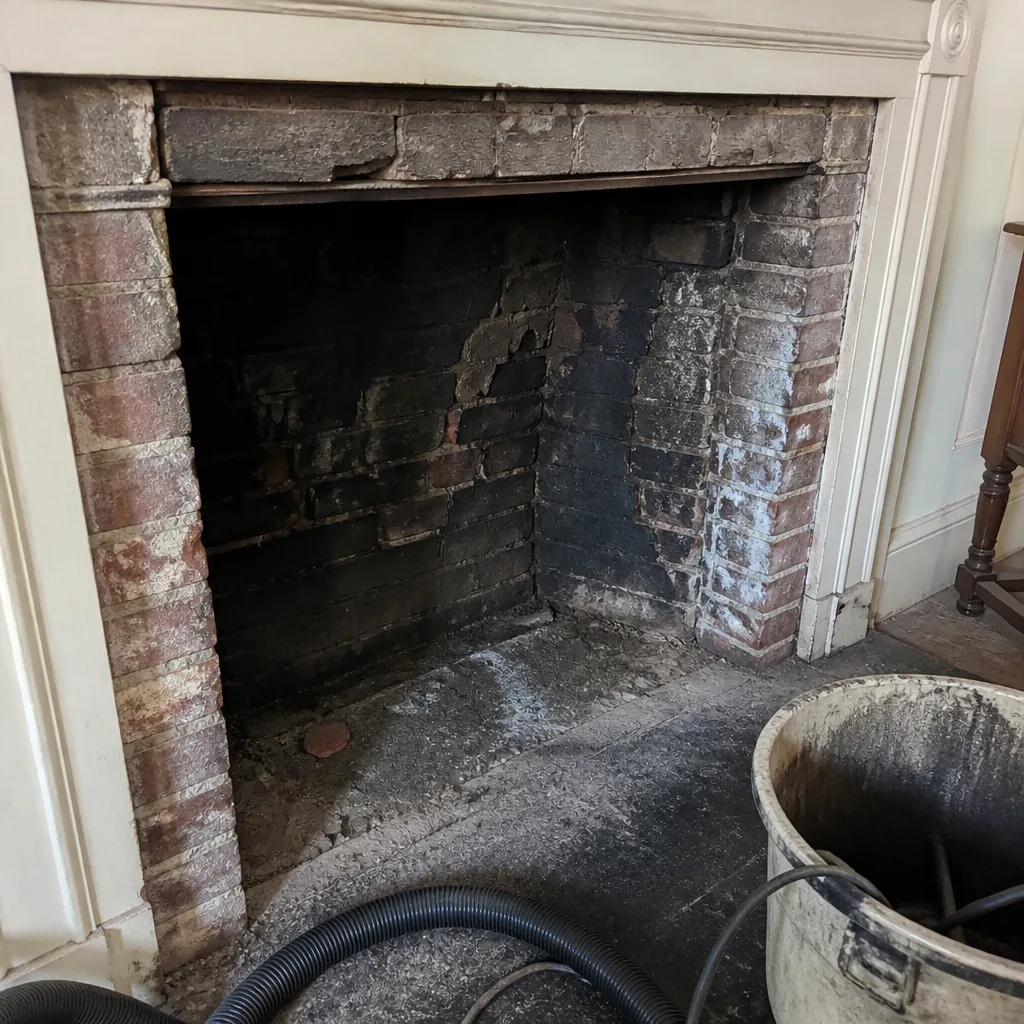 Before
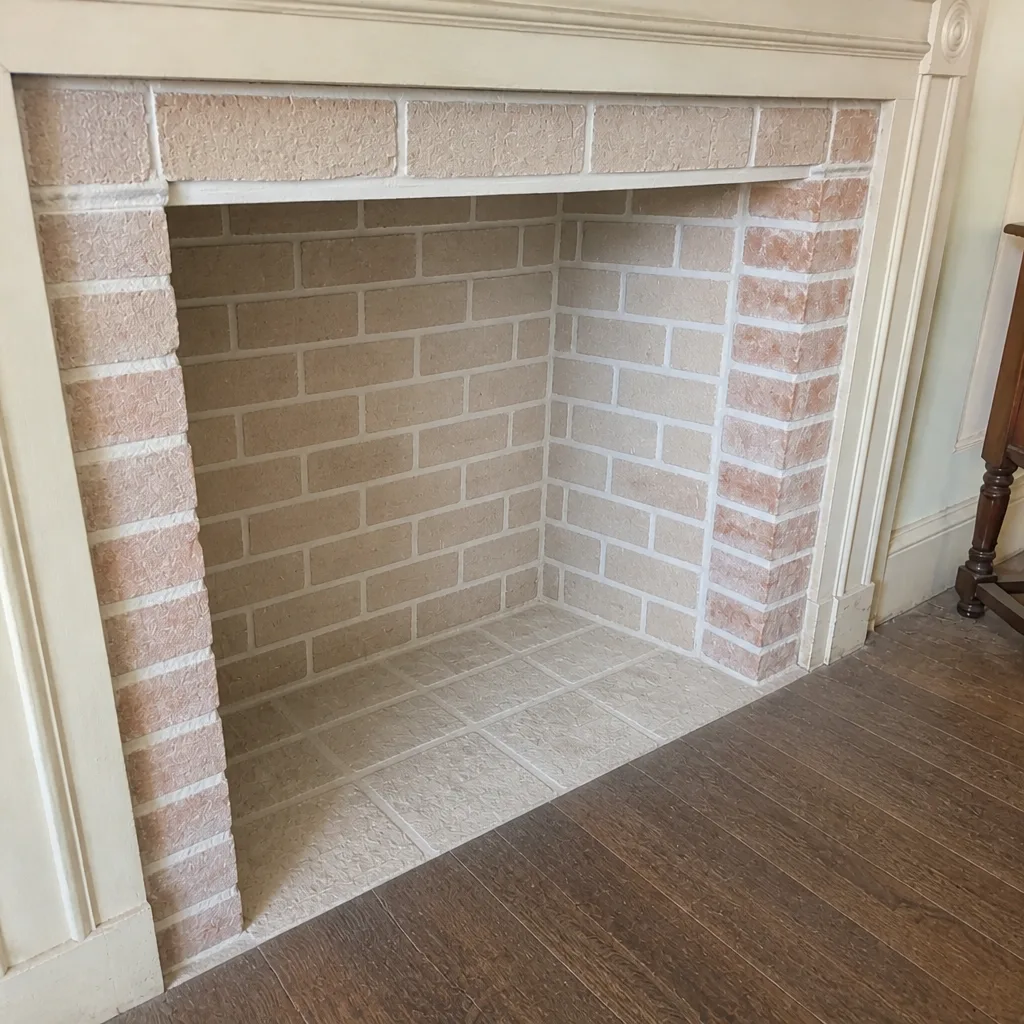 After
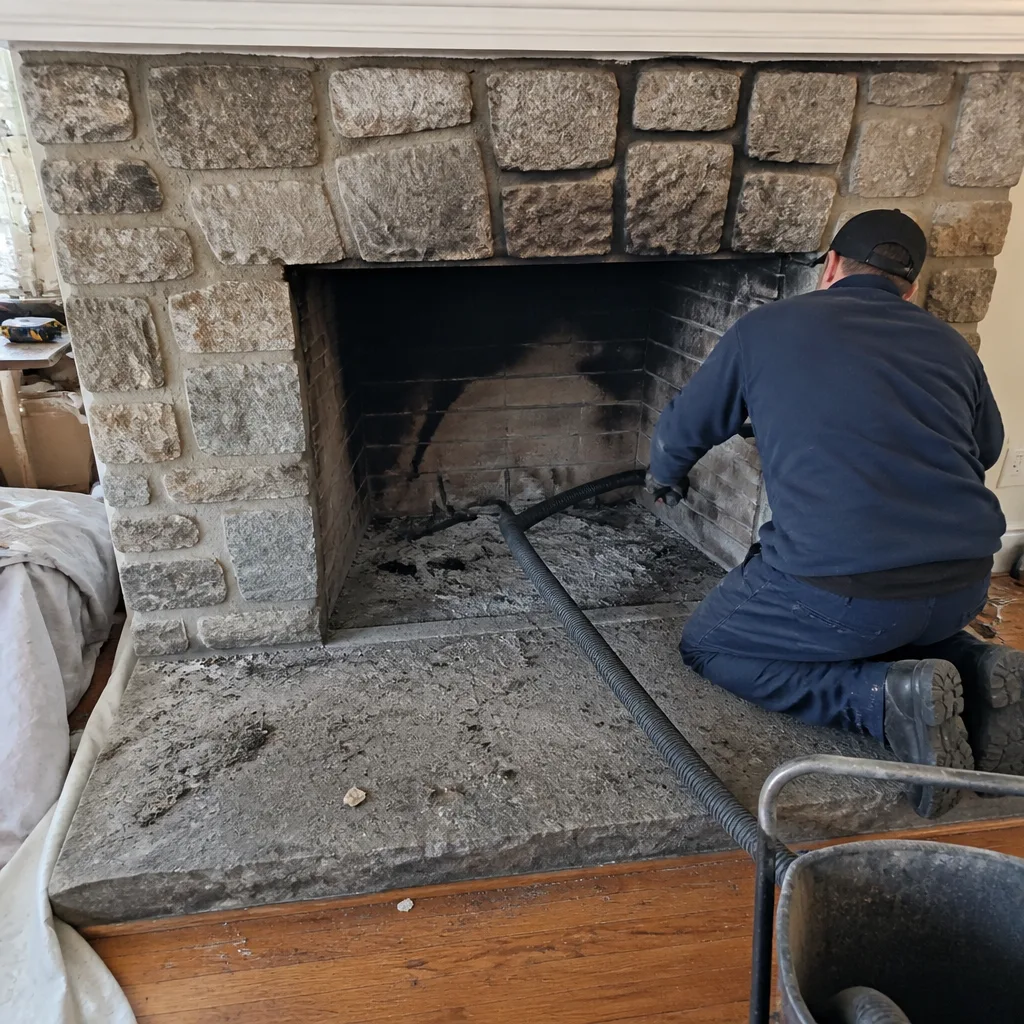 Before
 After
 Before
 After