
Last updated November 15, 2026
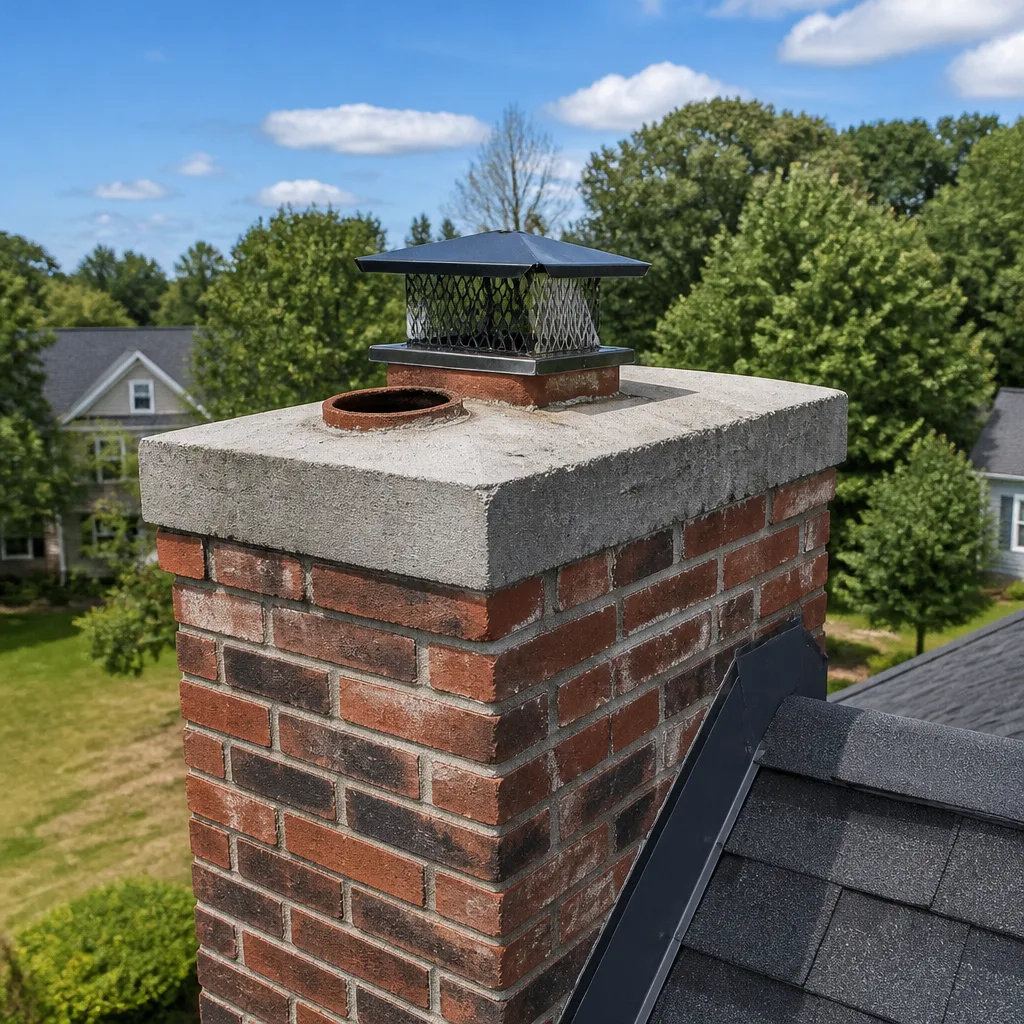 Sweep & inspection
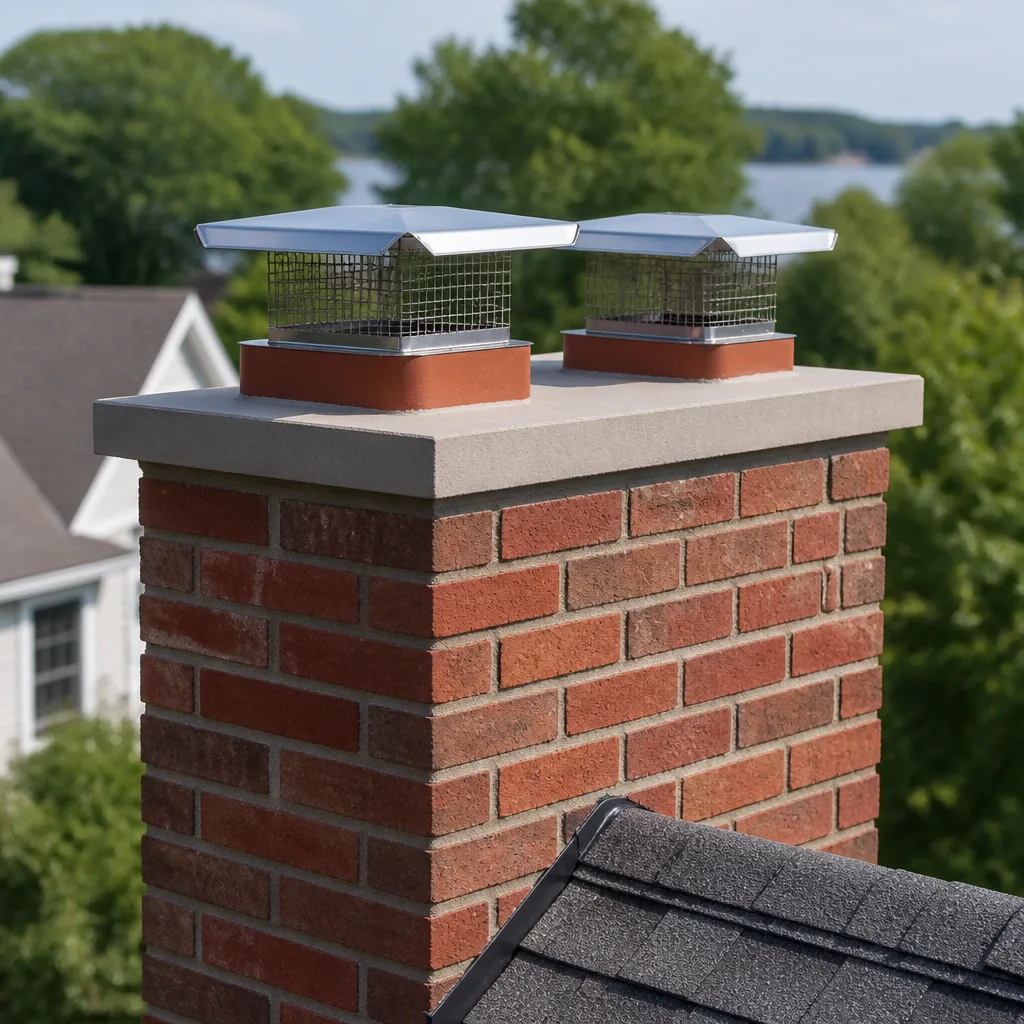 Caps & crowns
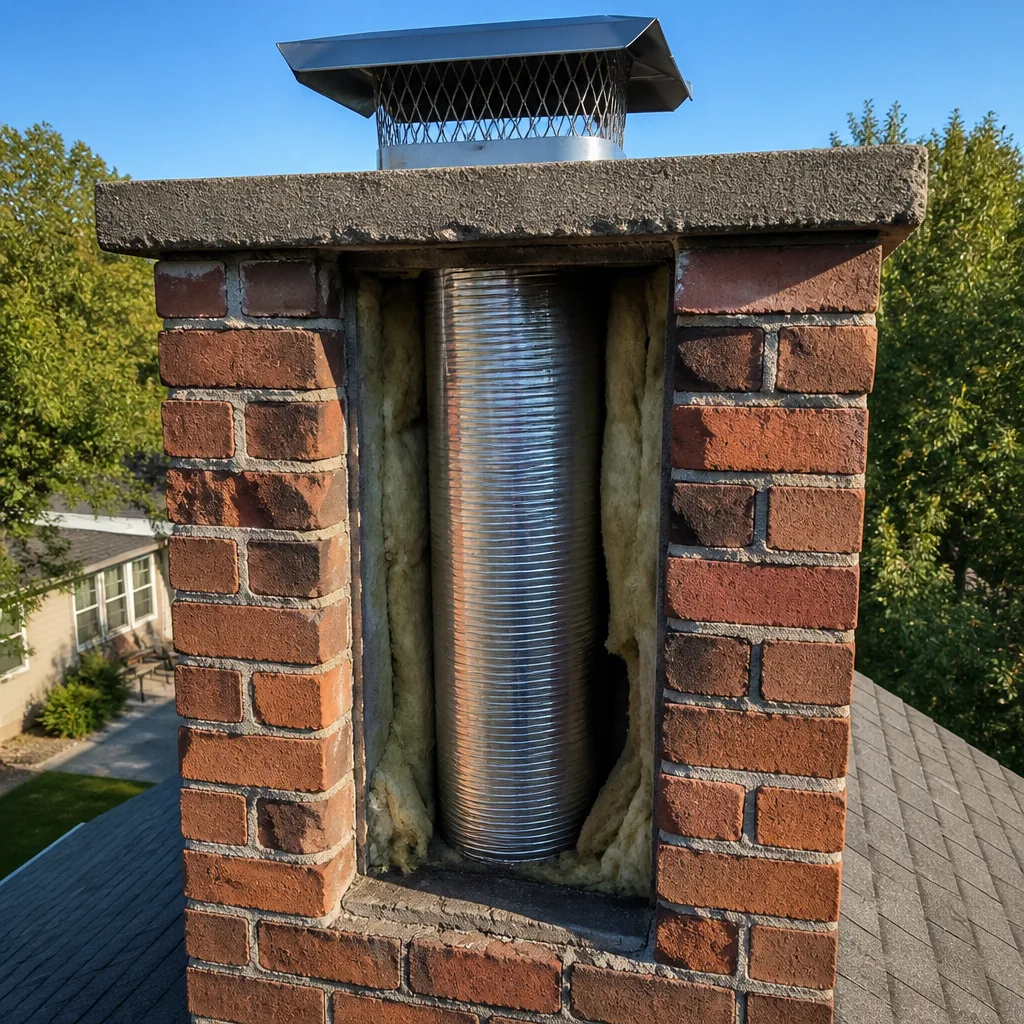 Flue relining
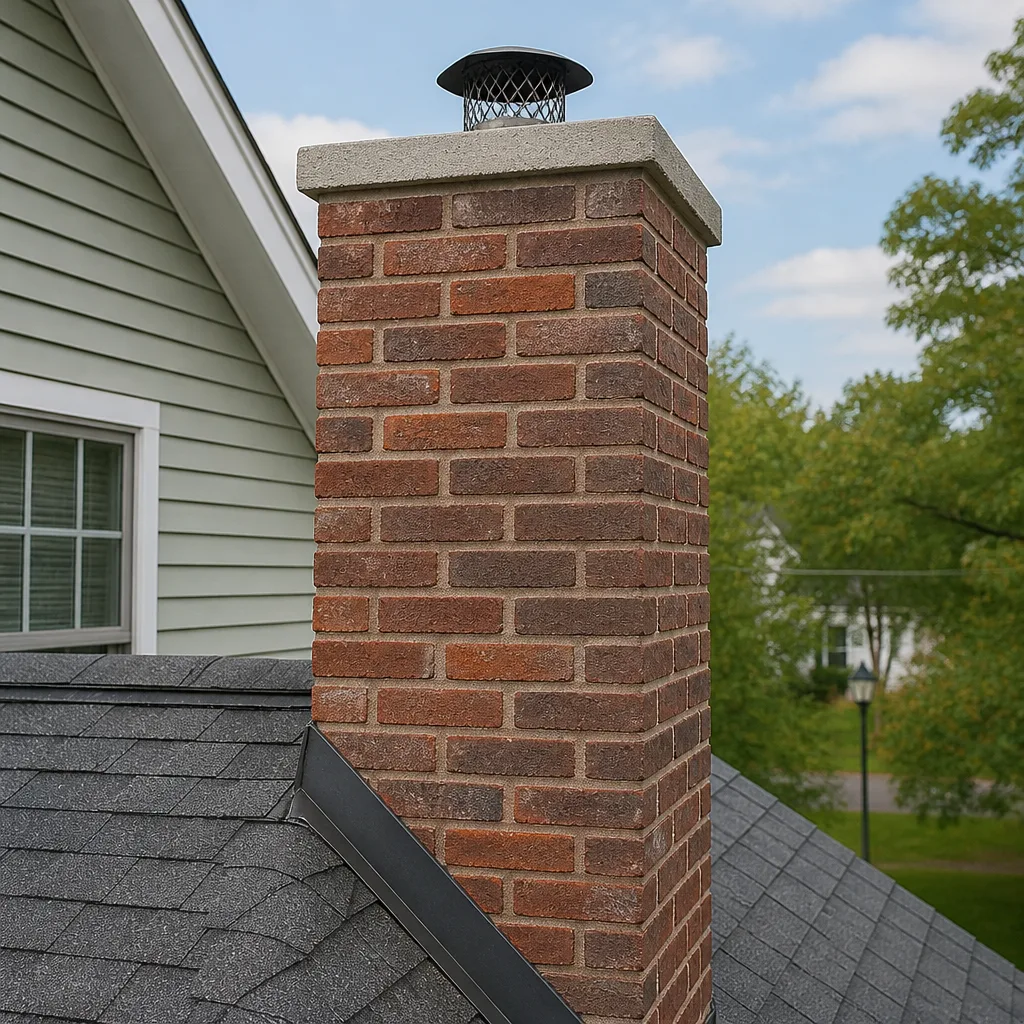 Masonry repair
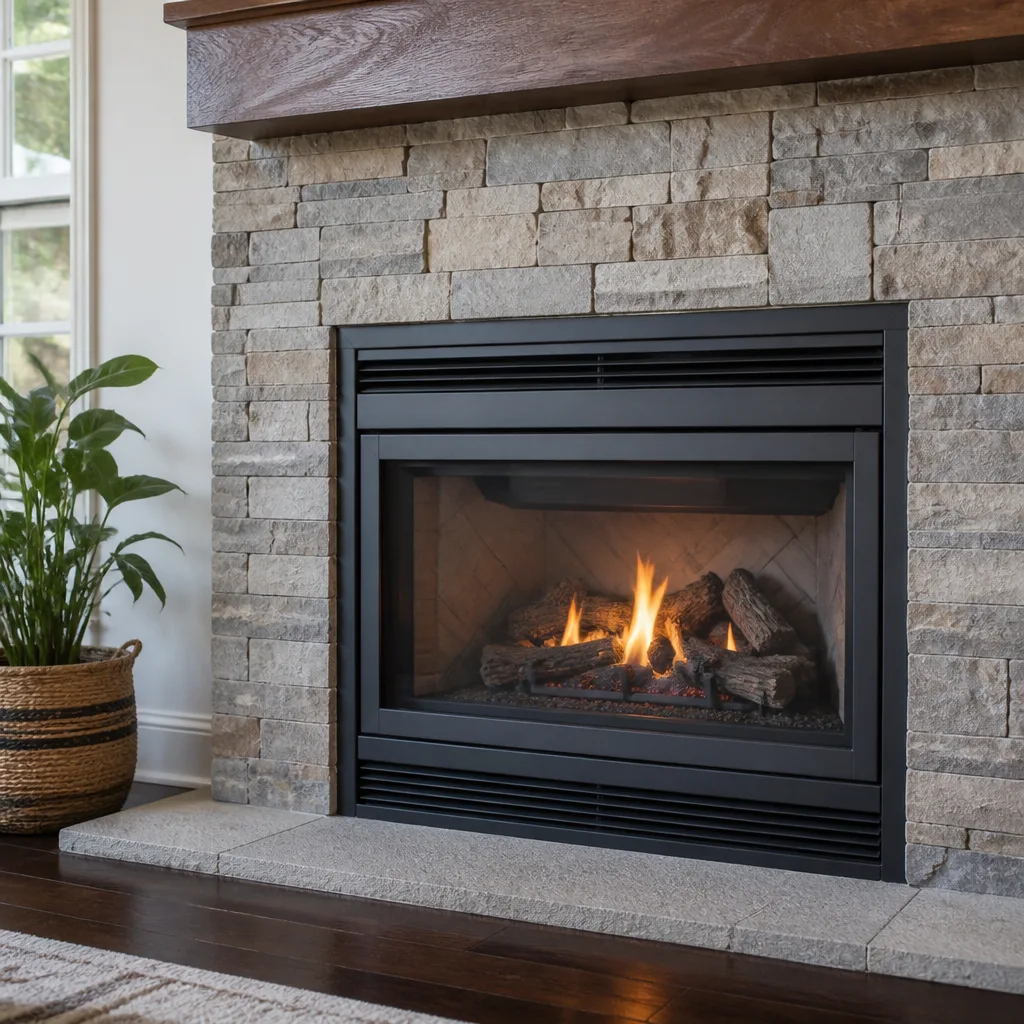 Gas fireplace service
Level 1 sweep and inspection to the NFPA 211 annual standard - flue, crown, cap, and flashing checked and photographed
Chimney sweep logs do not sweep chimneys. They loosen some creosote - which then falls where a brush and vacuum still have to collect it.
Chimney Cleaning Permits, Codes & Inspections in New Bedford, MA: What You Need to Know
A chimney cleaning itself does not require a permit in New Bedford. The repair that cleaning often uncovers, however, very likely does. That single distinction surprises almost every homeowner we talk to, and it matters far more than most people expect. A liner replacement or firebox rebuild done without a permit can complicate an insurance claim, and it can surface as a problem during a real estate transaction years later. This guide covers which chimney work in Massachusetts needs a building permit and which counts as routine maintenance, how local enforcement reads the state code, what the NFPA 211 standard actually governs, and how the three levels of inspection fit together as a regulatory and a service framework.
Quick Answer
Routine chimney cleaning and a Level 1 inspection are maintenance and do not require a permit in New Bedford. Repairs that alter the structure or a system component, such as a liner replacement, a firebox rebuild, or a new cap or chase cover installation that changes the flue assembly, generally do require a building permit under the Massachusetts State Building Code, 780 CMR. The NFPA 211 standard is the technical baseline inspectors reference for clearance, materials, and venting, and it works alongside the permit process rather than replacing it. When in doubt, ask the New Bedford building department before work starts, and get the answer in writing.
Styles & brands we work with
- Sweep & inspection
- Caps & crowns
- Flue relining
- Masonry repair
- Gas fireplace service
Table of Contents
- What Needs a Permit vs. What Counts as Maintenance
- How 780 CMR Applies to Chimneys
- NFPA 211: The Technical Baseline
- Level 1, 2, and 3 Inspections in Regulatory Terms
- Insurance and Real Estate Disclosure in Massachusetts
- The Permit Process, Step by Step
- What’s Different About Chimneys in New Bedford
- Common Mistakes to Avoid
What Needs a Permit vs. What Counts as Maintenance
In New Bedford, routine chimney sweeping is maintenance and requires no permit. A permit is generally triggered when the work changes the structure of the chimney or a system component in a way that affects how the flue vents or how the assembly is built. That line is the one homeowners cross without realizing it.
Here is the working rule we apply on every job. If the work is cleaning, inspection, or replacing a like-for-like part with no change to the structure, it’s maintenance. If the work rebuilds, installs, or replaces a system component, it’s construction and the local building department wants to see it.
Typically no permit required
- Routine chimney sweeping and creosote removal
- A Level 1 or Level 2 inspection, including camera work
- Replacing a chimney cap with an identical model where no structural change is made (check with the building department to confirm)
- Minor repointing of mortar joints on the crown where no structural alteration is involved (confirm locally)
Permit usually required
- Installing or replacing a chimney liner, including a full DuraFlex relining job
- Rebuilding the firebox or smoke chamber
- Rebuilding or replacing the chimney above the roofline
- Installing a new wood, gas, or oil appliance vented through the chimney where the flue is being reconfigured
- Applying HeatShield resurfacing to a damaged flue, particularly when it restores a failed flue to service
The exact scope always depends on your local building department. What one jurisdiction treats as a repair, another treats as an alteration. That variability is exactly why we recommend a quick call to the New Bedford building department before any structural chimney work begins, and a written estimate that spells out the scope. A free estimate from Chimney Sweep New Bedford includes a written scope you can take straight to the department.
How 780 CMR Applies to Chimneys
Massachusetts enforces the State Building Code, known as 780 CMR, and New Bedford’s local building department administers it. For chimney systems, the code adopts national standards for materials, clearances, and venting, which means the inspector is checking your chimney against the same baseline the rest of the country uses, adapted to local enforcement. You don’t need to read the code yourself to be compliant. You do need to know that it applies to a broader range of work than most homeowners expect.
In practice, a New Bedford building inspector looks at three things on a chimney permit: whether the flue material is approved for the appliance it serves, whether the clearances to combustibles are maintained, and whether the installation matches the standard for that type of venting. A metal liner, a masonry flue, a factory-built chimney, and a gas appliance vent all have their own rules. Mixing components that were never designed to work together is the most common code issue we find, and it’s the reason a permit review catches problems a cosmetic inspection might miss.
What the code is not is a substitute for inspection. The permit review looks at the installation as designed and as built. The inspection looks at the actual condition of the flue. You need both. A licensed contractor who pulls a permit and passes final inspection is telling you the work meets the code. A Level 2 inspection tells you what the flue looks like right now, in use, with a camera.
The state code also interacts with manufacturer instructions. Modern liners, caps, and appliance venting systems have installation manuals that the code incorporates by reference. If your installer used Olympia Chimney components in a configuration that matches the manufacturer’s spec for your appliance, you’re in compliance. If they adapted parts to fit, you may not be. This is why we specify materials by name and source from established product lines rather than mixing whatever is available.
NFPA 211: The Technical Baseline
NFPA 211 is the standard for chimneys, fireplaces, vents, and solid fuel-burning appliances. It is not a law, and New Bedford does not enforce it directly. It is the technical reference that the state building code, insurance inspectors, and home inspectors all lean on. When a professional chimney inspector says a flue is “substandard,” they mean it fails a provision of NFPA 211.
The standard covers a lot of ground, and a few pieces matter most for homeowners:
- Clearances. Chimneys must maintain specific distances from combustible materials like framing, sheathing, and insulation. A sweeps’ inspection looks for clearance violations that the original builder may have covered up.
- Materials. The standard defines what is acceptable for liners, caps, and appliance connectors. An unlisted material is not acceptable regardless of how it performs.
- Venting. The standard sets out how an appliance must connect to a flue, including whether the flue is sized properly for the appliance. An oversized flue is a real problem for a wood stove because it cools the exhaust and contributes to creosote buildup.
- Inspection levels. NFPA 211 defines Level 1, 2, and 3 inspections. More on those next.
You can’t cite NFPA 211 to a New Bedford inspector and expect them to check compliance directly; they check compliance with 780 CMR, which incorporates portions of the standard. That’s not a loophole. The two work together, and a chimney specialist who works to NFPA 211 on every job is working to the standard the code adopts. Our technicians have up to 10 years of experience with this framework, and it’s the lens we apply on every chimney sweep we perform.
Level 1, 2, and 3 Inspections in Regulatory Terms
Homeowners usually hear these levels described as service options. They are regulatory categories defined by NFPA 211, and the level that applies to your situation is not a matter of preference. Here is what each one means, and when it matters for code, insurance, and resale.
Level 1 Inspection
A Level 1 inspection is a visual check of the readily accessible portions of the chimney and venting with the appliance connected. It’s what accompanies routine sweeping. If your appliance setup has not changed, and you have no known problem, a Level 1 is the right scope. For a real estate transaction or an insurance review, a Level 1 is often not enough.
Level 2 Inspection
A Level 2 inspection covers all accessible portions, including areas that require a camera to reach. It is required when a property changes hands, when an appliance changes, when a flue changes, or after a chimney fire or other event that may have damaged the flue. A Level 2 is the scope a home inspector’s chimney finding will be sorted out with. It’s also the scope that tells you whether a liner actually needs replacement.
We include camera inspection and a photo report on Level 2 work so you can see what we see. Nothing gets recommended that the camera didn’t show.
Level 3 Inspection
A Level 3 inspection is invasive. It is used when a hidden problem is suspected and the only way to see it is to remove part of the chimney or its surrounding structure. A Level 3 is generally the scope an insurance company’s special investigator will ask for after a chimney fire. It’s also the scope required to rule out a hazardous condition before returning an appliance to service. Nobody schedules a Level 3 for routine maintenance. It happens when there’s a reason.
If you’re buying a home in New Bedford, treat a Level 2 as the baseline for the chimney, not a Level 1. The New Bedford market includes older housing stock where the liner was installed under code that has since been revised, and the only way to know what you’re buying is to see the inside of the flue.
Insurance and Real Estate Disclosure in Massachusetts
Unpermitted chimney work creates a problem that surfaces later, often at the worst possible time. An insurance carrier reviewing a claim may ask for evidence that the liner or appliance installation was permitted and inspected. If it wasn’t, the carrier may deny the claim or pay only a portion of it. The homeowner has no way to prove the work was done to code, because it wasn’t reviewed.
Real estate disclosure is the other half of the problem. Massachusetts requires sellers to disclose known material defects. A homeowner who can’t show that a chimney repair was permitted and inspected is in a weak position when the buyer’s inspector finds something. The buyer’s inspector will find it. They almost always do, and the conversation moves quickly from “what is that” to “who installed it and where is the permit.”
Here’s the practical consequence we share with anyone considering structural chimney work in New Bedford:
- A permitted repair has a paper trail attached to the property.
- An unpermitted repair has only the installer’s word.
- At resale, the buyer’s attorney and the buyer’s insurer will both ask for the paper trail.
- If it doesn’t exist, the deal can be delayed, renegotiated, or the repair has to be redone.
We’ve seen how this plays out when homeowners skip the permit to save a few hundred dollars in the short term. The cost isn’t in the permit. It’s in the resale. If a previous owner’s unpermitted work is discovered on your new home, a chimney repair brought up to code with a permit is the cleanest resolution, and the paper trail follows the property rather than the previous owner.
The Permit Process, Step by Step
If you’re hiring out chimney work that requires a permit in New Bedford, here is how the process typically runs. The exact steps are set by the local building department, and the department is the authority on what it wants to see.
- Confirm the scope. A written estimate from your chimney contractor should state exactly what is being done: liner replacement, firebox rebuild, cap installation, or another scope. Bring that scope to the building department, not a verbal description.
- Submit a permit application. In most cases, your contractor submits the application and pulls the permit as the licensed party. The application describes the work, lists materials, and identifies the installer.
- Provide product documentation. For liner and venting installations, the building department will want to see manufacturer documentation. This is where our focus on named, professional-grade brands pays off: DuraFlex liners, Olympia Chimney components, and HeatShield systems come with the documentation the department needs, and there’s no ambiguity about what is being installed.
- Schedule the inspection. Once the work is complete, the building department inspects it. The inspection checks compliance with 780 CMR, not the quality of the workmanship per se, but a properly permitted install and a clean installation tend to line up.
- Keep the record. The approved permit and inspection record go with the property. If you sell, this is what you hand the buyer. If you file an insurance claim, this is what you hand the carrier.
None of this is difficult. It’s just procedural, and the procedural part is what most homeowners don’t know to ask for when they hire a chimney contractor. A specialist who pulls the permit without being asked is telling you something about how they work. We coordinate the permit and inspection as part of every repair that requires one.
What’s Different About Chimneys in New Bedford
New Bedford’s housing stock and climate shape how chimney work actually plays out here. The city has a large share of older homes, many of which were built before modern liner requirements and have had one or more flue modifications over the years. Some of those modifications were permitted, many were not, and nobody knows which is which until someone opens the flue and looks.
The heating season runs long enough that a chimney that couldn’t handle a full winter is going to be tested. Cold snaps push appliances to their limits and turn small draft problems into backdrafting episodes. That’s the environment in which the liner, cap, and clearances either work or don’t. A cap that fits badly doesn’t just let water in over the course of a few months; it lets it in over a full New Bedford winter. A liner that’s slightly undersized for the appliance becomes obvious when the flue can’t keep up during a cold stretch.
The neighborhoods where we see the most variation are the ones with the widest range of building eras side by side. Along the dense blocks of the near-north side and in the older sections of the West End, adjacent houses can have very different chimney systems built decades apart to standards that no longer match. On the South End and in the Far North, newer construction and recent renovation work introduce a different set of questions, usually about what a flue is now venting versus what it was originally built to vent.
None of this is a reason to expect trouble. It’s a reason to inspect before assuming. A camera inspection tells you what the flue is now, which is the only version that matters for the permit, the insurance, and the resale. Famco and Copperfield cap and ventilation fittings come up regularly on this work because, when a cap or cover is replaced, the fit is what keeps water out over the long haul.
Common Mistakes to Avoid
- Assuming every repair needs a permit, or that none of them do. The line between maintenance and construction runs through the scope, and it isn’t always intuitive. Asking the New Bedford building department before work starts takes ten minutes and prevents a much bigger problem later.
- Letting a general handyman do a liner replacement. A liner is a system component, not a repair part. It requires the right materials, the right sizing for the appliance, and a permit. A generalist who sets a liner without a permit leaves you with an installation that can’t be verified.
- Skipping the Level 2 on a purchase. A Level 1 on a home you’re buying is not enough. The camera tells you what the flue actually is, and that’s the answer a buyer, an insurer, and a resale disclosure all depend on.
- Treating a cap as a finishing detail. Cheap caps and mismatched covers fail fast in New Bedford weather. A properly fitted cap from a named product line costs less up front than the water damage it prevents.
- Doing structural repair without documentation. Even a well-executed repair without a permit is a repair you can’t prove. At resale, “we had it done” and “here is the approved permit and inspection” are two different conversations.
- Ignoring the firebox and smoke chamber because they look fine. They rarely look like a problem from the outside. The interior condition is what drives whether a rebuild is needed, and that isn’t something a homeowner can assess visually.
- Assuming a previous owner’s work was permitted. In older New Bedford housing, that assumption is the one that costs the most. A Level 2 inspection before closing is how you turn that assumption into a fact.
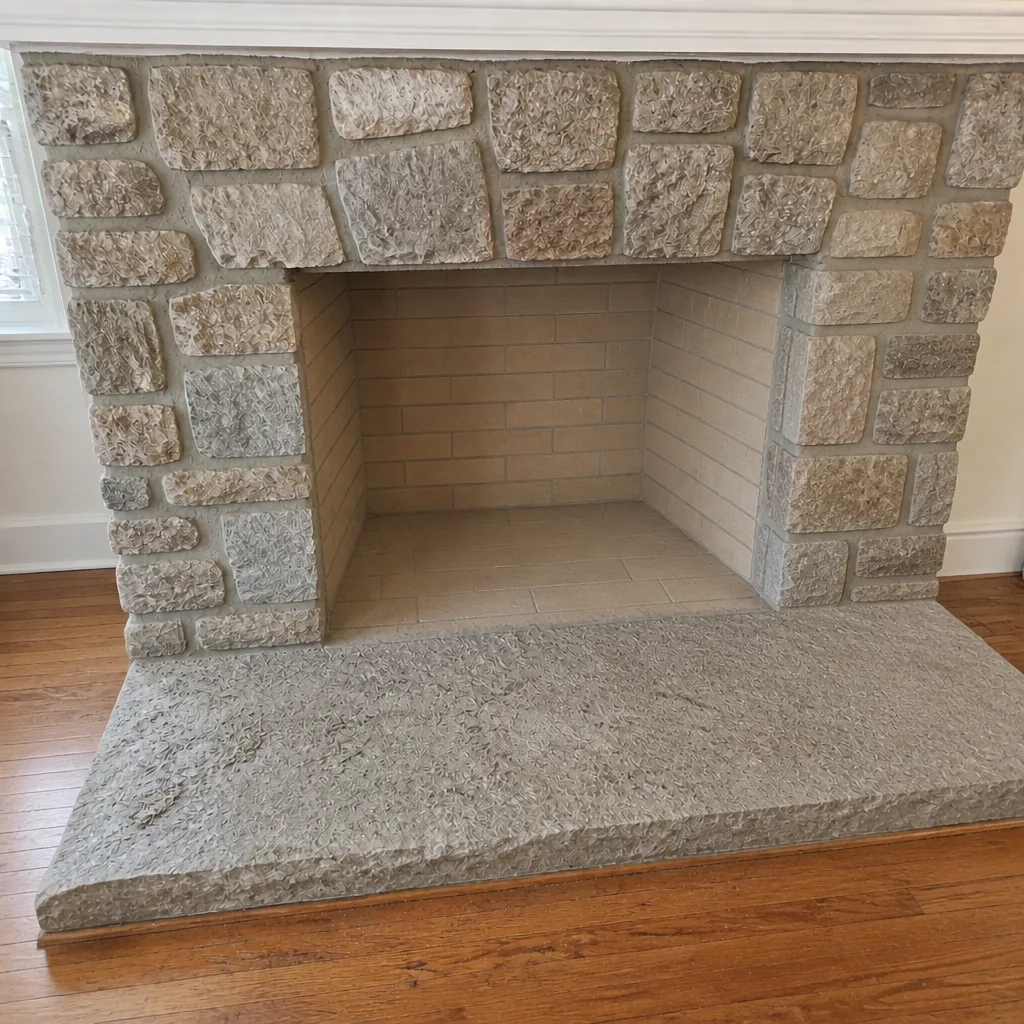
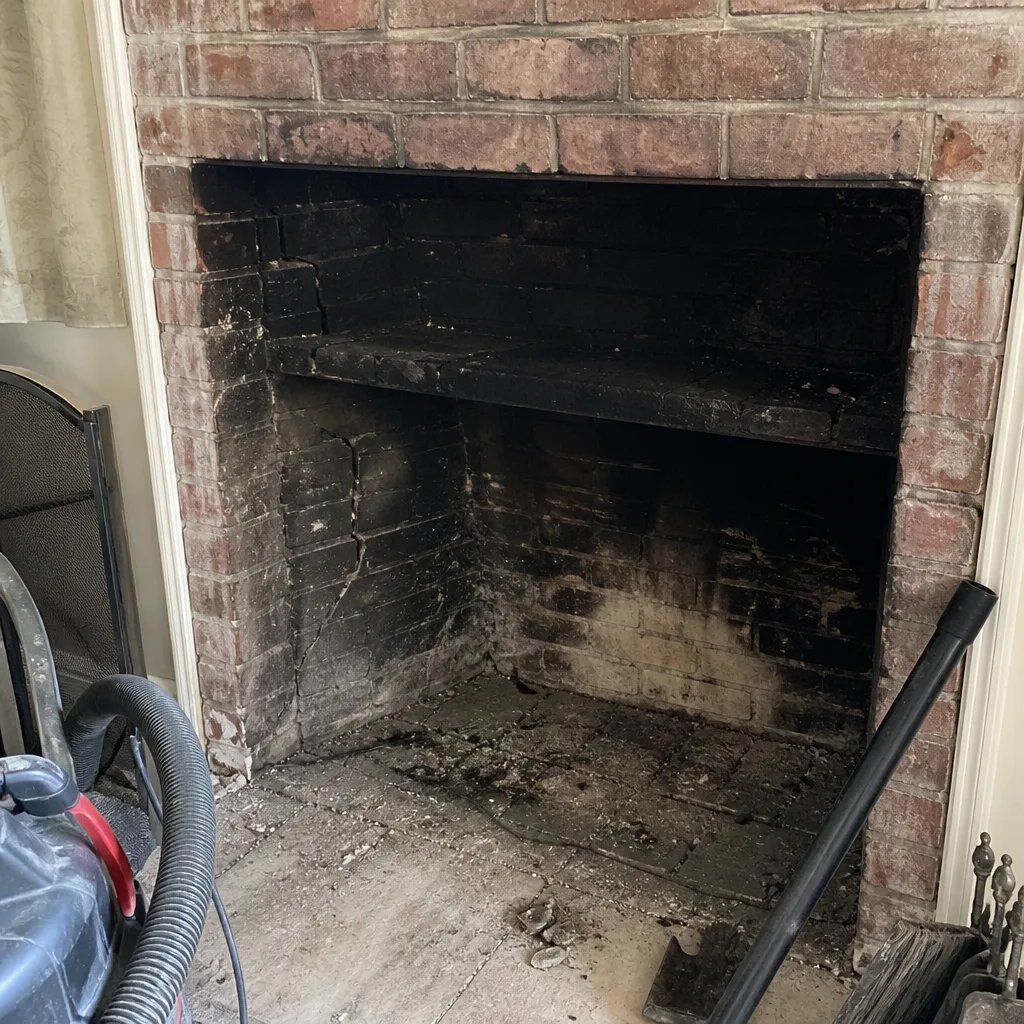
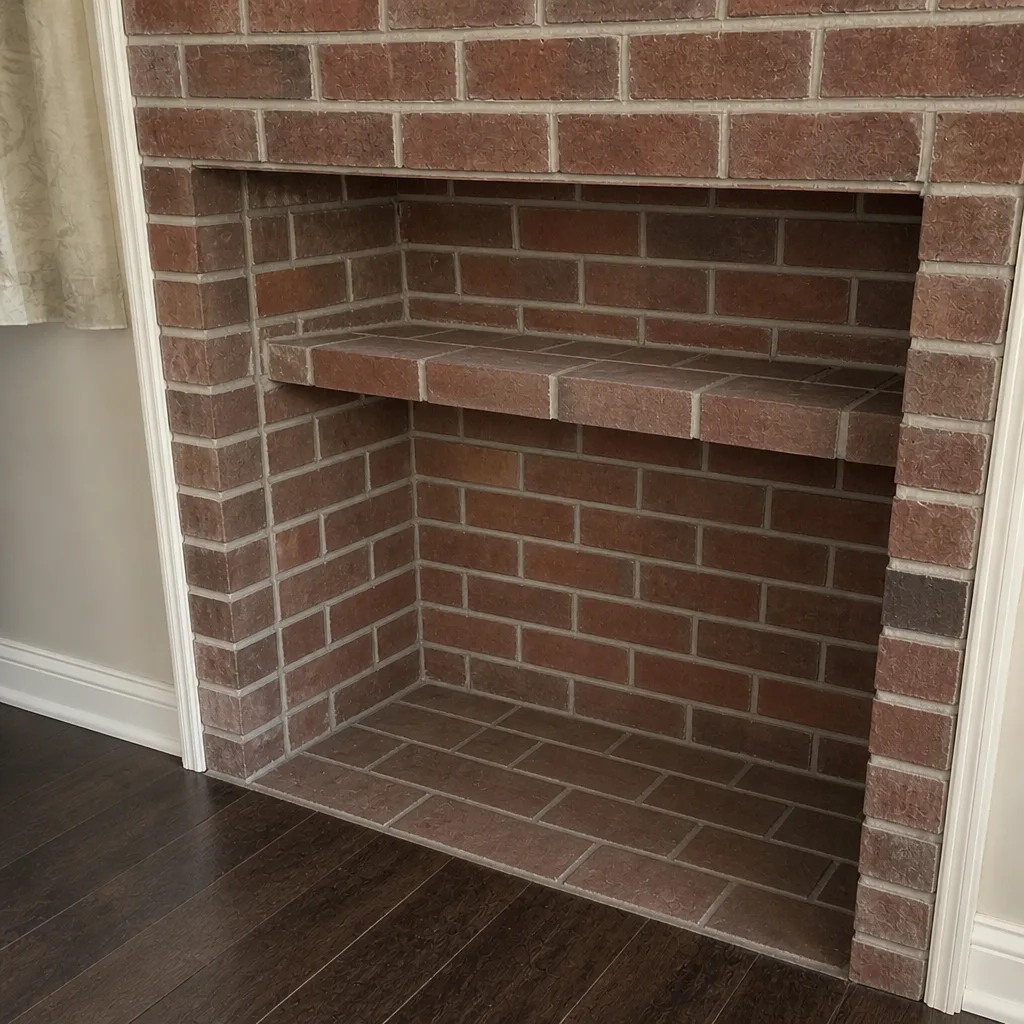
See the difference
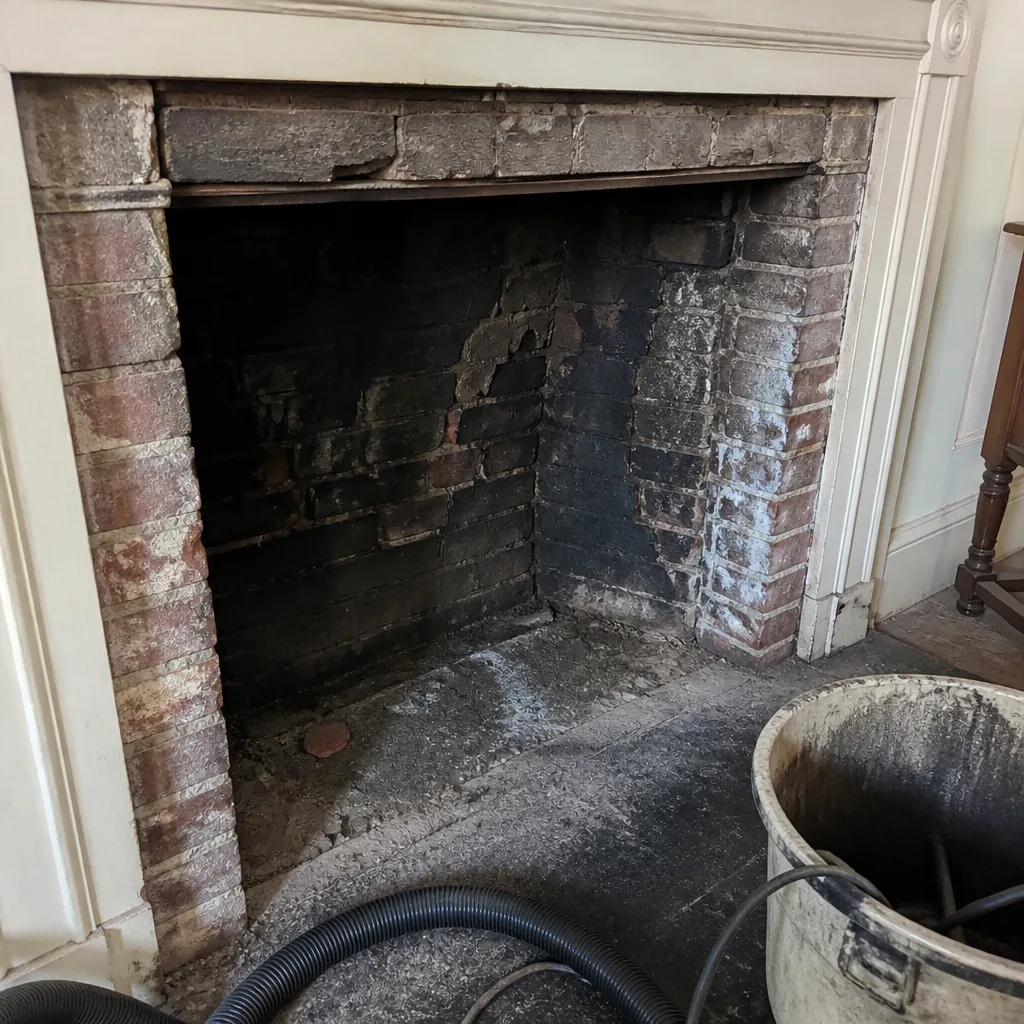 Before
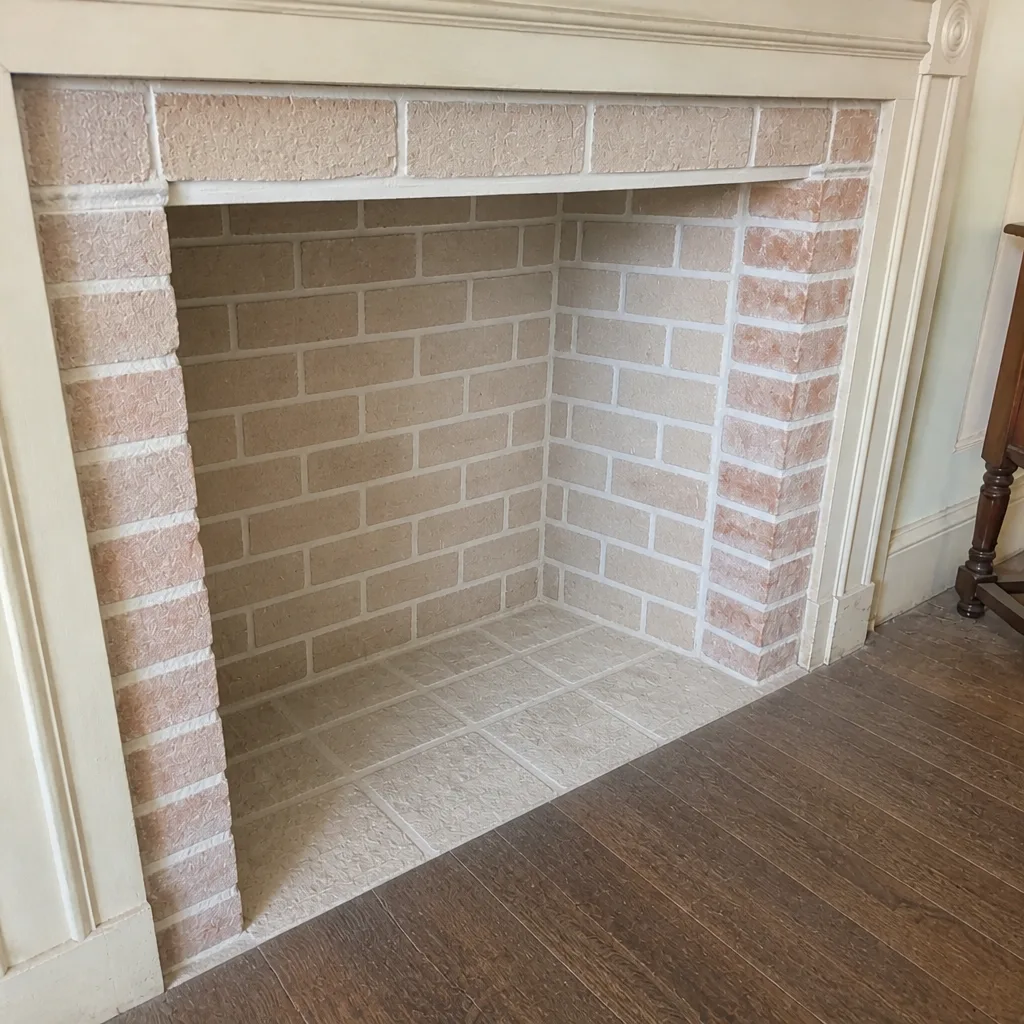 After
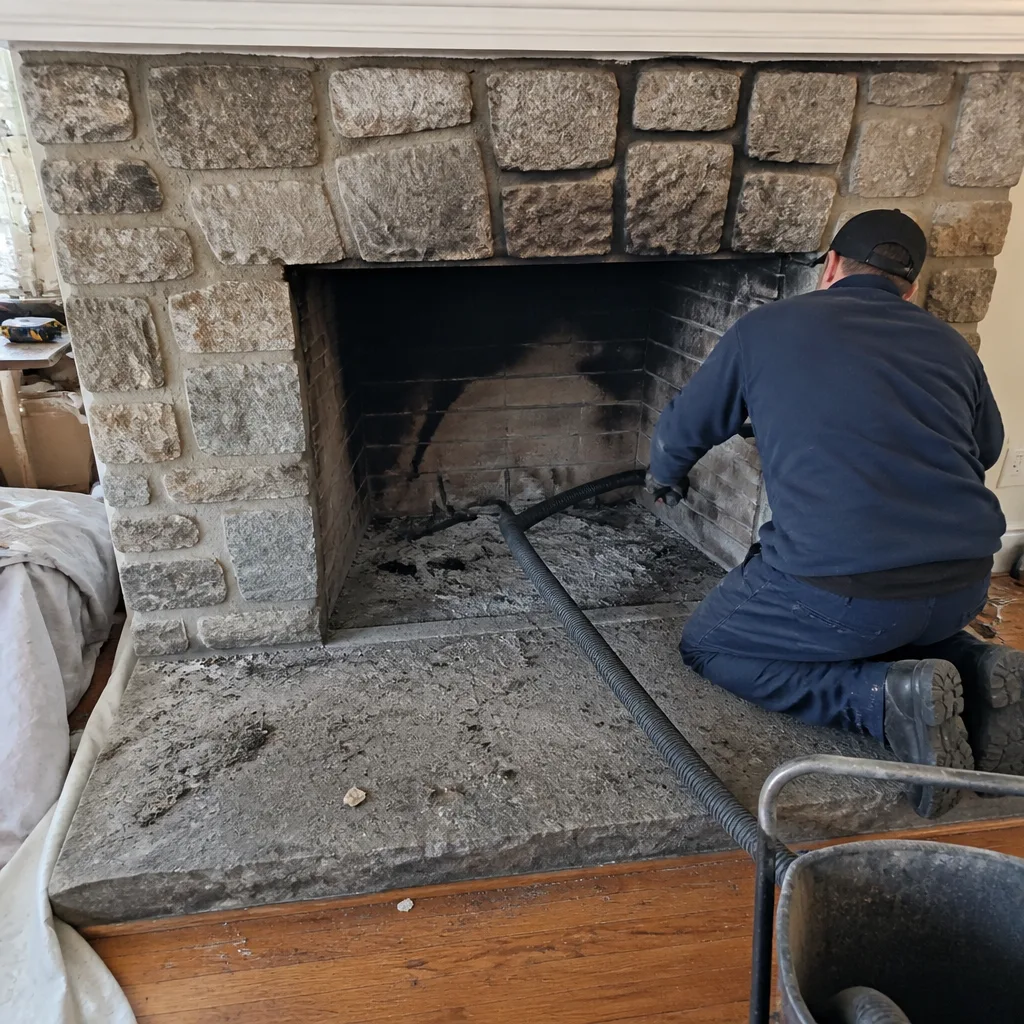 Before
 After
 Before
 After
When to Call a Professional
Call a professional chimney specialist when you can’t see inside the flue and the answer matters for insurance, resale, or safety. That covers a home purchase, a known chimney fire, a change of appliance, an unexplained draft problem, or a failed inspection with a repair scope attached. It also covers the case where a previous contractor’s work is undocumented and you need to know what’s actually there. Cleaning and inspection are the easy part. Getting the answer right when a permit, an insurance carrier, or a buyer is involved is where a specialist earns the call.
Chimney Sweep New Bedford offers free estimates in New Bedford. Call (877) 845-1880. We answer 24/7. Fast dispatch from 7am to 7pm, Sunday through Friday. Our technicians have up to 10 years of experience on chimney work, and they work to NFPA 211 and 780 CMR on every job.
Frequently Asked Questions
No. Routine chimney cleaning does not require a permit in New Bedford because it’s classified as maintenance, not construction. A permit becomes relevant when the work changes a structural component of the chimney system, such as a liner replacement, firebox rebuild, or a new cap installation that alters the flue assembly. If your contractor discovers a repair during cleaning, that repair may require a permit even though the cleaning did not. Call (877) 845-1880 to schedule a cleaning or to talk through what a repair scope would need.
A Level 1 inspection is a visual check of accessible portions with the appliance connected, and a Level 2 includes camera access to the flue and areas a Level 1 can’t reach. The level matters because NFPA 211 defines when each applies. A Level 2 is required for a real estate transaction, an appliance change, a flue change, or after a chimney fire. For a home purchase in New Bedford, a Level 2 is the baseline. Call (877) 845-1880 and ask for a Level 2 scope if you’re buying or selling.
It can. An insurance carrier reviewing a claim may ask for evidence that a liner or appliance installation was permitted and inspected, and if it wasn’t, the carrier may deny or reduce the claim. The loss of coverage is the real cost, not the permit fee. If you’re unsure whether prior work was permitted, a Level 2 inspection and a call to the New Bedford building department will tell you where you stand. Call (877) 845-1880 for an inspection that produces the paperwork a carrier will accept.
NFPA 211 is the national standard for chimneys, fireplaces, vents, and solid fuel appliances, and it’s the technical reference the Massachusetts State Building Code and most insurance inspectors use. It isn’t a law that New Bedford enforces directly, but the code adopts portions of it, so a flue that fails NFPA 211 provisions will generally fail a code review as well. A specialist who works to NFPA 211 on every job is working to the standard the code expects. Call (877) 845-1880 to talk through how the standard applies to your chimney.
Permit timelines in New Bedford are set by the local building department, and they vary with the scope of the work and the department’s current workload. There is no fixed number we can give you. What matters is that the permit is pulled before the work starts, not after, because retroactive permitting is much harder and sometimes impossible. We coordinate the permit and inspection as part of a repair scope. Call (877) 845-1880 and we’ll walk through the timeline once the scope is set.
You can list it, but the repair will likely come up during the buyer’s inspection and in the disclosure process, because Massachusetts requires disclosure of known material defects. The cleanest path is to permit and inspect the repair before listing so you have the paperwork to hand to the buyer. If you’re already under contract and a chimney issue surfaces, a Level 2 inspection and a permitted repair resolve it. Call (877) 845-1880 for a free estimate on bringing a repair up to code.
The Bottom Line
Chimney cleaning is maintenance and does not require a permit in New Bedford. The repair that cleaning uncovers often does. The Massachusetts State Building Code (780 CMR) governs the permitted work, NFPA 211 sets the technical baseline that inspectors and insurers reference, and the Level 1, 2, and 3 inspection framework is a regulatory structure, not a menu of service options. Unpermitted structural repair creates a liability that surfaces at resale and can complicate an insurance claim. Our technicians work to the code and the standard, specify materials by name from professional-grade product lines, and pull the permits the work requires. From sweep to repair to inspection, one call covers the full flue.
For a free estimate on cleaning, inspection, or a permitted repair, call Chimney Sweep New Bedford at (877) 845-1880. We answer 24/7. Fast dispatch from 7am to 7pm, Sunday through Friday.
Written by the team at Chimney Sweep New Bedford.