
Last updated November 15, 2026
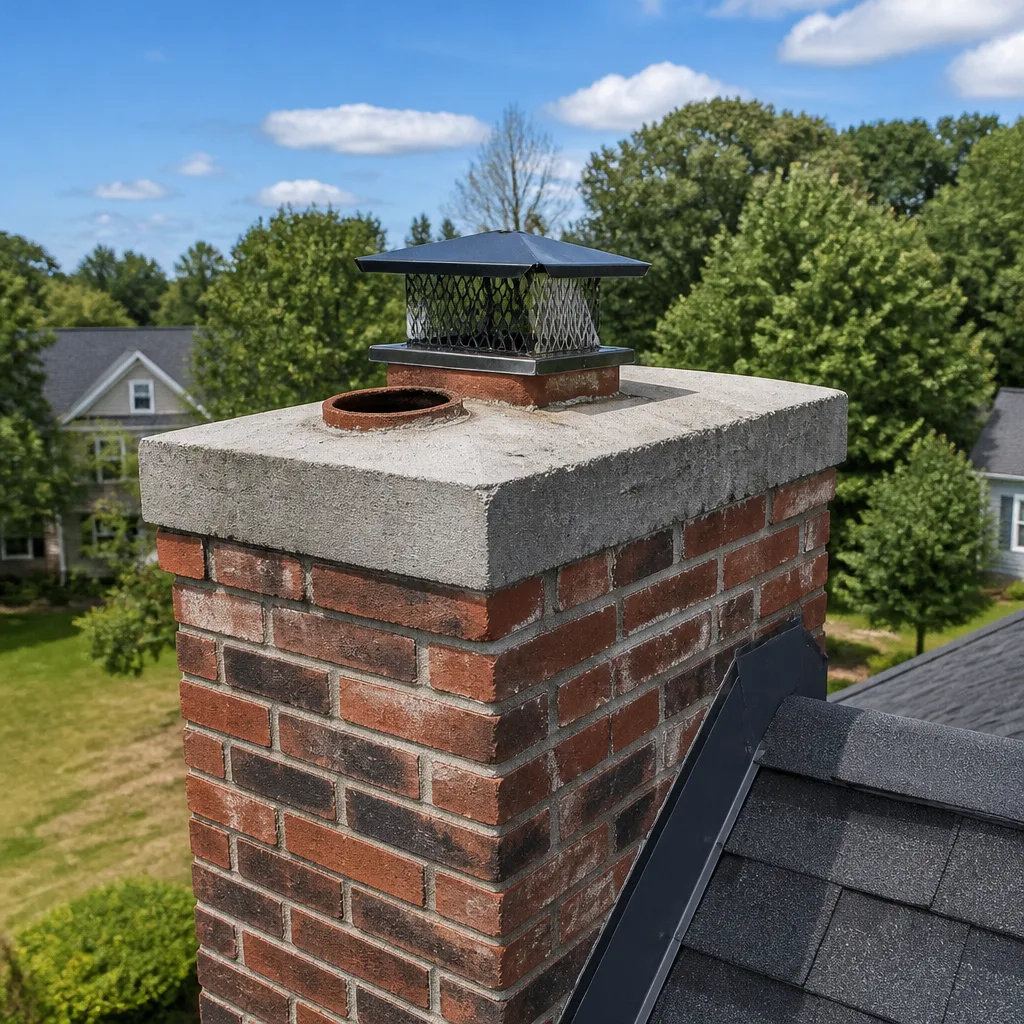 Sweep & inspection
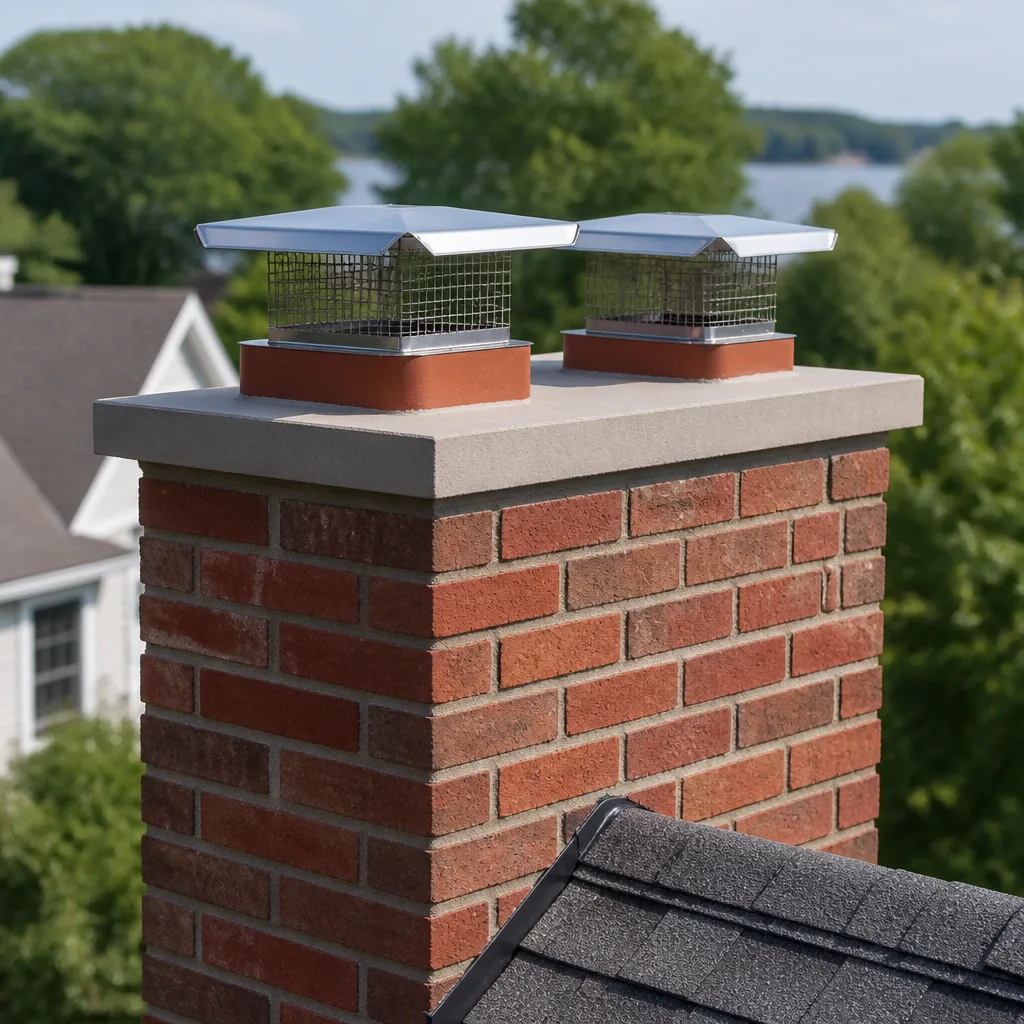 Caps & crowns
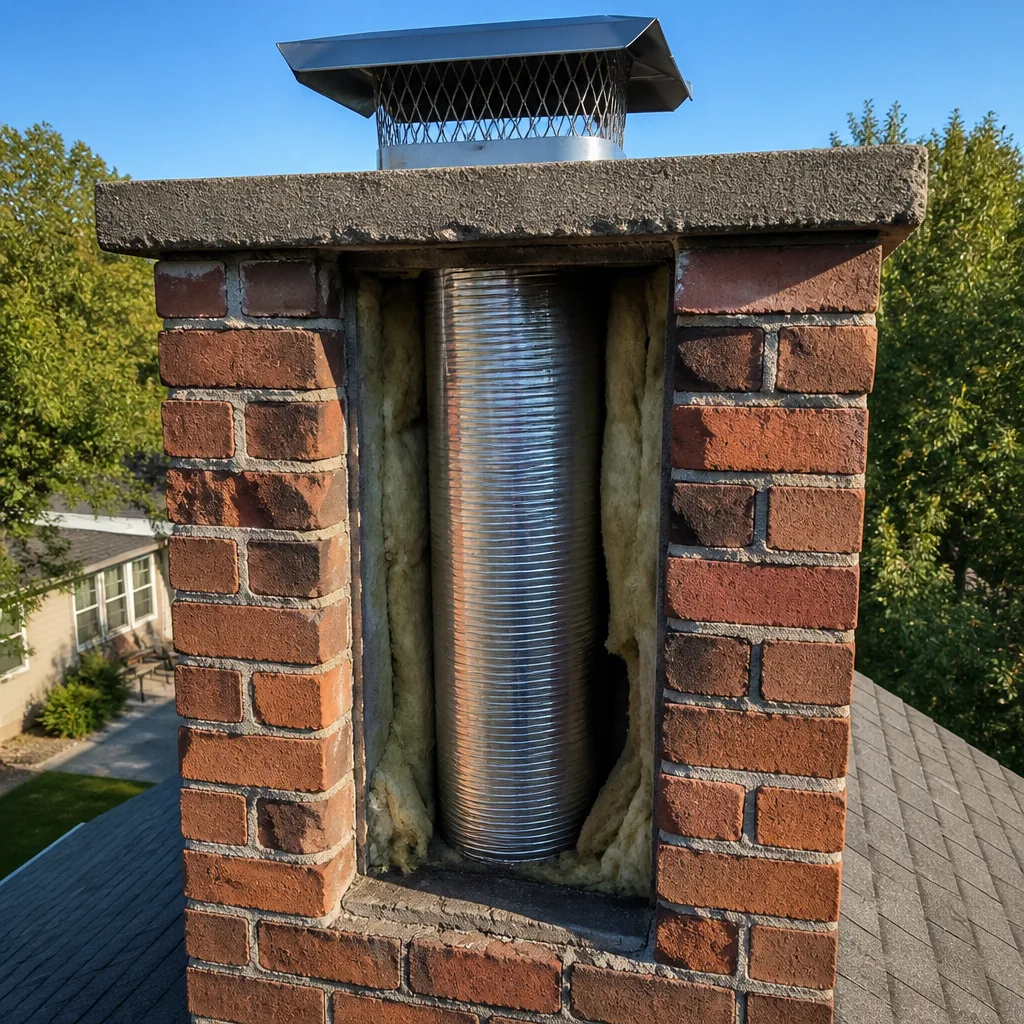 Flue relining
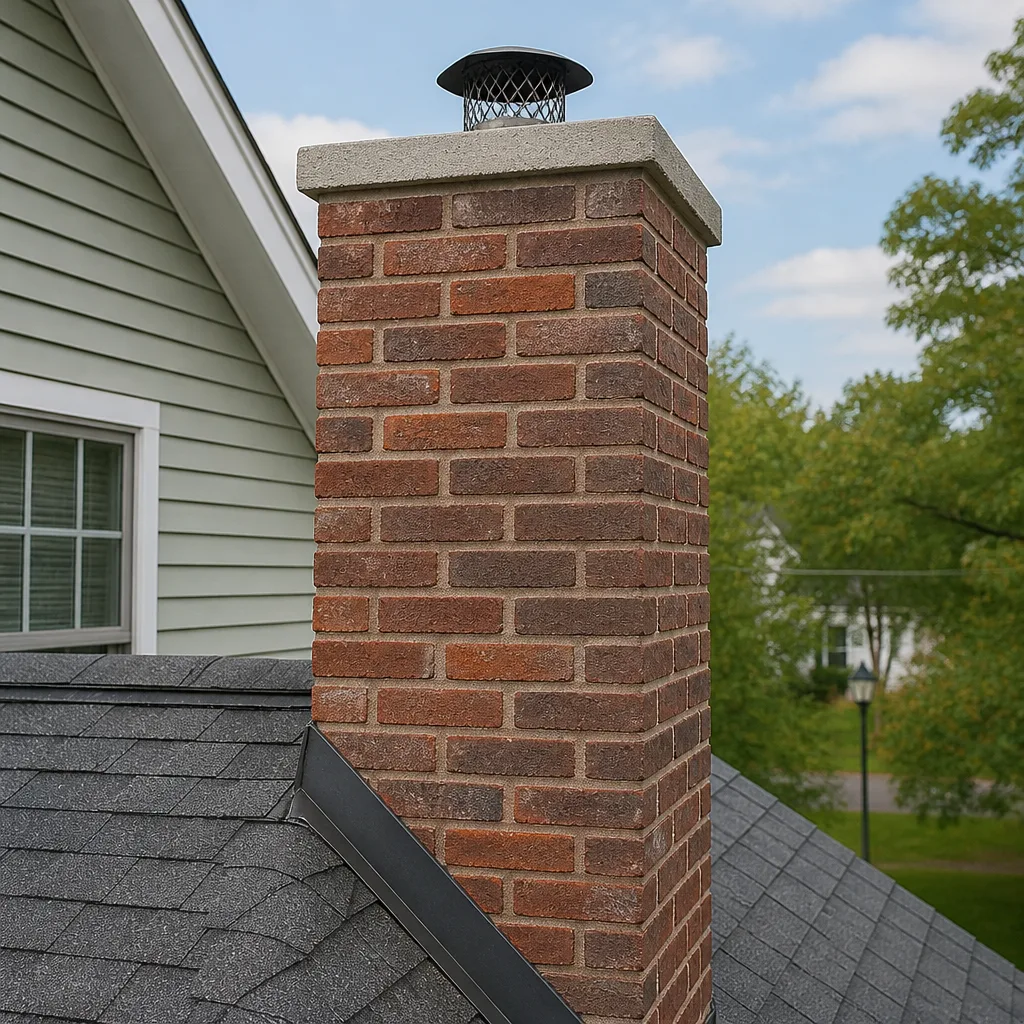 Masonry repair
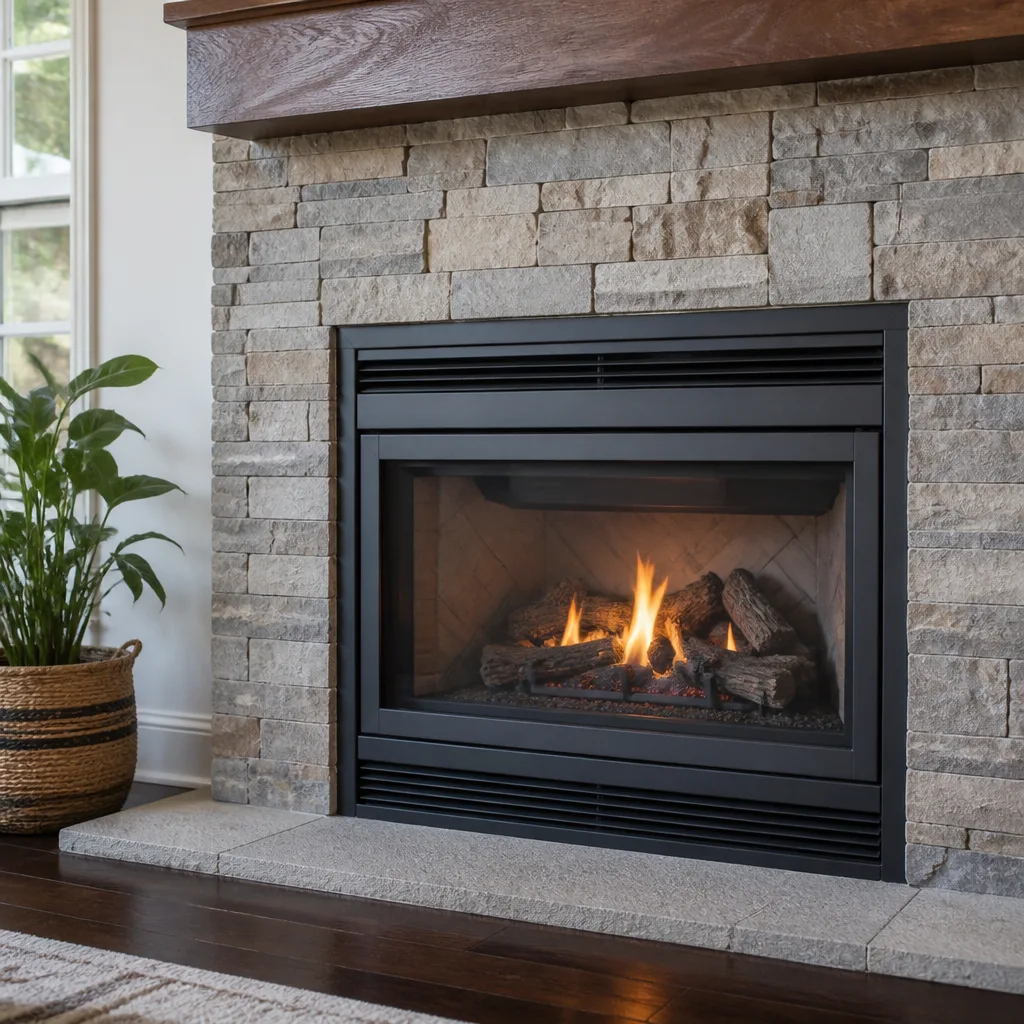 Gas fireplace service
Level 1 sweep and inspection to the NFPA 211 annual standard - flue, crown, cap, and flashing checked and photographed
Chimney sweep logs do not sweep chimneys. They loosen some creosote - which then falls where a brush and vacuum still have to collect it.
Chimney Sweep Maintenance Schedule: What to Do and When
Most homeowners treat the annual sweep as the whole job. It’s the opposite. In our experience, the sweep is the last line of a maintenance calendar that starts in late summer and runs through the following spring. Everything before it – the crown inspection, the damper check, the waterproofing window – is what keeps a chimney from turning a small repair into a rebuild. Get the order right and a flue in New Bedford can go years without a major expense. Get it wrong and you’re paying for a fix that should have been a coat of sealer applied months earlier. Here’s the full sequence, month by month, plus the material-specific cadences most guides skip.
Quick Answer
A proper chimney maintenance schedule has four anchors: a September pre-season inspection and damper check before the first fire, a sweep keyed to how many cords you burned, a March post-season inspection to catch damage while it’s fresh, and summer waterproofing applied in a warm, dry window. The annual sweep belongs at the end of that chain, not the start.
Styles & brands we work with
- Sweep & inspection
- Caps & crowns
- Flue relining
- Masonry repair
- Gas fireplace service
Table of Contents
- Why September Is the Most Important Month
- How Often You Actually Need a Sweep
- What March Reveals That September Hides
- What Summer Is Really For
- The Waterproofing Window
- Material-Specific Inspection Cadence
- The One Pre-Season Check You Can Do
- Creosote Thresholds by Fire Frequency
Why September Is the Most Important Month
September is when the chimney is easiest to inspect and easiest to fix. The heating season hasn’t started, weather is still workable, and any defect you find can be corrected before it has a chance to be tested by a fire. The purpose of the September visit is not cleaning – it’s establishing a baseline for the season ahead. Our chimney sweep appointment at this time of year covers the flue interior, the damper assembly, the firebox, and the exterior crown and cap.
Here’s what a September visit should cover, in order:
- Exterior crown and cap inspection. Cracks in the crown let water in through the top, which is the most common path for masonry damage. A cap that’s shifted or lost its screen is also the most common reason animals get inside before winter.
- Flue interior scan. Camera inspection confirms whether the liner is intact and how much creosote is present from last season. This is also where HeatShield ceramic resurfacing gets flagged as an option instead of a full reline.
- Damper plate and smoke chamber. A damper that doesn’t seat properly is an efficiency problem and a safety issue at the same time. The smoke chamber above it is where debris accumulates quietly.
- Draft check. If the chimney doesn’t pull correctly with a cold flue, that’s worth knowing in September, not on the first cold night in October.
In New Bedford, the September window is also when homeowners tend to schedule their inspection because they’ve just noticed a smell in the house from leftover creosote during the first muggy week. That smell is a signal worth acting on. If you haven’t booked the pre-season visit yet, the calendar starts to compress by mid-October, and the inspection quality doesn’t change but the schedule does.
How Often You Actually Need a Sweep
The industry standard – an annual sweep – is a floor, not a ceiling. The real answer depends on how much you burn. A homeowner who lights fires on cozy evenings in December and January is on a different cadence than someone who heats primarily with wood from October through April. Both should be on a schedule. The frequency differs.
Here’s the working rule we use when advising a New Bedford homeowner on their first appointment:
- Occasional use (under one cord per season): one sweep per year, scheduled in spring after the last fire.
- Regular use (one to two cords per season): one sweep per year, but the inspection matters more. Creosote accumulates faster at intermediate burn temperatures than at hot, steady fires.
- Heavy use (three or more cords per season): sweep at mid-season as well as after the last fire. This is the cadence where creosote thickness becomes a genuine fire-load question, not just a maintenance item.
- Oil or gas appliance: annual inspection regardless of cord count. The flue still needs to be checked for condensation, vent condition, and any signs of the appliance venting incorrectly.
A sweep is not just a cleaning. It’s the moment when creosote accumulation gets measured and the liner gets looked at under real conditions. That’s why we recommend that any sweep be paired with at least a visual inspection of the flue, even when the homeowner came in expecting just a cleaning.
For homeowners in the city who want a single appointment covering both, our Chimney Sweep New Bedford page outlines the full scope. The important thing is to schedule the sweep, not to guess when the flue got thick. Creosote builds without obvious signs until the flue is restricted enough to cause a draft problem, and by then you’ve likely already had a smoky fire.
What March Reveals That September Hides
March is when the chimney tells the truth about the winter it just had. The flue has been through four to six months of temperature cycling. Masonry has expanded and contracted repeatedly. Any hairline crack in the crown or mortar joint that was invisible in September has opened up by March. That’s why the post-season inspection is not the same job as the pre-season one, even though both are inspections.
A post-season visit in March covers:
- Crown surface condition – looking for new cracks, spalling, or a crown that has separated from the flue tile at the seam.
- Mortar joints on the exterior – the freeze-thaw cycle opens joints that were tight in the fall.
- Flue liner integrity – clay tiles can crack under thermal cycling; a stainless steel liner (a DuraFlex installation, for example) is checked for seam integrity and support condition.
- Cap and screen – winter wind and ice loading can shift caps and tear screens.
- Creosote measurement – the amount of buildup is now at its seasonal peak, which is exactly the right time to plan the sweep.
The March inspection is also when we flag items that can wait until summer and items that shouldn’t. A cracked crown with water penetration active needs to be addressed before the next wet season. A slightly loose cap that hasn’t caused a problem can be scheduled for the summer repair visit. That distinction only works if the inspection happens in March, while the evidence is fresh and the season is open.
This is also the point where liner repair strategy gets decided. If the flue damage is to the liner surface rather than a full liner failure, HeatShield ceramic resurfacing is often the appropriate route. If the liner is structurally compromised, a full reline is the answer. Both decisions come out of the March inspection, not the September one.
What Summer Is Really For
Summer is the repair window, not the off season. The flue is dry, the weather is warm, and any repair that requires cure time or sealing has the conditions it needs to set correctly. This is when crown repair, cap replacement, and full relining happen – not in the fall when the first cold snap is closing the window.
A summer visit is a different job from a sweep. The chimney is not in use, so the work isn’t being timed around the heating schedule. Repairs that need a day or two of dry conditions can be scheduled without cutting into your season. Crown coats, cap fitting, and liner work all fall into this window.
If the March inspection flagged a repair, summer is when it should be booked. We see the pattern every year: homeowners wait until September to schedule the repair, the window closes, and the repair gets pushed to the following year with a temporary patch in between. That’s the pattern that costs more in the end.
The summer visit is also the right time for a chimney repair assessment if you haven’t had one. Masonry in New Bedford has been through enough winter cycles that any deferred crown repair becomes a rebuild question. The earlier that gets looked at, the more options you have.
Product choice matters here. When we specify a cap, we’re usually working with a Gelco or Olympia Chimney product, and when we work on a crown, we’re specifying materials that will hold up to the next winter rather than materials chosen on price alone. That’s the difference between a repair that lasts and a repair that gets redone.
The Waterproofing Window
Waterproofing is not a fall job. It requires a warm, dry surface to bond correctly, and late autumn in New England is past the window. A masonry sealer applied in November on a cold, damp crown will fail within a season or two, and the failure usually looks like peeling or a chalky surface rather than an obvious crack. By the time you see it, the water has already been moving through.
The correct window is late spring through mid-summer, when the masonry is fully dry and daytime temperatures are reliably warm. The specific temperature range depends on the product, but the principle doesn’t: the surface has to be dry and warm enough for the sealer to cure properly. If it’s not, the application is wasted.
Homeowners in New Bedford often ask in September whether they can waterproof before winter. The honest answer is usually no. If the crown hasn’t been waterproofed by late summer, it’s better to plan for the following spring than to apply a sealer into a marginal window. Doing it wrong is worse than waiting.
Waterproofing is also not the same as crown repair. A crown coat repairs the physical crack. Waterproofing protects the masonry surface from water absorption. Both matter, and both are best done in the same warm-weather window. If you’re scheduling the summer repair, schedule the waterproofing with it.
Material-Specific Inspection Cadence
Not every liner needs the same inspection frequency. Clay tile, stainless steel, and the crown assembly each have different failure modes and different inspection intervals. This is the part most maintenance calendars miss entirely, and it’s the part that determines whether you’re spending a small amount on inspection or a large amount on repair.
Here’s the cadence we apply:
- Clay tile liner: inspected every year, with closer attention after any season with heavy freeze-thaw cycling. Hairline cracks in the tile can open into gaps that let flue gases into the surrounding masonry.
- Stainless steel liner (DuraFlex or equivalent): inspected annually. The liner itself is durable, but the connections and support need to be verified. A liner that’s intact but poorly supported is still a problem.
- Ceramic-resurfaced liner (HeatShield application): inspected annually after the first application, with the same urgency as a clay tile, because the resurfacing is a layer over the original tile and needs to be verified as intact.
- Masonry crown: inspected twice a year – once in September and once in March – because that’s the component most exposed to weather and most likely to fail silently.
- Cap and screen: checked at every visit. Simple, but a cap that has shifted is an animal entry waiting to happen.
The pattern is that the flue interior and the crown exterior are on different clocks. A homeowner who schedules one annual sweep may be fine on the flue and two years behind on the crown. That’s why we recommend that the annual visit include a full visual on the exterior, not just the flue.
The One Pre-Season Check You Can Do
The damper plate and the smoke chamber above it are the two parts of the chimney you can inspect yourself without climbing anything. Before the first fire of the season, open the damper and look up into the smoke chamber with a flashlight. What you’re checking for is visible debris – leaves, nesting material, or anything that has collected over the summer. If it’s there, the chimney needs a sweep before you light a fire, and the damper needs to be verified as opening fully and closing flush.
This check takes two minutes and catches an enormous number of avoidable emergency calls. A damper that is stuck open or stuck closed – or a smoke chamber with debris resting in it – turns a normal first fire into a smoky room, which is the moment most people pick up the phone. That call is a scheduled visit if you caught it in September. It’s an urgent visit if you catch it in January.
What you shouldn’t do is reach into the flue or try to clear anything above the damper plate yourself. The flue is a confined space with sharp edges and a real fall risk if anything goes wrong. The check is a look, not a clean. If the flashlight shows debris, that’s a sweep, and a sweep is a trained technician’s job.
This is also where the September inspection connects to the rest of the calendar. If the damper check shows a problem, it gets corrected before the season. If it shows nothing, you’ve confirmed the flue is clear and can light the first fire with confidence. Either way, you’ve closed the loop on the pre-season check before the first cold night.
Creosote Thresholds by Fire Frequency
Creosote is not a single substance. It’s a range, from light soot to a glazed, hardened layer that is difficult to remove and genuinely dangerous to ignite. The rate at which it accumulates depends on how often you burn, how hot the fire runs, and how dry the wood is. A homeowner burning well-seasoned hardwood at a steady hot fire accumulates creosote more slowly than a homeowner burning damp wood at a low smolder. The volume of wood matters, but the burn quality matters more.
As a working guide, we advise:
- Under one cord per season: inspect at the end of the season; sweep if creosote is visible or the flue surface is noticeably coated.
- One to two cords: annual sweep at the end of the season, with an inspection mid-season if the fire has been smoky or the draft has felt weak.
- Three or more cords: sweep mid-season and again after the last fire. At this volume, creosote can reach a thickness that changes the draft characteristics of the flue.
- Any visible glazing: sweep immediately regardless of cord count. Glazed creosote is the stage where the risk is highest, and it does not resolve on its own.
The cord count matters less than the burn pattern. Dry wood burned hot produces less creosote than damp wood burned slow. If the wood supply in New Bedford has been questionable in a given season, that’s worth mentioning when you schedule the sweep, because it changes the urgency. A professional sweep can also measure the creosote thickness during the visit, which is a more honest signal than the homeowner’s memory of how much they burned.
Common Mistakes to Avoid
- Treating the annual sweep as the whole schedule. The sweep is the visible event. The crown inspection, the damper check, and the waterproofing window are what prevent the expensive repair. Skipping those and doing only the sweep is the most common reason homeowners end up facing a rebuild.
- Waterproofing in late fall. A sealer applied into a marginal temperature window fails early, and the failure is subtle. By the time it’s visible on the masonry, the water has already been moving through for a season.
- Waiting for a smoky fire before calling. A smoky fire is a late-stage signal. The pre-season damper and smoke chamber check catches the same problem before the fire. This is one of the cheapest forms of prevention available.
- Assuming clay tile and stainless steel have the same inspection cadence. They don’t. Clay tile is inspected more carefully after freeze-thaw cycles; a stainless steel liner needs its connections and supports verified, not just its surface.
- Deferring the March inspection to the following September. The March visit is when winter damage is fresh. By September it has had a full summer to worsen, and the repair options have narrowed accordingly.
- Burning damp wood and low fires to save on fuel. This increases creosote accumulation and does not reduce the maintenance cost. The sweep frequency goes up, not down.
- Skipping the cap check. A cap that shifts or loses its screen is a low-cost fix that becomes an animal intrusion or a water path if it isn’t caught. It’s a five-minute check at every visit.
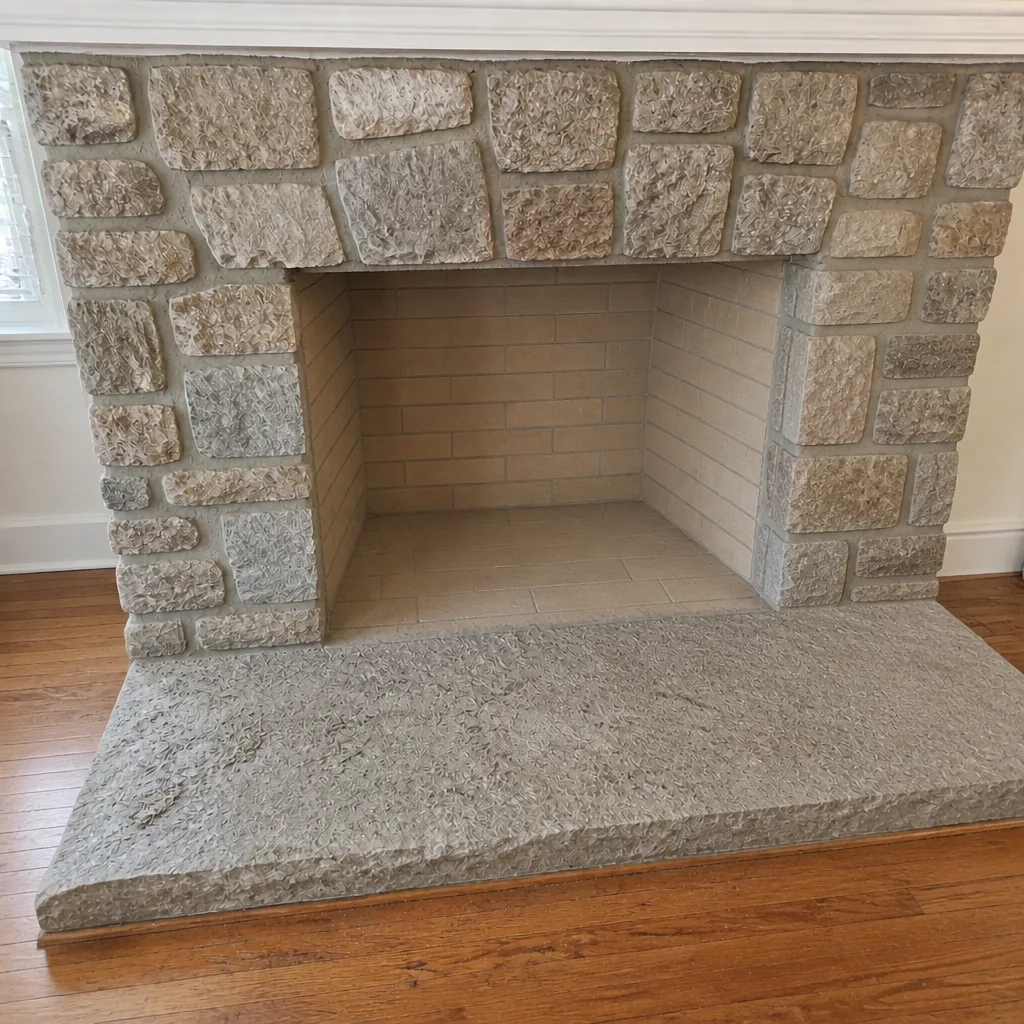
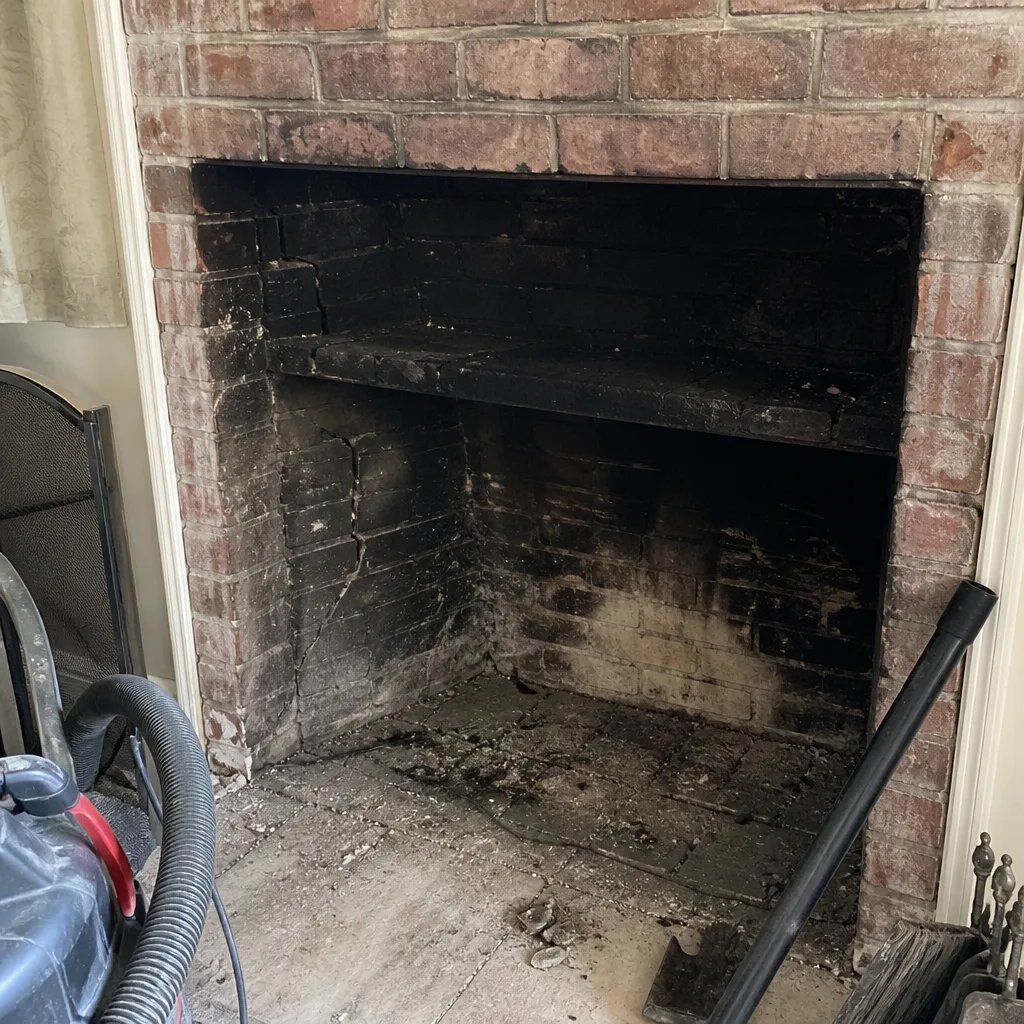
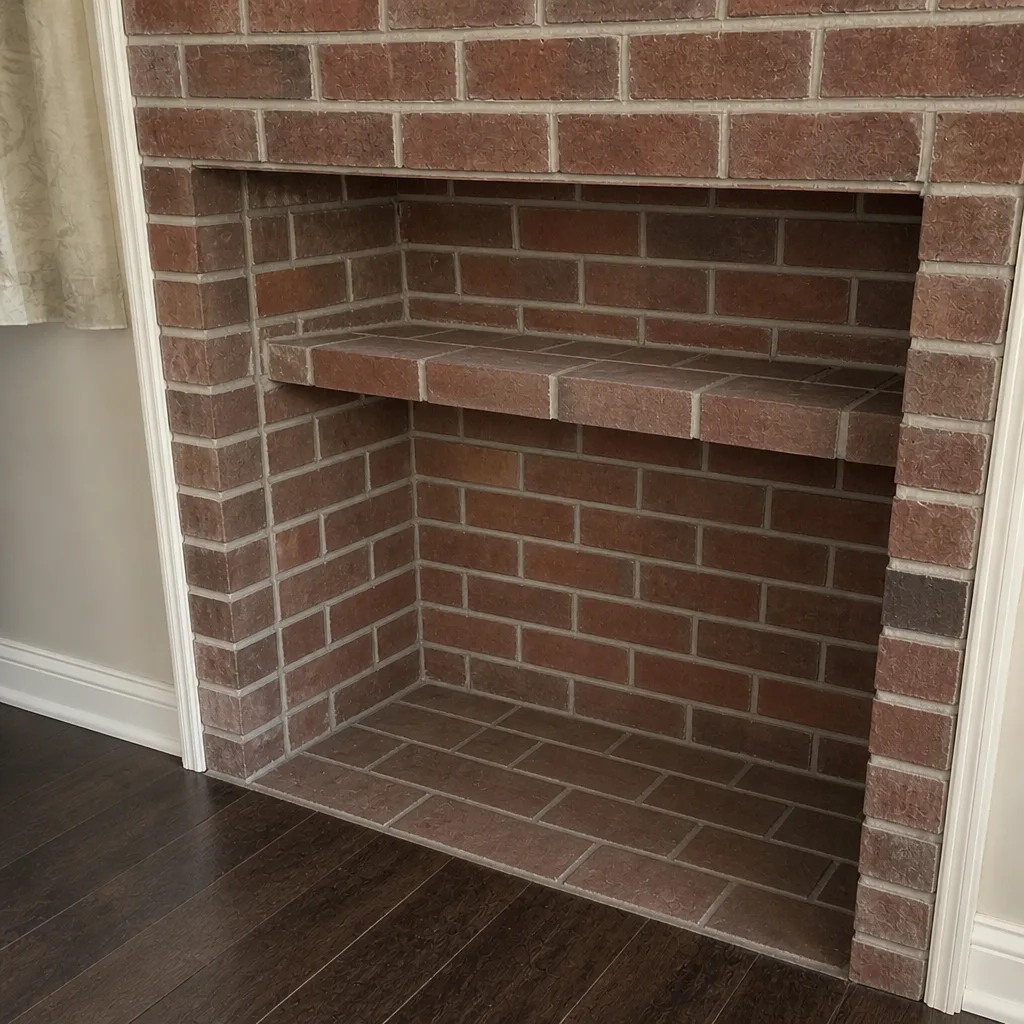
See the difference
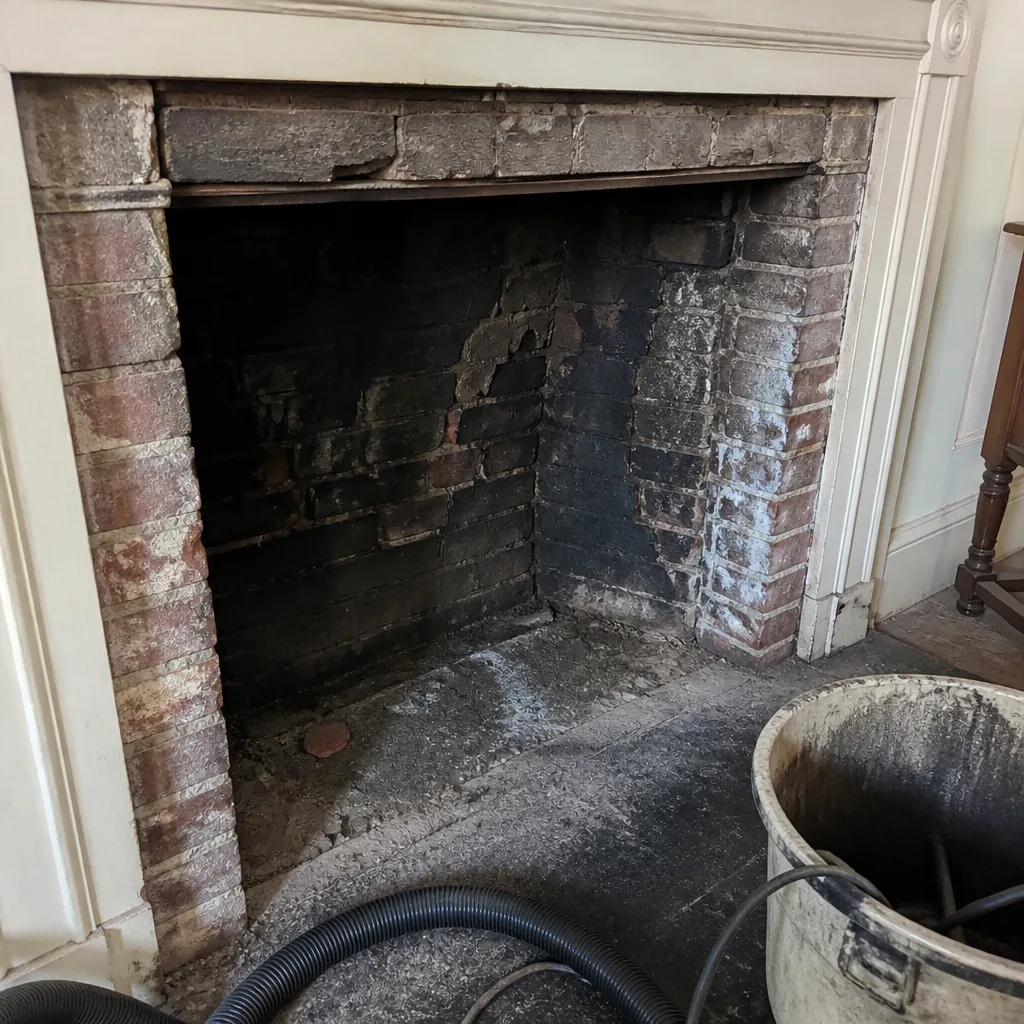 Before
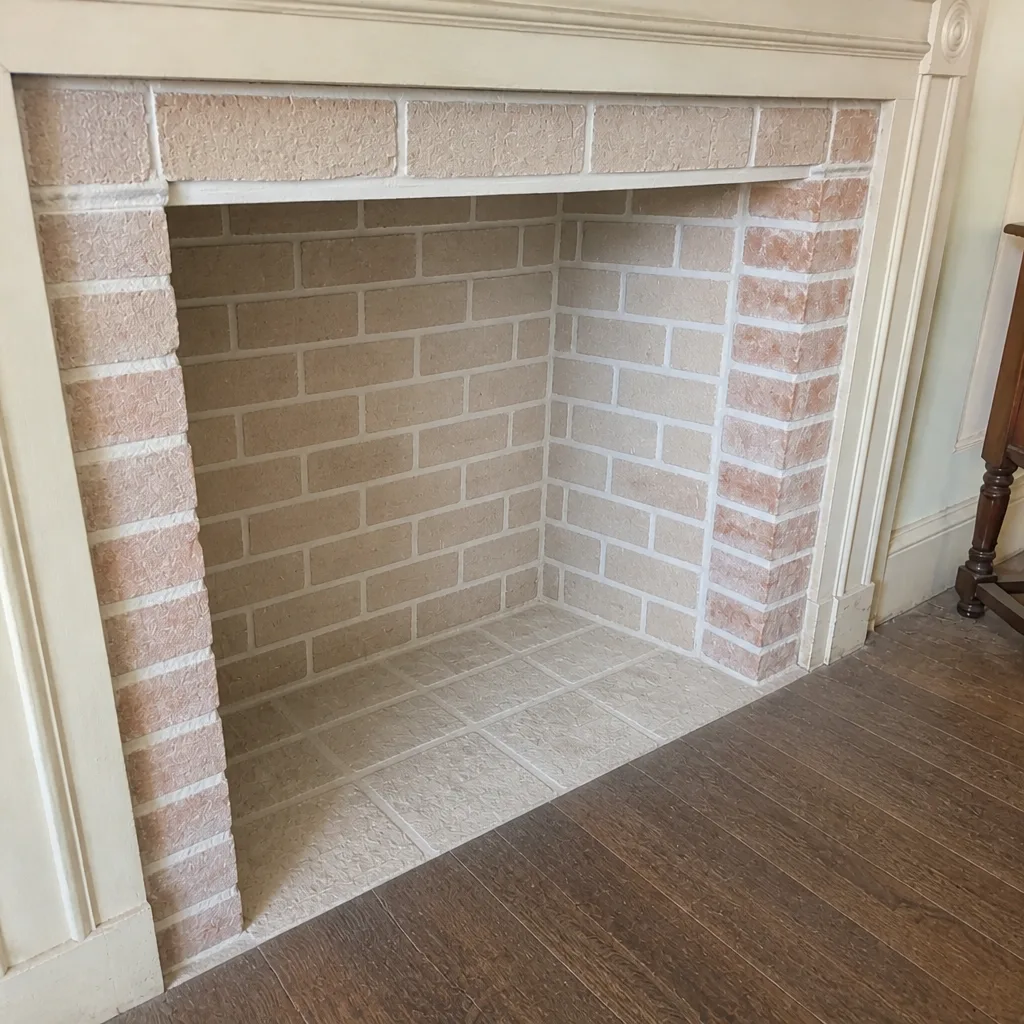 After
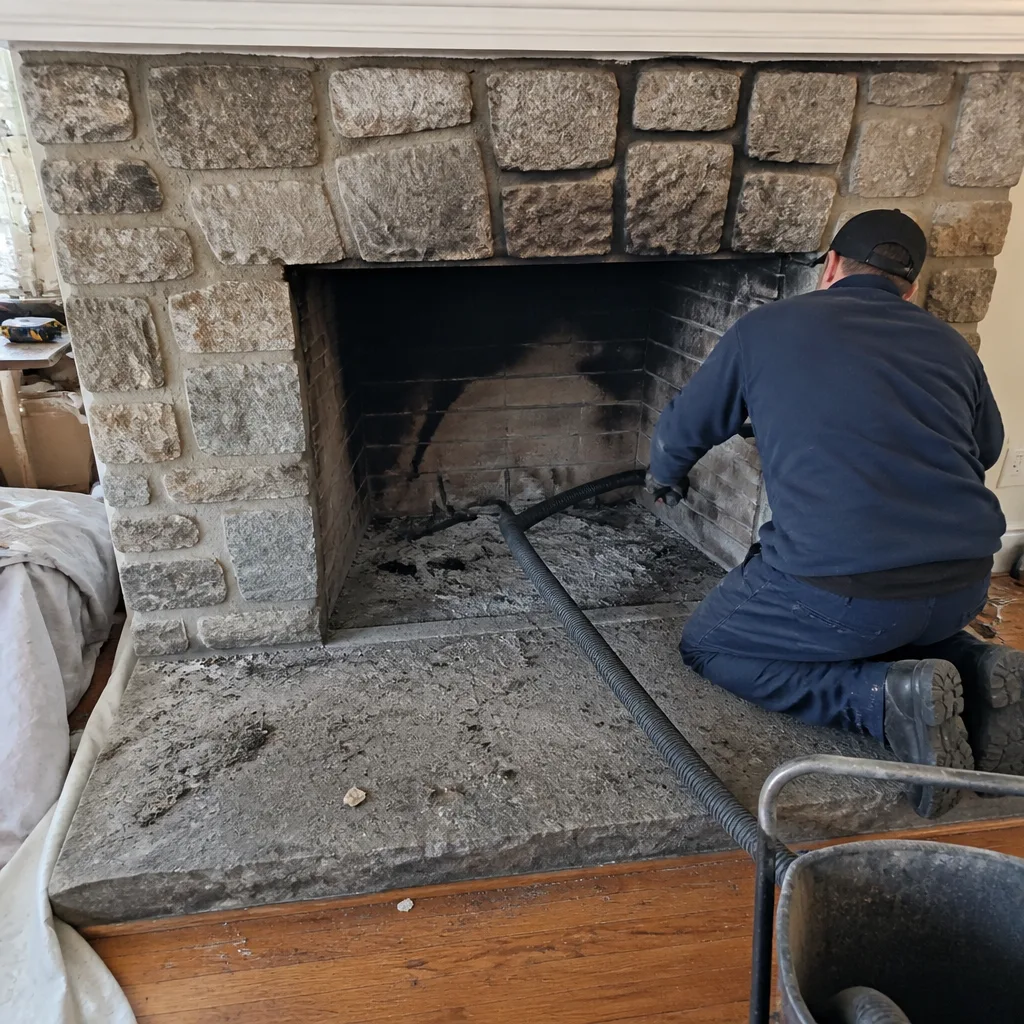 Before
 After
 Before
 After
When to Call a Professional
Some maintenance items belong on a calendar. Some need a phone call. Call us if you see glazed or hardened creosote in the flue, if the damper won’t seat or open fully, if you’ve noticed a smoky smell in the house on warm days, if the crown has visible cracks or spalling, or if you haven’t had the chimney inspected in more than a year and you’ve been burning heavily. Also call if you’re buying a house in New Bedford and want an independent assessment before closing – a pre-purchase inspection is one of the more useful ones we run.
Chimney Sweep New Bedford offers free estimates in New Bedford – call (877) 845-1880. We answer 24/7. Fast dispatch, 7am-7pm. Our technicians have up to 10 years of experience, and we work with DuraFlex, HeatShield, Gelco, Olympia Chimney, Famco, and Copperfield. The estimate is free, and the price is set per job by the written estimate.
For homeowners in the broader city who want to see the scope of what we offer, our New Bedford page covers how the three services fit together: sweep, repair, and inspection, in one calendar.
Frequently Asked Questions
Once a year is the baseline for most homes, but the frequency should track the amount of wood burned and the quality of the fire. If you burn three or more cords per season, a mid-season sweep in addition to the post-season sweep is a safer cadence. The annual sweep is the minimum, not the whole schedule.
Late spring, after the last fire of the season, is the right time for the main sweep. That’s when creosote is at its seasonal peak and the inspection that goes with the sweep catches the winter damage while it’s fresh. Scheduling a sweep in September before the first fire is fine, but it’s an inspection-led visit, not the same job.
Usually not. Most masonry sealers require a warm, dry surface to bond correctly, and November in this part of Massachusetts doesn’t reliably offer those conditions. If the crown hasn’t been waterproofed by late summer, plan for the following spring rather than applying a sealer into a marginal window. The correct application window is late spring through mid-summer.
A sweep cleans the flue. An inspection evaluates the condition of the flue, the damper, the firebox, the crown, and the cap. They are often done together, but they are separate jobs with different purposes. A sweep without an inspection tells you the flue is clean; an inspection tells you what shape it’s in.
A camera inspection is the only reliable way to know. If the damage is to the liner surface, HeatShield ceramic resurfacing is often an option that avoids a full replacement. If the liner is structurally compromised, a full reline with a DuraFlex system is the appropriate route. The decision comes out of the inspection, not from a visual look from the firebox.
Open the damper and look up into the smoke chamber with a flashlight. You’re checking for visible debris – leaves, nesting material, anything that has collected over the summer – and confirming the damper opens and closes properly. It takes two minutes and catches many of the problems that would otherwise turn into urgent calls in October. Don’t reach into the flue; just look.
The Bottom Line
A chimney maintenance schedule is a calendar, not a single appointment. September establishes the baseline before the first fire. The sweep is timed to cord count, not to a fixed date. March catches the winter damage while it’s fresh. Summer is the repair and waterproofing window, and it closes before November. Clay tile, stainless steel, and the crown each run on their own inspection cadence, and the crown is the one that fails silently. The pre-season damper and smoke chamber check is the cheapest prevention on the whole list. Get the sequence right, and the expensive repair stays off your list. Get it wrong, and a small fix becomes a rebuild you didn’t plan for.
Ready to put the calendar in place? Chimney Sweep New Bedford offers free estimates in New Bedford – call (877) 845-1880. We answer 24/7. Fast dispatch, 7am-7pm. Estimates are free, and the price is set per job by the written estimate.
Written by the team at Chimney Sweep New Bedford.