
Last updated November 15, 2026
 Sweep & inspection
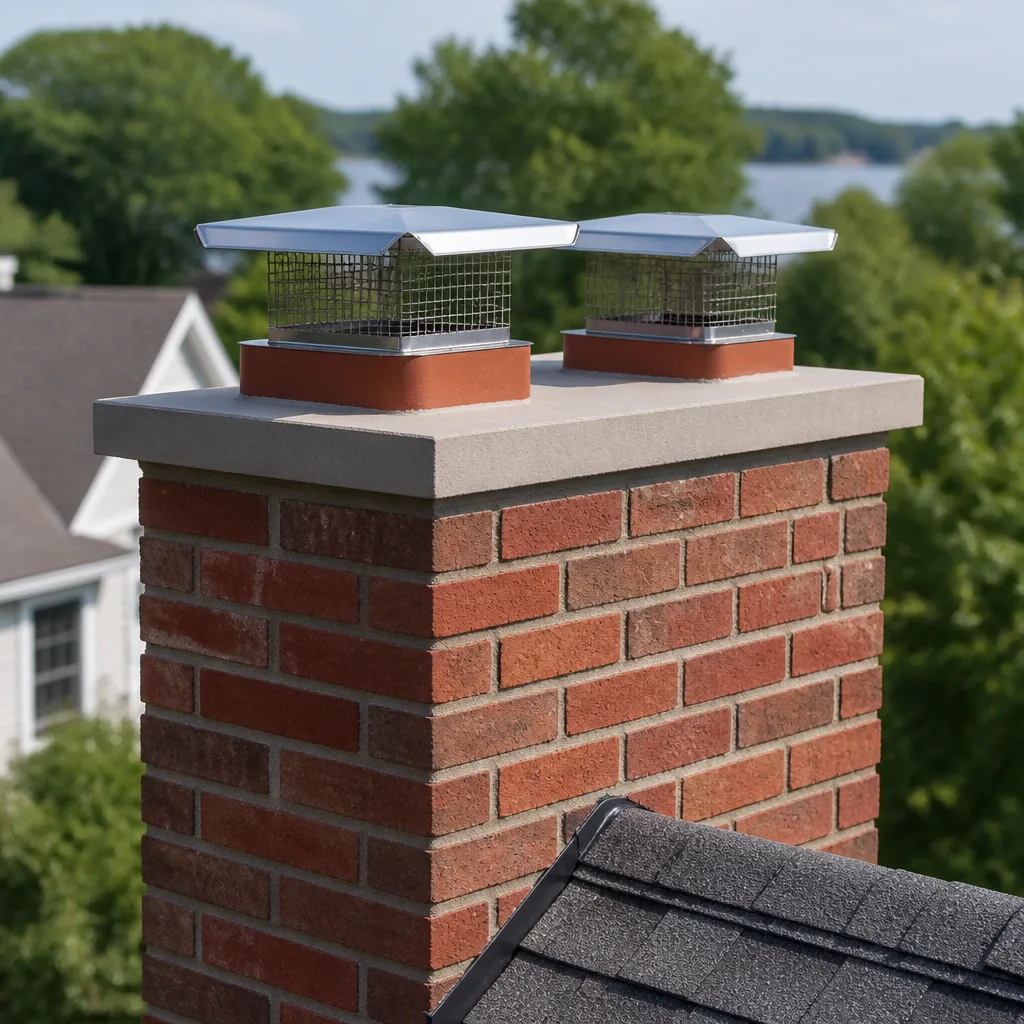 Caps & crowns
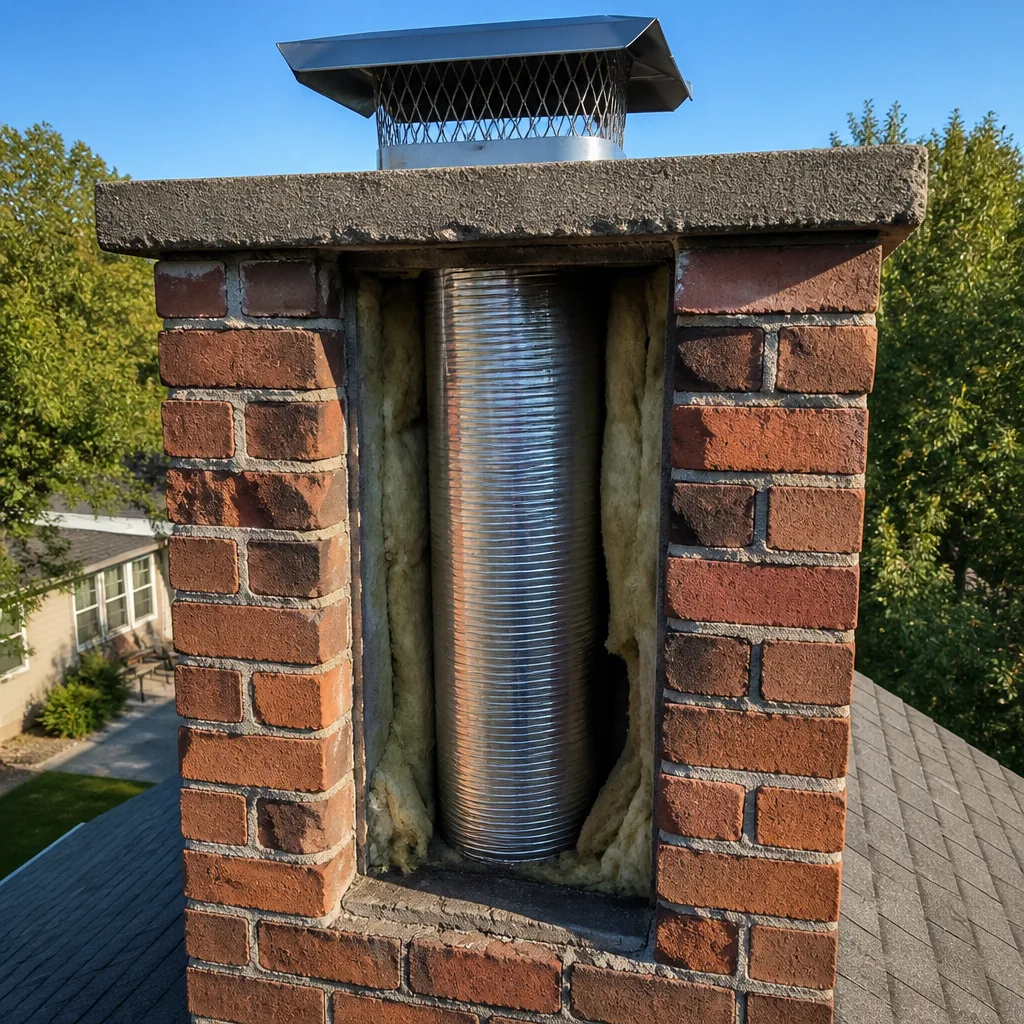 Flue relining
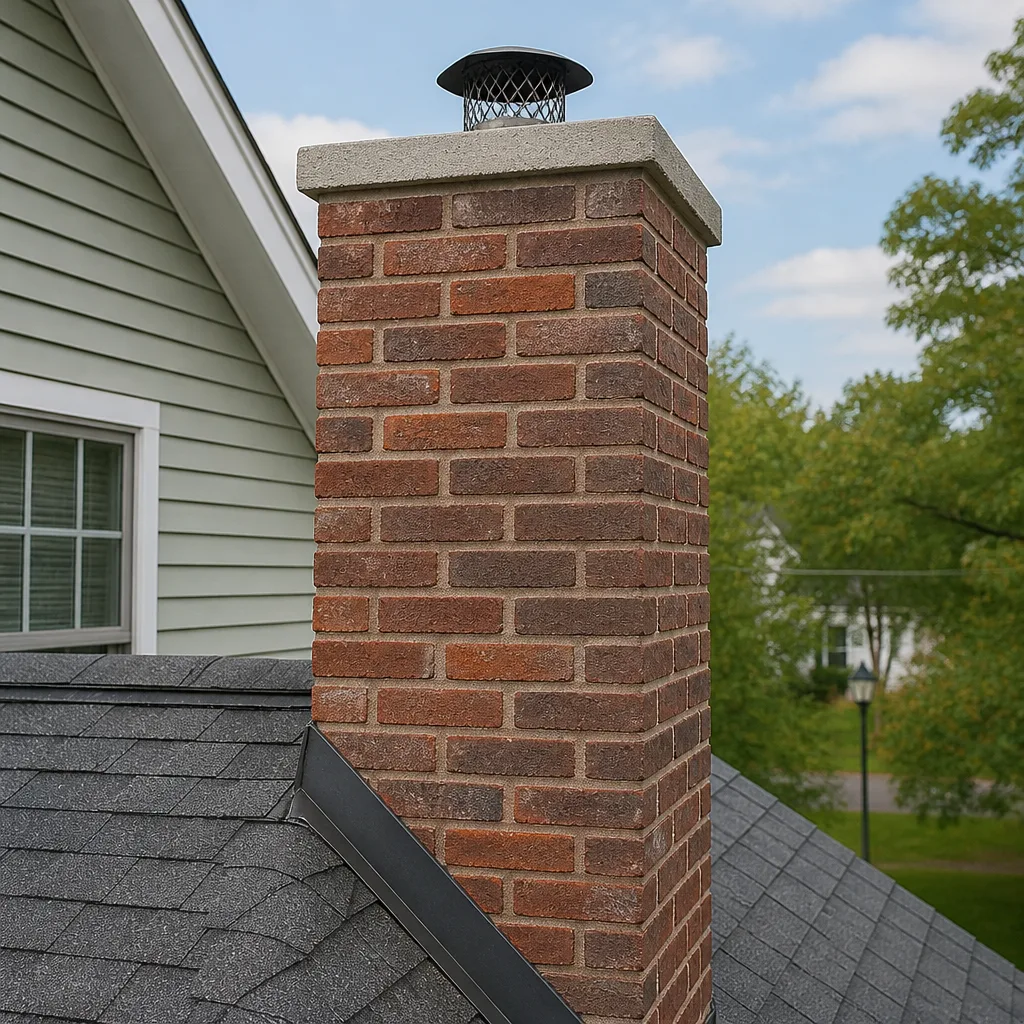 Masonry repair
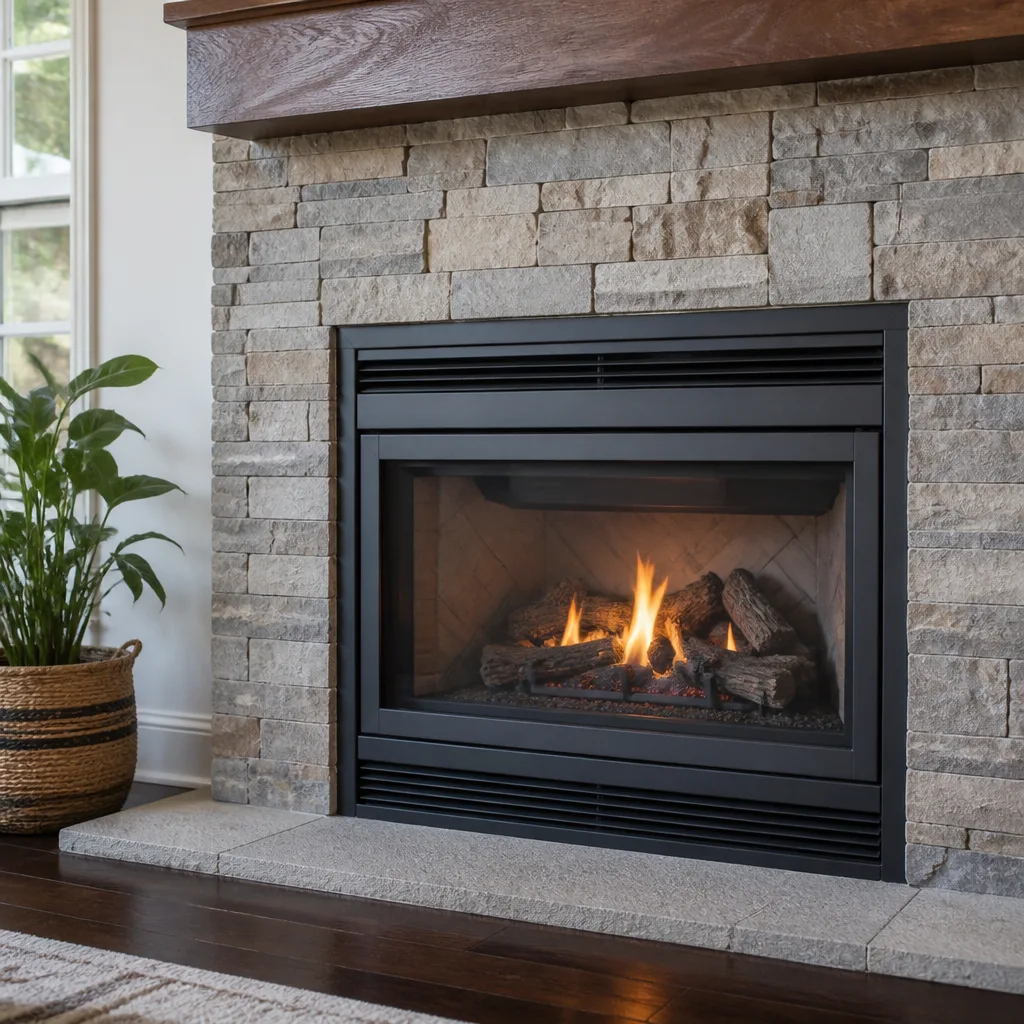 Gas fireplace service
Level 1 sweep and inspection to the NFPA 211 annual standard - flue, crown, cap, and flashing checked and photographed
Chimney sweep logs do not sweep chimneys. They loosen some creosote - which then falls where a brush and vacuum still have to collect it.
Choosing the Right Chimney Cleaning Brand: A Buyer’s Guide for New Bedford
There’s no FDA for chimney products. A contractor can apply any sealant, call it “professional grade,” and you’d have no way to know the difference until it fails two winters later. That’s the uncomfortable truth behind most chimney work in New Bedford: the labor looks the same whether the materials are legitimate or diluted, and the failure shows up long after the check clears. This guide names the standards that separate professional-grade products from retail equivalents, explains how to ask a contractor what they’re applying, and gives you the questions that expose a bad answer. By the end, you’ll know exactly what to verify before anyone touches your flue.
Quick Answer
The right chimney cleaning brand is the one your contractor can name, verify against manufacturer specifications, and justify for your specific flue. Professional-grade products from established manufacturers like HeatShield, Gelco, Olympia Chimney, and Famco carry documented performance standards that retail sealants and generic components don’t. Ask any New Bedford chimney professional which products they use, why, and where you can read the spec sheet. If they can’t answer all three, keep looking.
Styles & brands we work with
- Sweep & inspection
- Caps & crowns
- Flue relining
- Masonry repair
- Gas fireplace service
Table of Contents
- Why the Brand of Chimney Products Actually Matters
- The Product Lines Certified Chimney Professionals Use
- How to Ask a Contractor What They’re Using (and Verify It)
- Silicone vs. Water-Based Chimney Sealants: What’s the Difference?
- Chemical Creosote Removers: Supplement, Not Substitute
- Red Flags in Product Selection
- What New Bedford Homeowners Should Know About Their Flues
- How the Local New Bedford Market Affects Your Choice
Why the Brand of Chimney Products Actually Matters
Chimney products live in one of the harshest environments in a house. A flue cycles between hundreds of degrees and cold ambient air, collects acidic condensate, and takes on moisture from rain and snow. A sealant that looked fine on the shelf can crack within a season under those conditions. This is why professional-grade materials exist at all, and why the brand name on the tube is a real signal rather than marketing decoration.
Take sealants. A generic masonry sealant bought off a hardware shelf at a New Bedford big-box store is formulated for broad consumer use and broad tolerances. A product made specifically for chimney crown and masonry work is formulated for thermal movement, vapor transmission, and adhesion to firebox and crown surfaces. Those differences are measurable in a lab and visible on a chimney after a few freeze-thaw cycles.
The same holds for liner systems. A flexible stainless liner from a manufacturer like Olympia Chimney is tested to specific temperature and corrosion standards. An unbranded liner from an unknown source might meet those standards and might not, and there’s no realistic way for a homeowner to verify it once it’s sealed inside the flue. That’s the gap this guide exists to close.
We specify materials by name because what goes into your chimney matters. When we show up to a home in New Bedford, the products on the truck are ones we can name, source, and stand behind. Our technicians have up to 10 years of experience, and that experience is built around knowing which product fits which job rather than grabbing whatever’s closest.
The Product Lines Certified Chimney Professionals Use
There’s no single official registry of “approved” chimney products, but there is a short list of manufacturers whose materials show up repeatedly in professional work across the country. These aren’t the only legitimate products, but they’re the ones with a public track record you can actually research.
- HeatShield – A ceramic-based resurfacing system for repairing damaged flue tiles without a full rebuild. It’s poured and shaped to the existing flue, then cured. The key point: it repairs liner damage that would otherwise require relining or rebuilding. It’s a brand with a documented application process and a spec sheet you can request.
- Olympia Chimney – Known for flexible and rigid stainless liner systems, chimney caps, and venting components. Their liner products are tested to temperature and corrosion standards that matter for wood, gas, and oil appliances.
- Gelco – A line of chimney caps, covers, and top-sealing dampers. These are the finished details that keep water, animals, and downdraft out of the flue. Cheap caps fail at the fasteners and the seams first, which is why the brand matters.
- Famco – Another established name in chimney caps, ventilation, and fitting components. Known for durable construction on the accessories that finish the job.
- DuraFlex – Flexible stainless liner systems used for full relining jobs on older or damaged flues. A full reline is a major scope of work, and the product behind it determines how long it lasts.
- Copperfield – Chimney and fireplace accessories with a reputation for solid metal construction and dependable fit.
We work with all six of these lines, which is unusual in a generalist trade where a contractor might use a single supply-house brand across every job. When we quote a chimney repair in New Bedford, we’re choosing from a roster that includes products specifically made for the work, not adapting a general-purpose material.
Chemicals are a different category, which this guide covers below. Products like Rutland and ChimneySaver are common brands in the professional market, and both make legitimately useful creosote treatments and masonry sealers. The point isn’t brand loyalty; it’s that the manufacturer’s spec sheet tells you exactly what conditions the product is rated for. That’s the standard you want your contractor to meet.
How to Ask a Contractor What They’re Using (and Verify It)
Most homeowners never ask. They ask about price and schedule, and the products go unexamined. That’s a gap you can close in about five minutes of conversation. The questions below are the ones to ask before any work begins, and the answers are the ones you should be able to verify.
- Which products are you using on this specific job, and why these? A professional will name them and explain the fit. If the answer is “a high-quality sealant” with no name, ask for the brand.
- Can you show me the manufacturer’s spec sheet or product data sheet? Every legitimate manufacturer publishes one. HeatShield, Olympia Chimney, and Gelco all maintain product literature. If the contractor can’t point you to it, they either don’t know the product or don’t want you to look.
- What’s the rated temperature and application condition? Sealants and liners have rated ranges. A sealant rated for a metal crown isn’t the right product for a masonry crown in a New Bedford freeze-thaw cycle. The spec sheet tells you.
- Is this product available to retail buyers, or professional-only? Some products are pro-supply only. That’s not automatically a green flag, but it means the manufacturer sells to installers who’ve been vetted.
- What happens if the product fails within the expected lifespan? Ask what recourse exists. A contractor who can’t answer that either didn’t think about it or hopes you don’t.
Verification matters because a confident-sounding answer is not the same as a true one. Cross-check the product name against the manufacturer’s site. If the spec sheet is easy to find and matches what the contractor said, you’re dealing with someone who takes materials seriously. If the brand doesn’t exist, has no product literature, or only appears on directory sites, treat that as a real warning.
The chimney sweep you hire isn’t just cleaning. They’re the person assessing whether your flue is safe for the next season. That judgment only makes sense if the materials behind it are sound.
Silicone vs. Water-Based Chimney Sealants: What’s the Difference?
Silicone-based and water-based sealants are not interchangeable. They work differently, last differently, and belong on different parts of a chimney. Knowing which one your contractor is proposing, and why, tells you a lot about whether they understand the application.
Silicone-based sealants are typically used for masonry and crown work. They form a durable, flexible film that resists water penetration and tolerates the thermal movement of a chimney. Vapor transmission is the catch: a fully vapor-tight sealant can trap moisture inside masonry, and trapped moisture freezes and spalls. Good silicone chimney products are formulated for breathability. That’s a spec-sheet question, not something you can tell by looking at the tube.
Water-based sealants are typically used in interior applications and on surfaces where a lower-odor, lower-fume application matters. They’re also used for color-matched finishes and for products where a specific appearance is required. The tradeoff is longevity, which varies by formulation and application condition.
The New Bedford climate gives the choice consequence. Our winters bring repeated freeze-thaw cycles, and a crown or masonry surface that takes on water and then freezes will crack. That’s why application conditions and product specification matter more here than in a mild climate.
- Masonry crown and chimney exterior: Silicone-based sealant rated for masonry and thermal movement.
- Firebox and interior repair: Product specified for the temperature and material of the firebox.
- Flue tile resurfacing: HeatShield or a comparable ceramic system, not a coating.
- Decorative or color-matched finishes: Water-based product where the appearance is part of the job.
Ask the contractor which category they’re using and why. If they can’t distinguish between them in conversation, the product on your chimney is probably whatever was left on the truck. We keep the specification conversation on the front end of every job precisely because getting it wrong costs you more later.
Chemical Creosote Removers: Supplement, Not Substitute
A chemical creosote remover is a supplement to mechanical cleaning, never a substitute for it. That’s the single most important thing to understand about creosote products. They loosen and modify deposits so a sweep can remove them more thoroughly, but they don’t replace the brush, the rods, and the inspection that follows.
The creosote that causes chimney fires is glazed and hard, and it bonds to flue tile. Mechanical sweeping removes what the brush can reach. A legitimate chemical treatment softens the glaze so the brush can do its work, or in some cases drops the deposit off the tile over time. Rutland makes creosote treatment products that are widely used in professional work, and ChimneySaver is a name you’ll see on sealers and treatments. The key distinction is between products sold as a proper treatment and products sold as a “self-cleaning log” that promises you can skip the sweep.
There’s no legitimate product on the market that safely burns away significant glazed creosote on its own. A chemical treatment is a support step, and any contractor who frames it as a replacement for mechanical cleaning is telling you something important about how they work.
The sequence that makes sense:
- An inspection confirms the deposit type and thickness.
- A treatment is applied if the deposit warrants it.
- Time passes per the manufacturer’s specification.
- A mechanical sweep removes the loosened material.
- A camera inspection or visual recheck confirms the flue is clear.
That’s the process a New Bedford chimney professional should be able to describe back to you in plain language. If the answer is “we just brush it and treat it,” that’s fine. If the answer is “the treatment means you don’t need a sweep,” that’s a problem.
Red Flags in Product Selection
The hard part about chimney products is that failure is slow. A diluted sealant looks like a sealant, and an unbranded liner looks like a liner. The red flags below are the ones that show up in the conversation before any work begins, which is exactly when you want to catch them.
- Diluted concentrations: Some contractors stretch a sealant or treatment by adding solvent or water beyond the manufacturer’s ratio. The issue is that it still cures, just weaker. If a contractor mentions cutting a product, ask for the spec sheet and check the mixing instructions.
- Unbranded components: A cap, damper, or liner with no manufacturer marking is a mystery until it fails. Ask what brand it is and where it’s sourced. If the answer is “our supplier’s house brand,” ask for the spec.
- Contractors who can’t name what they’re applying: This is the biggest one. A chimney specialist who does this work every day knows the products. A generalist who adds chimney work to a twenty-trade list often doesn’t.
- No written estimate with product specifications: A written estimate should specify the materials. If it says “repair chimney” with no product detail, it’s not a real estimate.
- “Professional grade” as a description: It’s a phrase, not a specification. Ask for the brand and the spec sheet.
- Pressure to skip the inspection: A contractor who wants to quote a repair without inspecting the flue is guessing, and you’re paying for the guess.
- Cash-only, no paperwork: Fair pricing comes with documentation. No paperwork means no way to verify a warranty or a product claim.
One more: anyone who offers to do the work without seeing the flue at all. A camera inspection and photo report is standard professional practice, and it’s what lets you verify the recommendation yourself rather than taking it on faith. If a contractor resists showing you what they see, that’s the clearest red flag on the list.
What New Bedford Homeowners Should Know About Their Flues
New Bedford’s housing stock is old, and the chimneys in it have had time to develop specific problems. The city’s older homes often have masonry chimneys built for wood or coal that later served oil, and sometimes gas. Each transition leaves a trace in the flue: a liner sized for a different appliance, a firebox that’s seen decades of cycles, or a crown that’s taken on water long enough to crack.
What that means for product selection is straightforward. A flue that’s been in service for generations is often a candidate for ceramic resurfacing rather than rebuilding, and that’s where a system like HeatShield earns its place in a contractor’s toolkit. It’s also a candidate for relining when the original tile is compromised, which is where a DuraFlex system comes in. The brand question and the scope question are the same question: what product fits a flue like yours, and can the contractor name it.
New Bedford’s winters make the exterior side of the chimney do work that mild climates don’t demand. Crown cracks that would be cosmetic elsewhere take on water, freeze, and widen. Caps that fit loosely let in weather and animals. A quality cap from Gelco or Famco isn’t an upgrade; it’s the part that keeps the interior of the chimney dry between sweepings. When we quote a job in the city, the cap and crown get the same attention as the interior.
New Bedford sits on a mix of neighborhoods with different housing eras, and the flue problems follow the housing. If your home has an older masonry chimney, the inspection matters more than the immediate cleaning, because the inspection is what tells you whether the cleaning is the right first step. A New Bedford chimney specialist who inspects before quoting is doing the job in the right order.
How the Local New Bedford Market Affects Your Choice
Every market has a mix of specialists and generalists, and New Bedford is no different. The distinction that matters for a homeowner isn’t price; it’s scope. A contractor who does chimney work as one of many trades is running a different business than one who only does chimneys. That difference shows up in the products they stock, the questions they can answer, and how quickly they recognize a flue problem that’s outside the scope of a basic sweep.
Our positioning is intentional: we do three things. We sweep, we repair, and we inspect. No dryer vents, no fireplace installation, no unrelated trades. The benefit to you is that the person who shows up has seen thousands of flues and knows the product lines inside out, because that’s the only thing they do. The six brands we work with (HeatShield, Gelco, Olympia Chimney, Famco, DuraFlex, and Copperfield) reflect that focus. We source professional-grade materials because the alternative is a product we can’t stand behind.
How you evaluate any contractor in the city follows the same pattern. Read the written estimate and look for named materials. Ask about the inspection and whether you’ll see the photos. Ask what happens if the recommendation turns out wrong. A specialist with a documented process will answer all three comfortably. A low-bid generalist usually won’t.
That’s the practical value of this guide. It gives you the questions that separate a materials-serious contractor from a contractor who happens to own a brush. If you’re starting with a Chimney Sweep New Bedford consultation, that conversation is the place to ask.
Common Mistakes to Avoid
- Choosing on price alone. The lowest bid usually reflects the lowest-cost materials, and diluted sealant or an unbranded cap fails on its own schedule. Ask what’s in the estimate before you compare the number.
- Never asking which products are used. Most homeowners don’t, which is why the gap persists. A single question about brand names separates the specialists from the generalists in about ten seconds.
- Treating a chemical creosote product as a replacement for sweeping. “Self-cleaning logs” and similar products are supplements at best. The mechanical sweep is still the work, and skipping it leaves glazed creosote in the flue.
- Accepting a repair quote with no inspection. A quote without a camera inspection is a guess about a flue the contractor hasn’t fully seen. Any legitimate repair starts with evidence you can review.
- Ignoring the cap and crown. In New Bedford’s freeze-thaw winters, a cracked crown or a loose cap lets in the water that causes the interior damage. The finishing details matter as much as the liner.
- Assuming a general handyman is a chimney contractor. Chimney work involves high-temperature products and code-relevant assemblies. A handyman who’s never applied a ceramic resurfacing system isn’t equipped for a chimney repair on a compromised flue.
- Not asking for the written estimate details. Materials, scope, and warranty should all appear in writing. A verbal quote with no product names leaves you nothing to verify.
See the difference
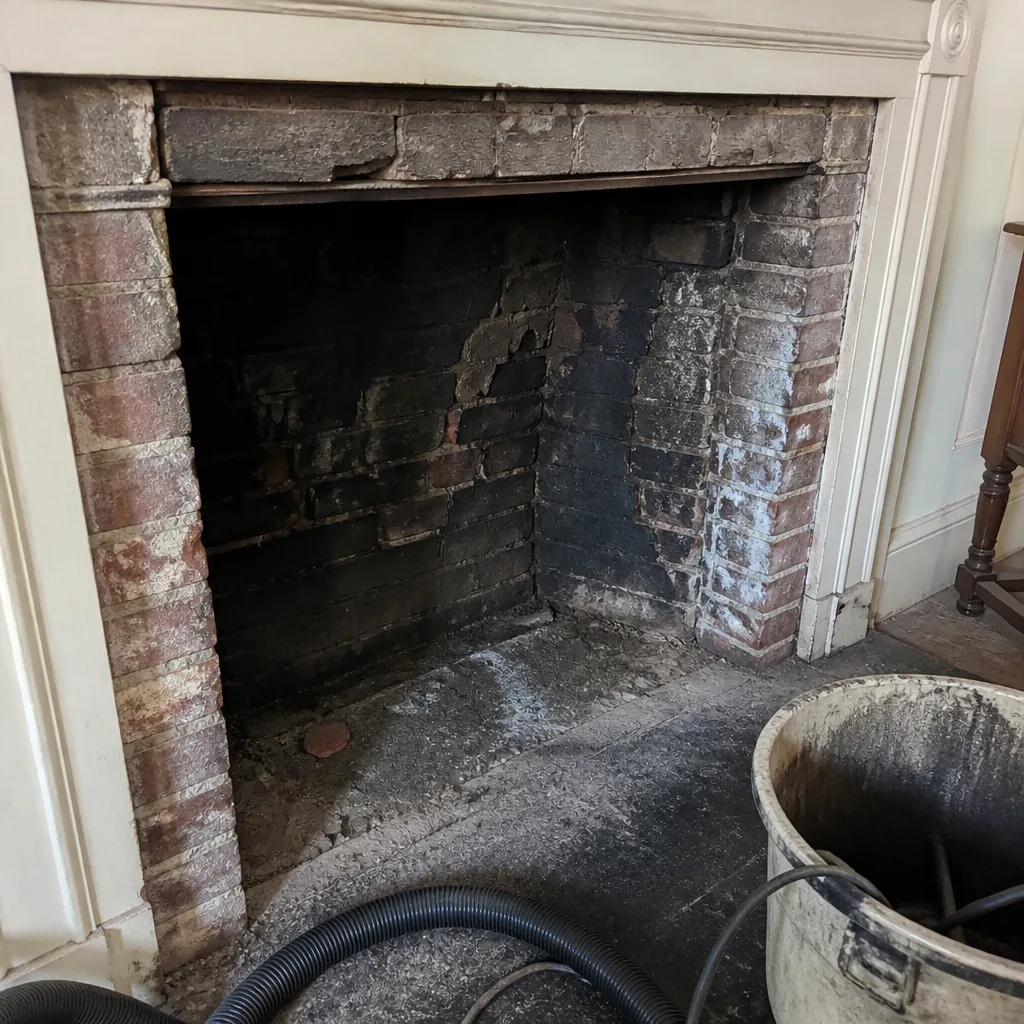 Before
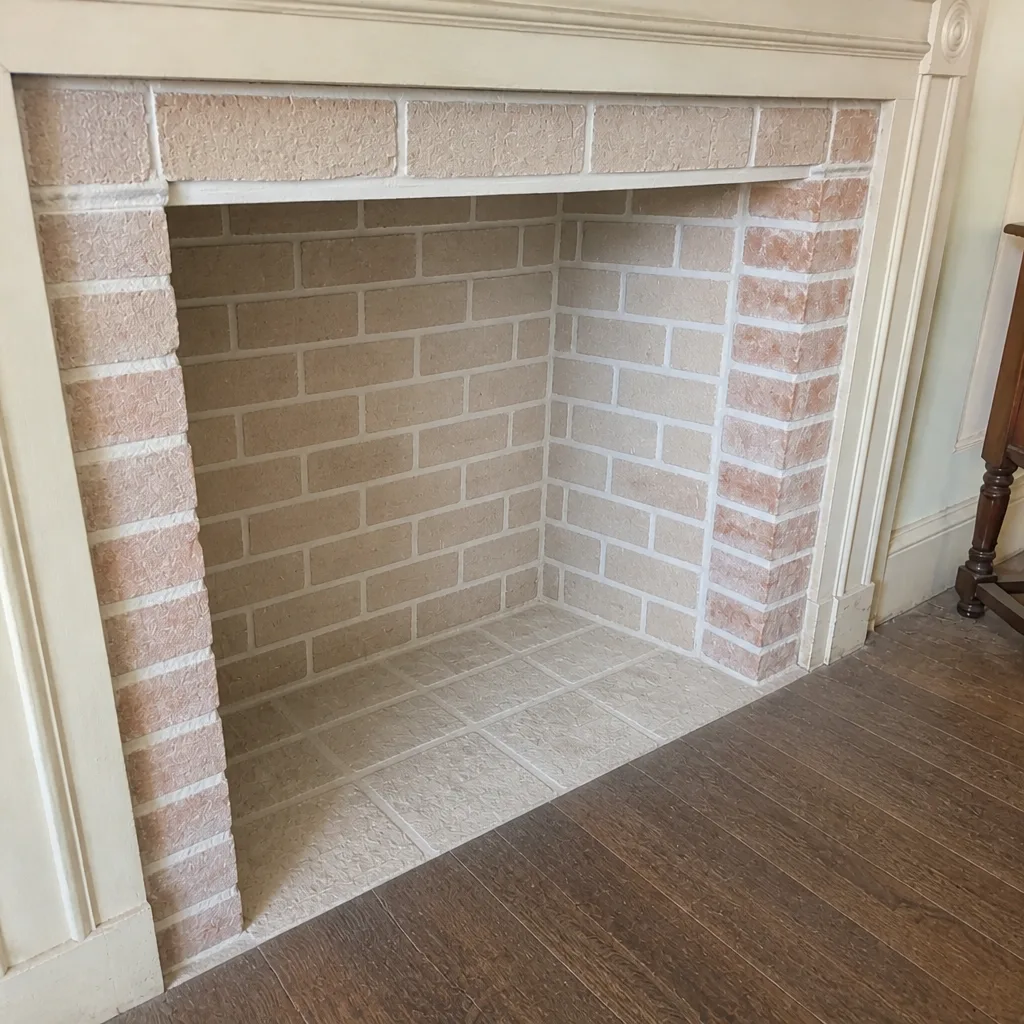 After
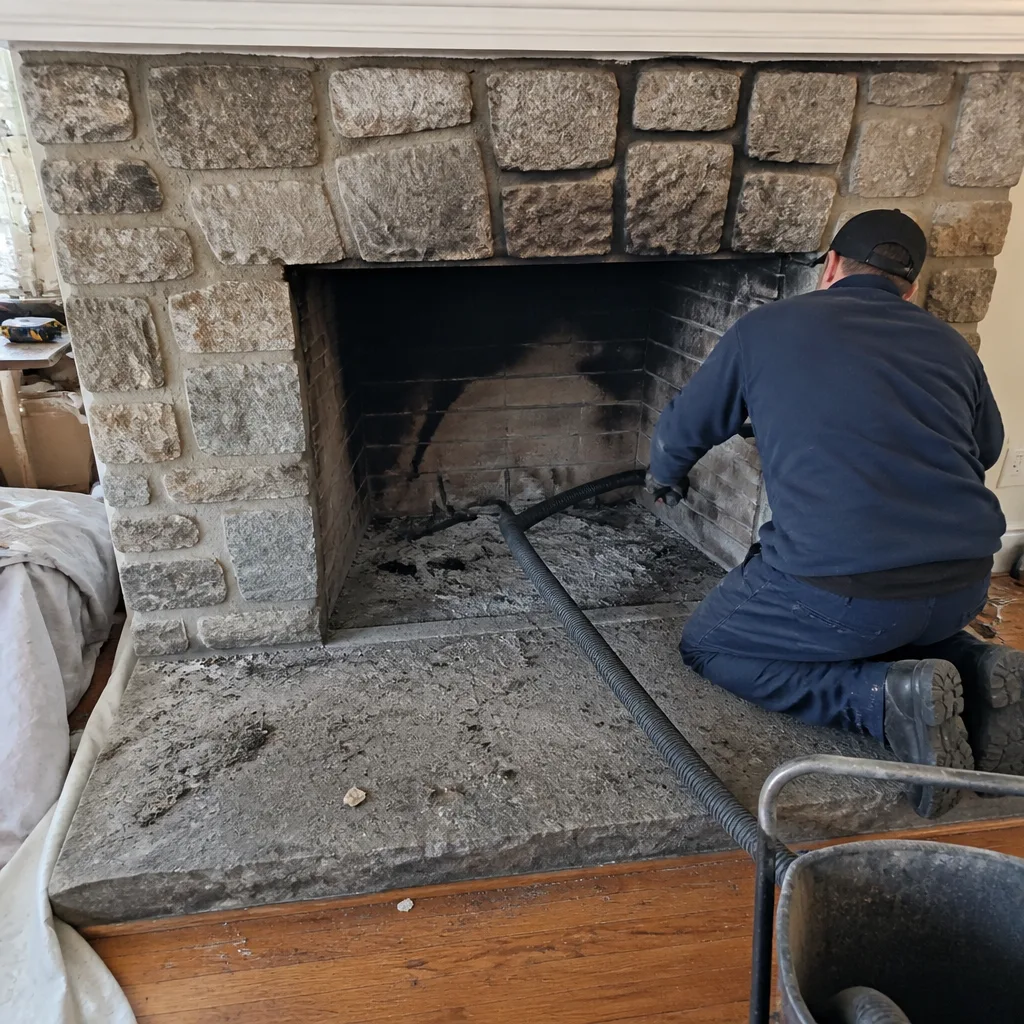 Before
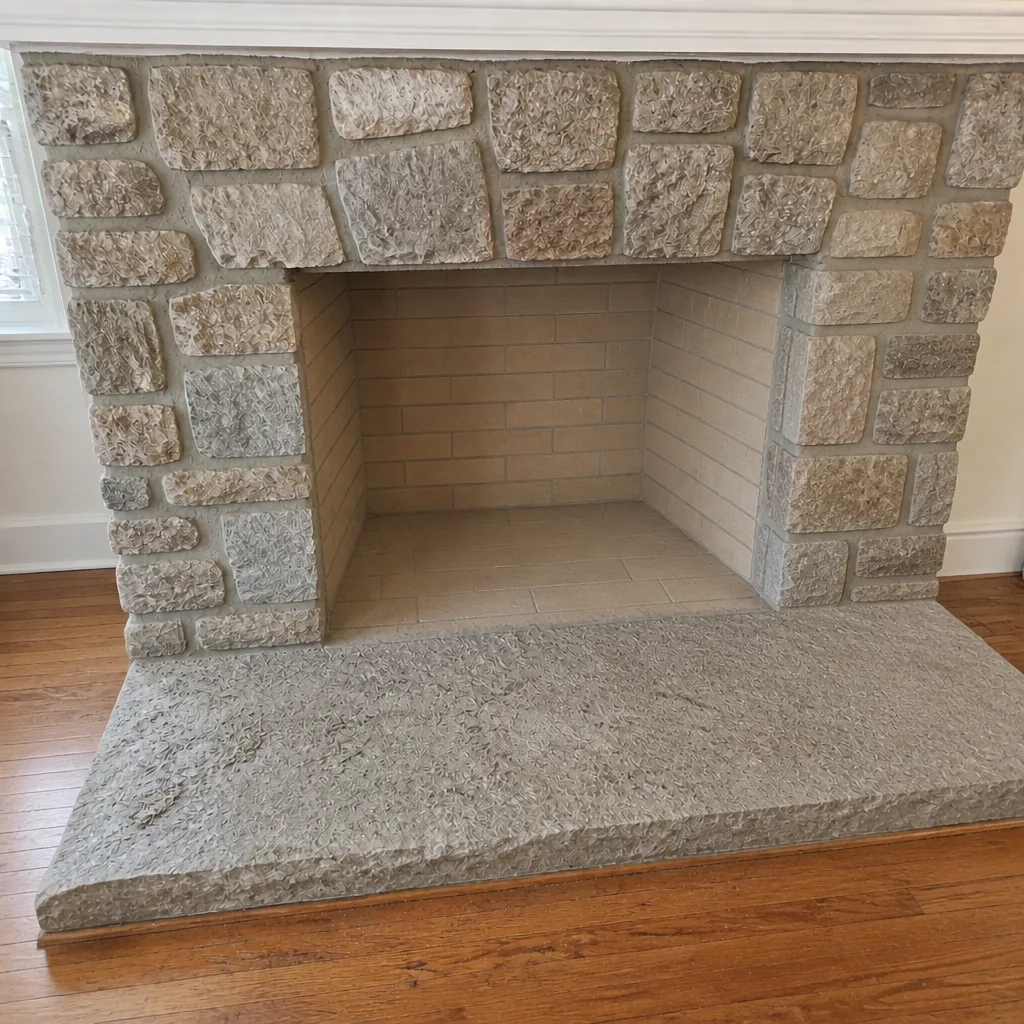 After
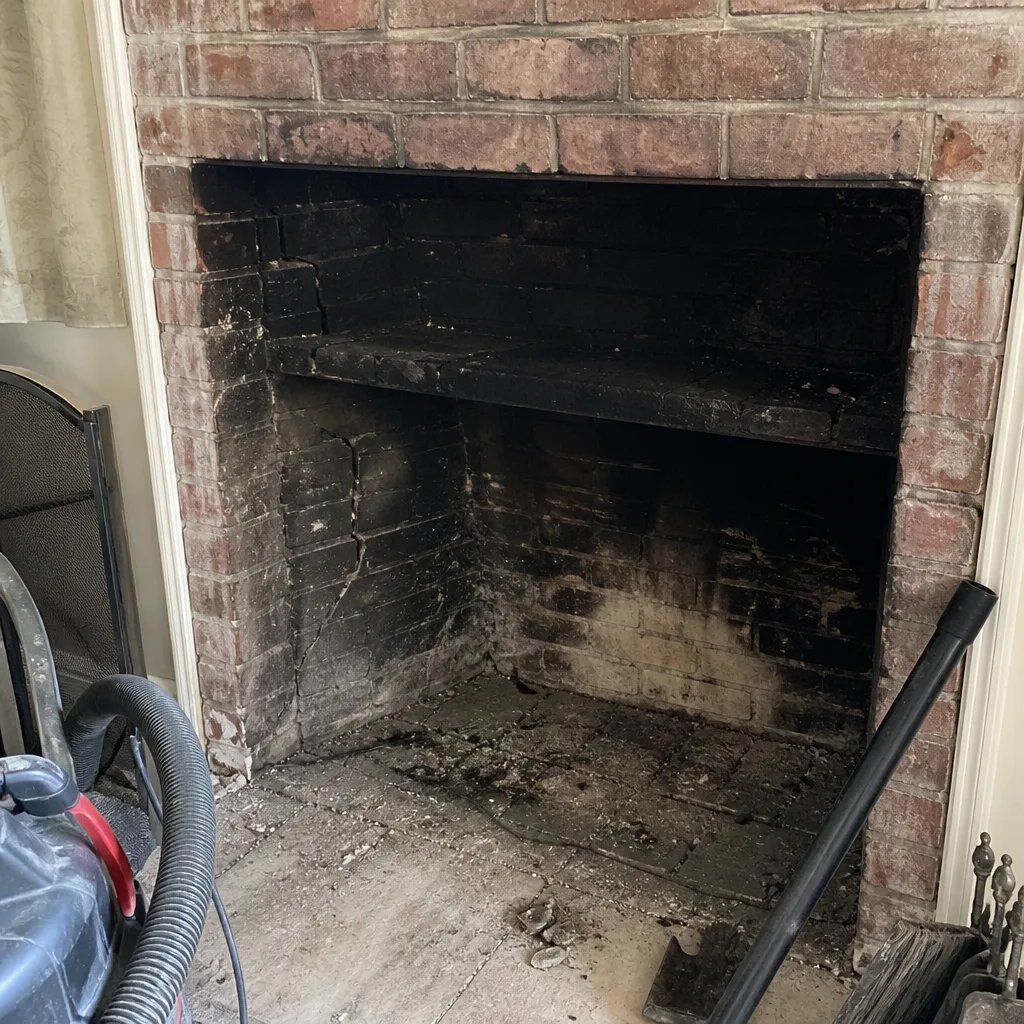 Before
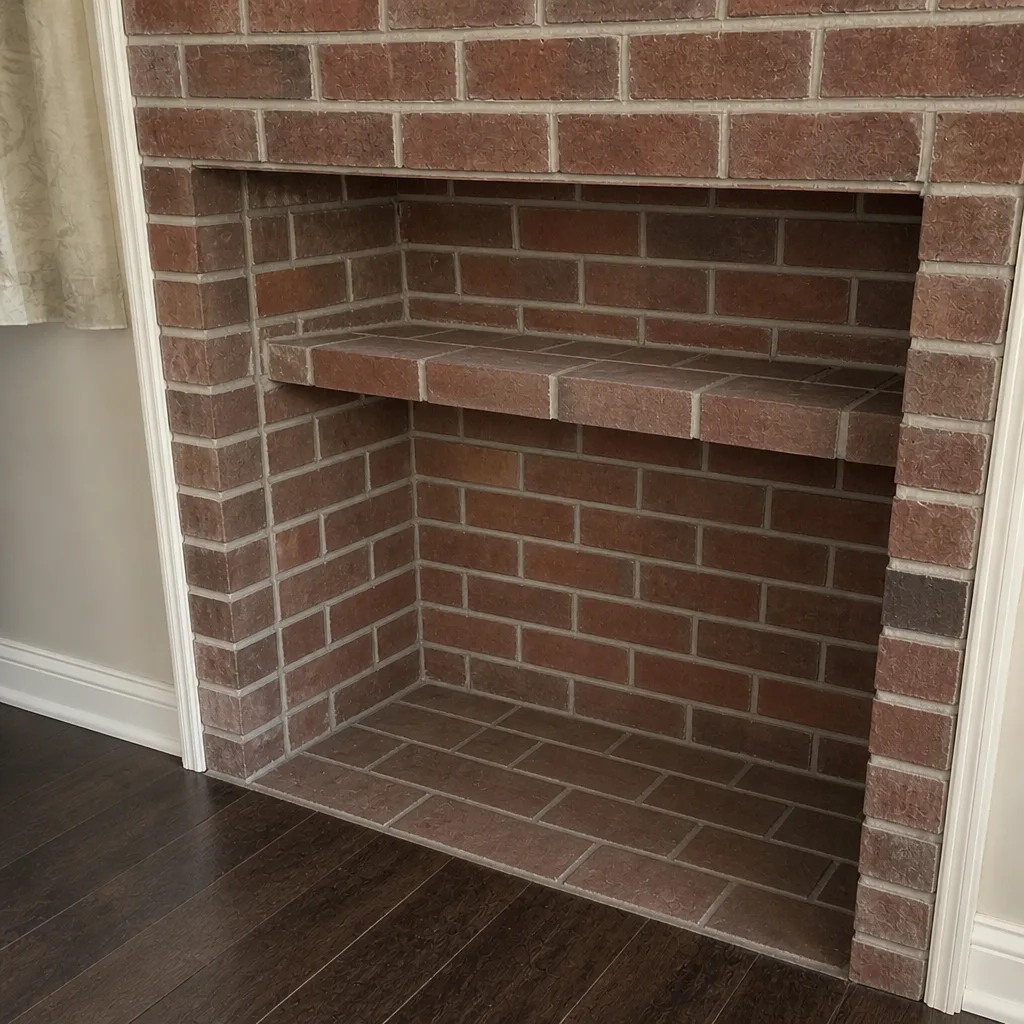 After
When to Call a Professional
Some chimney problems announce themselves, and some don’t. Call a professional when you smell a strong creosote odor in warm weather, when smoke backs into the room on startup, when you see cracked or missing mortar on the crown, or when the flue hasn’t been swept in a season of heavy burning. Call when you’ve changed what you burn (say, moving from oil to wood) and want the flue checked against the new appliance. Call if you’ve had a chimney fire, even a small one, because the flue tile needs inspection afterward. And call if you’re buying a home in New Bedford with an older masonry chimney, because the inspection is the cheapest part of the decision. Chimney Sweep New Bedford offers free estimates in New Bedford. Call (877) 845-1880. We answer 24/7. Fast dispatch from 7am to 7pm, Sunday through Friday.
Frequently Asked Questions
Yes, and the difference shows up over time. Professional-grade sealants and liners are formulated and tested for the thermal and moisture conditions a chimney actually sees, while retail equivalents are formulated for broad consumer use. The brand name tells you which spec sheet applies, and the spec sheet tells you whether the product fits your flue. Call (877) 845-1880 for an exact quote on your chimney.
Yes, and it takes about five minutes. Ask for the brand name and the manufacturer’s product data sheet, then check the manufacturer’s website to confirm the product exists and matches what the contractor described. Legitimate manufacturers like HeatShield, Gelco, Olympia Chimney, and Famco all publish this literature. A contractor who can’t point you to it is the one to worry about.
No. A chemical treatment loosens glazed creosote so the brush can remove it, but the mechanical sweep is still the work. Products like Rutland’s creosote treatments are legitimate supplements when used per the manufacturer’s instructions. Any contractor who claims a chemical product replaces sweeping is telling you something important about their approach.
Silicone-based sealants are typically used on masonry and crowns for water resistance and thermal flexibility. Water-based products are used where lower odor, color matching, or a specific finish matters. The right choice depends on the surface and the condition, which is why the spec sheet matters more than the label. Ask which category your contractor is proposing and why.
A written estimate should name the products being used, describe the scope of the work, and state what happens if the product fails. It should also reference the inspection that justifies the recommendation. Without named materials, you have nothing to compare or verify. Call (877) 845-1880 and we’ll walk you through what goes into ours.
Our freeze-thaw cycles put masonry and crowns through repeated expansion and contraction, which is why vapor-transmitting sealants and properly fitted caps matter here. A product rated for a mild climate may not hold up through a New Bedford winter. The local conditions are the reason the specification conversation is worth having on every job.
The Bottom Line
The brand of chimney product matters because failure is slow and invisible until it isn’t. Ask which products are being used, ask for the spec sheet, and cross-check the answer. Professional-grade materials from established manufacturers carry documented standards that retail and unbranded products don’t, and that standard is the difference between a repair that lasts and one that doesn’t. A specialist who can name their materials, show you the inspection, and explain the choice is the one to hire. That’s the standard we hold ourselves to in New Bedford, and it’s the one you should expect from anyone working on your flue.
We’re happy to walk you through the products we use and why. Call (877) 845-1880 for a free estimate. We answer 24/7. Fast dispatch from 7am to 7pm, Sunday through Friday.
Written by the team at Chimney Sweep New Bedford.