
Last updated November 15, 2026
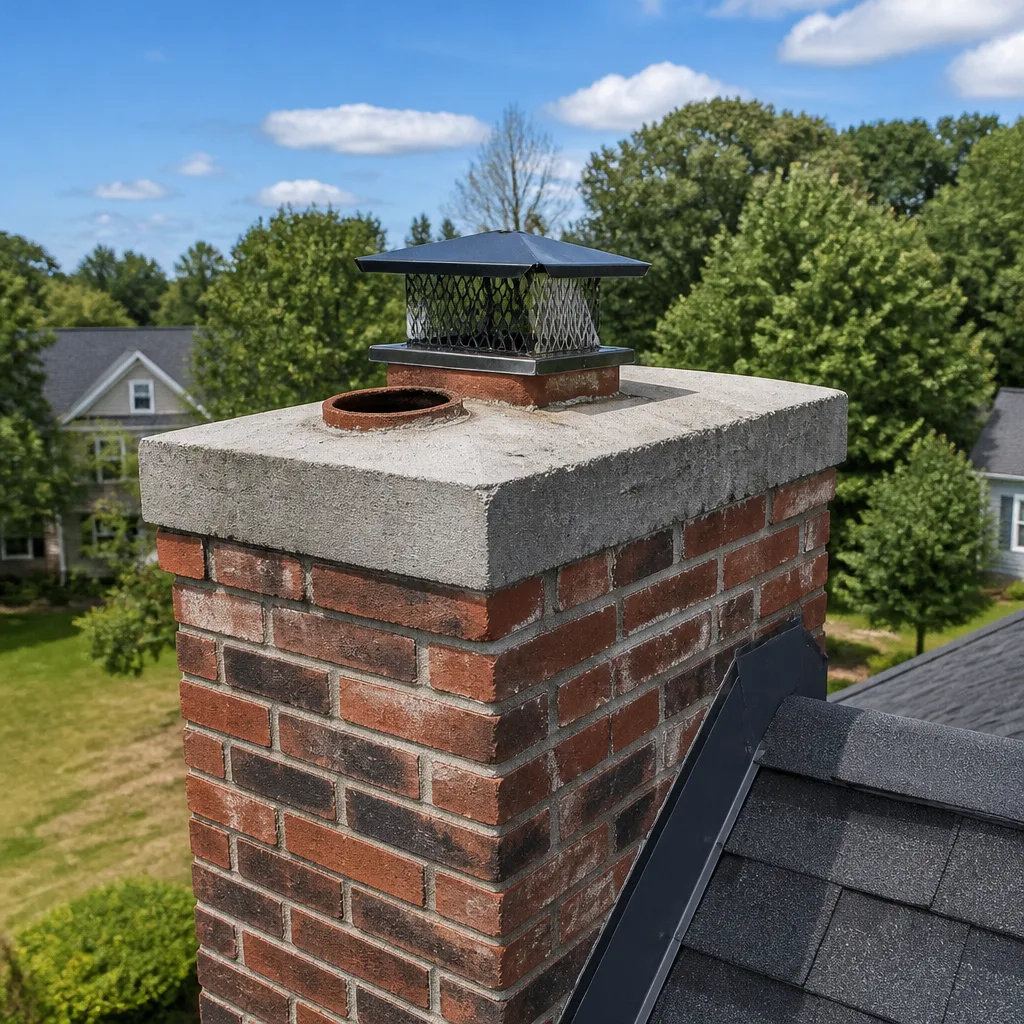 Sweep & inspection
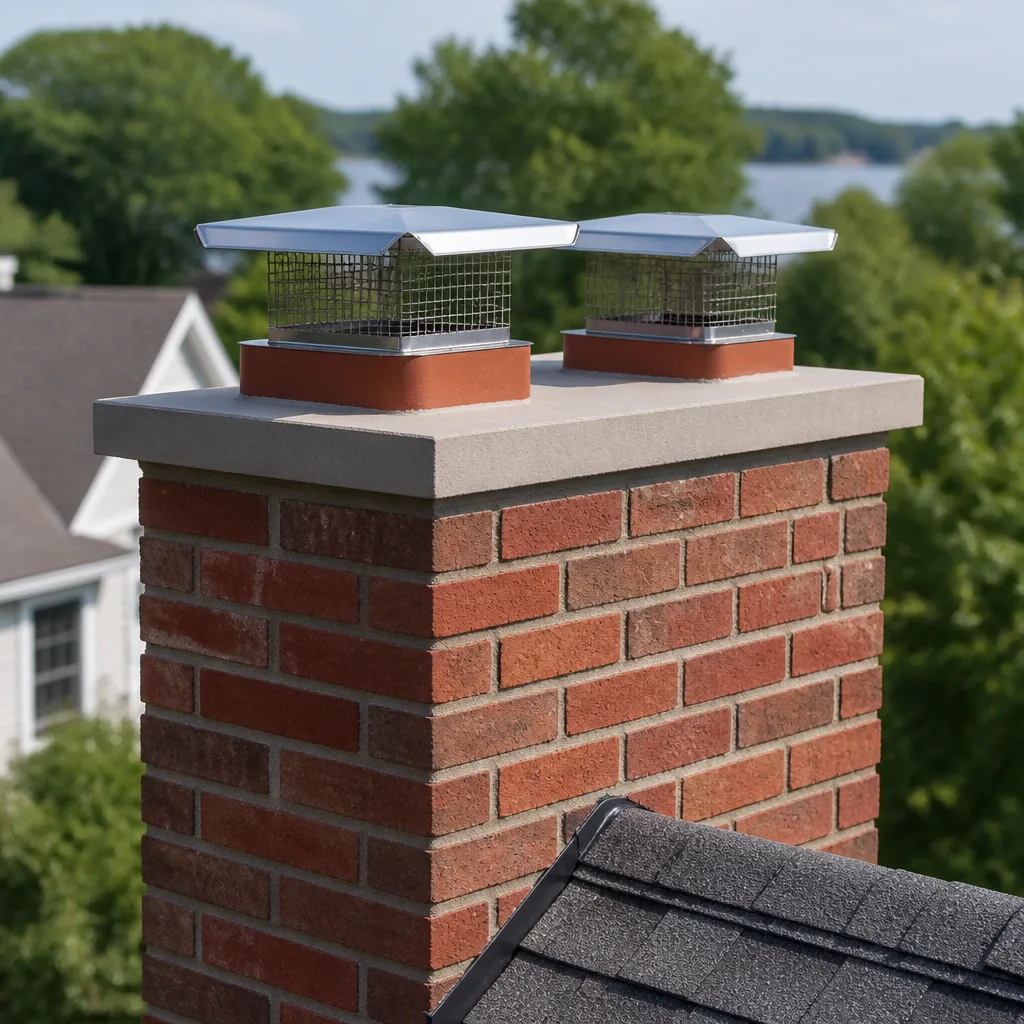 Caps & crowns
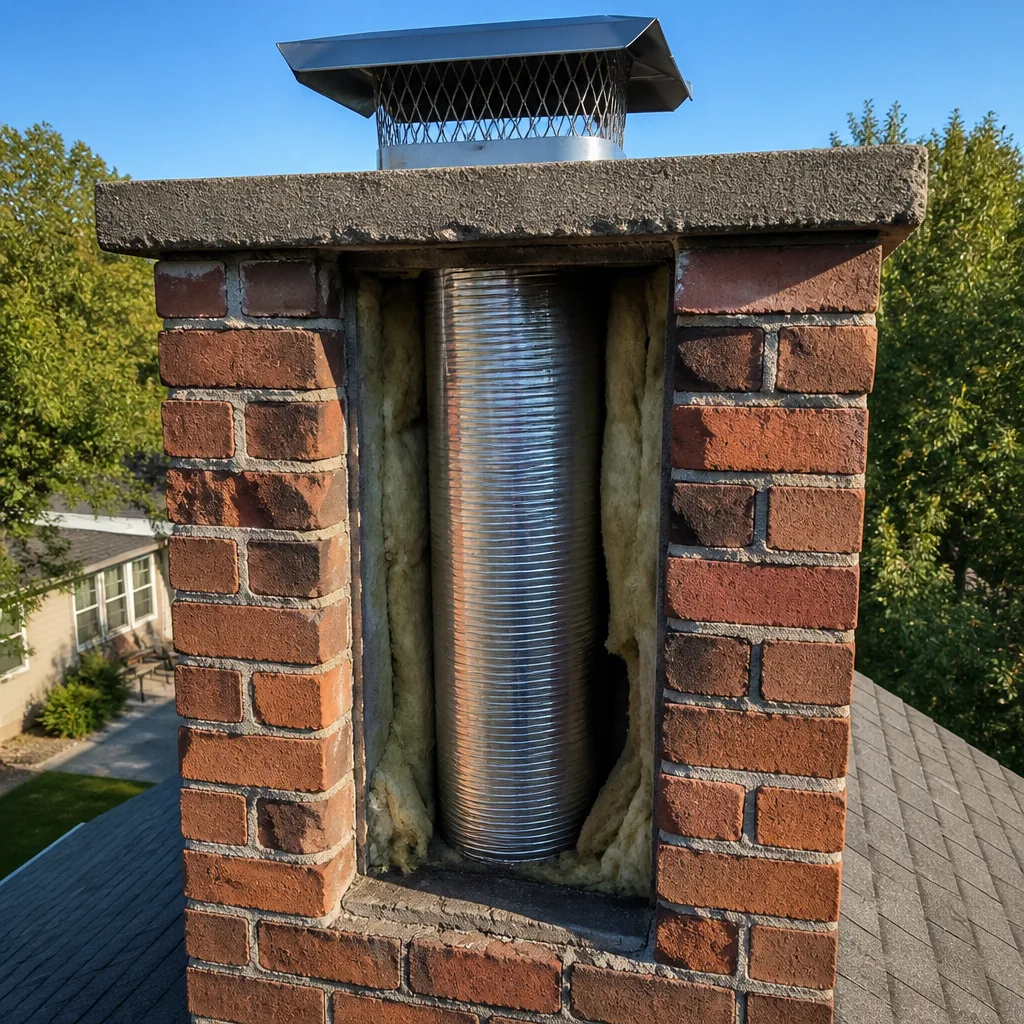 Flue relining
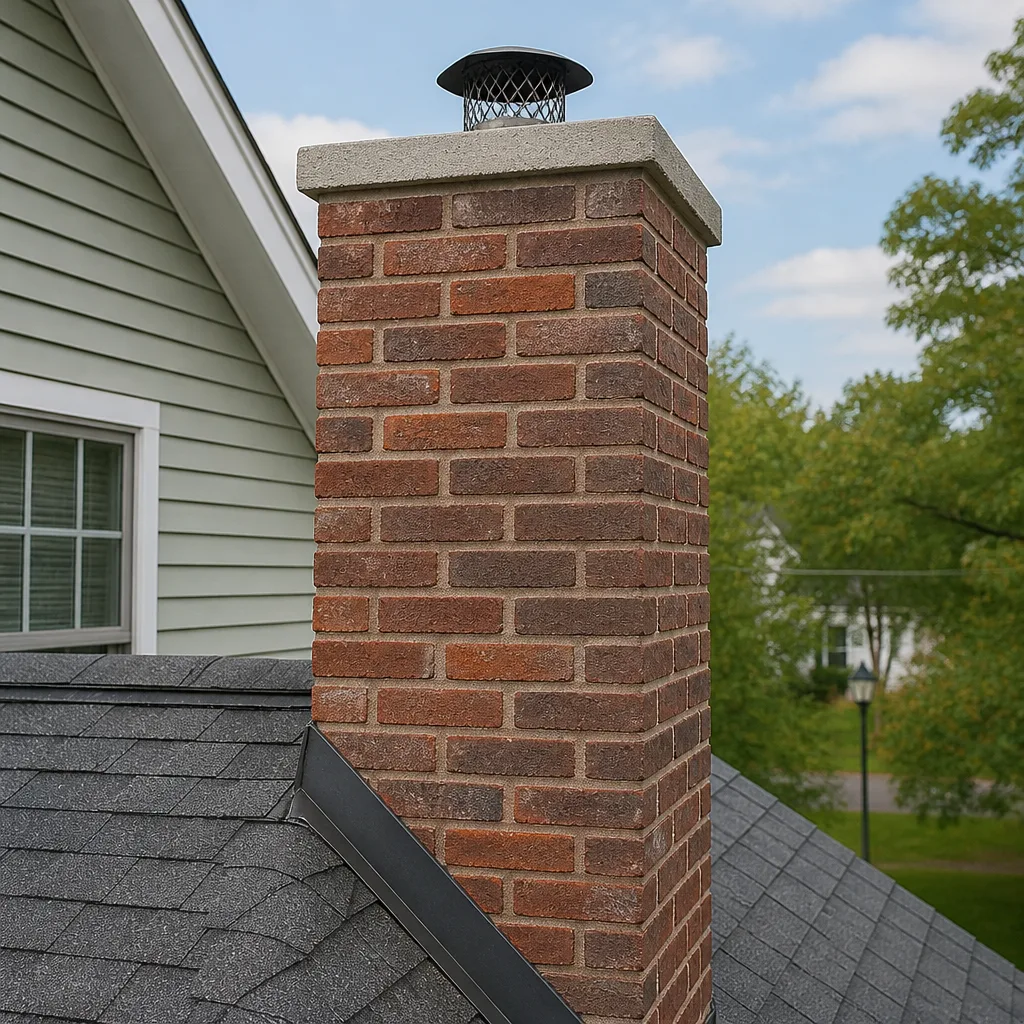 Masonry repair
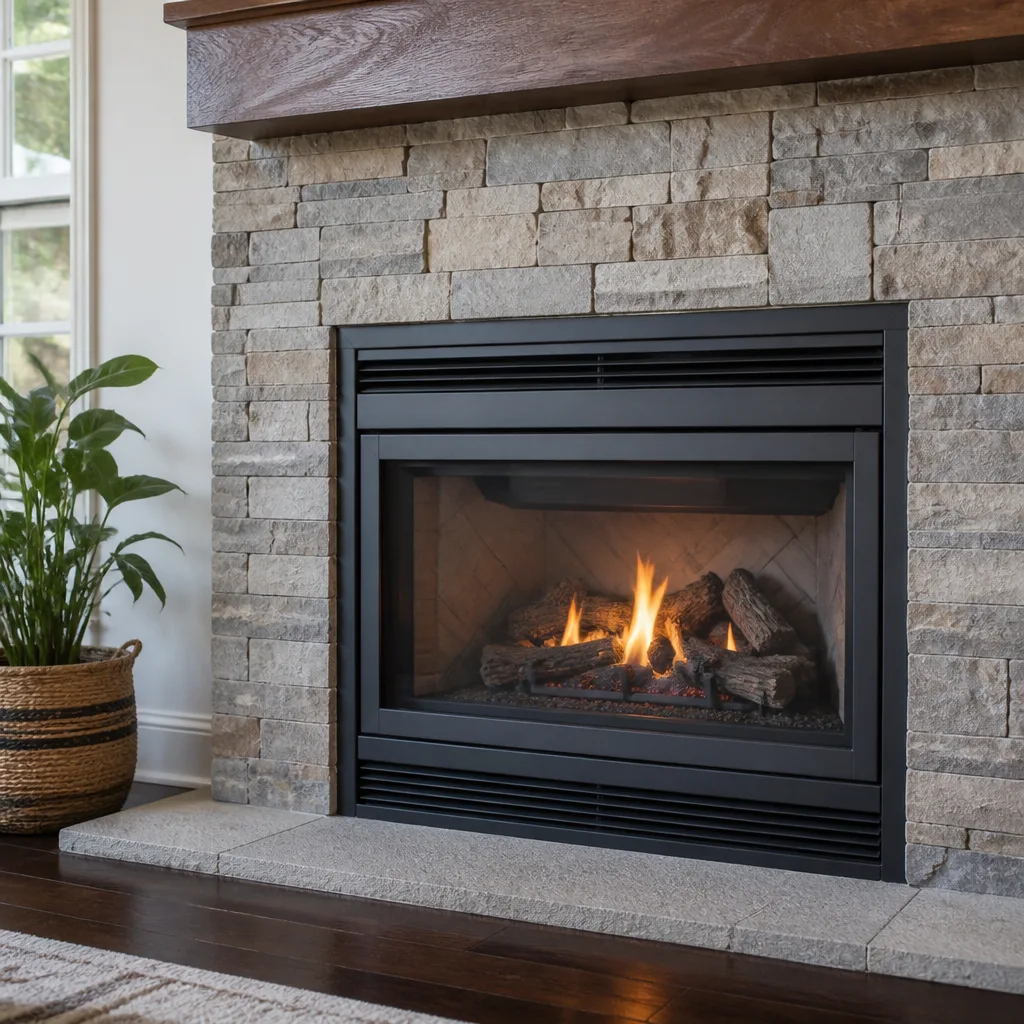 Gas fireplace service
Level 1 sweep and inspection to the NFPA 211 annual standard - flue, crown, cap, and flashing checked and photographed
Chimney sweep logs do not sweep chimneys. They loosen some creosote - which then falls where a brush and vacuum still have to collect it.
How to Hire a Chimney Cleaning Contractor in New Bedford: A Step-by-Step Guide
Three contractors show up. All three are insured. Only one knows what a smoke chamber is.
That gap is the whole problem with hiring chimney help in New Bedford. Insurance certificates and a friendly handshake tell you almost nothing about whether the person on your roof understands how a flue actually drafts. A generalist with a brush set can clean a chimney. That same person can also miss a cracked crown, skip the smoke chamber entirely, and leave you with a system that looks clean and still won’t vent properly.
This guide gives you the specific questions and credentials that separate a chimney specialist from a generalist before work begins. You’ll learn how to read a written scope, judge quoted materials, and spot a low bid that’s low for a reason.
Quick Answer
Hire a chimney cleaning contractor in New Bedford by verifying a current CSIA credential, asking what their scope of work itemizes, and requesting the brand names of any materials they quote. A qualified specialist can name their liner and resurfacing products, describes a camera inspection as part of the job, and gives you a written scope before booking. If a quote is dramatically lower than others, ask what it leaves out.
Styles & brands we work with
- Sweep & inspection
- Caps & crowns
- Flue relining
- Masonry repair
- Gas fireplace service
Table of Contents
- Why a Chimney Specialist Is Different From a Generalist
- What the CSIA Credential Actually Certifies
- Five Questions That Reveal a Contractor’s Real Knowledge
- What a Written Scope of Work Should Itemize
- How to Judge Whether Materials Are Professional-Grade
- Why the Lowest Bid Deserves a Second Look
- Step by Step: Hiring in the Right Order
- Common Mistakes to Avoid
Why a Chimney Specialist Is Different From a Generalist
A chimney is a system, not a hole in the roof. It has a firebox, a smoke chamber, a flue, a crown, a cap, and a set of draft relationships that only work when every part does its job. Cleaning the flue without understanding the rest is like changing the oil and calling the car inspected.
New Bedford homes range from older triple-deckers near the waterfront district to single-family houses out toward the north end, and the chimney stock reflects that range. Some flues are clay tile, some are older unlined masonry, and some have been retrofitted over the decades with whatever was available at the time. A specialist reads that variety as a set of specific problems. A generalist sees one job: brush, vacuum, invoice.
What separation looks like in practice:
- Scope discipline. A chimney-only contractor works in flues every week. Test scores and product knowledge stay current because the work never drifts into unrelated trades.
- Camera inspection as standard. A specialist expects to look inside the flue, not just down it. A generalist often doesn’t own the equipment.
- Product vocabulary. Ask what liner system they install. A real answer names a product line. A vague answer (“good stuff, rated for the job”) is not one.
- Language about the smoke chamber. This is the tell. Anyone who sweeps chimneys for a living has to address the smoke chamber. Anyone who doesn’t will change the subject.
That last point matters most in New Bedford, where plenty of homes have fireplace configurations that collect creosote in places a brush never reaches. When you’re ready to book, you can start with a chimney sweep and let the inspection findings drive the rest.
What the CSIA Credential Actually Certifies
A CSIA credential certifies that an individual technician passed a written exam on chimney system fundamentals and code knowledge. It does not certify the company, it does not cover every technician on a crew, and it expires. All three of those limits matter when you’re checking a contractor’s paperwork.
The Chimney Safety Institute of America runs the certification, and it aligns with the industry standard for chimney inspection and maintenance, NFPA 211. What the exam covers includes venting principles, inspection categories, and the anatomy of a chimney system. What it doesn’t cover is anything about your specific house, your specific appliance, or whether the person holding the card is the person who will actually show up.
How to verify a credential is live:
- Ask for the technician’s name and certification number directly. A qualified contractor gives it without hesitation.
- Look the number up in the CSIA’s public directory. Expired and lapsed credentials show up there.
- Ask who on the crew holds the credential and whether that person will be on site. Certification follows a person, not a company name on a van.
- Ask about continuing education. Recertification requires ongoing training, which is a reasonable thing to confirm.
One honest caveat: a CSIA card is a strong signal, not a guarantee of a good experience. Plenty of capable technicians are experienced and careful without holding the paper. Our technicians have up to 10 years of experience, and we still tell homeowners to ask these questions. Verification protects you, and any contractor who resents it is telling you something.
Five Questions That Reveal a Contractor’s Real Knowledge
These five questions work because they can’t be answered with a script. Ask them by phone before you book. Listen for specificity, not confidence.
- “What’s your process for the smoke chamber?” A specialist describes the shelf above the damper and explains why creosote collects there and why it needs to be addressed. A generalist either doesn’t know the term or waves it off as part of the sweep. It isn’t.
- “Will you camera-inspect the flue, and do I get the footage or photos?” The right answer is yes to both. A contractor who inspects with a flashlight from below is guessing about the upper flue.
- “Which liner systems do you install?” Listen for brand names. A contractor who works with DuraFlex or Olympia Chimney will say so. Someone who can’t name a product line either doesn’t reline or sources whatever is cheapest that week.
- “Can liner damage ever be repaired instead of replaced?” This one separates the technical depth. HeatShield resurfacing exists precisely because not every damaged flue needs a full rebuild, and a contractor who doesn’t know that will sell you the expensive path by default.
- “What does your written scope include, and what’s excluded?” A specialist answers with a list. A generalist answers with a price.
You don’t need to be an expert to hear the difference. The specialist’s answers stay on topic and get more specific as you press. The generalist’s answers get broader.
What a Written Scope of Work Should Itemize
A written scope of work should itemize every task, the materials by brand, what gets protected, what gets cleaned up, and what is explicitly excluded. Anything missing from that list is either an oversight or a price adjustment waiting to happen after the work starts.
In our experience in New Bedford, the exclusions matter more than the inclusions. A scope that lists sweeping but never mentions inspection fees, camera reports, or cap condition leaves room for surprises. A scope that names everything up front protects both sides.
What a complete scope covers:
- The sweep itself. Which flue, which appliance, what method, and what gets sealed off to keep dust out of the living space.
- The inspection. Which category, what tools, and whether you receive photos. Camera inspection and a photo report should be spelled out, not implied.
- Materials by brand. “Stainless liner” is not a material specification. A named liner system is. Same for chimney caps and resurfacing products.
- Disposal. Creosote, old caps, and debris all have to go somewhere. A scope should say so.
- Exclusions. Masonry rebuilds, crown repair, and damper work are separate line items. Seeing them listed as excluded is a good sign, not a bad one.
Red flags in a scope: no exclusions section at all, the word “etc.” anywhere near a task list, and a price with no breakdown. Those are omissions, not brevity. If a contractor quotes the same flat number for every house in New Bedford without looking at the flue first, the scope was written before the inspection.
How to Judge Whether Materials Are Professional-Grade
Professional-grade materials are brand-identified, sourced through established supply channels, and specified for the job they’re being used on. Commodity substitutes are often unbranded, sold on price alone, and impossible to verify after installation. The difference usually shows up years later, not on install day.
Brand naming is the fastest test available to a homeowner. A contractor who works with DuraFlex liner systems, HeatShield ceramic resurfacing, or Gelco and Olympia Chimney caps can tell you the product, why it’s rated for your flue, and what it’s compatible with. One who can’t name anything is likely sourcing from whoever answers the phone that week.
Why this matters for a chimney specifically:
- Temperature exposure. Liners and caps live in a harsher environment than almost anything else on a house. Ratings aren’t marketing, they’re the difference between holding up and failing.
- Resurfacing chemistry. HeatShield is a specific ceramic product with a specific application method. It isn’t a generic patch, and it doesn’t substitute for one.
- Fit matters as much as material. A correct brand installed at the wrong dimensions is worse than useless. Ask how the sizing was determined.
- Sourcing discipline signals everything else. A contractor who specifies materials by name is usually just as deliberate about inspection and cleanup.
You don’t need to research product literature yourself. You need to hear specifics and see them in writing. When a contractor quotes you a liner, ask for the brand name and the size before you sign.
Why the Lowest Bid Deserves a Second Look
The lowest bid in New Bedford’s market almost always means one of three things: an unknown product was substituted, an inspection step was skipped, or the scope excludes work that has to happen anyway. None of those make the job cheaper. They move the cost to later.
There’s a structural reason for this. Chimney work is material-heavy. A properly spec’d stainless liner and the labor to install it have real cost behind them. When a quote comes in far below the others, something was removed. It’s rarely the contractor’s margin.
What usually gets cut:
- The camera inspection. The most common omission. Skipping it lets a contractor quote without knowing what’s in the flue.
- Product brand and grade. Unbranded liners and commodity caps look fine on the invoice.
- The smoke chamber. Hard to clean, easy to leave out of the scope.
- Disposal and cleanup. Small line items that quietly become your problem.
The right comparison isn’t price against price. It’s scope against scope. Put the written scopes side by side and see what one includes that the other doesn’t. If you want an apples-to-apples reference, get a chimney repair estimate that itemizes materials by brand and states exclusions in writing. A quote you can actually compare is worth more than one that’s simply smaller.
Step by Step: Hiring in the Right Order
Hire in this order and you’ll eliminate most of the risk before anyone gets on your roof. The sequence matters because each step depends on the one before it.
- Confirm the contractor works on chimneys as their primary trade. Ask what share of their work is chimney-related. A chimney-only specialist answers easily. A generalist has a harder time with the question.
- Verify the credential and ask who holds it. Number, directory check, and confirmation of who shows up. Don’t skip the directory check.
- Ask the five interview questions. Do this by phone. The smoke chamber question is your first filter.
- Request a written scope before booking. Read the exclusions first. Compare it against the list in this guide.
- Confirm the inspection deliverable. Camera inspection and a photo report should be in the scope, not offered after the fact.
- Ask for material brand names on any quoted products. If a liner or cap is quoted, the brand and size belong on the estimate.
- Get the estimate in writing and book the sweep. The written estimate sets the final price. Anything that changes after that should be a conversation, not an invoice line.
If you’re lining up work for a house in New Bedford and want to understand the full lifecycle of a chimney, from annual cleaning through structural repair, a contractor who covers all three services means one call and one set of records. That continuity is worth more than it sounds.
What Happens During the Job Itself
A proper sweep starts with protection before any cleaning begins. Drop cloths or sheeting go down, the fireplace opening gets sealed, and the vacuum runs through a HEPA filter so dust stays out of the room. None of that is optional on a good job.
Then the sweep work proceeds from the top down or bottom up depending on the flue configuration, followed by a camera inspection of the full flue run. The technician is looking for cracks in the tile, gaps at joints, heavy glazing, offset obstructions, and the condition of the crown and cap. Findings get photographed, and you should see those photos before any recommendation is made.
What you should expect to receive at the end:
- A clear description of the flue’s condition, in plain language.
- Photos of anything flagged, not just a verbal summary.
- A written record of what was cleaned and what was found.
- Honest guidance on what can wait. Not every finding is urgent.
If something needs repair, the conversation should reference specific products. A HeatShield application for a cracked tile section is a different scope and a different cost than a full reline with a stainless system, and a specialist will explain why one applies over the other.
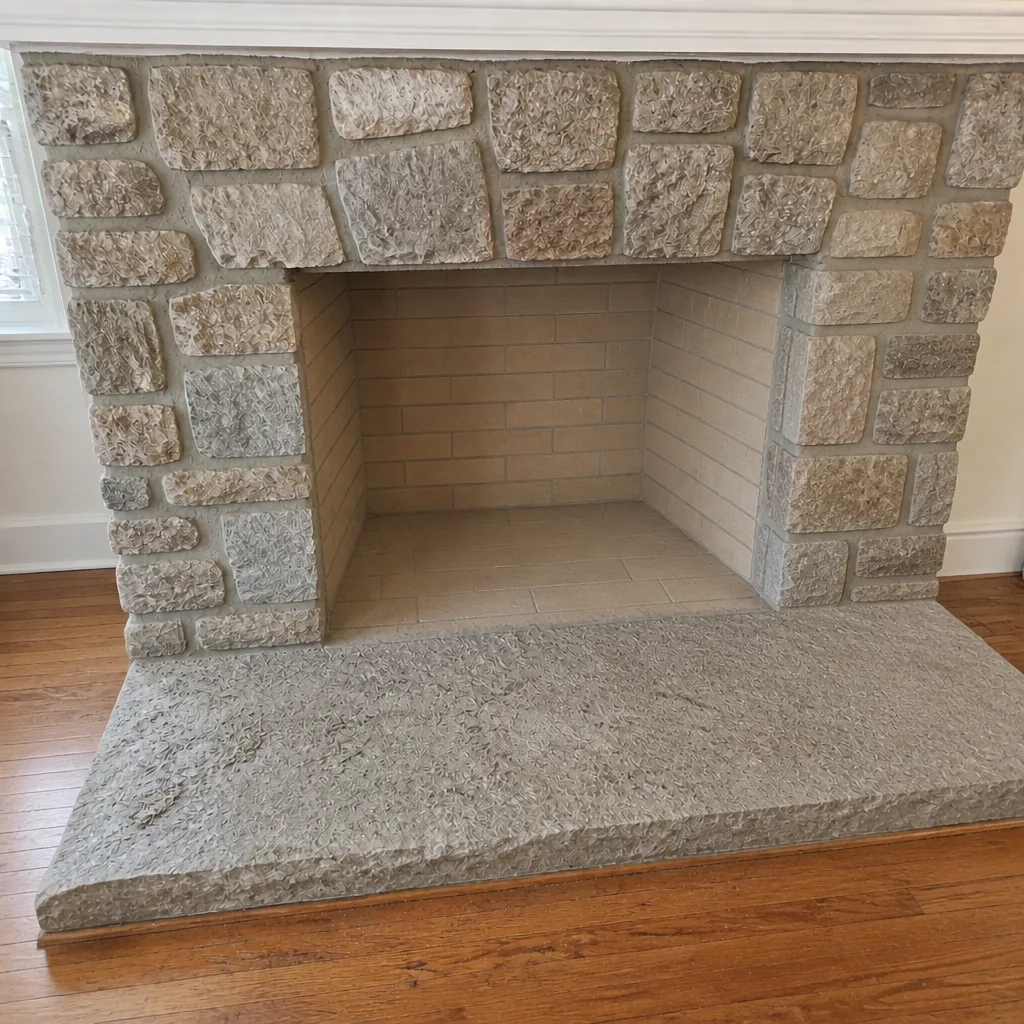
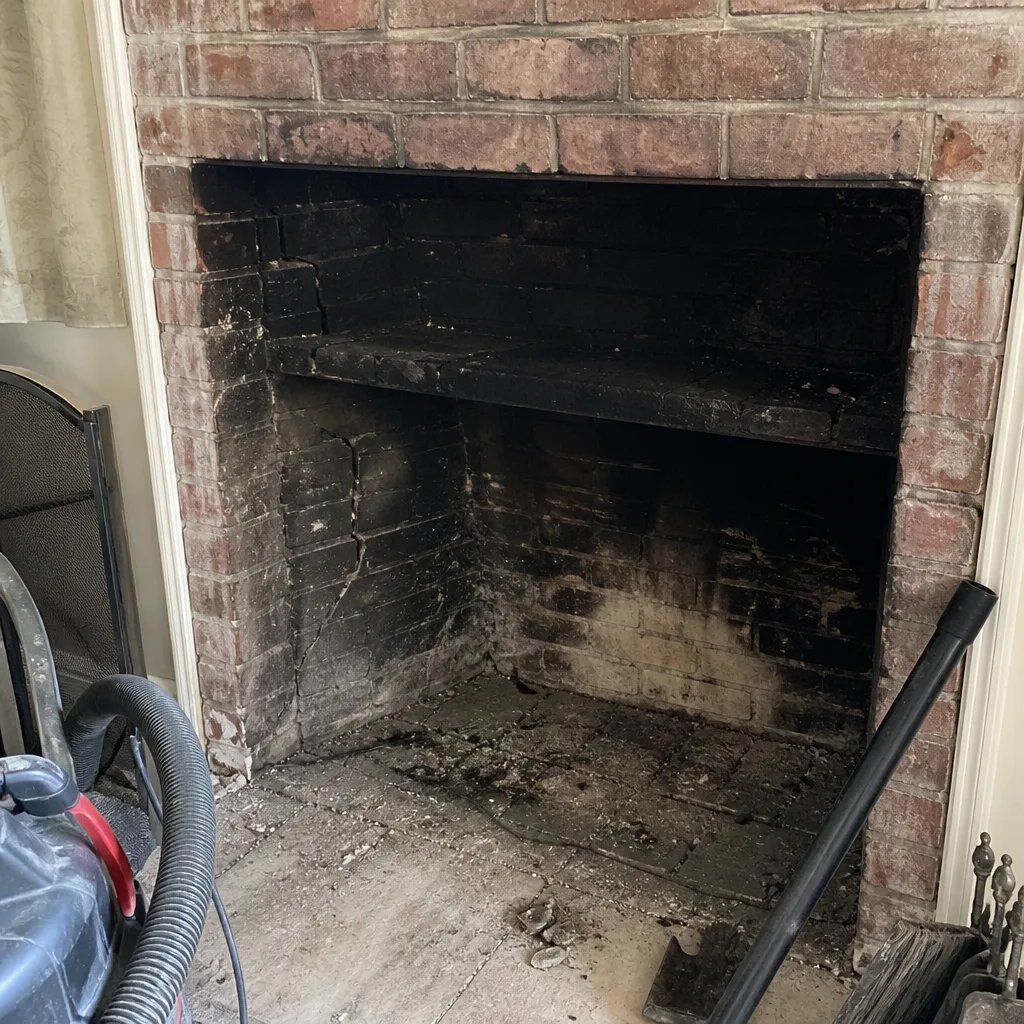
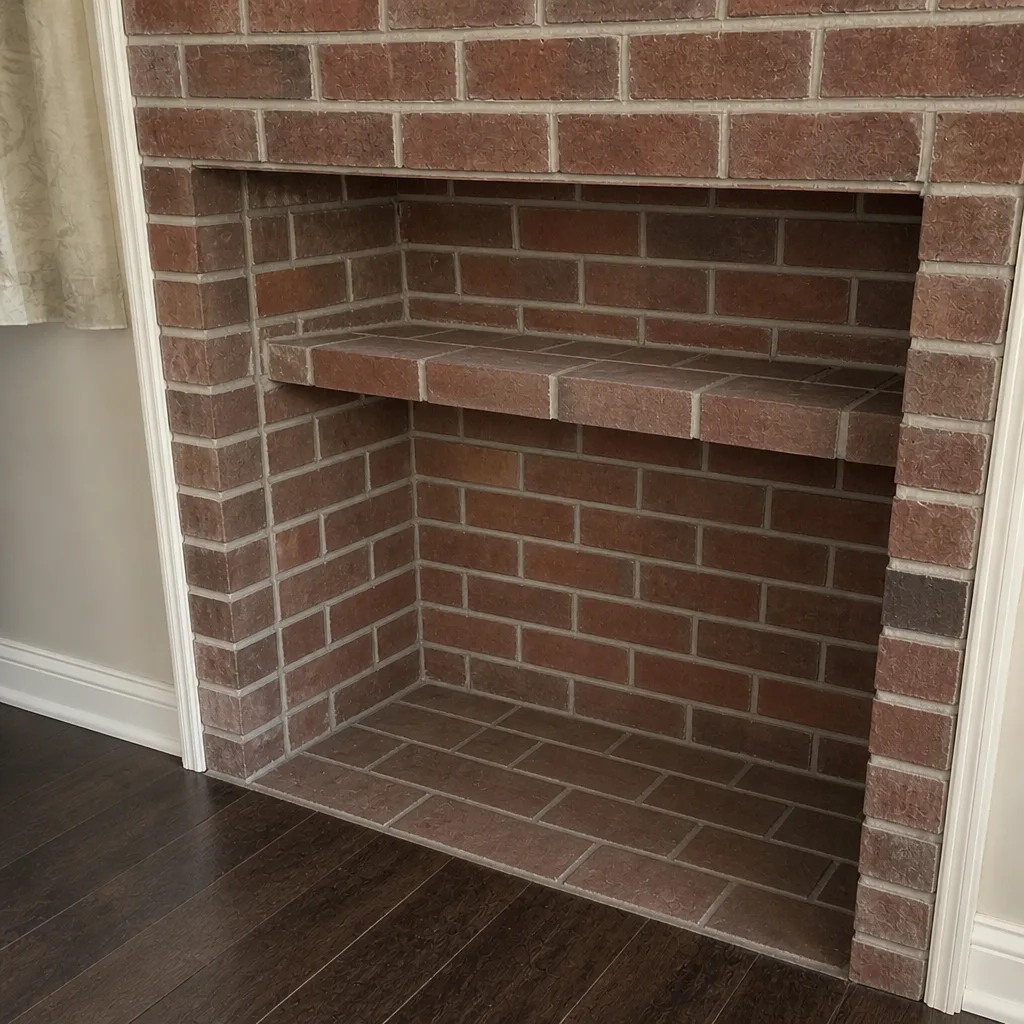
See the difference
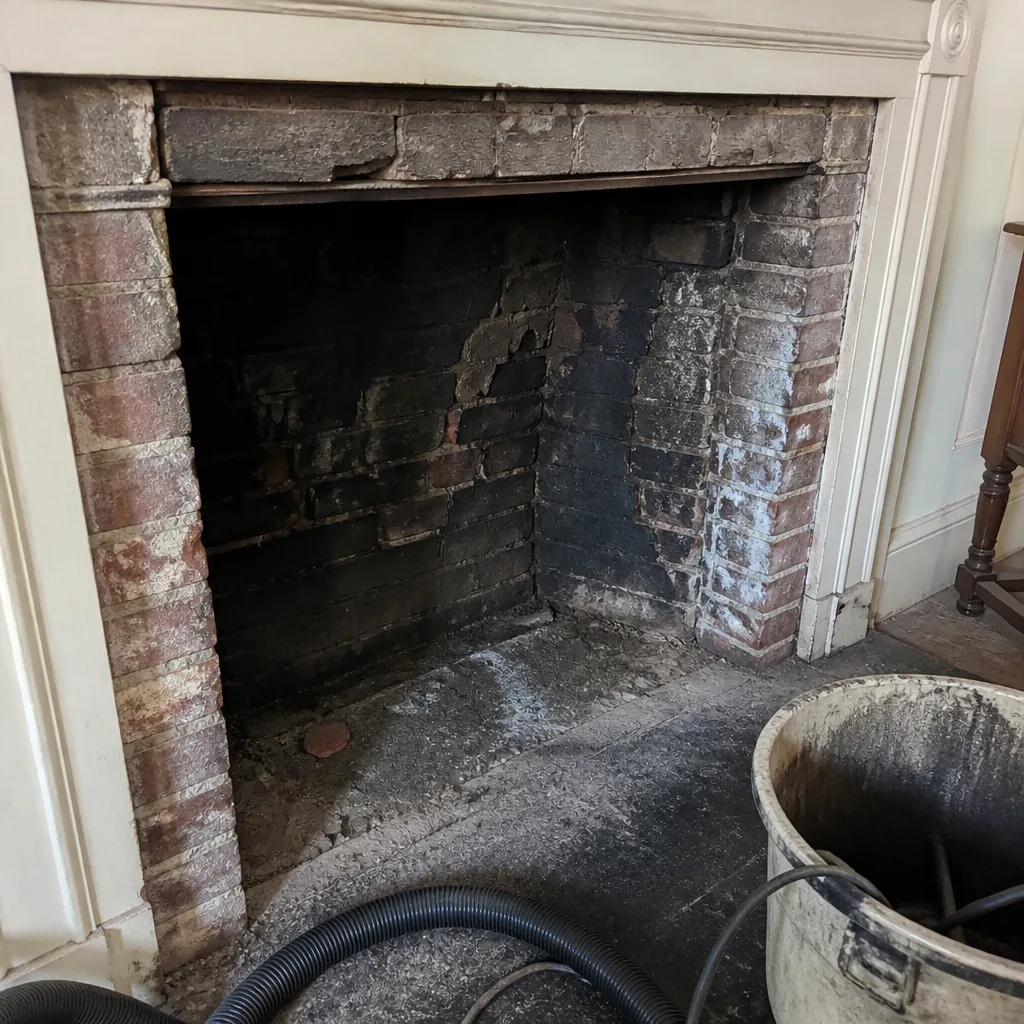 Before
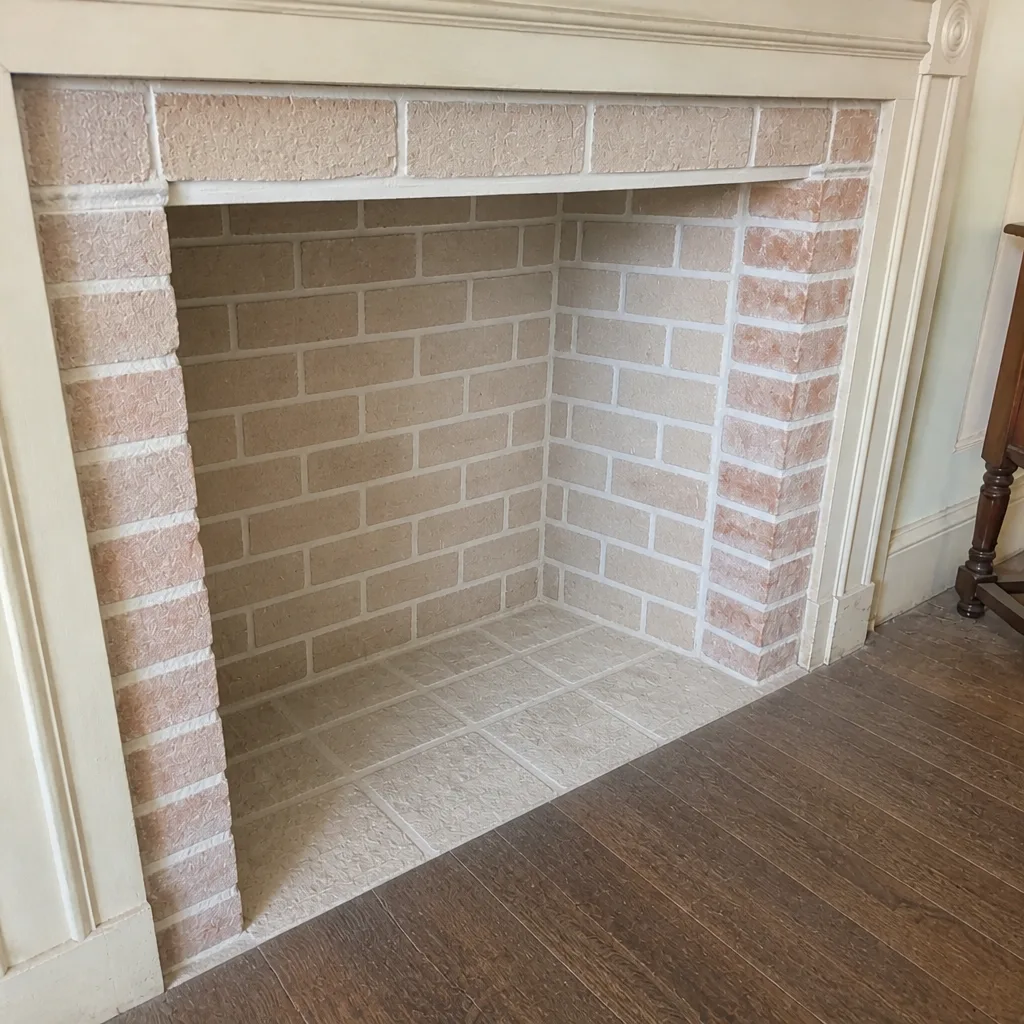 After
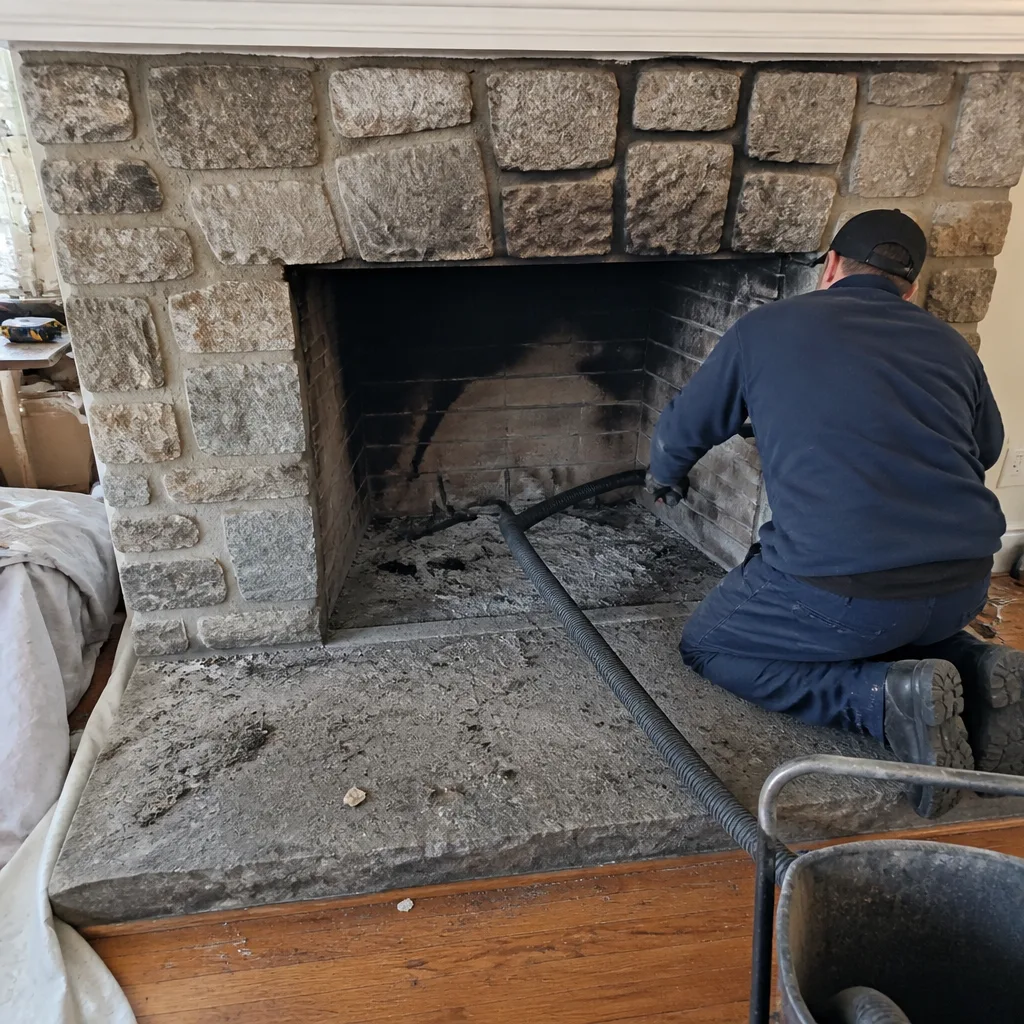 Before
 After
 Before
 After
Common Mistakes to Avoid
- Hiring on price alone. The cheapest quote in New Bedford is usually missing an inspection step or using unnamed materials. Compare scopes, not totals.
- Accepting a quote made without looking inside the flue. A price given over the phone before any inspection is a guess dressed as a quote.
- Skipping the credential check. A stated certification is not the same as an active one. Look it up.
- Letting “stainless liner” pass as a material spec. Ask for the brand and the size. If the answer is vague, the material is too.
- Overlooking the smoke chamber. If it isn’t in the scope or the conversation, the cleaning is incomplete. This is the single most common gap we see.
- Assuming a generalist is equivalent. Cleaning is a small part of what a chimney needs. Someone who also does gutters, decks, and odd jobs isn’t tracking flue anatomy.
- Ignoring the written exclusions. A scope that lists no exclusions is hiding them, not avoiding them.
When to Call a Professional
Call a professional when you can’t see the problem yourself. That includes a flue that hasn’t been cleaned in a year of regular burning, any change in how the fireplace drafts, smoke rolling into the room, a damper that won’t seat, or visible damage to the crown or cap from the ground. Call before the heating season starts rather than after, and call immediately if you smell creosote or notice soot staining around the firebox that wasn’t there before.
New Bedford homeowners who heat with wood, gas, or oil all face the same underlying issue: a flue either drafts safely or it doesn’t, and you can’t tell from the living room. An inspection settles the question. Chimney Sweep New Bedford offers free estimates in New Bedford. Call (877) 845-1880. We answer 24/7. Fast dispatch from 7am to 7pm, Sunday through Friday.
Frequently Asked Questions
A standard chimney sweep in New Bedford is quoted per job after the flue is inspected, so the written estimate sets the final price. The estimate itself is free. Ask for the scope in writing before you book, since a quote that includes camera inspection and a photo report is not comparable to a cleaning-only quote. Call (877) 845-1880 for an exact quote, estimates are free.
Not always. Whether you need a full reline depends on what the camera shows inside your flue, and some damage can be resurfaced instead of replaced. HeatShield ceramic resurfacing exists for exactly that situation, and it’s often the right call when the flue’s structure is otherwise sound. Ask to see the photos before anyone recommends a replacement.
A chimney should be swept once a year when it’s in regular use, which is the general industry standard under NFPA 211. Homes burning wood heavily may need it more often, and gas and oil appliances have different inspection needs. The inspection tells you whether the flue is ready for the season. Call (877) 845-1880 to book a sweep and find out where yours stands.
Creosote builds up inside the flue whether or not you notice it, and heavy glazed creosote is the fuel source in a chimney fire. A blocked or damaged flue also stops venting properly, which is a carbon monoxide concern in any appliance that burns fuel. Those are the two reasons the annual sweep exists. Call (877) 845-1880 for an exact quote, estimates are free.
Ask for the CSIA certification number, verify it in the public directory, and ask who on the crew holds it. Then ask what their process is for the smoke chamber and which liner brands they install. A qualified specialist answers all three without hesitation. A generalist usually can’t answer the last two. Call (877) 845-1880 and we’ll walk you through what a scope should include.
Often, yes. Ceramic resurfacing is designed for cracked or deteriorated tile sections where the surrounding structure is still sound, and it avoids the cost of tearing out and rebuilding. Whether it applies to your flue depends on the extent of the damage. Ask for the camera footage and a written recommendation naming the product before you agree to anything.
The Bottom Line
Hiring a chimney contractor in New Bedford comes down to verification, not vibes. Check the credential and confirm it’s active. Ask the five questions and listen for specificity. Read the written scope for what’s excluded, and ask for brand names on every quoted material. A qualified specialist will pass all of it comfortably.
The lowest bid is rarely the cheapest outcome. Compare scope against scope, ask what a quote leaves out, and don’t accept a price that was written before anyone looked inside the flue. From Chimney Sweep New Bedford, the standard is simple: professional-grade materials, every job, and a written estimate that tells you exactly what you’re paying for.
Call (877) 845-1880 for a free estimate. We answer 24/7. Fast dispatch from 7am to 7pm, Sunday through Friday.
Written by the team at Chimney Sweep New Bedford.