
Last updated November 15, 2026
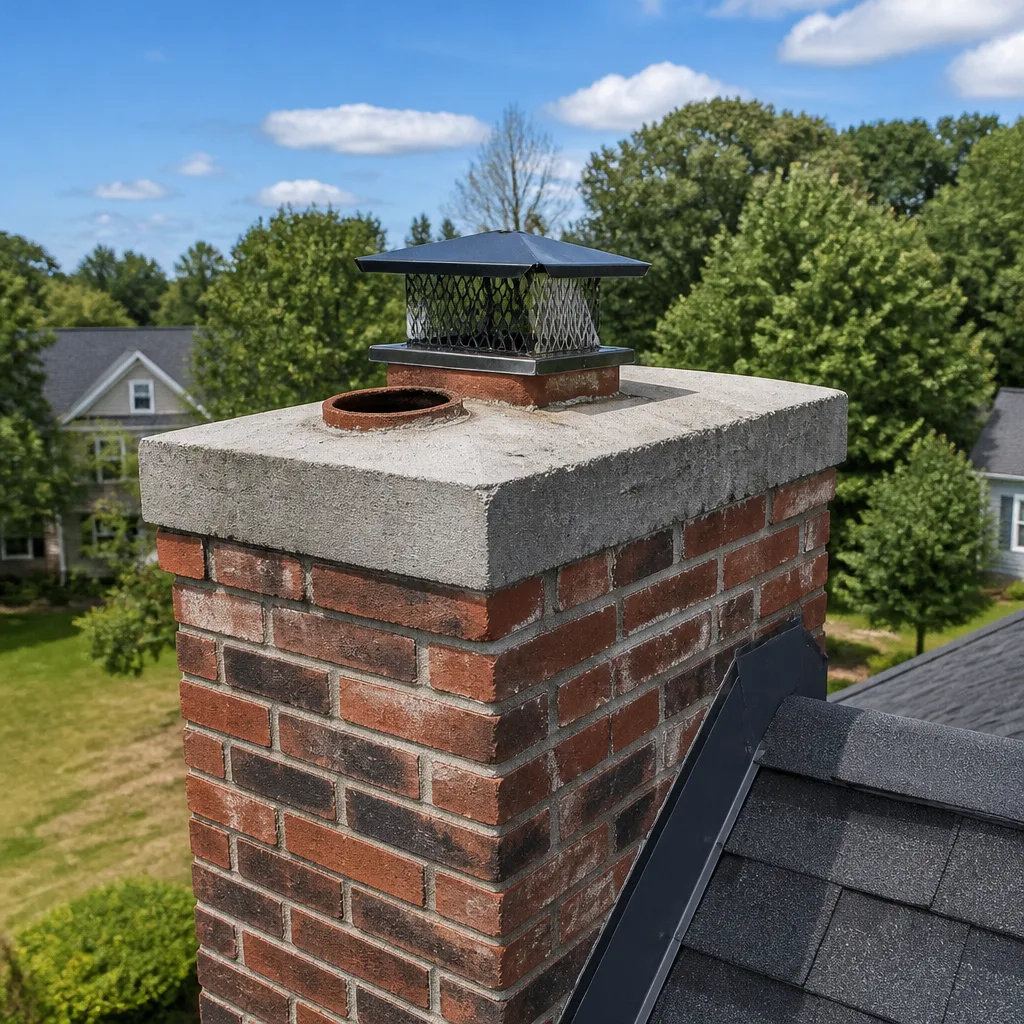 Sweep & inspection
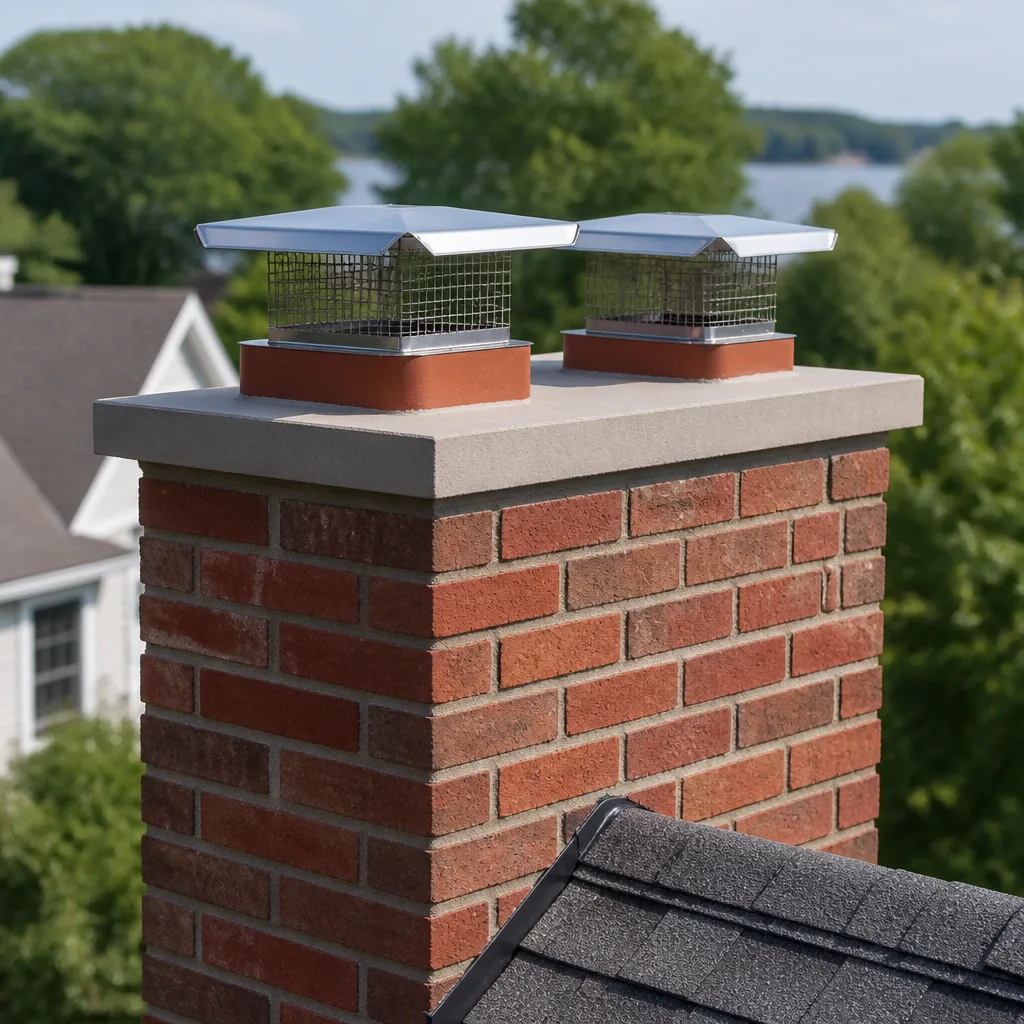 Caps & crowns
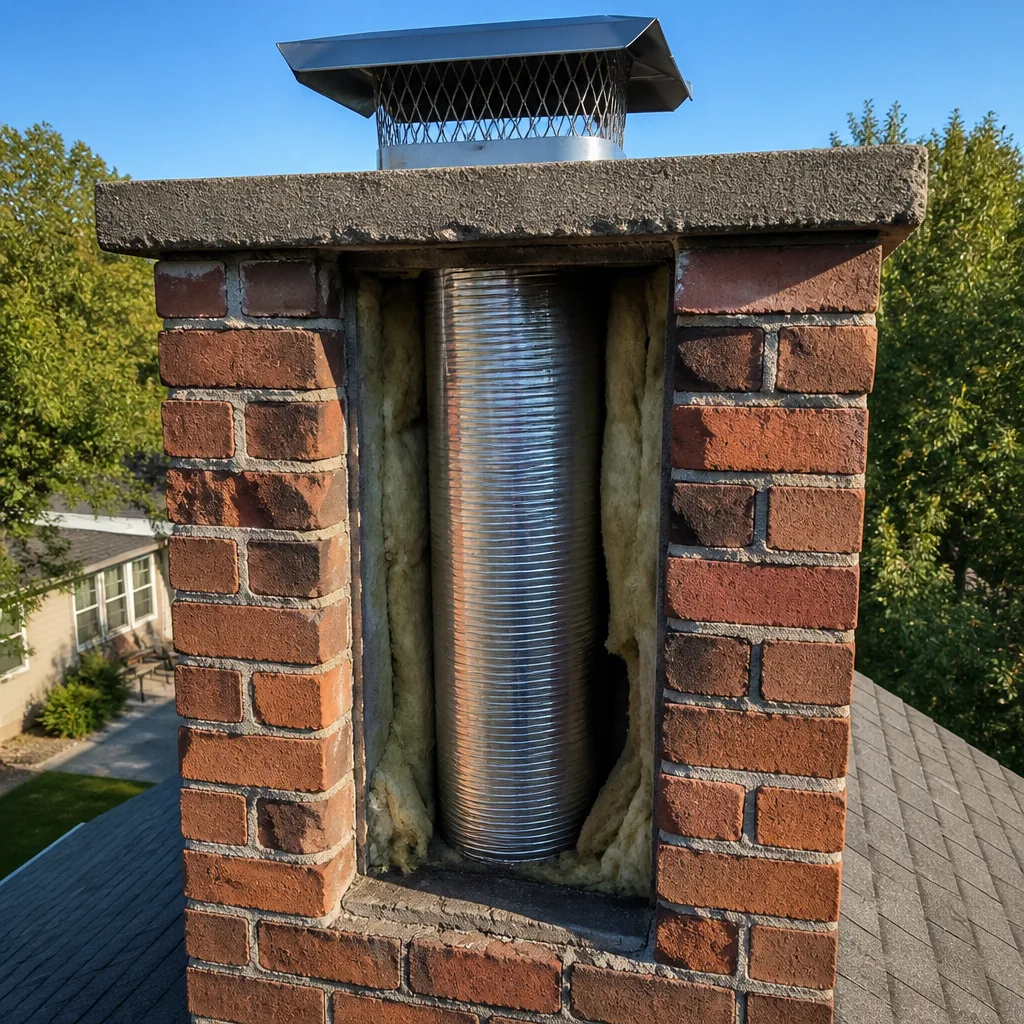 Flue relining
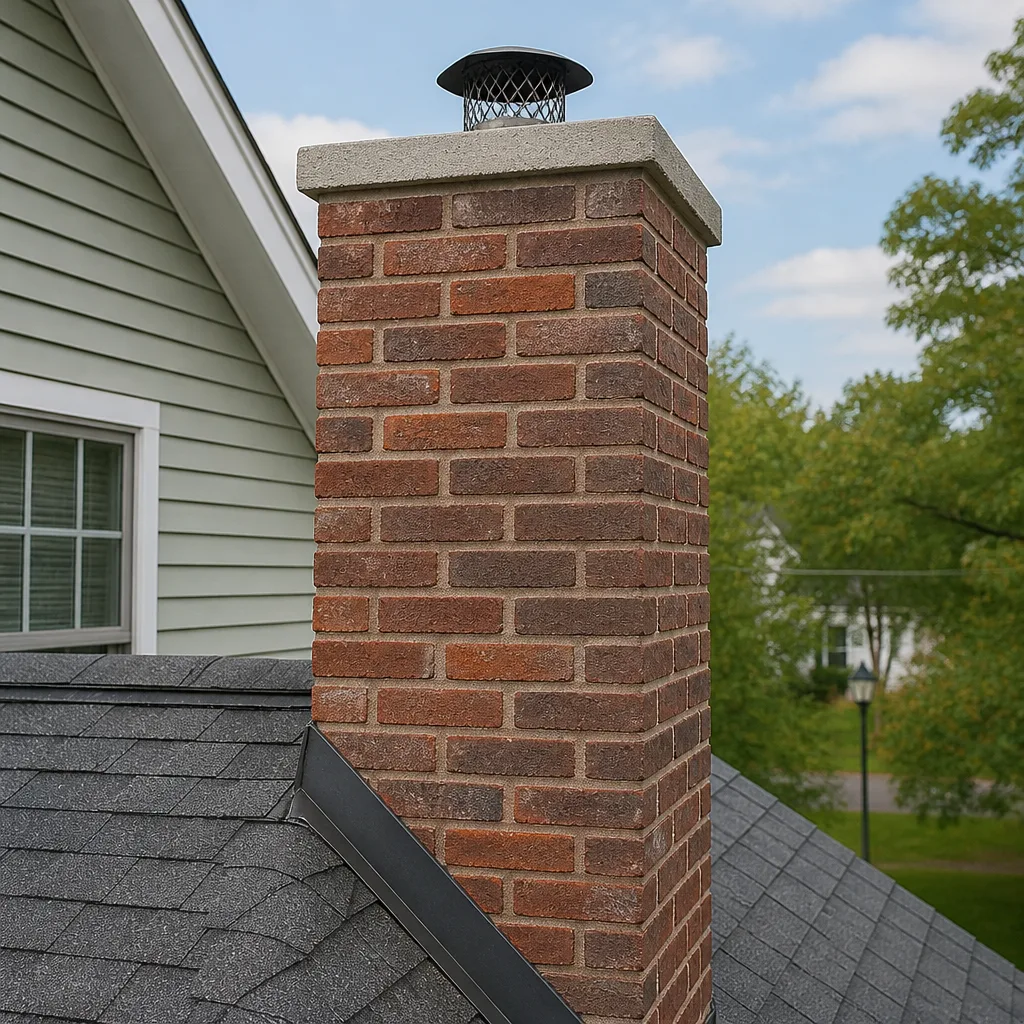 Masonry repair
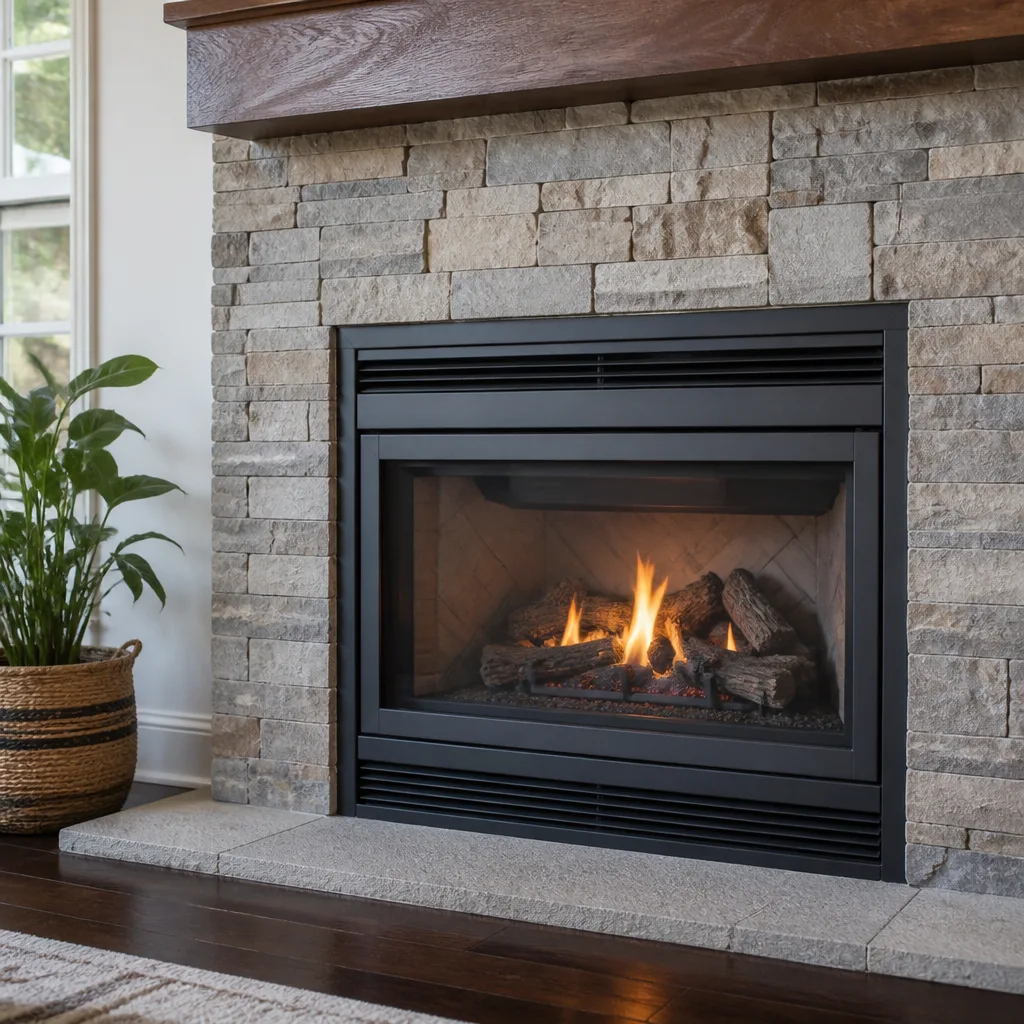 Gas fireplace service
Level 1 sweep and inspection to the NFPA 211 annual standard - flue, crown, cap, and flashing checked and photographed
Chimney sweep logs do not sweep chimneys. They loosen some creosote - which then falls where a brush and vacuum still have to collect it.
Chimney Cleaning Emergency Preparedness Guide for New Bedford Homes
A chimney fire doesn’t always announce itself with a roar. Often it’s a low rumble and a pressure change you feel in the room before you hear it, and by the time flames are visible at the top of the flue, the clay tile inside has likely already cracked. That gap between what people expect and what actually happens is where damage and danger live. This guide covers the two chimney emergencies that matter most (chimney fire and carbon monoxide backdraft), how to recognize each one early, the correct sequence of actions, and what to document afterward. We wrote it for New Bedford homeowners who heat with wood, gas, or oil and want a plan in place before they need one.
Quick Answer
A chimney emergency is best handled by shutting off the air supply to the fire, evacuating the home, and calling 911 if you see or smell signs of an active fire in the flue. After any suspected chimney fire, the flue cannot be used again until a Level 2 inspection confirms the liner hasn’t been compromised. For carbon monoxide, get everyone outside and call 911 first, then have the chimney inspected for blockage before relighting. Preparedness means knowing these steps cold, having a working CO alarm on every level, and keeping your flue swept and inspected so the emergency never starts.
Styles & brands we work with
- Sweep & inspection
- Caps & crowns
- Flue relining
- Masonry repair
- Gas fireplace service
Table of Contents
- How to Recognize a Chimney Fire While It’s Happening
- The Correct Sequence of Actions During a Chimney Fire
- Post-Fire Protocol: Why the Chimney Stays Off Until Level 2
- Carbon Monoxide Risk From Chimney Blockage
- How to Spot Draft Failure Before CO Builds Up
- What to Document After Any Chimney Emergency
- Prevention and Preparedness for New Bedford Homes
- How Insurance and Scoping Fit Together
How to Recognize a Chimney Fire While It’s Happening
Most chimney fires burn slowly, starved of oxygen, and never touch the loud stage people picture. They smolder in creosote deposits on the flue walls, sometimes for hours. That’s why the cues are subtle and easy to dismiss as “just the fire settling.” Train yourself on all of them.
Sounds
- A low, rolling rumble that sounds less like a fire and more like a distant train or a heavy truck idling outside
- Popping or crackling that’s louder than the wood in the firebox should produce
- A whooshing sound if air is being pulled hard up the flue
Smells and Visual Cues
- A hot, acrid smell that doesn’t match the wood you’re burning
- Smoke backing into the room, or smoke that changes color to darker gray or black
- Sparks or flames visible at the top of the chimney
- Pieces of creosote (brittle, flaky debris that looks like burnt paper) landing on the roof or in the yard
- A warped or discolored chimney cap, or heat shimmer over the chimney top
The trouble is that many chimney fires self-extinguish before anyone notices. Homeowners call us for what looks like routine chimney repair and an inspection reveals a cracked tile and a distorted flue from a fire that burned quietly months earlier. In New Bedford’s older housing stock, where clay tile flues and unlined masonry chimneys are common, that hidden damage matters more because there’s less of a margin before a cracked tile lets heat reach the framing. If you’re not certain what you heard or smelled, that uncertainty is itself a reason to get the flue inspected.
The Correct Sequence of Actions During a Chimney Fire
When you suspect a chimney fire, the order of what you do matters as much as the doing. Here’s the sequence we walk homeowners through.
- Get everyone out of the house first. Alert others, get children and pets outside, and call 911 from outside or from a neighbor’s phone. Do not spend time gathering belongings.
- Close the firebox door or damper if you can do it safely on the way out. Cutting the air supply starves the fire. But only do this if you’re already near the stove and can act in a second or two. Never go back inside for it.
- Do not throw water on the fire. Water on a hot flue can crack tiles and send steam and pressure back into the room. It’s a common instinct and a dangerous one.
- Do not climb onto the roof. Chimney fires can spray embers, caps can fail, and heat is concentrated exactly where you’d be standing.
- Stay out until the fire department says the home is safe. Even a fire that seems to be out can reignite in creosote or smolder in framing.
- Book a Level 2 inspection before relighting. The fire department will tell you the home is safe to re-enter. They won’t tell you the flue is intact. That’s the inspection’s job.
One point worth underlining: a small, contained fire in the firebox is not the same event as a chimney fire in the flue. A firebox fire that stays put is a fireplace issue. A chimney fire is a flue issue. If you can’t tell the difference, assume flue and act.
Post-Fire Protocol: Why the Chimney Stays Off Until Level 2
After any suspected chimney fire, the chimney cannot be used until a Level 2 inspection confirms liner integrity. That sentence is the core of this guide, and it deserves to be repeated until it sticks. A Level 2 inspection is the industry-standard scope (per NFPA 211 and CSIA guidance) for any chimney that has been through a fire, a change in fuel type, or a structural event. It includes a video scan of the flue, an examination of accessible portions of the chimney exterior and interior, and a report of findings.
Why this matters so much in New Bedford: masonry chimneys here tend to be older, and clay tile liners crack along mortar joints under heat stress. A crack you cannot see from the firebox can let heat and combustion gases reach framing lumber. That’s how a small chimney fire turns into a house fire hours later. Refusing to relight until a Level 2 clears the flue isn’t caution for its own sake; it’s the only way to know.
What a Level 2 inspection covers
- Video scan of the flue from top to bottom
- Assessment of liner condition, including tile joints and any gaps
- Accessible portions of the chimney exterior, crown, and cap
- Clearance-to-combustibles check
- A written report you can share with your insurer
If the inspection finds damage, the repair path depends on severity. When the liner is scarred or has gaps at joints but is otherwise sound, a HeatShield application can resurface the flue and restore a smooth, sealed surface without a full rebuild. When the liner is cracked through or missing, a DuraFlex stainless liner is usually the right answer. Either way, the inspection tells you which one you’re dealing with before anyone starts quoting.
Carbon Monoxide Risk From Chimney Blockage
Carbon monoxide is the second chimney emergency, and it’s the one with no smell, no sound, and no visible sign. CO collects when combustion gases that should be going up the flue have nowhere to go, or when the draft pulls them back into the home. Blockages are the common cause: a bird nest, a collapsed tile, soot and creosote packed into the flue, a squirrel’s winter cache, or a cap that’s failed and let debris in.
In New Bedford’s climate, that risk spikes in two seasons. In autumn, animals and birds looking for warmth nest in flues before the first heating days; the nests are often invisible until smoke backs up. In late winter, a long, cold stretch with a tight house and an oil furnace running hard is when backdraft from a blocked or undersized flue shows up as CO in the basement instead of smoke in the living room. Homes with gas or oil appliances tied into the chimney have a second exposure point most homeowners don’t think about: the furnace flue can be blocked without the fireplace ever being used.
Non-negotiable CO precautions
- Working CO alarms on every level of the home and outside sleeping areas
- Test alarms monthly; replace batteries at least annually
- A CO alarm is a backstop, not a substitute for a swept, inspected flue
- Any CO alarm event gets a chimney inspection before the appliance relights
We work with chimneys only. That focus is why we can speak plainly here: a flue that hasn’t been swept has no way to prove it isn’t blocked, and a CO alarm doesn’t tell you where the gas came from. An inspection does.
How to Spot Draft Failure Before CO Builds Up
Draft failure is what happens when the chimney can’t pull combustion gases up and out. It usually telegraphs itself before CO reaches dangerous levels, if you know what to watch for. In our experience, homeowners catch most of these at the firebox or the appliance, not at the alarm.
Signs of failing draft
- Smoke curling back into the room when you open the stove door or start a fire
- A smell of soot or unburned fuel in the room after the appliance runs
- Lazy, slow-starting fires that seem to struggle
- Visible soot streaks above the firebox or on the wall near the appliance
- A furnace or water heater that cuts out or backdrafts when the fireplace is running
- Headache, nausea, or fatigue that clears when you leave the house (treat this as a CO emergency, not a draft issue)
If you see draft failure signs, stop using the chimney and book an inspection. Common causes include a blocked flue, a flue that’s undersized for the appliance, negative pressure in the house from exhaust fans and tight construction, and a failed chimney cap that let debris in. The fix depends on the cause, which is why a technician needs to look at the flue itself rather than guess. A new cap, a Famco or Copperfield fit that seals the top against intrusion, or a liner correction can each be the right answer, and picking the wrong one wastes money.
What to Document After Any Chimney Emergency
What you document in the first hours after a chimney emergency often determines how smoothly an insurance claim and the repair scoping go. Do this while details are fresh.
- Photograph everything you can see. Firebox interior, flue top from ground level, chimney exterior, any soot streaking, and any damage to nearby surfaces. Timestamp accuracy matters.
- Write down what you noticed and when. Sounds, smells, times, and when you called 911 if you did. Even rough notes help.
- Keep the fire department report. If they responded, their report is the single most useful document for an insurer.
- Get the Level 2 inspection report. A written inspection with photos and a video scan establishes the pre-repair condition of the flue. Have the inspector note every finding, not just the damage.
- Save every receipt. Fire department, cleanup, temporary heating, and the inspection itself.
- Get a written scope of repair from the contractor. Line-item scope, materials specified by name, and photos that match the inspection findings. A one-line quote is not a scope.
For insurance purposes, “liner is cracked” doesn’t go far. “Clay tile liner is cracked at joint three, with visible gap of approximately X inches, photographed on this date” does. This is where our approach pays off: we work with product lines like DuraFlex, HeatShield, Olympia Chimney, and Famco, and we can name exactly what repair material applies to what finding. That level of specificity makes claims and remediation scoping cleaner.
Prevention and Preparedness for New Bedford Homes
Every emergency above is preventable with a modest amount of annual routine. Cleaning matters because creosote is fuel. If you burn wood in New Bedford, the flue accumulates creosote deposits. Continued burning compounds them, and at some buildup level a hot fire can ignite them. The standard guidance is an annual sweep and inspection; a flue you use heavily may need attention more than that, and a flue you use for a gas or oil furnace still needs annual inspection for blockage, even though it doesn’t build creosote the way wood does.
Preparedness checklist for any New Bedford home with a chimney
- Book an annual chimney sweep before burning season starts; it’s easier to schedule in late summer than the week the first cold snap arrives
- Have a Level 2 inspection after any chimney fire, fuel change, or structural event
- Confirm chimney caps are in place and intact (this is where Gelco, Famco, and Copperfield fittings come in)
- Keep CO alarms on every level, tested monthly
- Know your evacuation plan and where the firebox damper is
- Store a copy of your last inspection report with your insurance paperwork
Around New Bedford, the annual cycle has an added wrinkle: the city’s housing stock includes a mix of masonry chimneys with clay liners and older stove installations. Some flues have been added to fireplace inserts or heating appliances over the years without a corresponding liner upgrade. An inspection catches those mismatches. If you’re not sure when your chimney was last looked at, that’s the answer: have it looked at. To schedule a Chimney Sweep New Bedford visit, call the number below.
How Insurance and Scoping Fit Together
Insurers decide what they’ll cover based on documented condition. Homeowners sometimes think a claim will go smoothly based on the visible damage, and then discover the inspection wasn’t detailed enough to establish what happened. The difference between a claim that moves and one that stalls is often a Level 2 report with photos and video, plus a written scope of repair that names materials and quantities.
This is one of the areas where we’ve seen the value of specifying products by name. A scope that says “install stainless liner” leaves room for ambiguity. A scope that says “install DuraFlex stainless liner, size and length to match flue” doesn’t. If the finding supports it, a HeatShield ceramic resurfacing may be the right repair and cost less than full relining; the scope should say so. If it doesn’t, the scope should say that, too. Either way, the homeowner should be able to read the inspection and the scope side by side and see that they match.
Two things stay steady across any claim: the inspection report and the documentation described above. Everything else negotiates around those.
Common Mistakes to Avoid
- Assuming a chimney fire needs a roar. Slow, smoldering fires do plenty of damage and are easier to miss; treat every unusual sound or smell as a possible flue fire until an inspection rules it out.
- Relighting the chimney after a fire without a Level 2 inspection. The fire department clears the home; they don’t clear the flue. A cracked tile can turn the next fire into a house fire.
- Throwing water down the flue. Thermal shock is real, and so is the pressure it creates. Don’t.
- Treating a CO alarm as a nuisance. Every CO alarm event deserves a chimney inspection before the appliance comes back on. The alarm doesn’t say where the gas came from.
- Skipping the annual sweep because “the fire still draws.” Creosote doesn’t announce itself, and a flue that looked fine at the firebox can be heavily fouled above.
- Letting a general handyman touch the flue. Chimney work is its own trade, and the material choices matter (liner spec, cap fit, crown repair). A generalist’s guess can leave you with a flue problem that costs far more to fix.
- Relighting after blocked flue signs without an inspection. Draft that looks like a minor annoyance in November can be a CO source in January. Inspect before burning.
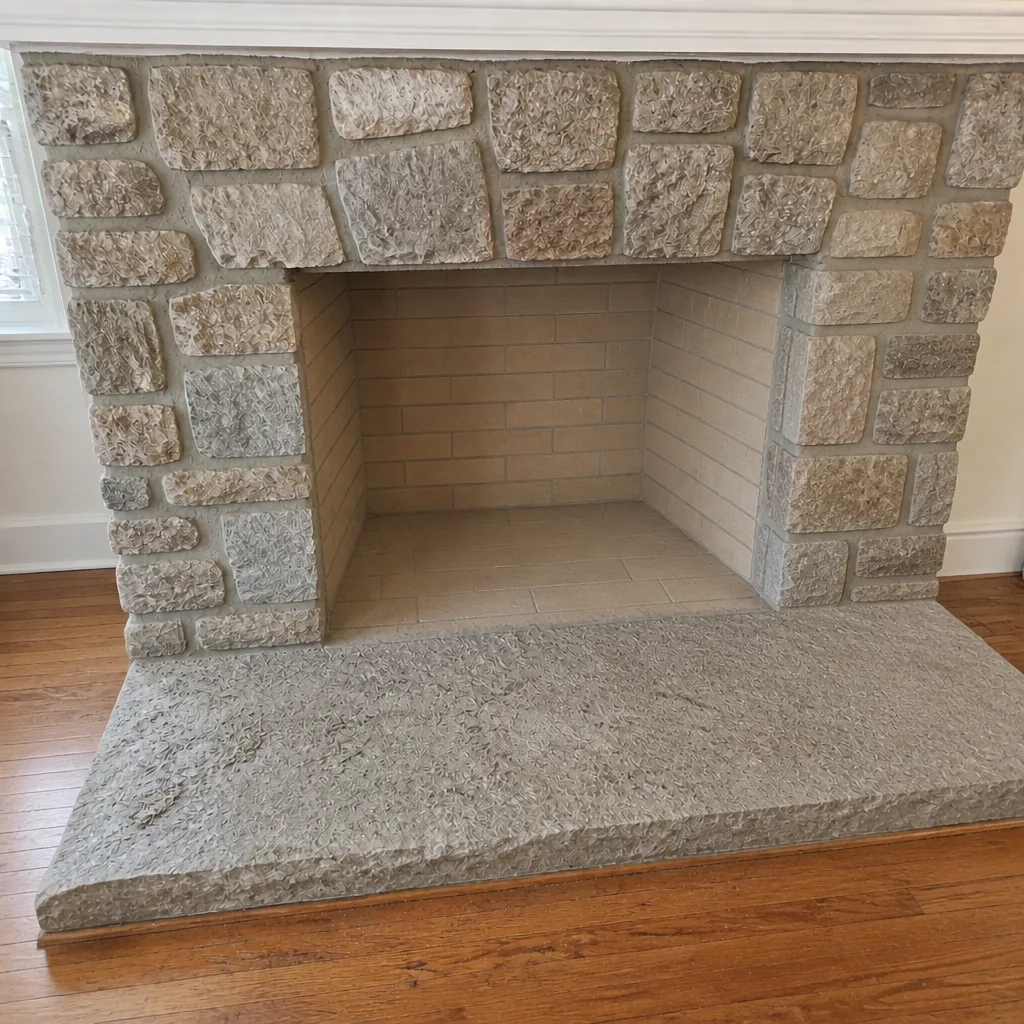
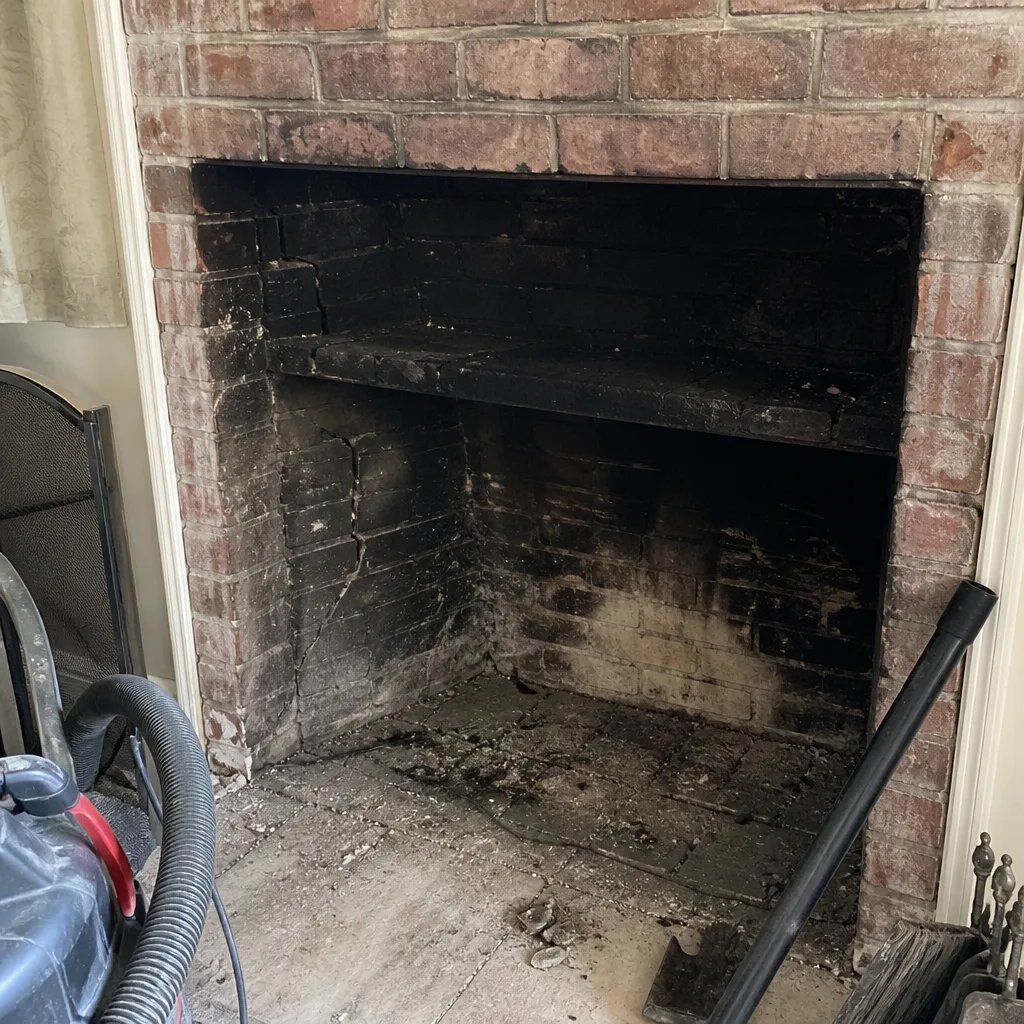
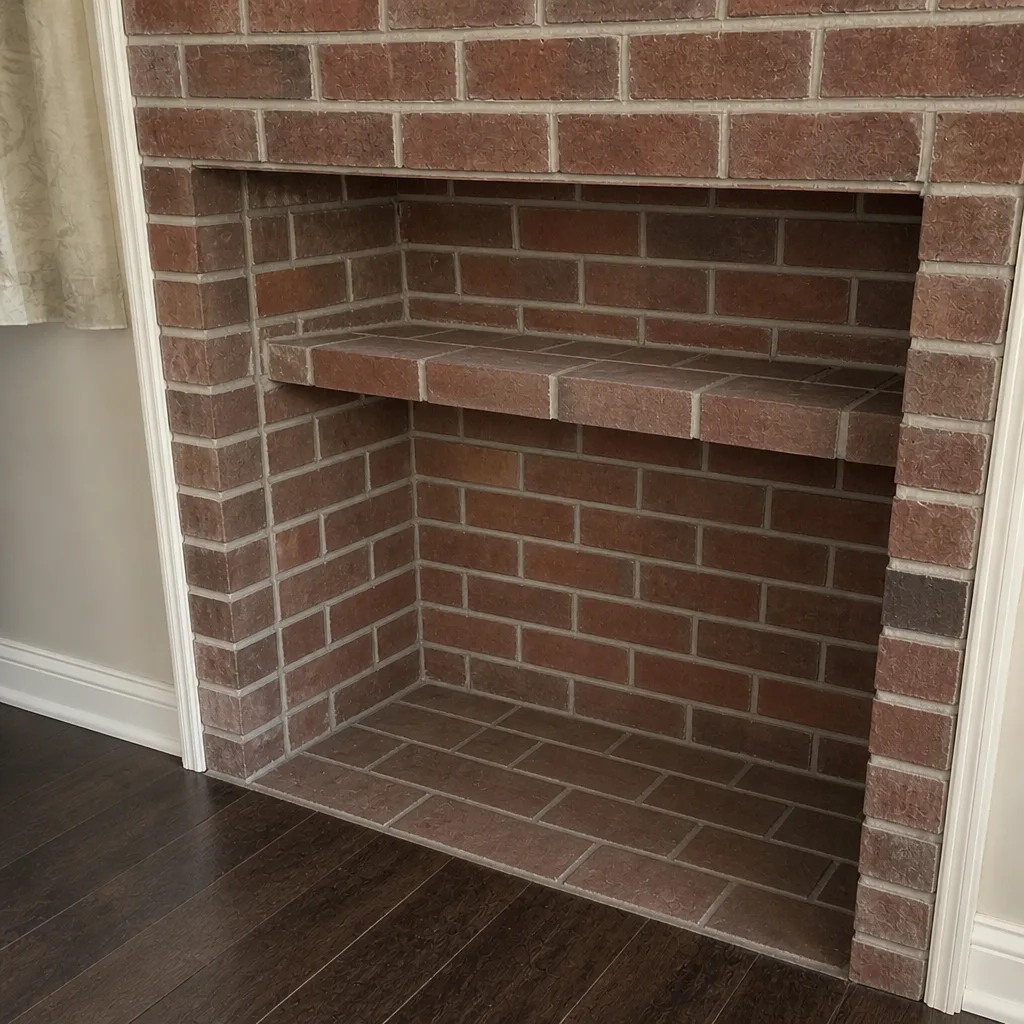
See the difference
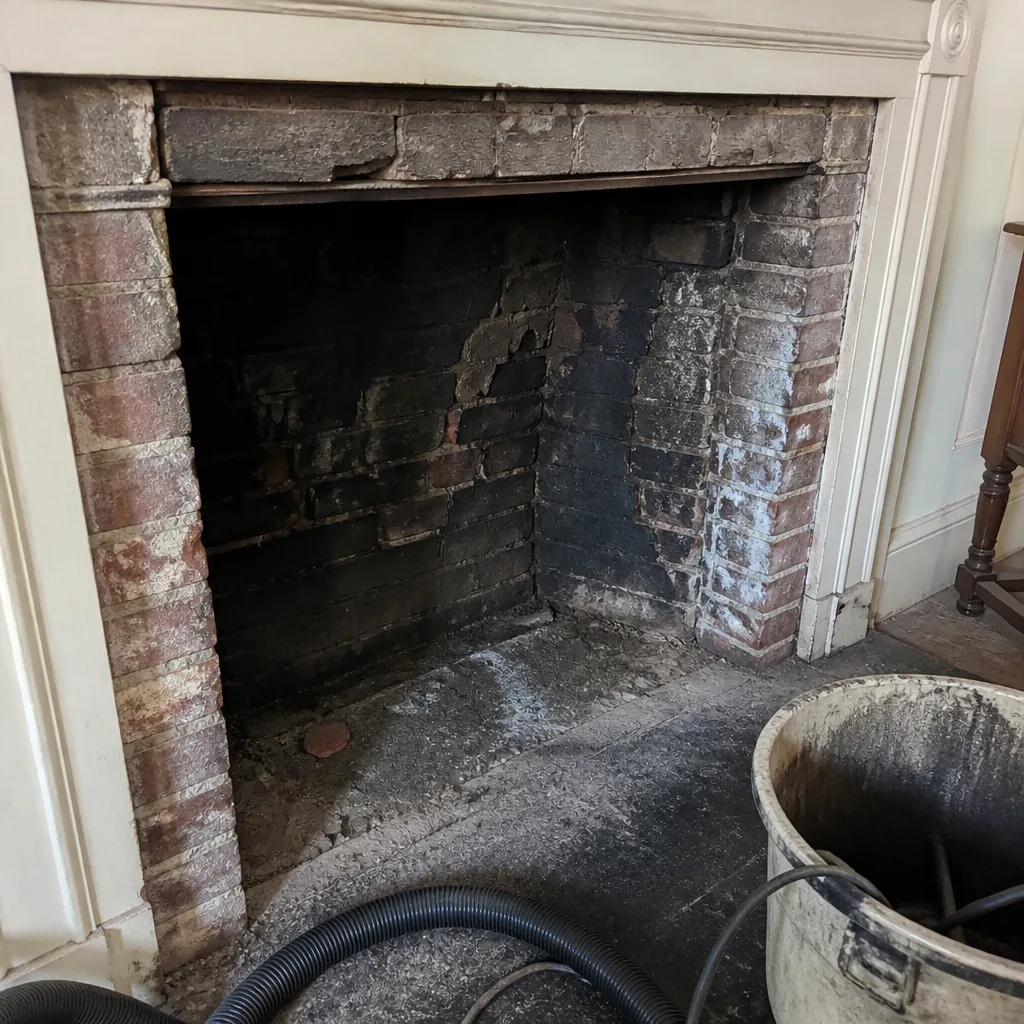 Before
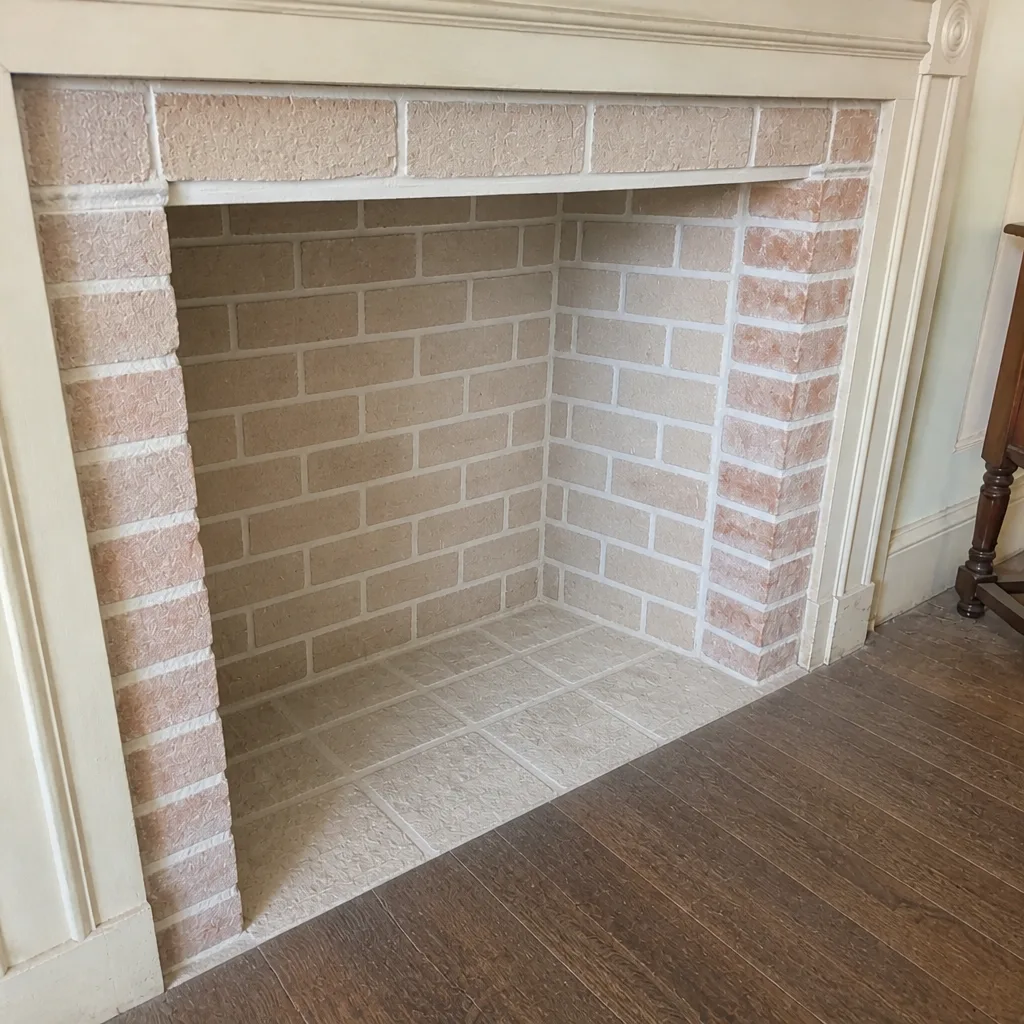 After
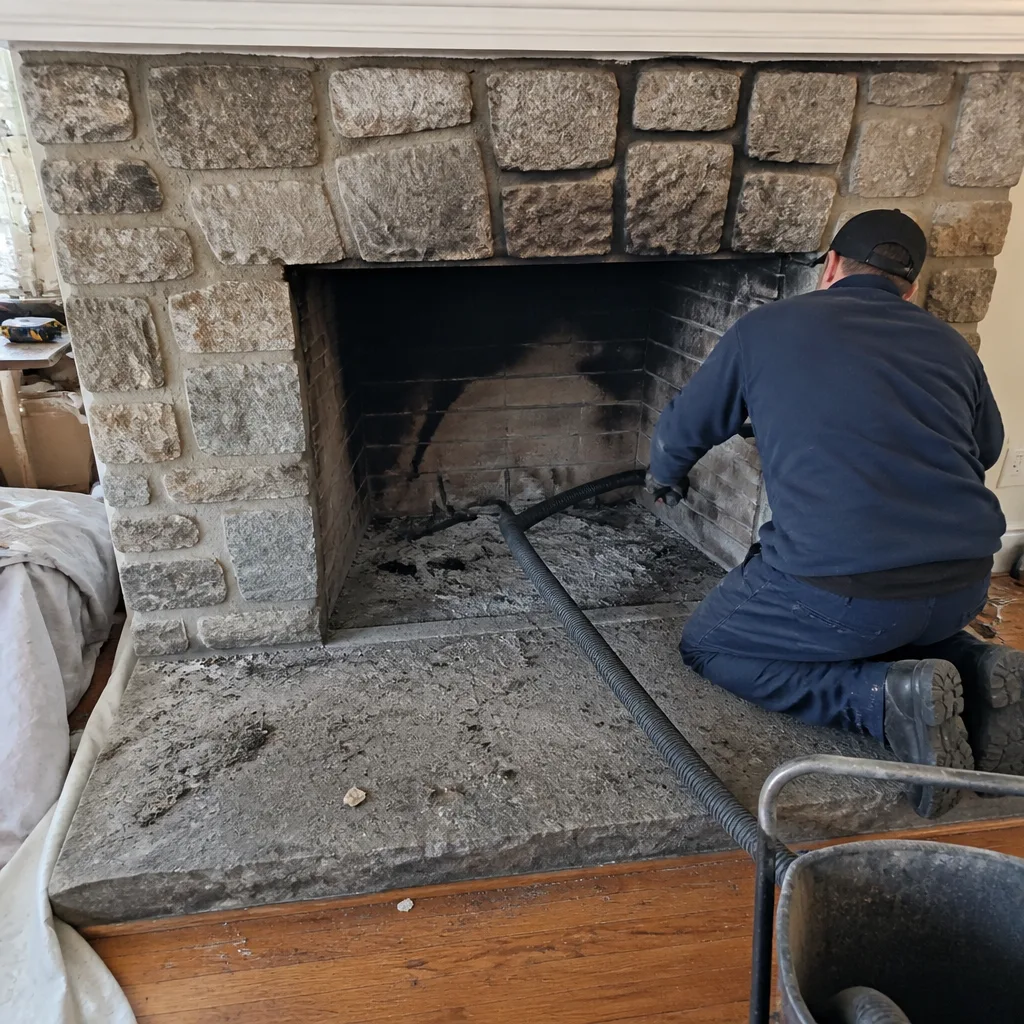 Before
 After
 Before
 After
When to Call a Professional
Call a professional after any suspected chimney fire, after any CO alarm event, and before relighting a flue that hasn’t been inspected since either one. Call if you see draft failure signs (smoke backdrafting, soot streaks, a furnace flue that behaves oddly when the fireplace runs). Call if the chimney cap is missing or damaged, if you smell soot in a room that has an appliance, or if you’ve bought a New Bedford home and don’t know the last time the flue was swept. Call if you’re heading into burning season and the flue hasn’t been looked at. Chimney Sweep New Bedford offers free estimates in New Bedford. Call (877) 845-1880. We answer 24/7. Fast dispatch from 7am to 7pm, Sunday through Friday. Our technicians have up to 10 years of experience, and we work chimneys only: inspection, cleaning, and chimney sweep visit scheduling in one call.
Frequently Asked Questions
Most chimney fires sound like a low rumble or a distant train, not a roar. You may also hear popping, crackling louder than the wood should make, or a whooshing sound as air is pulled up the flue. If you hear any of these alongside a hot smell or smoke in the room, treat it as a flue fire and evacuate.
No. The fire department clears the home for re-entry, not the flue for relighting. The flue has to be cleared by a Level 2 inspection that confirms liner integrity. Until that inspection happens, don’t relight. Call (877) 845-1880 to book one; estimates are free.
You can’t know from the firebox alone. Draft failure signs (smoke backing in, soot streaks, a lazy burn, appliance backdrafting) suggest a partial block, but a hidden blockage above the smoke shelf often shows no sign until a CO alarm fires. The only way to rule it out is a camera inspection. Call (877) 845-1880 for a look before you burn.
Get everyone outside and call 911. Don’t look for the source yourself and don’t relight the appliance. Once the home has been cleared, book a chimney inspection before the appliance comes back on. For that next step, call (877) 845-1880 and we’ll get a technician scheduled.
A basic sweep cleans soot and creosote; it doesn’t assess liner integrity. A Level 2 inspection adds a video scan of the entire flue and a written report. After a fire, a fuel change, or a structural event, Level 2 is the standard. It’s also what your insurer will ask for. Call (877) 845-1880 for an exact quote on the inspection; estimates are free.
Annual sweeping and inspection is the standard guidance for any chimney in use, and heavier wood use can justify more frequent attention. Even gas and oil appliance flues need annual inspection for blockage, even though they don’t build creosote the way wood does. Book before burning season. Call (877) 845-1880 for a free estimate.
The Bottom Line
Chimney emergencies break into two categories: a flue fire and a carbon monoxide event. The prepared response to a fire is evacuate, call 911, don’t throw water, and don’t relight until a Level 2 inspection clears the flue. The prepared response to CO is evacuate, call 911, and inspect before relighting. Behind both is prevention: an annual sweep and inspection, working CO alarms, and a cap that fits. In New Bedford, the older housing stock and cold-weather burning cycle make all of this more relevant, not less. The right time to prepare is before the season starts. Call (877) 845-1880 for a free estimate on a sweep or inspection. We answer 24/7. Fast dispatch from 7am to 7pm, Sunday through Friday. For routine scheduling, start with New Bedford and we’ll take it from there.
Written by the team at Chimney Sweep New Bedford.