
Last updated November 15, 2026
 Sweep & inspection
 Caps & crowns
 Flue relining
 Masonry repair
 Gas fireplace service
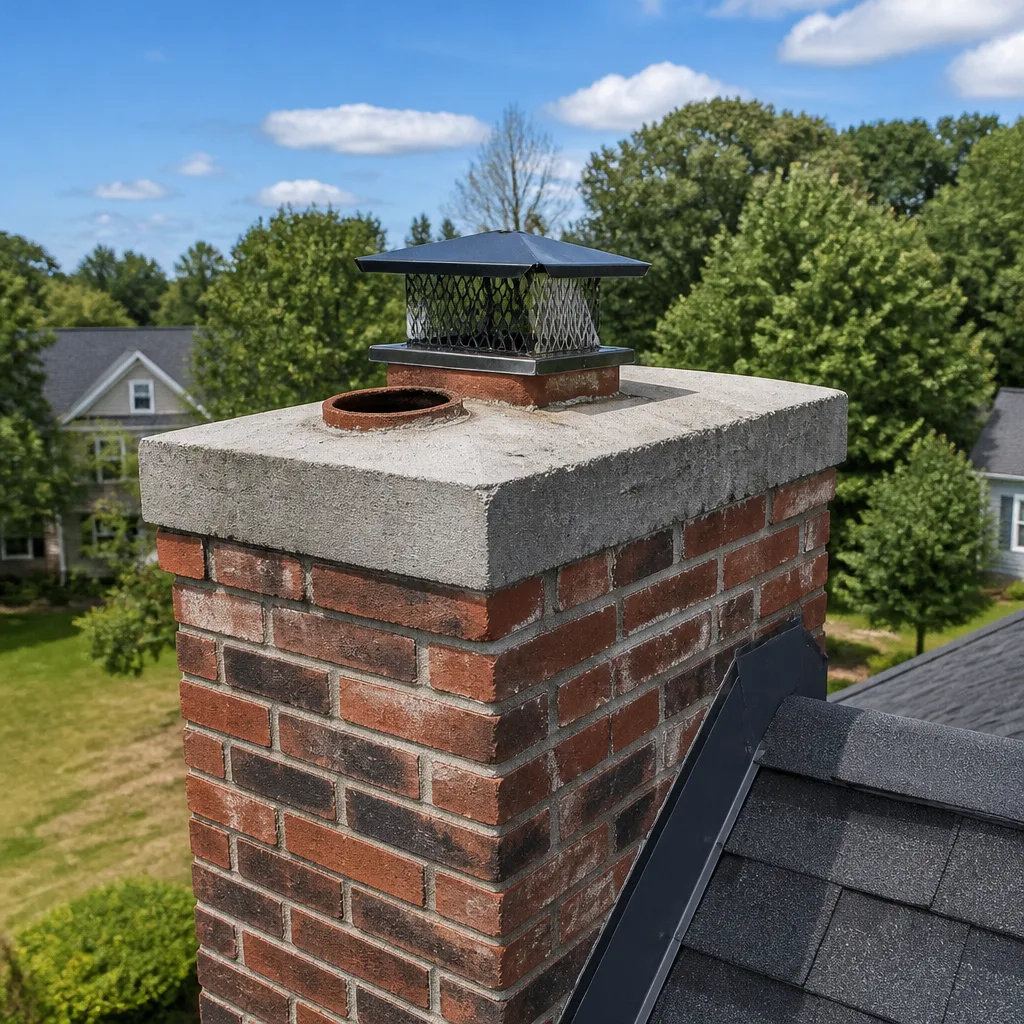
Level 1 sweep and inspection to the NFPA 211 annual standard - flue, crown, cap, and flashing checked and photographed
Chimney sweep logs do not sweep chimneys. They loosen some creosote - which then falls where a brush and vacuum still have to collect it.
DIY vs Professional Chimney Cleaning: The New Bedford Homeowner’s Decision Guide
You can buy a chimney brush kit at the hardware store. What you can’t buy there is a rotary cleaning system that removes glazed Stage 2 creosote, a camera that shows you the inside of a liner you’ll never see otherwise, or someone else’s liability if a hidden crack goes unnoticed. That’s the whole decision in one sentence, and it’s not really about skill. Most Chimney cleaning questions in New Bedford come down to equipment and what you can verify. This guide draws the line precisely: which cleaning tasks are reasonable for a careful homeowner, which ones create risk you can’t see, and what a professional sweep actually adds to a job you’ve already started.
Quick Answer
Light, dry, Stage 1 creosote on a straight, accessible flue with a clean-out door is something a careful homeowner can manage between professional visits. Anything involving glazed or hardened creosote, an unlined or unknown flue, a blocked cap, animal nesting, or a liner you’ve never inspected belongs with a trained chimney technician. The equipment gap – rotary cleaning systems, inspection cameras, and industrial HEPA vacuums – is what separates a reasonable DIY job from an undetected hazard.
Styles & brands we work with
- Sweep & inspection
- Caps & crowns
- Flue relining
- Masonry repair
- Gas fireplace service
Table of Contents
- What Professionals Bring That Consumer Kits Don’t
- The Specific Conditions Where DIY Cleaning Is Reasonable
- The Conditions Where DIY Creates Undetected Risk
- What DIY Cleaning Actually Saves – and What It Misses
- Liability Exposure When You Clean It Yourself
- What a Homeowner Can Legitimately Do Between Professional Visits
- Why Inspection Is the Real Service, Not Sweeping
- How to Schedule a Sweep in New Bedford
What Professionals Bring That Consumer Kits Don’t
The gear difference is measurable. A hardware-store brush is a pole and a set of poly or wire bristles. A working chimney service carries several categories of equipment that no consumer package includes, and each one exists because of a limitation in the brush kit.
Here’s what a professional technician uses on a normal sweep call:
- A rotary cleaning system. A powered spinning head with interchangeable whip and chain attachments. Rotary systems remove glazed Stage 2 creosote that a flat brush slides right over. Bristles can’t shear off a hard, tar-like glaze; rotation can.
- An inspection camera. A dedicated flue camera on a flexible rod, with a monitor the technician and homeowner can both watch. It reads the inside of the liner, checks offsets and flue tile joints, and reveals cracks that a visual look from the firebox can never show.
- An industrial HEPA vacuum. Consumer shop vacs leak fine soot back into the room. A true HEPA unit pulls and holds the particles while the brush is working, which is why a professional sweep doesn’t leave a dust film on your mantel after the job.
- Brushes sized to the actual flue. A brush that’s too small skips the corners of a rectangular flue; one that’s too large gets stuck or damages the tile. The right fit requires knowing the flue dimensions, which means measuring, not guessing.
- Access tools and drop cloths. Drop cloths sized to the hearth and floor, a clean-out rod set, and the attachments to work around a damper that isn’t removable.
Our technicians have up to 10 years of experience, and they use the same professional-grade product lines used by certified industry pros – DuraFlex, HeatShield, Gelco, Olympia Chimney, Famco, and Copperfield. We specify materials by name because what goes into your chimney matters. When a sweep turns into a repair call mid-job – a cracked crown, a missing cap, a deteriorating tile – the brand list is why the fix doesn’t require a second contractor. Safe draft starts with the right liner, the right cap, and the right sweep, and the sweep is the only one of those three that’s repeatable every year.
The Specific Conditions Where DIY Cleaning Is Reasonable
This is the section most chimney guides skip, because it’s easier to say “never do it yourself.” In our experience, there is a real category of chimney job that a careful homeowner can handle. It’s narrow, but it exits. Here’s how to tell whether your chimney fits.
DIY is technically reasonable when all of the following are true:
- The flue is straight and accessible. A straight vertical flue with a clean-out door at the base and an unobstructed top. Not a flue with an offset, a back-pitched section, or a damper the brush rod can’t pass.
- The creosote is light and dry. Stage 1 creosote is flaky, soot-like, and brushes off easily. If you can crumble it between your fingers, it’s Stage 1.
- The chimney is already known to be sound. You have a recent professional inspection showing intact liner, intact tile, and no cracks.
- You’ve done it before and know the safety steps. Working from a stable ladder with a spotter, sealing the firebox, wearing eye protection and a proper mask, and knowing how much soot is normal.
- You can verify the result. You can look down the flue from the top with a strong light and confirm the walls are clean.
Even inside that envelope, the job has a hard ceiling. Creosote builds in three stages, and Stage 1 is the only one that a bristle brush reliably handles. Stage 2 is hardened and crusted; Stage 3 is glazed, tar-like, and the specific fuel that turns a small stove fire into a chimney fire. A homeowner brushing a Stage 3 flue isn’t cleaning it – they’re polishing a surface that will keep accumulating. That’s a rotary or chemical treatment call, not a brush call, and it’s where the DIY path ends. For the full breakdown of what each sweep step covers, see our chimney sweep service.
The Conditions Where DIY Creates Undetected Risk
Here in New Bedford, the heating season is long, and a lot of wood gets burned between October and April. That means creosote accumulation is real, and it means the conditions where DIY goes wrong show up regularly.
DIY cleaning creates undetected risk when:
- Creosote has hardened past Stage 1. The brush glides over the crust because it can’t cut it. The flue looks clean from the firebox and isn’t. The next fire heats the remaining crust; a chimney fire starts inside a chimney the homeowner believes was just swept.
- The flue is clay-tile lined and older. Many New Bedford homes predate modern liner standards, and a brittle tile flue can crack under a homeowner’s brush rod if the wrong force hits the wrong joint. A cracked tile opens a path for combustion gases to reach the structure.
- You can’t see the liner. The single biggest DIY blind spot is that a homeowner has no way to look at the flue interior. A professional camera pass reads the whole length; a flashlight down the flue reads a few feet of it. For unlined or original-tile flues, that gap matters most, which is where chimney repair capability – including HeatShield resurfacing – can often address a damaged liner without a full rebuild.
- There’s a blockage at the cap or in the flue. Nesting birds, squirrels, and leaves are common in this region. A brush pushed into a blocked flue can compact the obstruction rather than clear it, and a flue that exhausts poorly is a carbon monoxide risk.
- The chimney crown, cap, or flashing is failing. These aren’t cleaning issues, but they’re what a professional sweep catches while it’s there. A homeowner cleaning the flue won’t notice that the cap is half-missing, and water intrusion in a New Bedford winter does structural damage the next freeze will find.
The pattern here is consistent: it’s not that doing the work is too hard. It’s that the work can be done, look finished, and leave the actual hazard untouched. A clean-looking flue isn’t a safe flue unless someone can see inside it. If you’re in New Bedford or a nearby town and your last cleaning was a DIY job, a camera inspection is the honest way to find out what’s actually left in there.
What DIY Cleaning Actually Saves – and What It Misses
Let’s be straight about the math, because “DIY saves money” gets repeated without ever being tested. A homeowner weighing the decision should compare the realistic total, not the sticker on a brush kit.
On the savings side, DIY avoids the cost of a professional sweep. On the cost side, it usually involves:
- Equipment you buy once and rarely use. A brush kit sized to your flue, drop cloths, a respirator rated for soot, and a work light. Some of it is reusable; much of it sits in the garage.
- Time, and more of it than expected. Getting on a roof safely, setting up, running the brush, cleaning up the firebox, and hauling the soot. A first-time DIY job can take a full morning.
- A shop vacuum you have to protect. A standard home vacuum isn’t built for soot and shouldn’t be used without a HEPA filter, and even then the fine dust can escape into the room.
- The inspection you didn’t get. This is the real cost. A professional sweep bundles an inspection with the cleaning – the camera pass, the crown and cap check, the flashing look – and no consumer kit delivers that. Over several years, the difference between “I sweep it myself” and “I have a record of every inspection” is a whole category of knowledge about your chimney that a DIY-only homeowner simply doesn’t have.
So the honest comparison is: DIY saves the per-visit cleaning cost and costs you equipment, labor, and a blind spot. Whether that’s a good trade depends entirely on the state of your flue. On a straight, sound, Stage 1 flue, the trade is fair. On anything else, the savings disappear the first time a hidden crack or a glazed patch causes a repair that a camera pass would have caught. If the work needs more than a sweep, Chimney Sweep New Bedford handles the repair and inspection side as part of the same call, so the estimate reflects what your flue actually needs, not two separate contractors’ guesses.
Liability Exposure When You Clean It Yourself
This is the section homeowners rarely think about until after the fact, and it’s worth stating plainly. If you clean your own chimney and there’s a subsequent chimney fire or a carbon monoxide incident, the question your insurer will ask isn’t “who did the work?” It’s “what records show the system was inspected and maintained?”
An insurance adjuster looking at a chimney fire claim typically wants to know when the flue was last serviced and by whom. A DIY homeowner usually has no record of either. A homeowner with a professional sweep on file has a dated inspection report, a description of the liner condition, and often a photo report of the camera pass. That record doesn’t prevent a fire. It does establish that the maintenance was done to a professional standard, which is the difference between a straightforward claim and one that turns into a coverage dispute.
There’s a second, quieter exposure: what happens if the DIY sweep damages a flue tile without knowing it. The damage isn’t visible and the homeowner can’t record it, because they never saw inside the flue. The next heating season, the weakened tile is a problem nobody can trace. A professional sweep, with a camera pass and a written record, closes that loop – if something is found, it’s documented and addressed before it becomes an issue. In New Bedford, a long heating season gives a small undetected problem plenty of chances to get bigger. The New Bedford service area page covers how a typical visit runs locally, and one call to (877) 845-1880 gets you a free estimate and a record you can point to.
What a Homeowner Can Legitimately Do Between Professional Visits
Between professional sweeps, a homeowner can do real maintenance without touching the flue interior. This is the part of the DIY conversation that actually helps, and we’d rather a New Bedford homeowner do these well than take a brush to a Stage 3 flue.
Safe, legitimate between-visit tasks:
- Burn dry, seasoned wood. Wood with high moisture content produces more creosote per fire. Seasoned wood splits cleaner, burns hotter, and leaves less behind. This is the single biggest lever a homeowner controls.
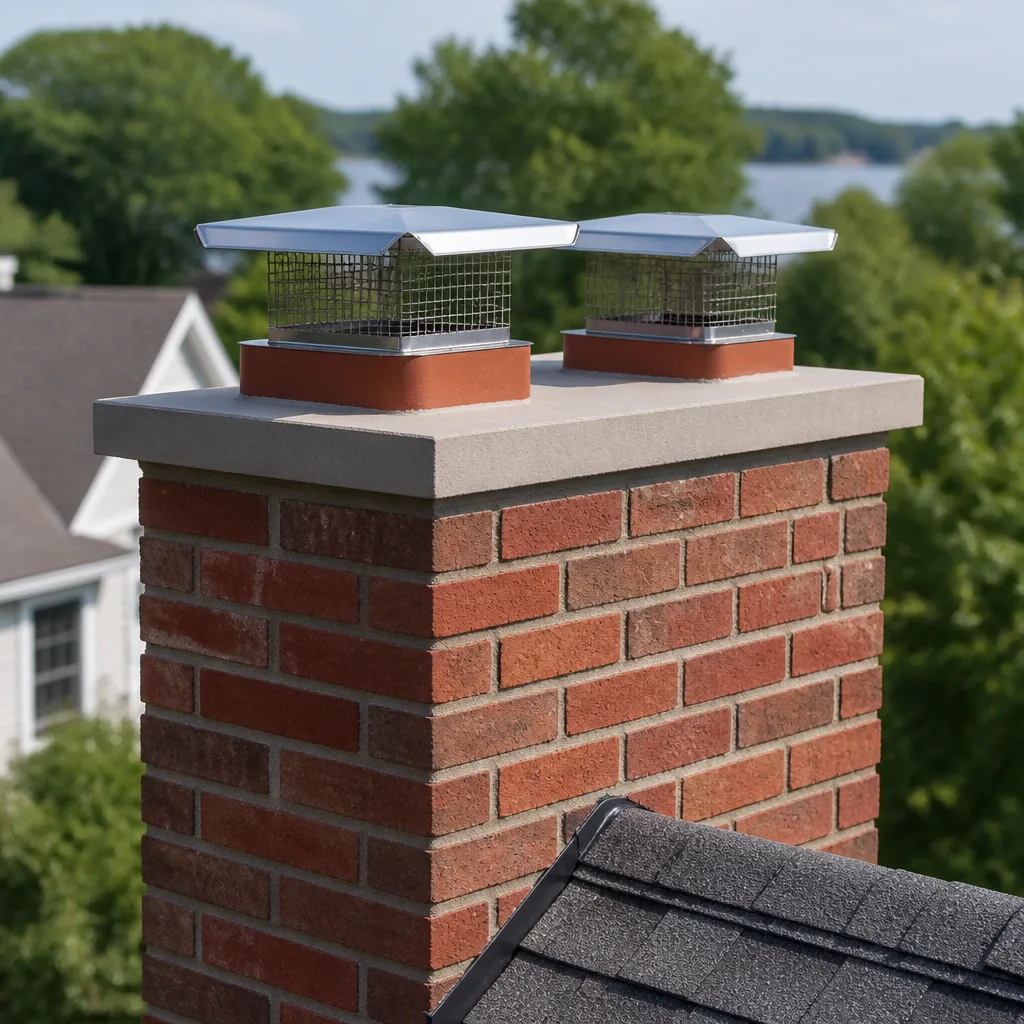
- Keep an eye on the cap and crown. From the ground, check that the cap is in place and the crown looks intact. A missing cap lets in rain and animals; a cracked crown lets water into the chimney structure. Both are fixable, and both become expensive if left through a freeze-thaw winter.
- Clear the firebox and ash regularly. Empty the firebox after cool-down and don’t let ash pile up. A clean firebox makes it easier to spot problems early.
- Watch for draft changes. If smoke backs into the room on a cold start, or the fire struggles where it didn’t before, that’s a signal – not something to clean around. It’s a call for an inspection.
- Keep an eye on the flue’s exterior. Look for white staining, crumbling mortar, or rust streaks on the chimney or its cap. Each one points to a moisture problem worth checking.
What not to do between visits: don’t burn a creosote-dissolving log and count it as a sweep. It doesn’t remove the hardened deposit a professional rotary system removes, and it doesn’t replace an inspection. It’s a fire safety product, not a maintenance record. Olympia Chimney and Famco parts come up often when a homeowner’s cap or cover fails mid-season, and getting the right replacement installed correctly is a chimney-specific job, not a hardware-store match.
Why Inspection Is the Real Service, Not Sweeping
Sweeping gets the attention, but inspection is where a professional chimney visit earns its keep. A sweep that only removes soot and leaves without a camera pass is a cleaning service, not a chimney service, and the difference shows up years later.
A proper visit in this trade covers three things, and they belong in one appointment:
- The cleaning. Rotary or brush, sized to the flue, with an industrial vacuum. This is what you can see the result of.
- The inspection. A camera pass of the full flue, plus a look at the crown, cap, flashing, damper, and firebox. This is what you can’t do yourself, and it’s the part that finds the risk before it becomes a repair.
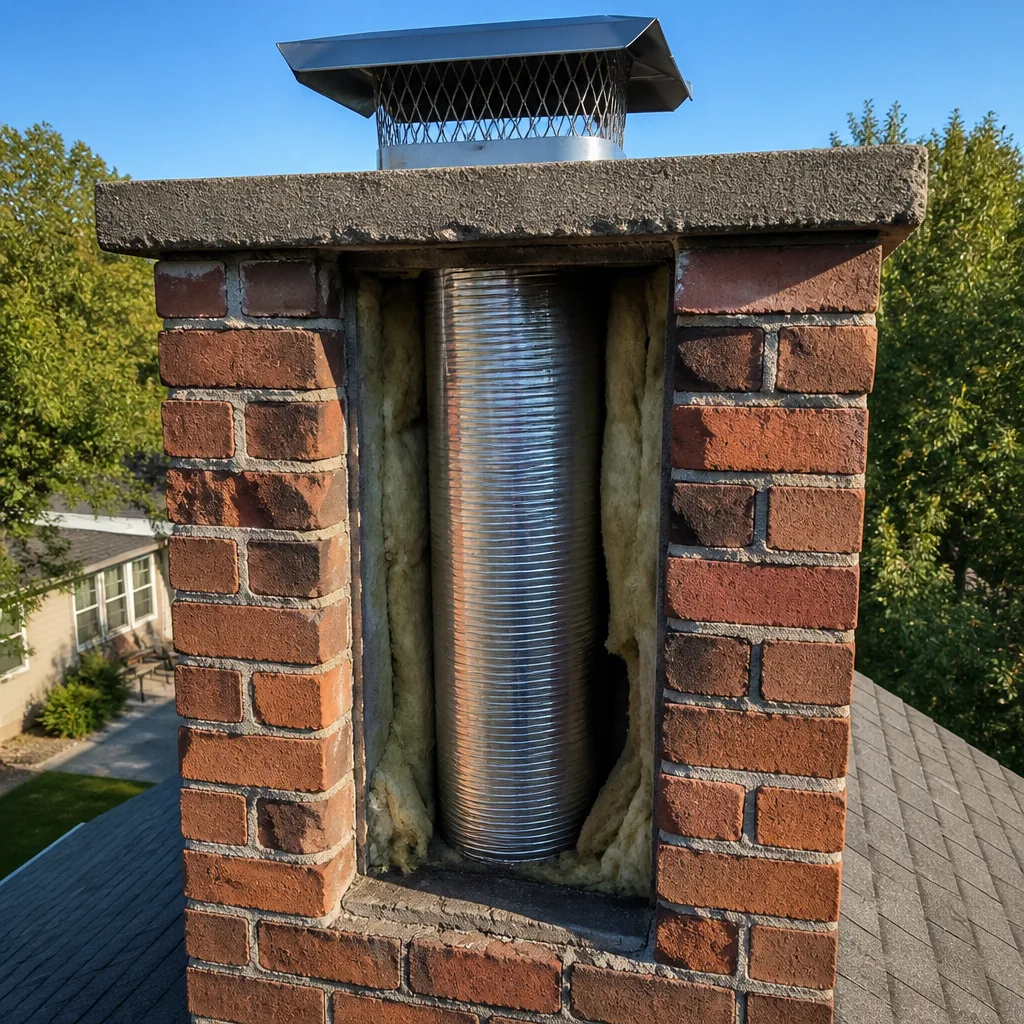
- The repair, when needed. A cracked crown, a failed cap, a damaged tile joint, or a liner in need of resurfacing. HeatShield resurfacing can often repair liner damage without a full replacement, and DuraFlex liner systems cover full relining on an older or damaged flue. From sweep to repair to inspection, one call covers the full flue.
For a homeowner who’s been cleaning their own chimney, the practical next step is a professional inspection even if you don’t need a sweep. It establishes the baseline: what your liner is, what condition it’s in, and what the maintenance standard is from here. If the inspection turns up work, you get an estimate per job, with the written estimate setting the final price – no surprise line items.
How to Schedule a Sweep in New Bedford
Booking a visit fits into the seasonal rhythm here. Wood-burning households usually want the sweep done before the heating season ramps up, because the urgency is seasonal: a clean flue going into the burning months is what protects the house all winter. Here’s how a professional visit runs:
- Call and describe the chimney. Wood, gas, or oil, how the chimney is used, and anything you’ve noticed – draft problems, staining, a cap that looks off. That description lets us match the right technician to the job.
- Get a free estimate. The price is set per job by the written estimate, and it reflects what your flue actually needs.
- Book the visit. Our technicians bring the drop cloths, the vacuum, and the inspection camera, and the camera pass is included. You see what the technician sees.
- Walk the result. Before the technician leaves, you’ll know what was swept, what the camera found, and what – if anything – needs follow-up repair. Nothing is recommended without visible evidence, and where work can safely wait, you’ll hear that plainly.
If you’ve been doing your own cleaning and want to know what a professional inspection would find on your chimney, call (877) 845-1880. We answer 24/7. Fast dispatch from 7am to 7pm, Sunday through Friday. The estimate is free, and the record you get is the part you can’t do yourself.
Common Mistakes to Avoid
- Assuming a hard, shiny flue is clean. A glazed surface is Stage 3 creosote, the most flammable stage. A brush that slides over it hasn’t cleaned anything – the next fire heats the deposit, not the flue.
- Brushing a flue you’ve never had inspected. In New Bedford’s older housing stock, tile liners can be brittle. Running a brush rod through a flue you haven’t had a camera pass on risks cracking a tile you can’t see.
- Using a home shop vac for soot. Fine soot passes straight through ordinary filters and ends up in the room. It’s a respiratory and cleanup problem, not a cleaning solution.
- Burning a creosote log instead of sweeping. It doesn’t remove hardened Stage 2 or Stage 3 deposits, and it doesn’t replace an inspection. It’s not the same job.
- Cleaning from the roof without a spotter. Ladder work on a pitched roof is the highest-risk part of a DIY sweep, and it’s where the injuries happen. If the roof or weather is marginal, it’s a call-a-professional day.
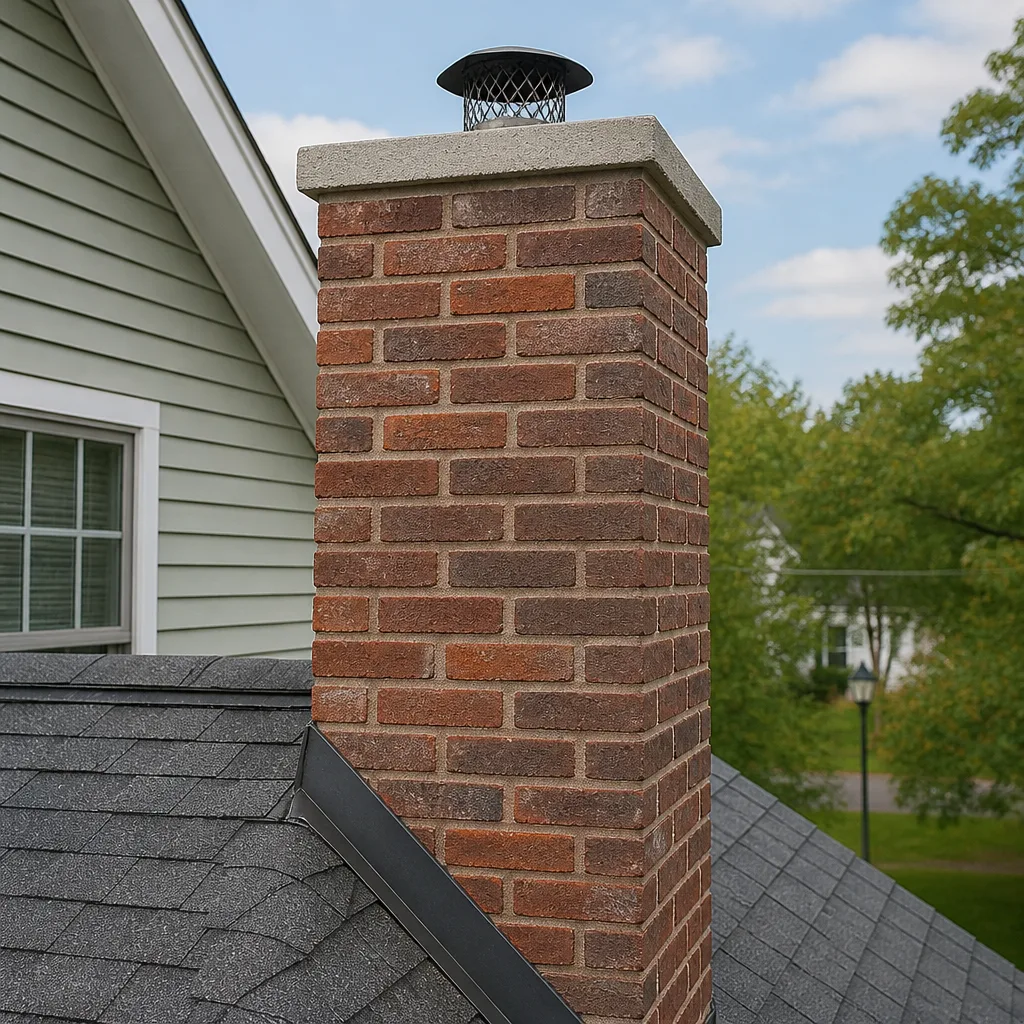
- Ignoring the cap and crown because the flue is clean inside. Water intrusion from a failed cap or crown does structural damage over a New Bedford winter. It’s a separate problem from creosote and just as costly.
- Going years without any camera inspection. A clean chimney with an undocumented liner is an unknown chimney. A camera pass on file today is the difference between a routine future service call and a mystery.
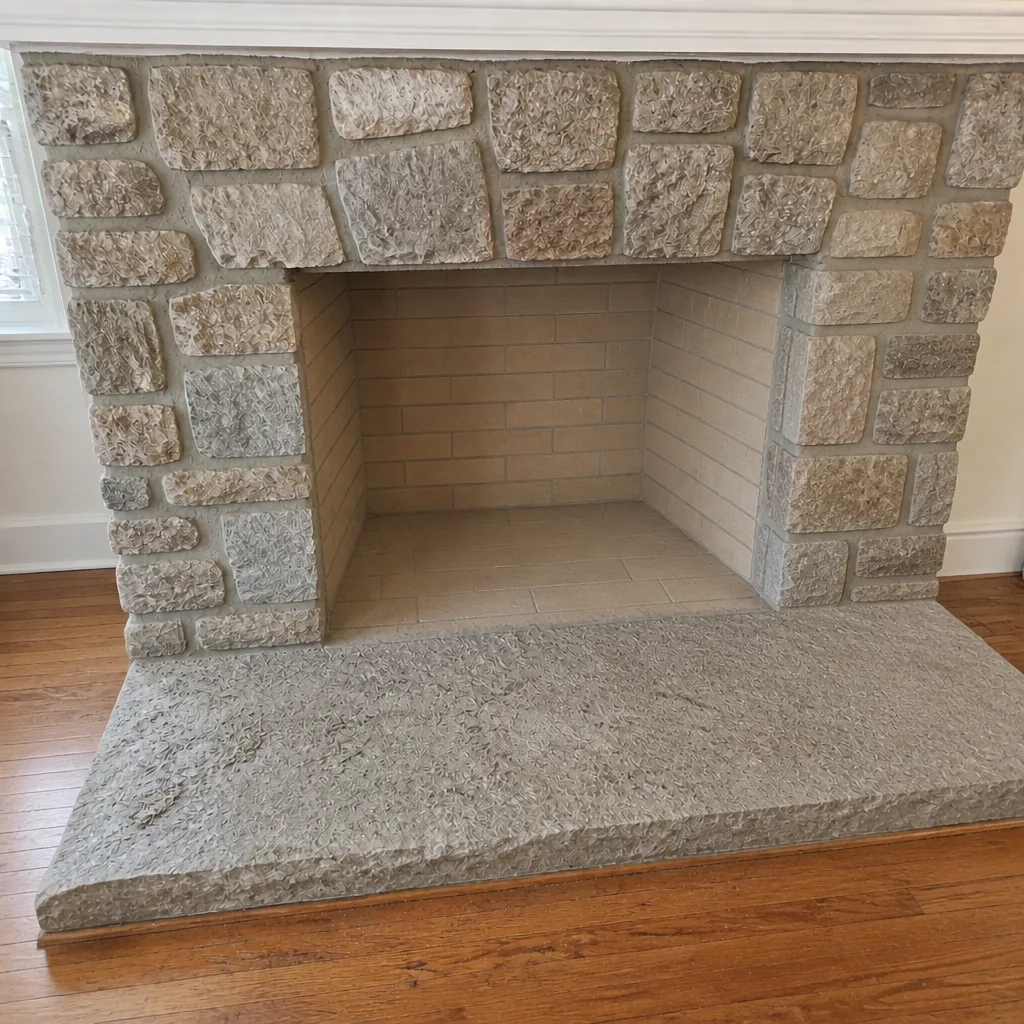
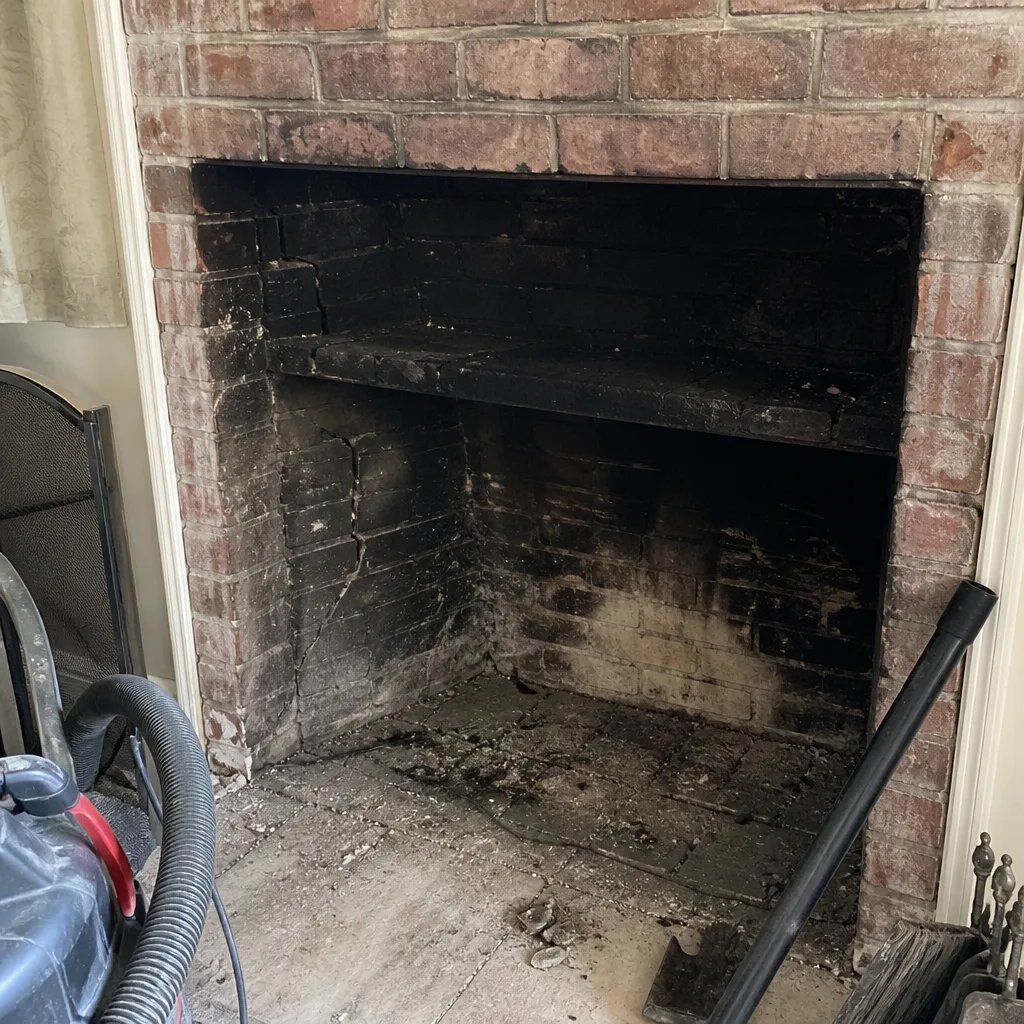
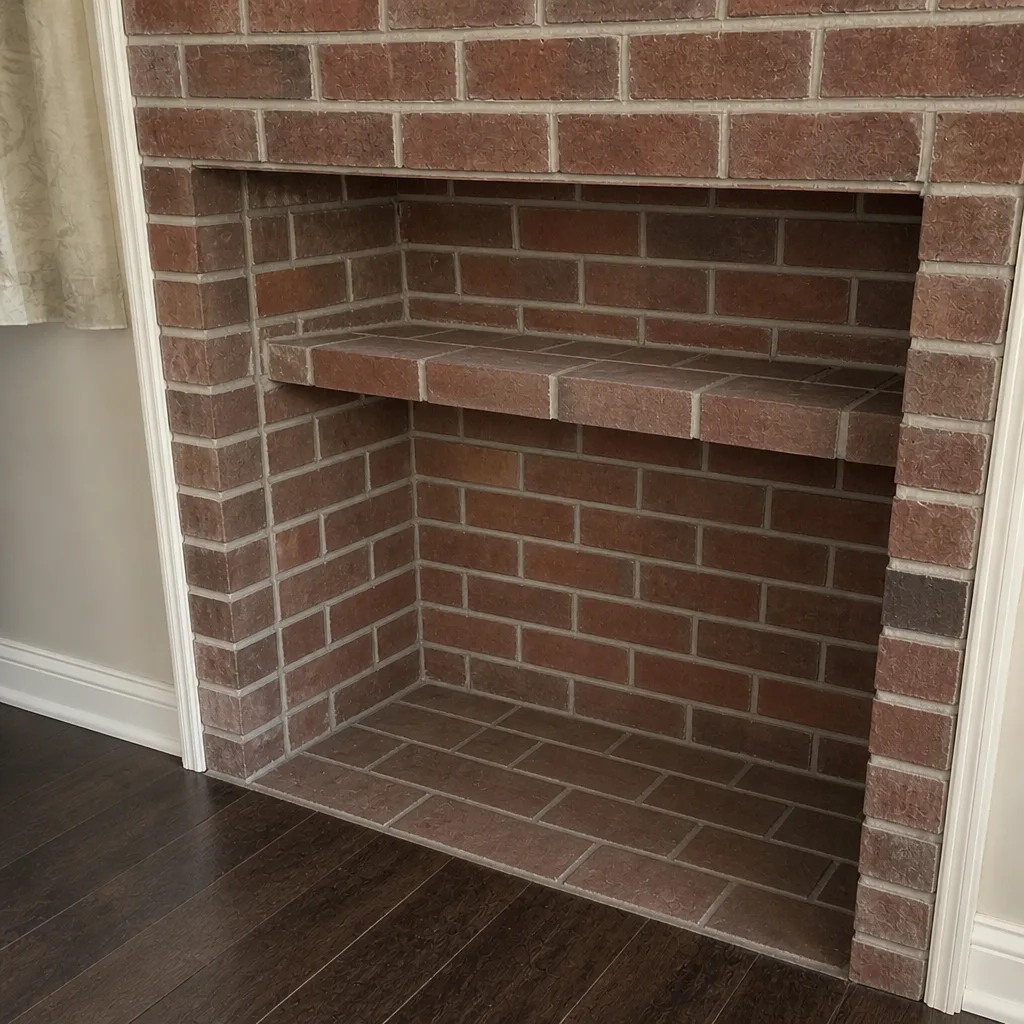
See the difference
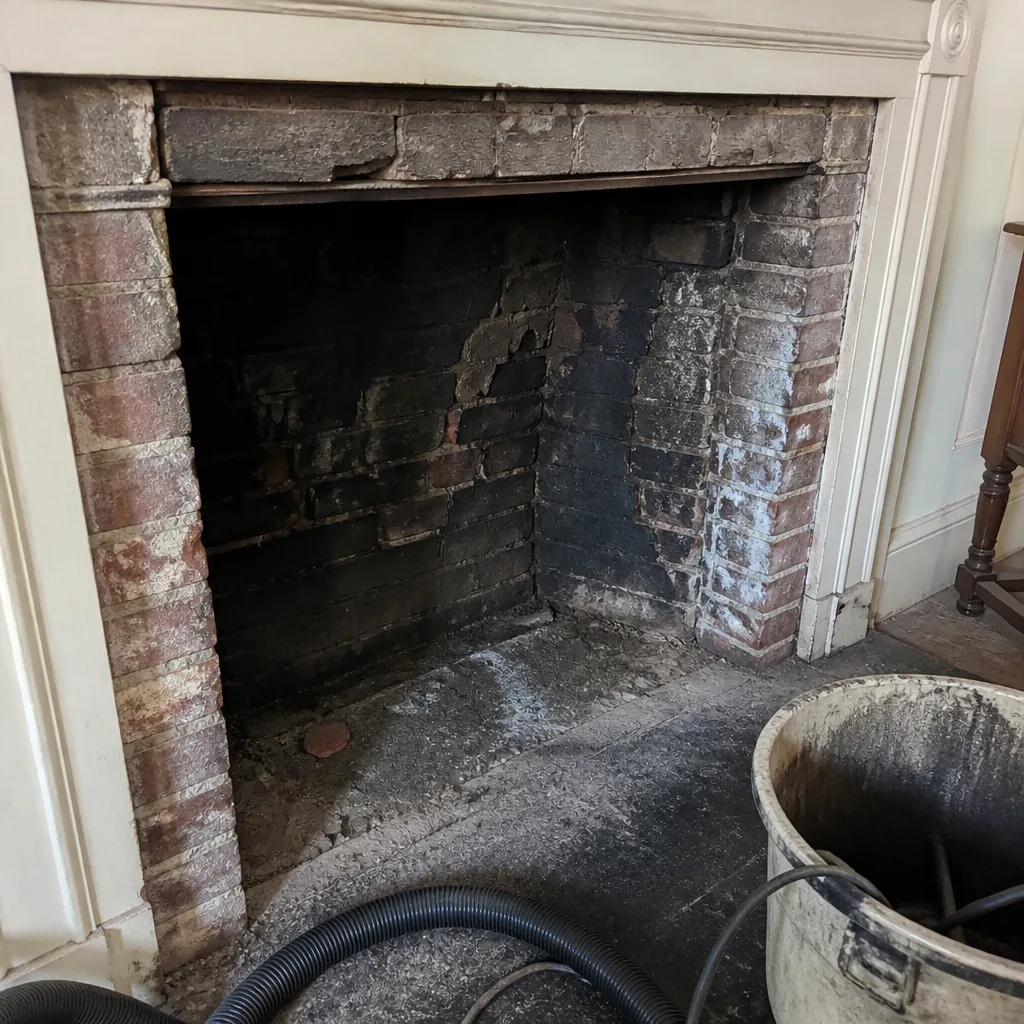 Before
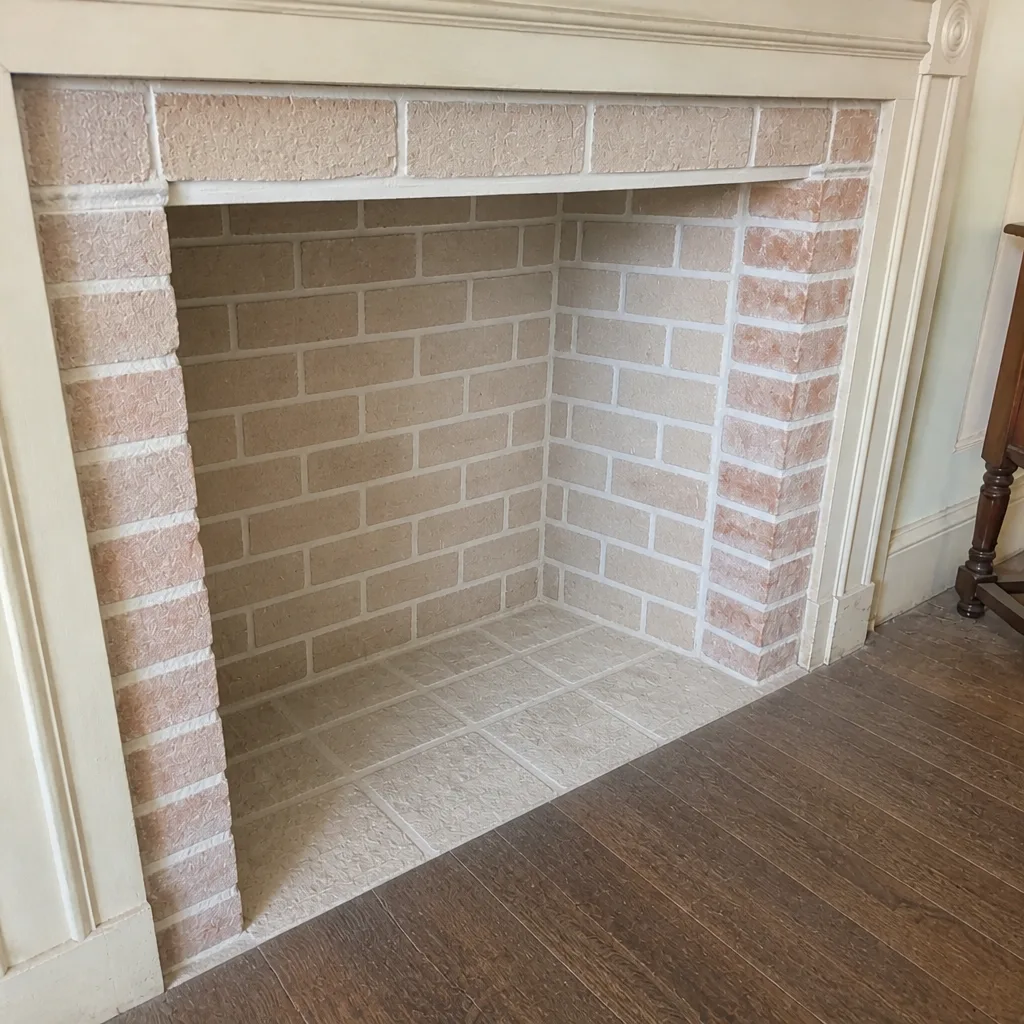 After
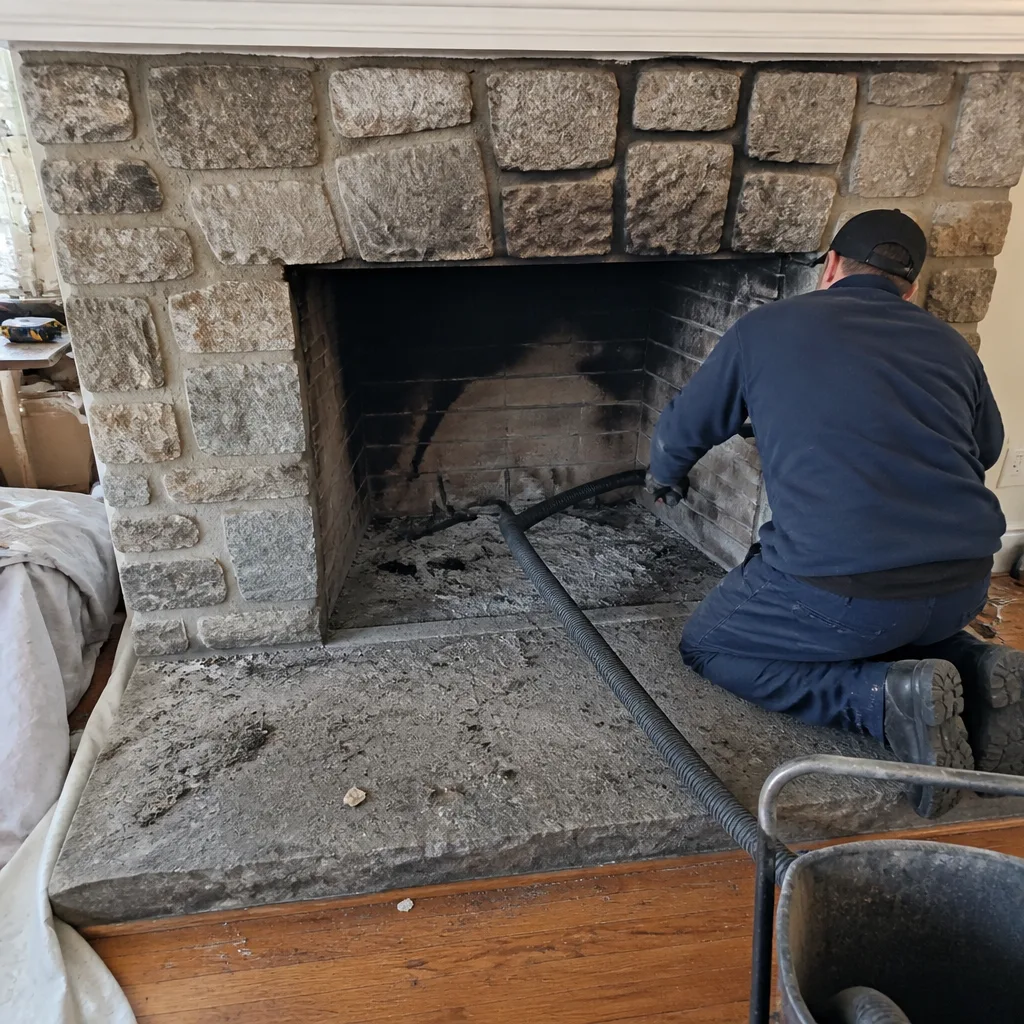 Before
 After
 Before
 After
When to Call a Professional
Call a professional rather than taking a brush to it in these situations: the creosote is hardened or glazed rather than flaky; the flue is unlined or clay-tile and you don’t have a recent inspection on file; the chimney has a cap, offset, or damper that the brush can’t pass; you notice draft problems, staining, rust streaks, or a missing cap; there’s a firebox smell after a sweep that didn’t clear; or the chimney is a gas or oil appliance flue, which has its own inspection needs. Also call if you’re unsure whether the flue is Stage 1 or beyond it. That uncertainty alone is worth a professional look, because you can’t solve a problem you can’t see. Chimney Sweep New Bedford offers free estimates in New Bedford – call (877) 845-1880.
Frequently Asked Questions
Sometimes, yes. Light Stage 1 creosote on a straight, accessible, previously-inspected flue is a reasonable DIY task. Anything beyond that – hardened or glazed creosote, an unlined flue, a blocked cap, or a liner you’ve never inspected – calls for a professional with a rotary system and a camera. The deciding factor isn’t your ability; it’s what you can see and what gear you own.
Stage 1 is flaky, dry, and brushes off. Stage 2 is hardened and crusted, and needs a rotary cleaning system to remove. Stage 3 is glazed and tar-like, the most flammable stage, and requires more aggressive treatment. A hardware-store brush handles Stage 1 and slides over the rest. If you’re not sure which stage you have, that’s a professional call.
Most wood-burning chimneys should be swept at least once a year, and more often if you burn heavily through the long heating season. The industry standard is to have the chimney inspected annually and cleaned when there’s a measurable buildup. With New Bedford’s extended burning season, a pre-season sweep plus an annual inspection is the practical baseline. Call (877) 845-1880 to book one – estimates are free.
You usually can’t know from the firebox, because the damage is on the inside of the flue where only a camera reaches it. The signals a homeowner can notice are draft problems, staining on the chimney exterior, or a recent sweep that turned up crumbling material. A camera inspection is the only definitive answer. HeatShield resurfacing can often repair liner damage without a full replacement where the damage is caught early – call (877) 845-1880 to find out what your flue needs.
It is only enough when the flue is genuinely Stage 1, sound, and inspected. The risk with DIY isn’t the cleaning – it’s the part you can’t verify. If a hardened deposit remains, or a tile joint has cracked, the sweep did nothing for the hazard. A professional sweep plus a camera pass is what gives you a real answer. Call (877) 845-1880 for a free estimate.
Yes, and the reasoning is different from wood. Gas and oil flues need inspection for venting, blockages, and appliance connections rather than creosote buildup, and the signs of a problem are often invisible from outside the flue. A camera inspection covers what a homeowner can’t check. Call (877) 845-1880 – estimates are free.
The Bottom Line
DIY chimney cleaning isn’t wrong – it’s limited. On a straight, sound, Stage 1 flue, a careful homeowner can handle the brush work between professional visits. Beyond that, the decision stops being about skill and becomes about equipment: the rotary system that removes glazed creosote, the camera that sees the liner, the HEPA vacuum that holds fine soot, and the record an insurer will look at. What a homeowner can do between visits matters – burn seasoned wood, watch the cap and crown, clear the firebox, and notice draft changes. What a homeowner can’t do is see inside the flue. That’s what a professional visit adds, and it’s the part that protects the house.
If you’ve been cleaning your own chimney and want to know what’s actually in there, call (877) 845-1880 for a free estimate. We answer 24/7. Fast dispatch from 7am to 7pm, Sunday through Friday. One visit covers the sweep, the camera inspection, and a clear report of what’s safe, what needs attention, and what can wait.
Written by the team at Chimney Sweep New Bedford.