
Last updated November 15, 2026
 Sweep & inspection
 Caps & crowns
 Flue relining
 Masonry repair
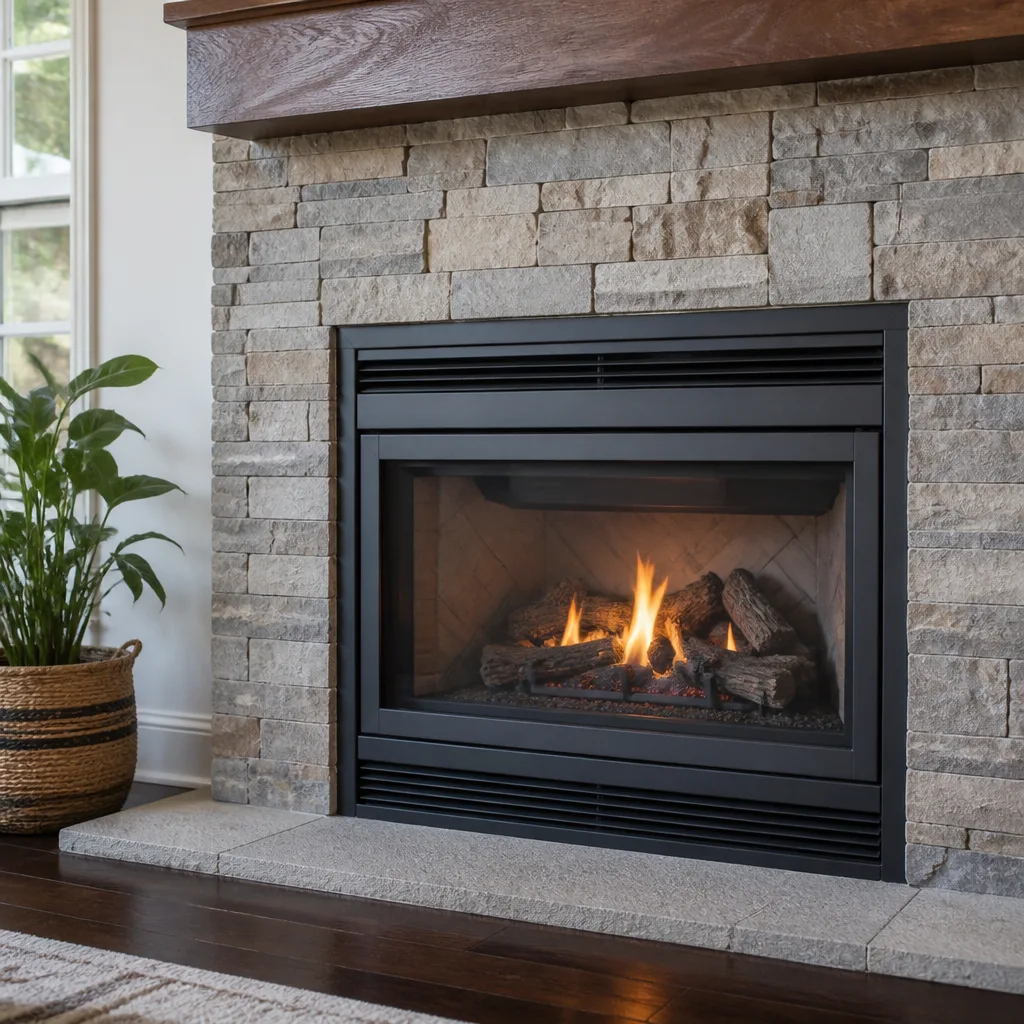 Gas fireplace service
Level 1 sweep and inspection to the NFPA 211 annual standard - flue, crown, cap, and flashing checked and photographed
Chimney sweep logs do not sweep chimneys. They loosen some creosote - which then falls where a brush and vacuum still have to collect it.
Chimney Cleaning Cost Breakdown: The New Bedford Homeowner’s Reference for 2026
A $129 chimney sweep and a $349 chimney sweep can both truthfully say they clean chimneys. That gap is the whole problem with shopping for chimney cleaning in New Bedford: the line item says “sweep,” but it doesn’t tell you what was inspected, what was protected, what was photographed, or what was quietly skipped. Price alone can’t separate a thorough cleaning from a fast brush-and-go. This reference breaks a cleaning quote into its actual components so you can compare bids on substance. You’ll see what each price tier typically covers, what an inspection adds, how materials quality moves the number, and how to read a quote line by line.
Quick Answer
Chimney cleaning in New Bedford typically runs $180 to $350 for a standard open-masonry fireplace, $200 to $375 for a wood or pellet insert, and $225 to $400 for a freestanding wood stove, with the higher end reflecting heavier creosote, difficult access, or a roof-level cleaning. A Level 2 inspection usually adds $100 to $250 on top of the sweep. The written estimate you receive sets the final price, and it should spell out exactly what’s included.
Styles & brands we work with
- Sweep & inspection
- Caps & crowns
- Flue relining
- Masonry repair
- Gas fireplace service
Table of Contents
- What actually drives chimney cleaning cost in New Bedford
- Cleaning cost by fireplace type: masonry, insert, and wood stove
- Level 1 vs. Level 2 inspection: what the add-on actually buys
- Materials transparency: professional-grade components vs. commodity alternatives
- The hidden cost of deferred cleaning over five years
- How to read a cleaning quote line by line
- New Bedford-specific factors: housing stock, fuel type, and burning season
- Questions to ask before you book the sweep
What actually drives chimney cleaning cost in New Bedford
Most homeowners assume the price of a chimney cleaning is set by the size of the chimney. It isn’t. The number on the estimate is built from five things: how much creosote is inside the flue, how hard the flue is to reach, how much protection and cleanup the job requires, what inspection depth you’ve asked for, and what the technician finds while working. Two chimneys of identical size can sit at opposite ends of the price range because of those factors.
Creosote is the biggest mover. A flue with light, powdery soot sweeps out with standard brushes in a straightforward job. A flue with glazed, hardened creosote takes rotary tooling, considerably more time, and more containment, because that material is combustible and doesn’t yield to a hand brush. We’ve seen quotes swing widely on this variable alone. It’s why a reputable company needs to look before it commits to a firm number, or at minimum asks detailed questions about your burning habits and when the chimney was last cleaned.
Access matters next. A chimney cleaned from the roof reads differently than one cleaned from the firebox with the damper sealed. The fireplace type, roofline pitch, and whether the flue has offsets all affect labor. So does the state of the firebox and smoke chamber, where soot collects in awkward corners that take extra time to reach.
Here’s what a thorough New Bedford cleaning quote should reflect:
- Containment and protection. Drop cloths, a sealed firebox, and controlled dust mean labor hours. Skipping them is how a cheap sweep saves money.
- Creosote condition and degree. Light soot versus glazed deposits changes both time and tooling.
- Access and roof work. Roofline, chimney height, and flue configuration.
- Inspection depth. A visual check versus a camera-assisted Level 2.
- Documentation. A photo report is a deliberate cost that separates real contractors from fast brush-and-go services.
When you’re comparing numbers, the useful question is never “who’s cheapest” but “what’s included at this price.” Our chimney sweep service is built around a fixed scope agreed before we book, so the number you’re quoted is the number that reflects the actual job.
Cleaning cost by fireplace type: masonry, insert, and wood stove
The type of appliance on the other end of the flue changes the job. A standard open masonry fireplace is the most common and the most straightforward. An insert adds components to work around and often a tighter flue. A freestanding wood stove introduces stovepipe and a different roof-access picture entirely. Each carries its own typical range in the New Bedford market.
Below are the estimated ranges we work from, broken out by appliance type. These are typical numbers for jobs in this area, not a quote. The written estimate for your specific chimney is what sets the final price.
| Appliance type | Typical cleaning range | What’s involved |
|---|---|---|
| Open masonry fireplace | $180 – $350 | Firebox cleaning, flue sweep, damper and smoke chamber check, hearth protection and cleanup |
| Wood or pellet insert | $200 – $375 | Insert access, flue sweep with liner protection, baffle and connection inspection |
| Freestanding wood stove | $225 – $400 | Stovepipe access, flue sweep, connector and cap inspection, often a roof-level clean |
| Add-on: Level 2 inspection | $100 – $250 | Camera-assisted inspection of the full flue, including interior joints and liner condition |
The ranges widen at the top for a reason. Inserts and stoves frequently sit on older liners where the flue clearance is tighter, and the technician has to work carefully around a connector rather than sweeping a straight masonry passage. Freestanding stoves often mean more roof time. None of that is a markup; it’s labor the job requires.
One New Bedford-specific note: homes in the older neighborhoods near the waterfront and throughout the historic districts often have chimney configurations that predate modern inserts. When an insert was added to a flue that was built for an open hearth, the connection and clearances deserve a closer look, which is where a proper inspection earns its place on the invoice.
Level 1 vs. Level 2 inspection: what the add-on actually buys
A Level 1 inspection is a visual check of the accessible parts of your chimney with the usual tools, and it’s included in a standard cleaning. A Level 2 inspection adds a camera run through the flue to examine the interior, including joints, liner surfaces, and offsets you can’t see from either end. That camera run is the $100 to $250 typically added to the base cleaning price, and here’s what it actually buys: evidence.
The distinction matters because sweeping and inspecting answer different questions. Sweeping removes what’s there. Inspecting tells you what condition the chimney is in and whether anything needs repair before you use it again. The camera is what turns “your liner looks worn” into a photo you can look at yourself and a specific recommendation you can verify. Industry standards under NFPA 211 shape how these levels are defined, and a properly trained technician will tell you which level your situation calls for rather than defaulting to the most expensive option.
A Level 2 inspection is usually the right call when:
- You’ve just bought the home and don’t know the chimney’s history.
- The appliance or fuel type has changed, or an insert was added.
- There’s been a chimney fire, even a small one you put out yourself.
- A prior repair or relining took place and you want it verified.
- You notice draft problems, staining, or debris in the firebox.
When we recommend a Level 2, we show you the footage. Nothing is recommended without camera evidence you can see for yourself, and if the chimney can safely wait another season, we say so plainly. That’s the standard we hold to across every chimney repair recommendation. If repairs are indicated, the same camera view is what guides the plan, whether that’s resurfacing with HeatShield or relining with a DuraFlex system.
Materials transparency: professional-grade components vs. commodity alternatives
Cleaning a chimney uses fewer materials than most homeowners expect. A sweep is mostly labor, brushes, and protection. Where materials quality enters the equation is in the parts that get replaced during a related repair, and in the consumables that protect the home while the work is happening. This is the area where a quote is easiest to pad and hardest to compare, so it’s worth knowing what’s on the line.
Sweeping itself relies on specialized brushes sized to the flue, drop cloths and containment sheeting, a high-efficiency vacuum with proper filtration, and often sealant around the firebox opening. Professional-grade vacuum filtration and reusable heavy sheeting keep dust out of the living space; a low-bid job with thin plastic and a shop vac trades dust control for speed. That trade shows up as labor cost removed from the quote, and you feel it in the air quality of your home afterward.
On related repair work, the material question gets more serious. A chimney cap is not a commodity item when you want it to keep water out for years. A liner system is not interchangeable with whatever a supplier has in stock. We specify materials by name because what goes into your chimney matters:
- Liner systems: DuraFlex flexible liners handle full relining where the existing flue is damaged or undersized.
- Ceramic resurfacing: HeatShield repairs and resurfaced liners can often correct interior damage without a full replacement.
- Caps and ventilation components: Gelco and Olympia Chimney products, chosen for the specific termination and venting needs of your chimney.
The cost difference between a professional-grade stainless liner with proper insulation and a thin, unlisted knockoff can run several hundred dollars. That gap is buying you wall thickness, corrosion resistance, and a lifespan measured in decades rather than seasons. A quote that doesn’t name the manufacturer and product line is a quote you can’t compare. For a closer look at how a full relining decision comes together, our New Bedford service page walks through the options.
The hidden cost of deferred cleaning over five years
Annual cleaning is a recurring line item that’s easy to defer, especially after a mild winter when you burned less wood. The math on deferral is the part of the cost conversation most homeowners never see until they’re facing it. Cleaning every year is the inexpensive path. Skipping it turns a maintenance expense into a repair expense, and the repair numbers are much larger.
Here’s the five-year picture, laid out plainly. The numbers below are typical for the New Bedford market and depend on your appliance, your burning habits, and the state of the chimney when work begins.
| Approach | Five-year cost picture | What usually happens |
|---|---|---|
| Annual cleaning | Roughly $900 – $1,750 in cleaning across five seasons | Creosote stays controlled, small issues caught early, no larger repairs |
| Cleaning skipped or deferred | Cleaning cost plus likely liner repair or relining | Glazed creosote buildup accelerates liner deterioration and can contribute to a chimney fire |
What pushes the deferred path higher is the repair scope. Glazed, hardened creosote is combustible and it corrodes the liner surface underneath it. Left long enough, the damage moves from a resurfacing job to a full reline. A HeatShield resurfacing is a repair. A DuraFlex reline is a repair plus a liner system plus additional labor. The five-year window matters because that’s roughly how many burning seasons of neglect it takes for deferred cleaning to turn into a liner problem you can’t avoid.
There’s also the safety side, and it’s the real reason to stay on the annual schedule. Chimney fires start in creosote deposits, and an undetected liner breach can let combustion gases into the home. That’s serious, and it’s not a scare tactic: it’s the reason the industry recommends annual cleaning and inspection. If you’re unsure whether your chimney can wait another season, a free estimate will tell you honestly.
How to read a cleaning quote line by line
A quote is a puzzle when it’s missing pieces. The inclusions tell you how thorough the contractor intends to be; the omissions tell you where the corners will be cut. Read the quote against the checklist below and the difference between a low bid and a professional bid stops being a mystery.
- Is the inspection level named? A quote that says “cleaning” without stating whether a Level 1 or Level 2 inspection is included is leaving the most important answer blank. Ask for it in writing.
- Is the scope of protection spelled out? Look for firebox sealing, floor protection, and dust control. If the quote is silent on containment, the job is being done without it or it’s being added later.
- Is the creosote condition addressed? A quote written before anyone has looked inside is a guess. A professional estimate is tied to what the technician actually finds and confirms before the work starts.
- Are materials named by manufacturer and product line? If a repair or cap is included and the materials are “as needed” or unnamed, you can’t compare the value against a quote that specifies DuraFlex, HeatShield, Gelco, or Olympia Chimney products.
- Is there a photo report? A camera inspection with a documented report you can view is a meaningful inclusion and a genuine cost. A sweep with no evidence isn’t the same service.
- Is cleanup included? A thorough job leaves the room clean. A bargain sweep that leaves soot on the hearth isn’t finished.
- Is the price fixed or open-ended? A firm written estimate before work begins is the standard. A price that “depends on what we find” is a description of a quote to come, not the quote itself.
Read the quote in that order and two columns appear. On one side, the inclusions that signal a professional job: inspection level, containment, materials by name, photo documentation, cleanup. On the other, the omissions that signal a bid priced to win on the number. We’ve seen both, and the difference usually has nothing to do with how busy the company is. It’s how they’ve decided to define the job. Our parent brand, Chimney Sweep New Bedford, is built on the thorough definition, and the estimate agreement is what makes that concrete.
New Bedford-specific factors: housing stock, fuel type, and burning season
Chimney cleaning in New Bedford sits inside a particular set of local conditions. The housing stock is old, a good share of it antebellum through mid-century, which means chimney construction that varies block by block. Many houses carry flues built for one appliance and later adapted for another, and those adaptations are where the surprises live. A flue built for an open hearth and later fitted with an insert needs its clearances and connection verified, not assumed.
Fuel mix shapes the creosote load. Wood heat remains common here, and how a household burns affects the deposit far more than the appliance does. Seasoned wood burned hot produces powdery soot. Green or damp wood smoldering at low temperatures produces the sticky, glazed creosote that’s the hardest to remove and the most dangerous to leave. We ask about burning habits because they predict what the flue will look like before the brush goes in.
Burning season runs long here, which means the chimney works hard and the annual schedule tightens. The practical guidance is simple: book the cleaning before the season starts, not when the first cold snap arrives and the schedule is full. If you’re unsure what your chimney needs, an inspection answers it before the cleaning does. You can reach a specialist through our chimney sweep service to get the right level of inspection for your home.
Neighborhood matters in a subtler way. The older homes near the historic districts of New Bedford frequently have chimney terminations that have been modified, capped, or repointed over the years, and those details affect both how a sweep is performed and what a proper inspection should review. None of this is an emergency. It’s the reason a thorough quote reads the way it does.
Questions to ask before you book the sweep
The right questions before booking get you a comparable quote and a better job. Ask them of every company you contact, and note how clearly the answers come back. A contractor who can’t answer these without hedging is telling you something useful.
- What level of inspection is included, and will I see the camera footage? A Level 1 visual check and a Level 2 camera inspection are different services at different prices.
- How do you price a chimney you haven’t seen? A firm number before inspection is possible only if the company explains how it handles variables like creosote condition.
- What’s covered in the written estimate, and is anything billed separately? The estimate should name the scope, the materials, and the cleanup.
- Which product lines do you install when repairs are needed? A company that names its materials (DuraFlex, HeatShield, Gelco, Olympia Chimney) is telling you it works with professional-grade components, not whatever’s on the shelf.
- Will you tell me if the job can safely wait? An honest answer to this question is worth more than a low number.
- Do you document the work? A photo report lets you verify the condition of your flue and compare against next year.
We answer these on every estimate, and we do it because the customer’s real hesitation is being told they need thousands of dollars of work they can’t verify. The answer is a camera, a photo, and a plain explanation of what we found.
Common Mistakes to Avoid
- Choosing the cheapest sweep and assuming every quote covers the same work. The lowest bid often reflects a shorter scope, not a better deal. Compare the inclusions, not the total.
- Skipping the inspection to save the add-on cost. The camera is what turns a cleaning into useful information about the flue’s condition. Without it, you know the chimney is cleaner, not whether it’s safe.
- Deferring cleaning after a mild winter. Creosote accumulates based on total fuel burned and burning habits, not on how cold it felt. A light season still leaves deposits.
- Burning unseasoned wood to save on fuel costs. Damp wood smolders and produces glazed creosote, which costs more to remove and raises fire risk. Fuel quality and cleaning cost are connected.
- Accepting a repair quote that doesn’t name the materials. A liner or cap described only as “stainless” or “heavy-duty” isn’t a spec. Ask for the manufacturer and product line.
- Waiting until the first cold snap to book. Cleaning schedules fill as burning season approaches, and a rushed booking is where corners get cut. Book ahead of the season.
- Letting a general handyman handle a chimney repair. Chimneys are their own trade. A specialist who does nothing else brings the right tools, training, and product knowledge to a job that involves combustion safety.
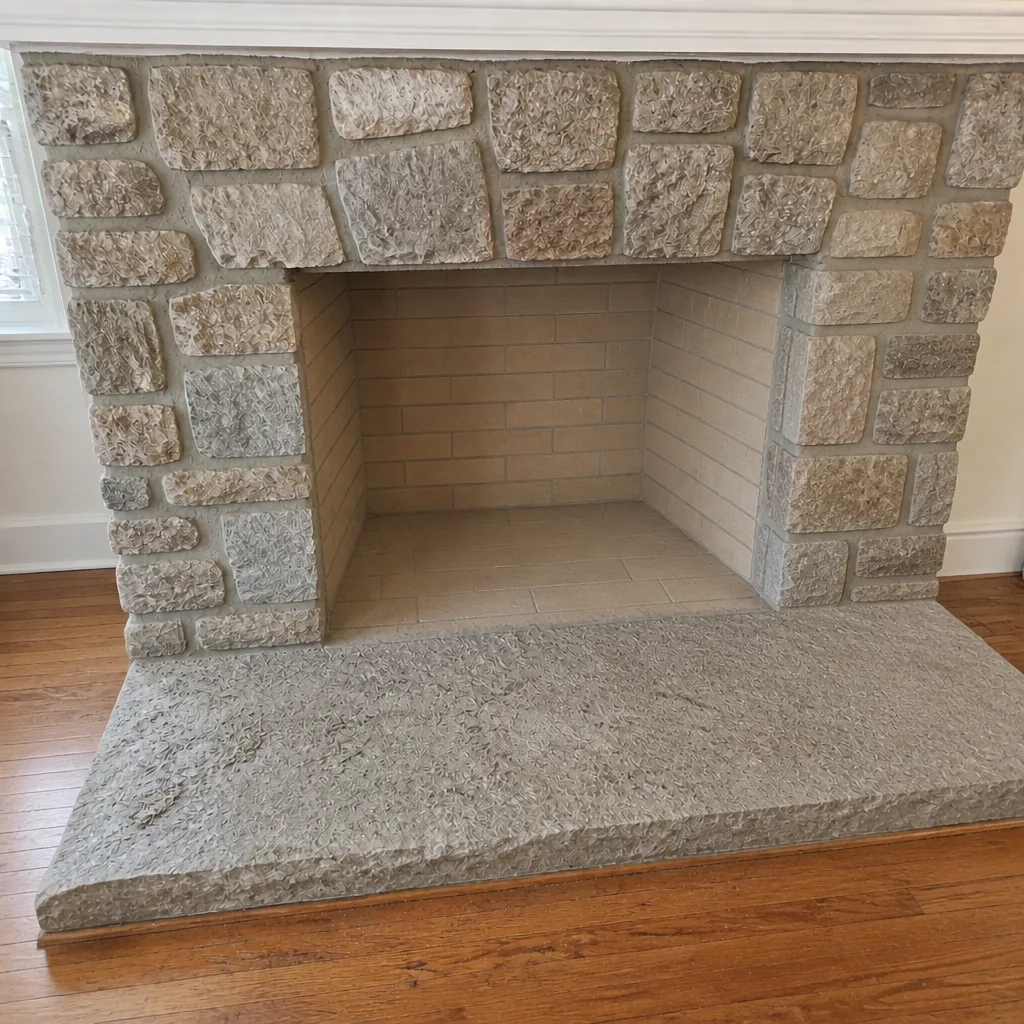
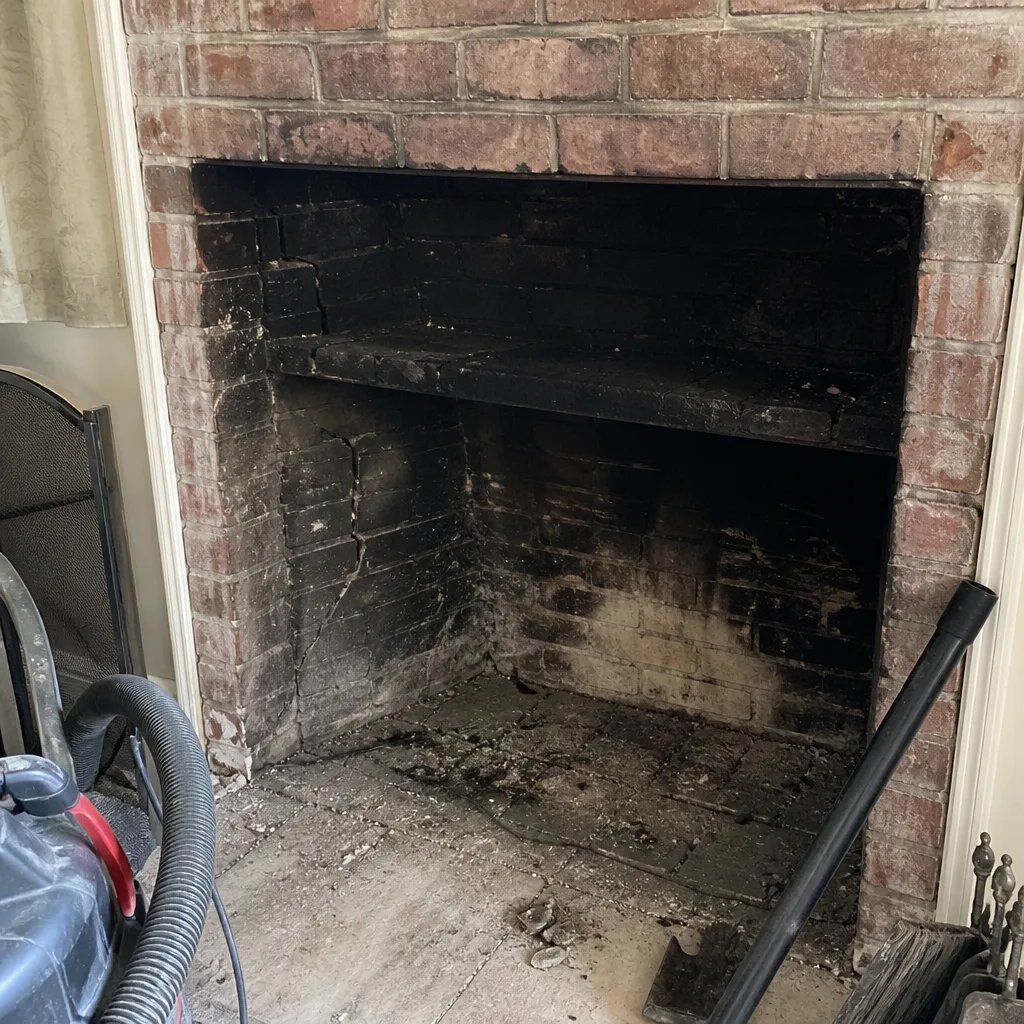
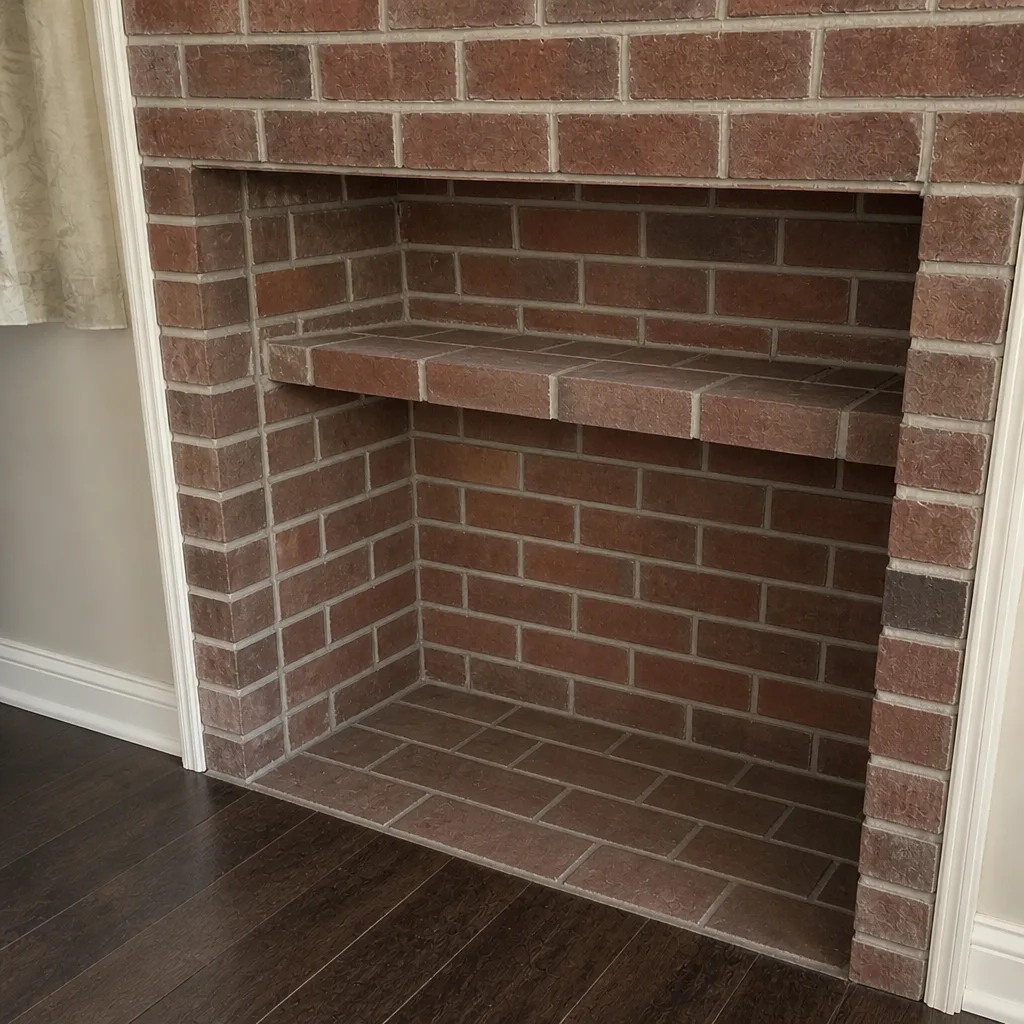
See the difference
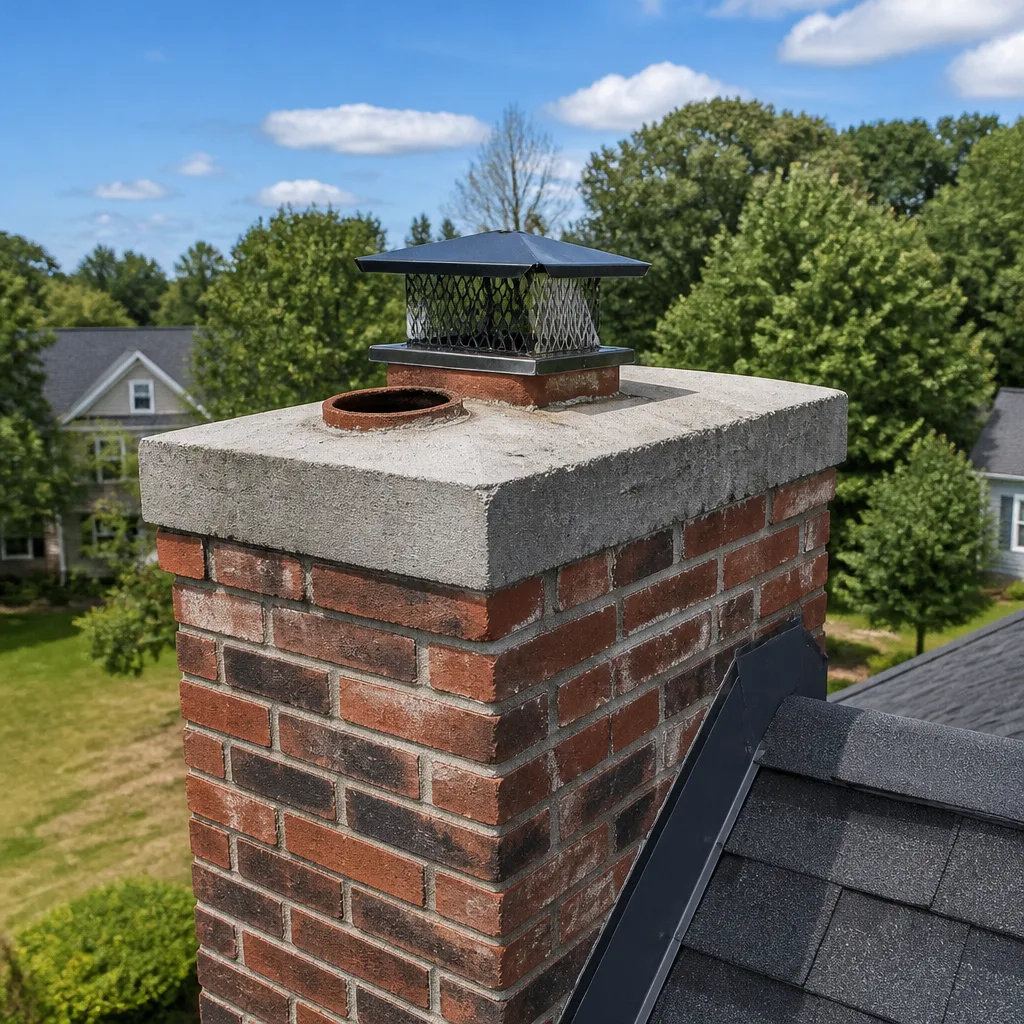
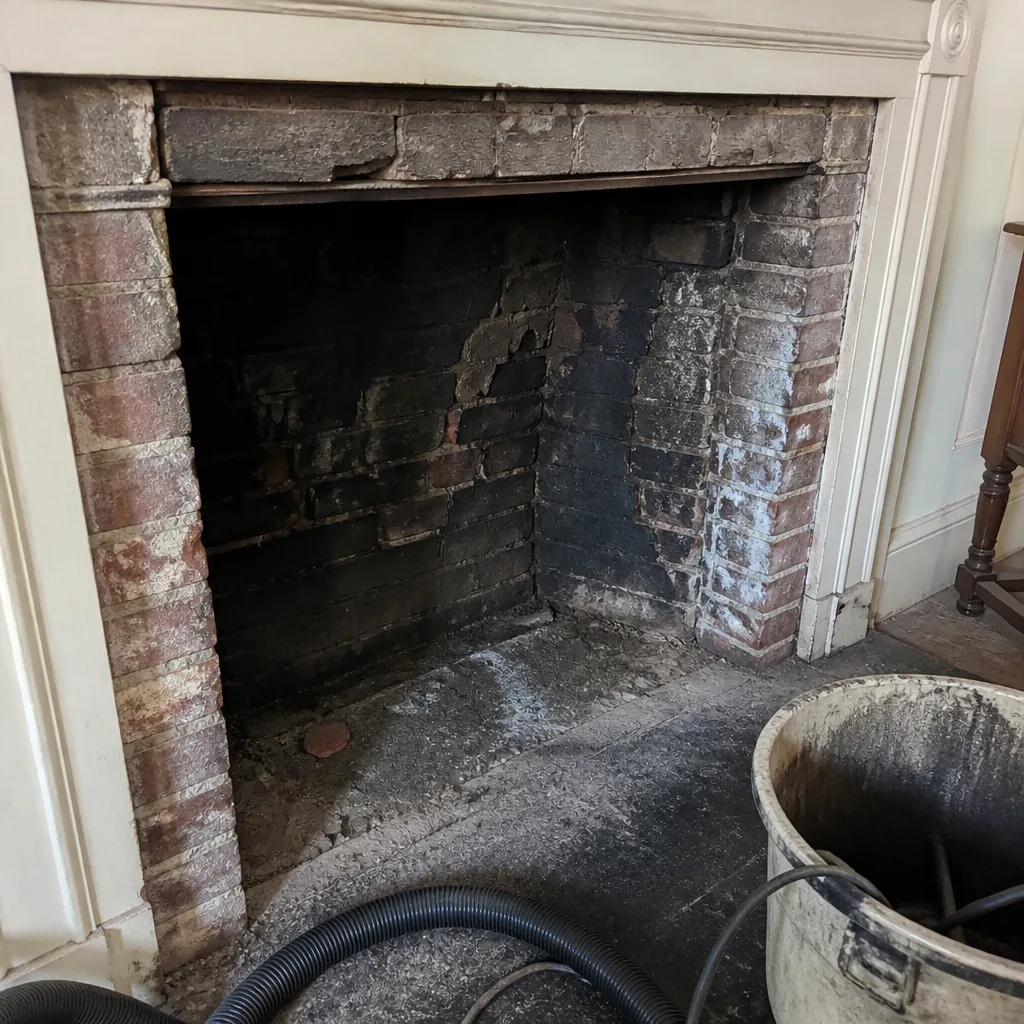 Before
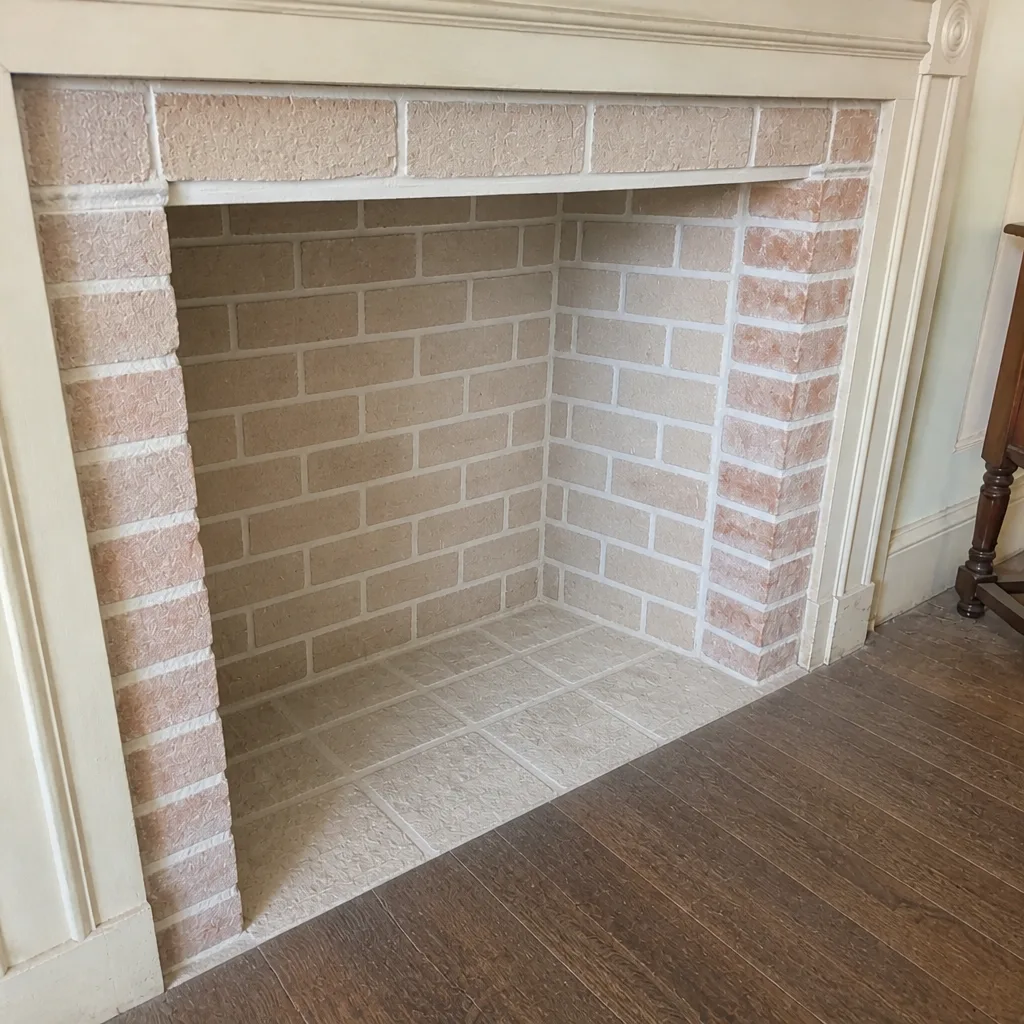 After
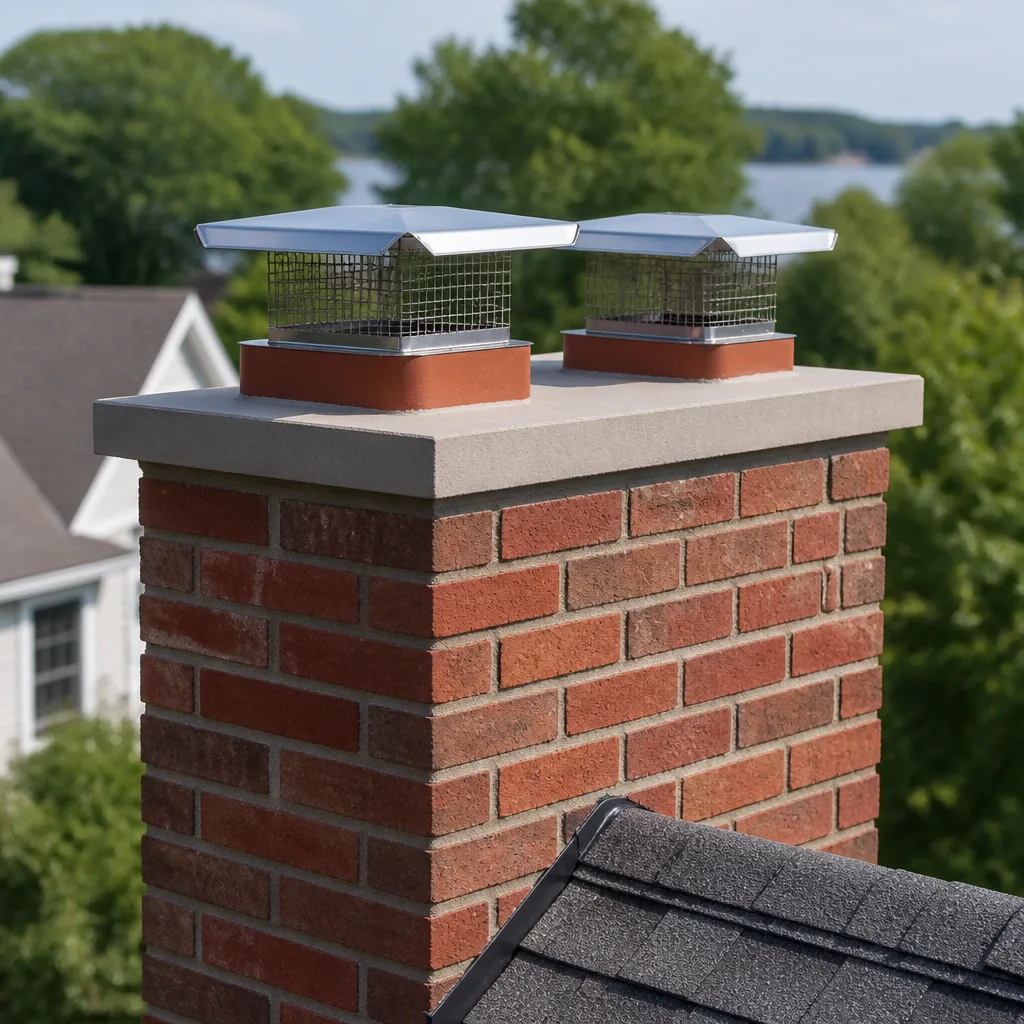
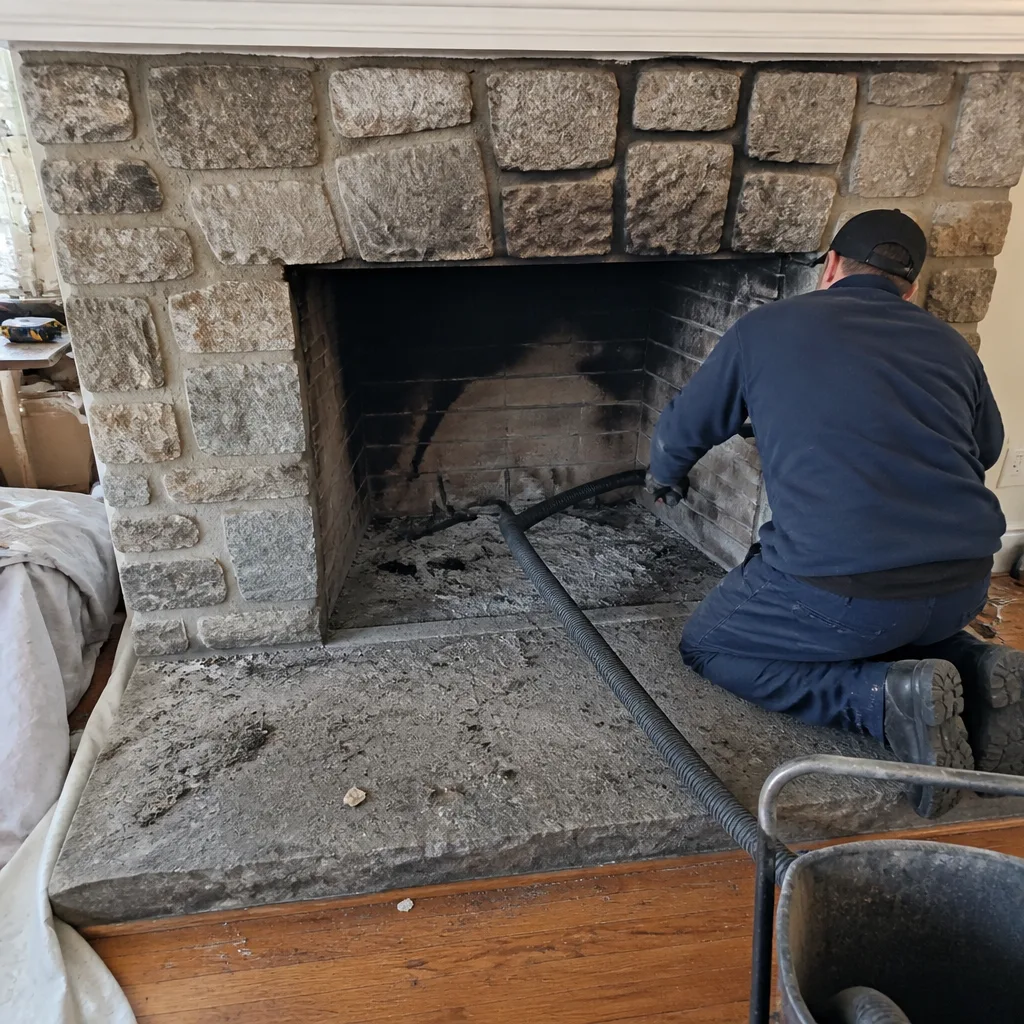 Before
 After
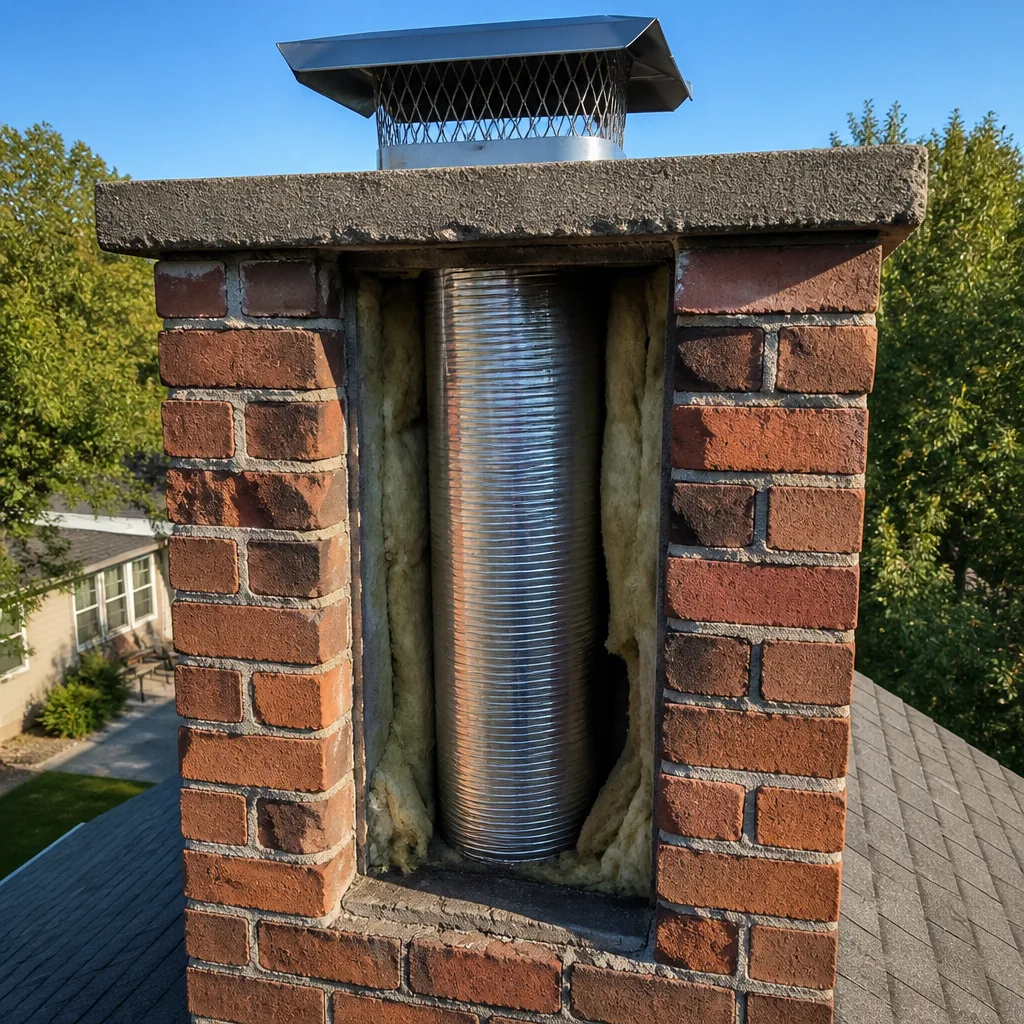
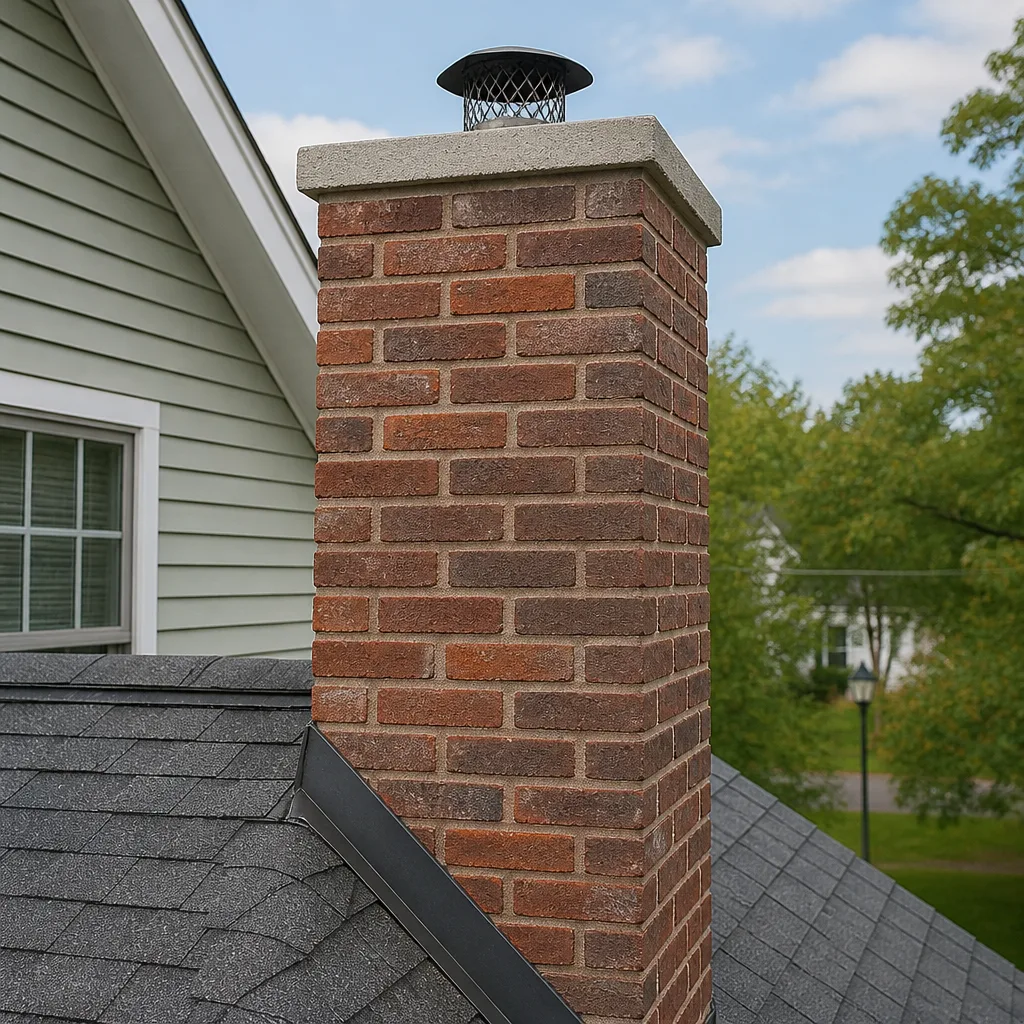
 Before
 After
When to Call a Professional
Call a professional when you can’t see inside your own flue and want to know it’s safe before you use it again. That includes the annual cleaning, a post-purchase inspection on a home with unknown chimney history, any chimney you’ve had a small fire in, draft problems or smoke spilling into the room, and anything involving an insert or stove that was installed on an older flue. The most important scenario is the one with no obvious symptom: a liner can deteriorate for seasons without changing how the fireplace looks or smells, and the camera is what catches it early.
Chimney Sweep New Bedford offers free estimates in New Bedford. Call (877) 845-1880. We answer 24/7. Fast dispatch from 7am to 7pm, Sunday through Friday. Estimates are free and the written estimate sets the final price.
Frequently Asked Questions
Chimney cleaning in New Bedford typically costs $180 to $350 for an open masonry fireplace, $200 to $375 for an insert, and $225 to $400 for a freestanding stove, with a Level 2 inspection adding roughly $100 to $250. The higher end reflects heavy creosote, difficult access, or a roof-level clean. Call (877) 845-1880 for an exact quote – estimates are free.
You need a new liner when the camera inspection shows the existing one is cracked, breached, or deteriorated beyond repair; otherwise you don’t. A resurfacing with HeatShield corrects interior damage and often avoids a full reline, so a good contractor offers the repair that fits the evidence. Ask to see the footage and have it explained before you agree to anything. Call (877) 845-1880 to book an inspection you can verify.
Once a year is the industry standard for wood-burning chimneys, and a chimney that’s been used heavily may need it more often. Gas and oil appliances have their own inspection needs, and an annual check catches changes early. The cost of annual cleaning is a fraction of the cost of a liner repair, which is the argument for staying on schedule. Call (877) 845-1880 to book your yearly sweep.
Creosote builds up inside the flue, and glazed deposits are combustible and corrosive; they raise chimney fire risk and shorten the life of the liner. Deferred cleaning usually turns into a resurfacing or relining job within a few burning seasons. That’s not a scare tactic, it’s how the material behaves. Call (877) 845-1880 before the next season and get an honest read on your flue.
The quotes look alike on the surface but cover different scopes: some include only a brush and a broom, while others build in containment, a camera inspection, photo documentation, and cleanup. The gap is usually scope, not profit margin. Compare line by line and ask which inspection level is included. Call (877) 845-1880 for a quote that spells out each inclusion.
With a chimney-only specialist, yes: cleaning, inspection, and repair all fall under one scope of work. That matters in New Bedford because it means no second contractor to coordinate and no gap between the diagnosis and the fix. We do chimney work and nothing else, so the technician inspecting your flue is the same one who can handle what the inspection finds. Call (877) 845-1880.
The Bottom Line
The variation in chimney cleaning prices in New Bedford isn’t noise; it’s a signal. A quote is a description of scope, and the things that separate a thorough job from a fast one (inspection level, containment, camera evidence, materials named by manufacturer, cleanup, documentation) all cost money and all show up in the line items. The cheapest bid is usually the narrowest scope. The most useful comparison you can make is line by line, against the checklist in this guide. Cleaning every year is the inexpensive path; deferring it turns maintenance into repair, and the five-year math favors the annual sweep. When you’re ready, ask questions, ask to see the camera, and ask whether the work can safely wait.
Call Chimney Sweep New Bedford at (877) 845-1880 for a free estimate. We answer 24/7. Fast dispatch from 7am to 7pm, Sunday through Friday. The written estimate sets the final price, and every recommendation comes with camera evidence you can see for yourself.
Written by the team at Chimney Sweep New Bedford.