
Last updated November 15, 2026
 Sweep & inspection
 Caps & crowns
 Flue relining
 Masonry repair
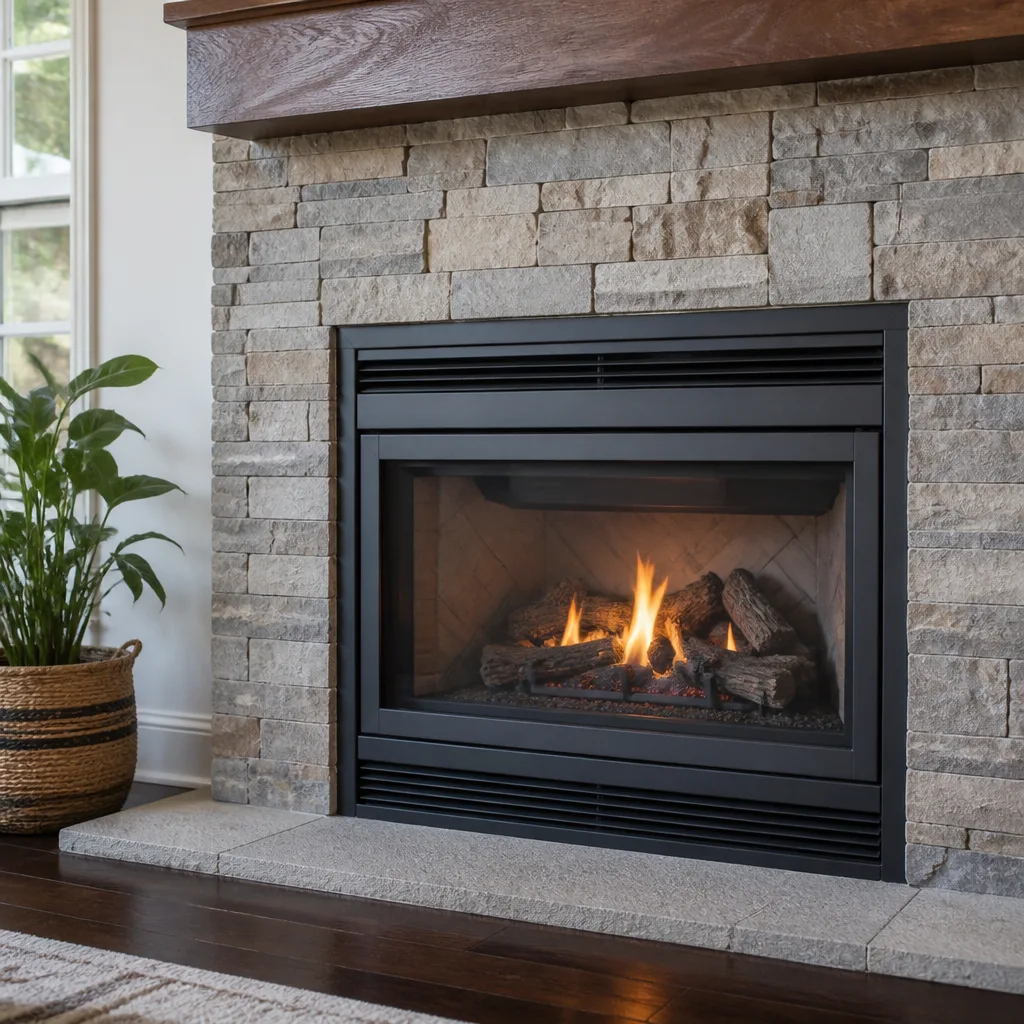 Gas fireplace service
Level 1 sweep and inspection to the NFPA 211 annual standard - flue, crown, cap, and flashing checked and photographed
Chimney sweep logs do not sweep chimneys. They loosen some creosote - which then falls where a brush and vacuum still have to collect it.
Chimney Sweep Maintenance Checklist for New Bedford Homeowners
“Inspect annually” is the line every chimney article opens with, and it tells you almost nothing. Inspect what, exactly? In which month? And when you open that cleanout door, what are you actually supposed to be looking for? A checklist only earns its name when it assigns a task to a time and a set of eyes. That’s what we’ve built here: a month-by-month calendar tuned to New Bedford’s heating season, which runs roughly October through April, plus the honest dividing line between the three checks you can safely do yourself and the four that belong to a technician. You’ll also get plain descriptions of what a healthy damper, crown, and cap look like against a failing one, a maintenance-log format that holds up when an insurance adjuster or a home buyer asks questions, and the maintenance differences between clay tile and stainless liners. Read it once, print it, and put it where you’ll see it in September.
Quick Answer
A chimney in New Bedford should be swept once a year if you burn wood regularly, ideally in late summer or early fall before the heating season starts in October, and inspected at the same visit. Homeowners can safely check for creosote buildup at the flue opening, look at the firebox and damper from inside, and scan the cap, crown, and flashing from the ground. Anything involving the flue interior above the firebox, the liner itself, structural cracks, or a gas appliance’s venting belongs to a technician with a camera and the right tools.
Styles & brands we work with
- Sweep & inspection
- Caps & crowns
- Flue relining
- Masonry repair
- Gas fireplace service
Table of Contents
- The New Bedford Month-by-Month Chimney Calendar
- The Three Checks You Can Do Yourself, and the Four You Can’t
- What Good Looks Like: Damper, Crown, and Cap Criteria in Plain Terms
- Clay Tile vs. Stainless Steel: Two Different Maintenance Schedules
- After a Nor’easter: The Post-Storm Walkaround
- Building a Maintenance Log That Insurance Adjusters and Home Buyers Trust
- Why the Calendar Is Built Around Burning Season, Not the Calendar Year
- Common Mistakes to Avoid
The New Bedford Month-by-Month Chimney Calendar
Most chimney advice treats every month the same, which is the opposite of how a house actually works in New Bedford. Your chimney has an active season, a shoulder season, and a dormant season, and the useful checklist changes with each of them. Here’s how we map it.
September: Book your sweep before the October rush. Late summer is when scheduling is easiest and when there’s still time to fix anything the inspection turns up. This is the single most important line item on the whole calendar.
October (usually the first fire): Before you light the season’s first fire, open the damper and confirm it moves freely through its full range. Check that the cap screen is clear of summer debris like leaves and twigs, and look at the firebox for anything a bird or squirrel may have dropped in.
November through December: Active burning months. Empty ash from the firebox regularly so it doesn’t crowd the grate, and keep an eye on your wood supply. Unseasoned wood creates more creosote, and in New Bedford you’ll be burning a lot of it during the coldest weeks.
January through February: Peak burn. This is when a mid-season check pays off – look at the flue opening for glossy, glazed creosote, which builds faster with colder outside temperatures and slow-burning fires. If you’re burning steadily, a mid-season sweep isn’t unusual.
March: Start watching for the ice-dam season to end and the freeze-thaw cycle to loosen mortar. Cracks that were hairline in December can open up as the ground thaws.
April: Last fires, then a full close-down: sweep out ash, check the firebox, and make sure the damper closes tight for the off-season.
May through August: The dormant window – this is when structural repairs and liner work are best scheduled, because the flue doesn’t need to be in service. If you’re going to reline, do it now, not in November.
The Three Checks You Can Do Yourself, and the Four You Can’t
The reason this line matters is that doing your own basic checks saves you from catching problems late, while trying to do a technician’s work creates the very damage you were trying to prevent. Here’s where we draw it.
The three you can safely do:
- Look at the flue opening. From the firebox, shine a flashlight up at the flue collar and the first section of flue. You’re looking for soot, black creosote, or a glossy glaze. If it’s thick enough to obscure the flue surface, it’s time for a sweep.
- Operate the damper. From the firebox, move the damper through open, half-open, and closed. It should travel smoothly and seal on close. A damper that sticks, drops, or fails to seal is a call-the-technician item, but the check itself is safe.
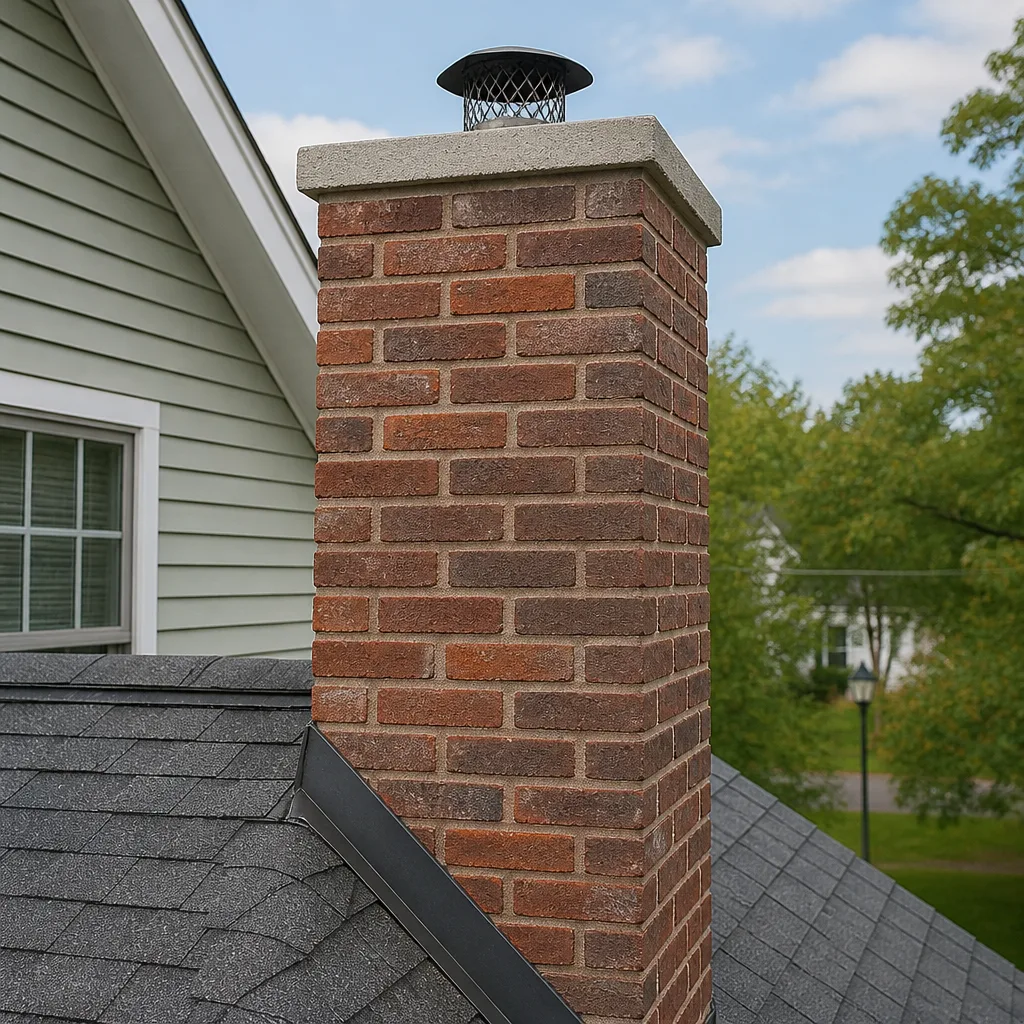
- Scan the roof from the ground. With binoculars or a zoomed phone photo, look at the crown (the top surface of the chimney), the cap, and the flashing where the chimney meets the roof. You’re looking for visible cracks, a cap that’s loose or rusted, and flashing that’s pulled away. Never get on the roof to do this.
The four that belong to a technician:
- The flue interior above the firebox – requires a rod and a camera to inspect safely.
- The liner behind the masonry – cracks and gaps don’t show from the firebox.
- Structural cracks in the masonry and mortar joints – requires climbing and probing.
- Any gas or oil appliance’s venting and draft – requires a draft gauge and a trained eye.
The dividing line is simple: if the check requires standing on the roof, inserting a tool into the flue, or judging a flame’s draft, it’s a technician’s job. The four professional checks are exactly what our Chimney Sweep New Bedford inspections cover.
What Good Looks Like: Damper, Crown, and Cap Criteria in Plain Terms
The single most useful thing a homeowner can develop is an eye for the difference between “fine” and “failing” on the three visible components. Here’s how we describe them to customers.
The damper
Good: Moves freely through the full range, closes flush against the frame, and the plate seats with no visible gap. When it’s closed, you can’t see light or feel a draft around its edges.
Bad: Sticks, drops with a bang when released, fails to seal, or has a visible gap along the edge when closed. A damper that won’t seal lets warm air escape all winter and lets cold air in, and it can’t do its job during a chimney fire.
The crown
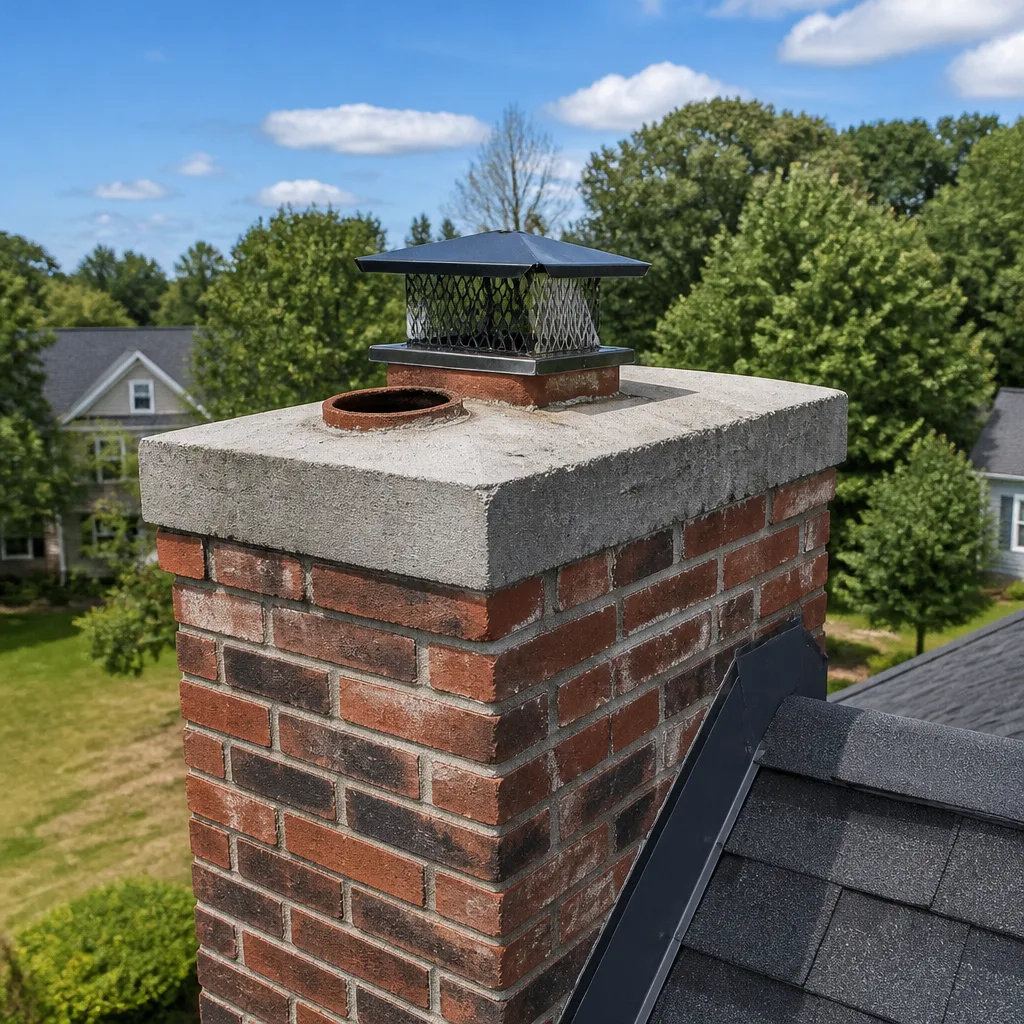
Good: A solid, sloped surface (water sheds away from the flue), with no cracks wide enough to catch a fingernail, and no visible separation from the flue tile.
Bad: Cracks, spalling (flaking), or a crown that has pulled away from the flue. An open crack in the crown is the entry point for water, and water is what destroys masonry from the inside. If your crown is failing, that’s a chimney repair conversation, not a cleaning one.
The cap
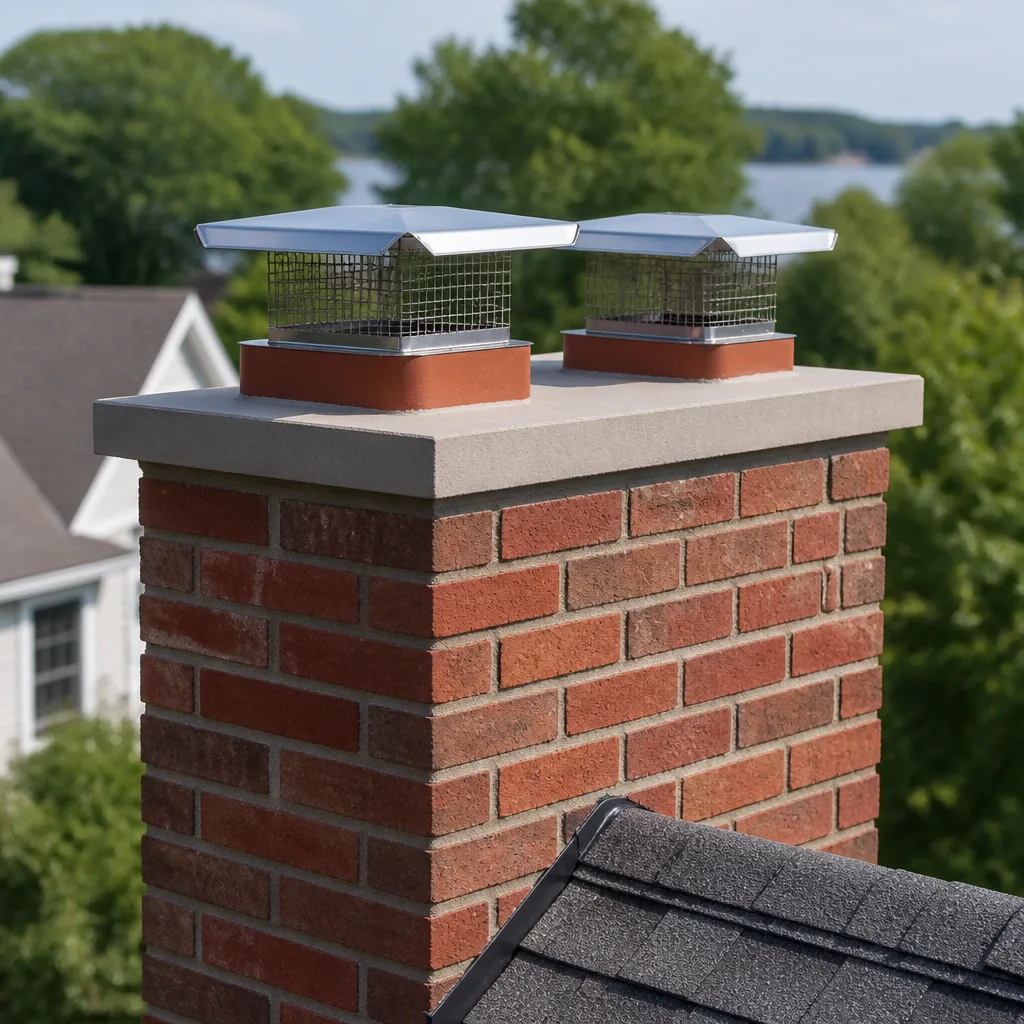
Good: Sits flush on the crown, screen is intact and clear, and there’s no rust or loose mesh. A good cap keeps water, birds, and squirrels out and lets smoke out.
Bad: Loose or tilted, rusted mesh, missing screen, or a cap that has been pushed aside. An open flue is an open door for animals – and animals in your flue can block the very draft your fire needs. Caps and vent fittings from names like Copperfield and Famco are the kind of professional-grade hardware we specify because the details matter.
The point of a plain description is that it lets you decide when to call, rather than waiting for a symptom you can’t evaluate.
Clay Tile vs. Stainless Steel: Two Different Maintenance Schedules
Here’s a maintenance distinction most checklists skip entirely: your liner material changes what you should be looking for and how often. New Bedford has plenty of both – older houses with original clay tile and newer or relined properties with stainless systems – and they age differently.
Clay tile liners
Clay tile is what many older New Bedford homes were built with. It’s durable and performs well when intact, but it cracks and spalls with freeze-thaw cycles and can separate at the joints. What to watch for:
- Spalling flakes in the firebox – if you find small pieces of clay on the firebox floor, the liner is deteriorating above you.
- Cracks at the joints – these let heat and combustion gases reach the surrounding masonry, which is why they matter.
- A change in draft – a liner that was drafting well and suddenly isn’t can have a broken section.
Clay tile needs a camera inspection at every annual visit, and the liner should be checked more carefully after a hard freeze-thaw winter.
Stainless steel liners
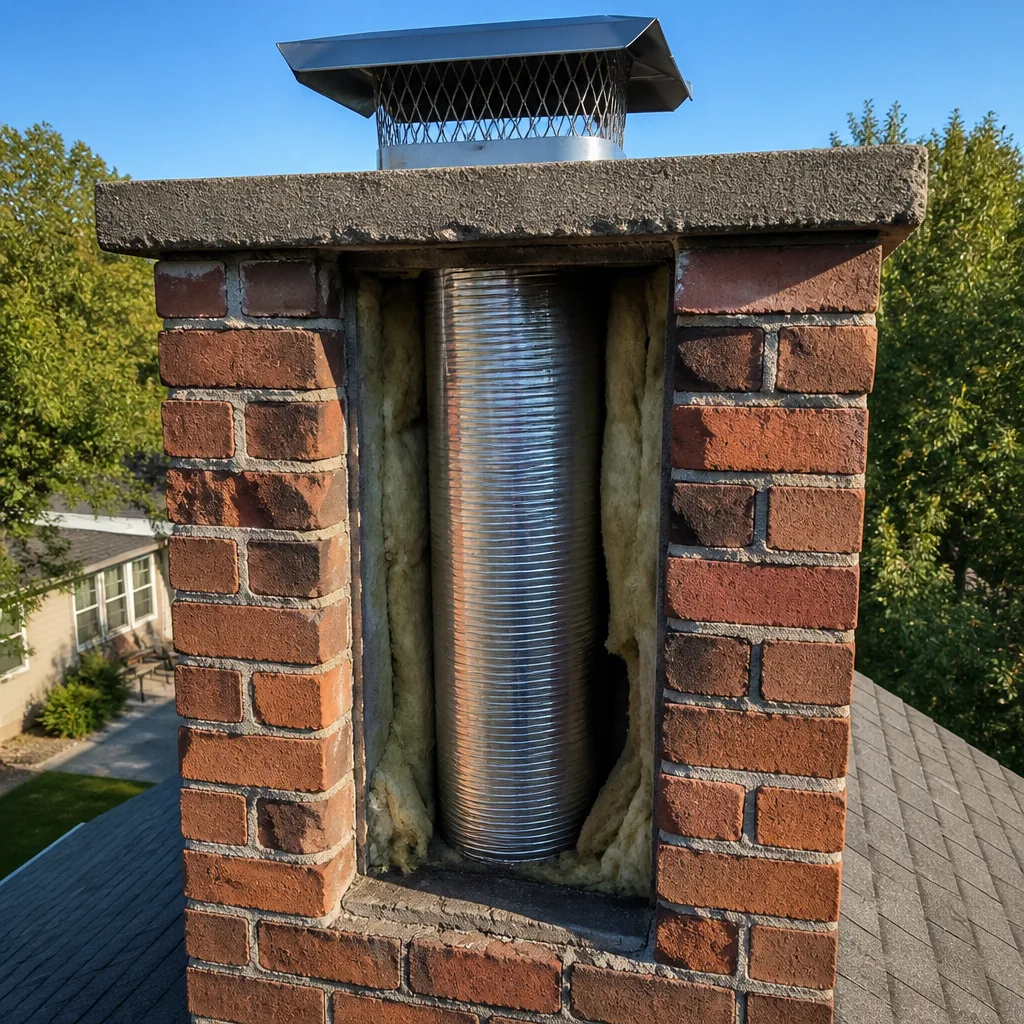
A stainless liner is a system, not just a tube – the flue, the cap, and the connection at the appliance or firebox all matter. What to watch for:
- Loose connections at the top plate or the appliance collar.
- Rust or discoloration on the visible sections, which can signal a moisture problem that needs attention.
- Creosote buildup – stainless liners still need sweeping, and a smooth surface makes the sweep easier but doesn’t remove the need for it.
If the liner is failing, a stainless reline using a DuraFlex system can be done without rebuilding the chimney, and in some cases HeatShield ceramic resurfacing can restore a damaged flue without full replacement. That capability matters because the alternative to both is a rebuild, and a rebuild is a very different budget.
After a Nor’easter: The Post-Storm Walkaround
New Bedford gets its share of nor’easters, and the days after a hard storm are when the highest-value visual checks happen. The nice thing is that a post-storm inspection is almost entirely ground-level – you’re looking, not climbing.
Here’s what to check after a storm, in order:
- From the ground, scan the chimney top. Is the cap still sitting flush? Is the crown intact? Did the storm push the cap aside or knock the screen loose?
- Look at the flashing. The metal where the chimney meets the roof is the most common leak point after a storm. Look for metal pulled away, lifted, or bent.
- Check the roof surface around the chimney. Look for shingles displaced around the chimney, and for debris piled against it.
- Look for water stains inside. Check the ceiling and walls near the chimney for new stains – that’s the signature of a leak that got past the flashing.
- Look in the firebox. Water in the firebox after a storm is a flashing or crown problem, not a normal condition.
A storm isn’t the time to diagnose from the roof. If something looks wrong, note what you saw and when, and let a technician confirm it. The one exception: if you smell gas or see a gas appliance venting oddly after a storm, treat it as urgent and call.
Building a Maintenance Log That Insurance Adjusters and Home Buyers Trust
A maintenance log isn’t a chore; it’s a document that changes conversations. When an insurance adjuster asks about your chimney after a fire, or a buyer’s inspector finds a hairline crack and asks “how long has that been there?”, a log answers the question with dates instead of memory. Here’s the format we recommend.
Keep it in one place – a folder, a notebook, or a shared digital document – and log four things for every visit:
- Date – the date of the visit or the check.
- Who did the work – the technician, the company, and whether it was a sweep, an inspection, or a repair.
- What was found – in plain language, and in enough detail to be meaningful later: “crown crack at the north side,” not “chimney checked.”
- What was recommended and what was done – including work you deferred, and why you deferred it.
A photograph next to the note is worth more than a paragraph. When a sweep includes a camera inspection and a photo report, the images become part of the log. That’s the main reason we include them: you’re not taking our word for it, you’re looking at the same images a buyer’s inspector would eventually see.
The log matters most in two situations. First, a home sale – buyers’ inspectors ask for maintenance records, and a clean log shortens the conversation. Second, an insurance claim – a documented record of annual service shows the chimney was maintained, which is exactly the question that comes up when a claim is filed.
Why the Calendar Is Built Around Burning Season, Not the Calendar Year
A chimney calendar that starts in January is built for the calendar, not for the house. Your chimney’s year starts in the fall, when you first light a fire, and ends in the spring, when the last one goes out. Everything in between – the repairs and relining and structural work – gets scheduled into the dormant window, not the active one.
That’s why we push the sweep into late August or September rather than waiting for the first cold snap. By the time the first cold night arrives in New Bedford, the schedule is already booked and a sweep booked that week may not happen before the first fire. You want to know your flue is clean and your cap is intact before you need the chimney, not after. It’s also why structural repair work is best done between May and August: the flue isn’t in service, the weather is workable, and there’s no pressure to get the chimney back online for a fire that night.
There’s also a subtler reason. Not every checklist task needs the same urgency, and the calendar makes that visible. A missing cap can wait for a scheduled visit. A crown crack should be fixed before the next freeze-thaw cycle. A glazed creosote buildup at the start of burning season should be handled before the first fire. Putting tasks in time order tells you which is which.
This is why the chimney sweep and the inspection are best done in the same visit. Splitting them across a season means you’ve done half the job in the wrong month for the other half.
Common Mistakes to Avoid
- Waiting until the first cold snap to book. By then, the schedule is full and you’re calling after you needed it. Book in late summer, when there’s still time to fix anything the inspection finds.
- Burning unseasoned wood to stretch a cord. Green wood creates more creosote; in New Bedford’s climate, wet wood also takes longer to burn cleanly. Seasoned wood is a chimney-maintenance decision, not a firewood convenience.
- Climbing on the roof to “check the cap.” Almost everything worth checking after a storm is visible from the ground with binoculars. Roof access is how DIY chimney checks turn into injuries.
- Skipping the log because you’ll “remember.” You won’t. The log is what answers an insurance adjuster or a buyer’s inspector, and a memory can’t do that.
- Treating a water stain as a cosmetic issue. Water in the firebox or on the ceiling near the chimney is a flashing or crown problem, and it gets more expensive the longer it sits.
- Assuming stainless liners never need sweeping. They still need annual sweeping and inspection, even though the surface is smoother and the creosote is easier to remove.
- Deferring structural repairs to save money this year. Small crown and mortar cracks get worse with freeze-thaw cycles, and the repair cost grows with them. If the repair can wait, the inspection will tell you so – but it should be a decision, not an assumption.
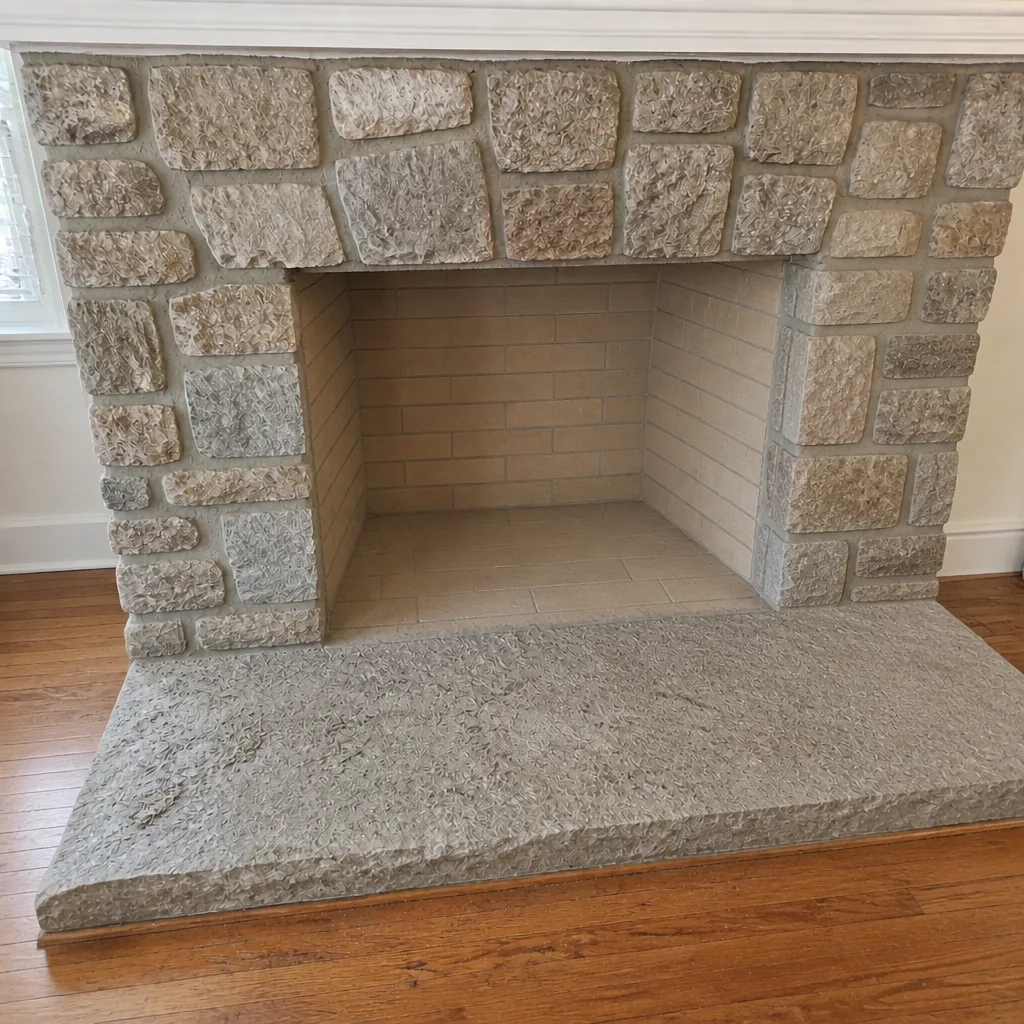
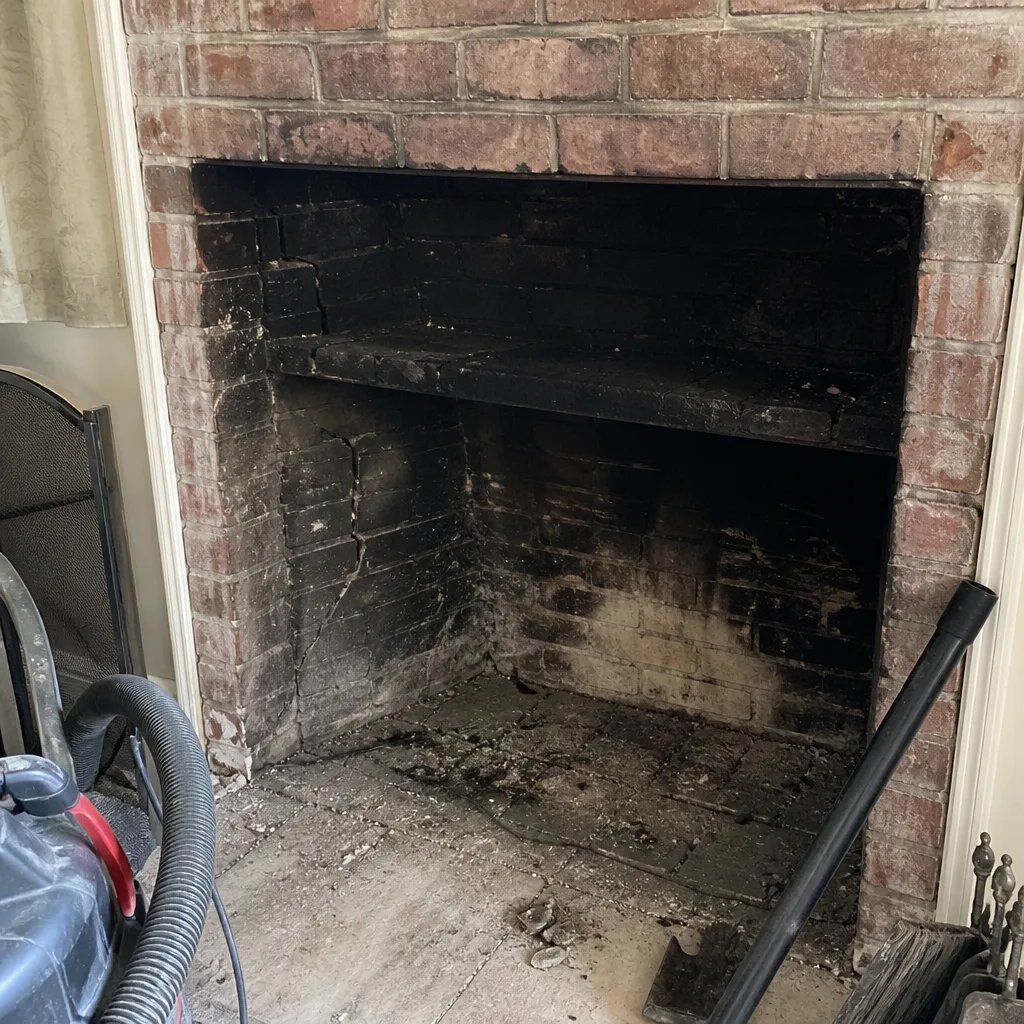
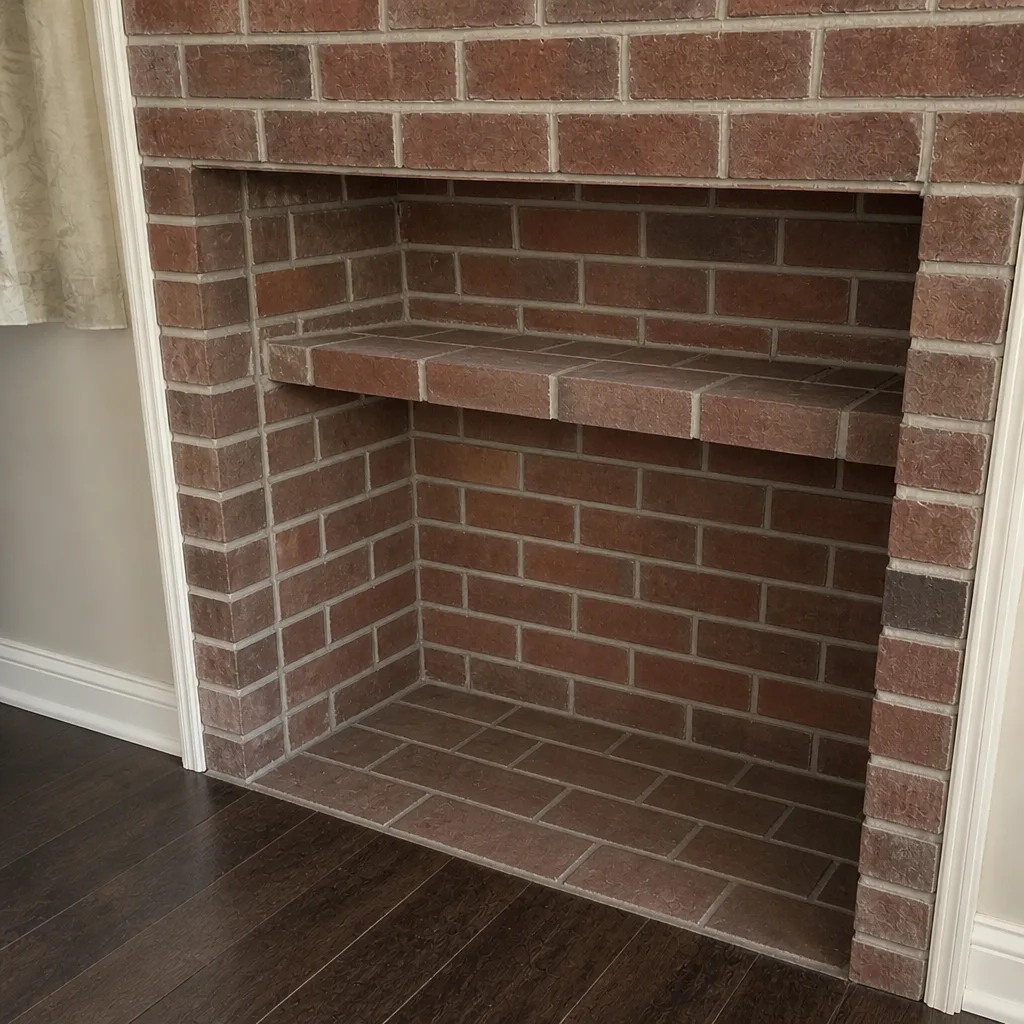
See the difference
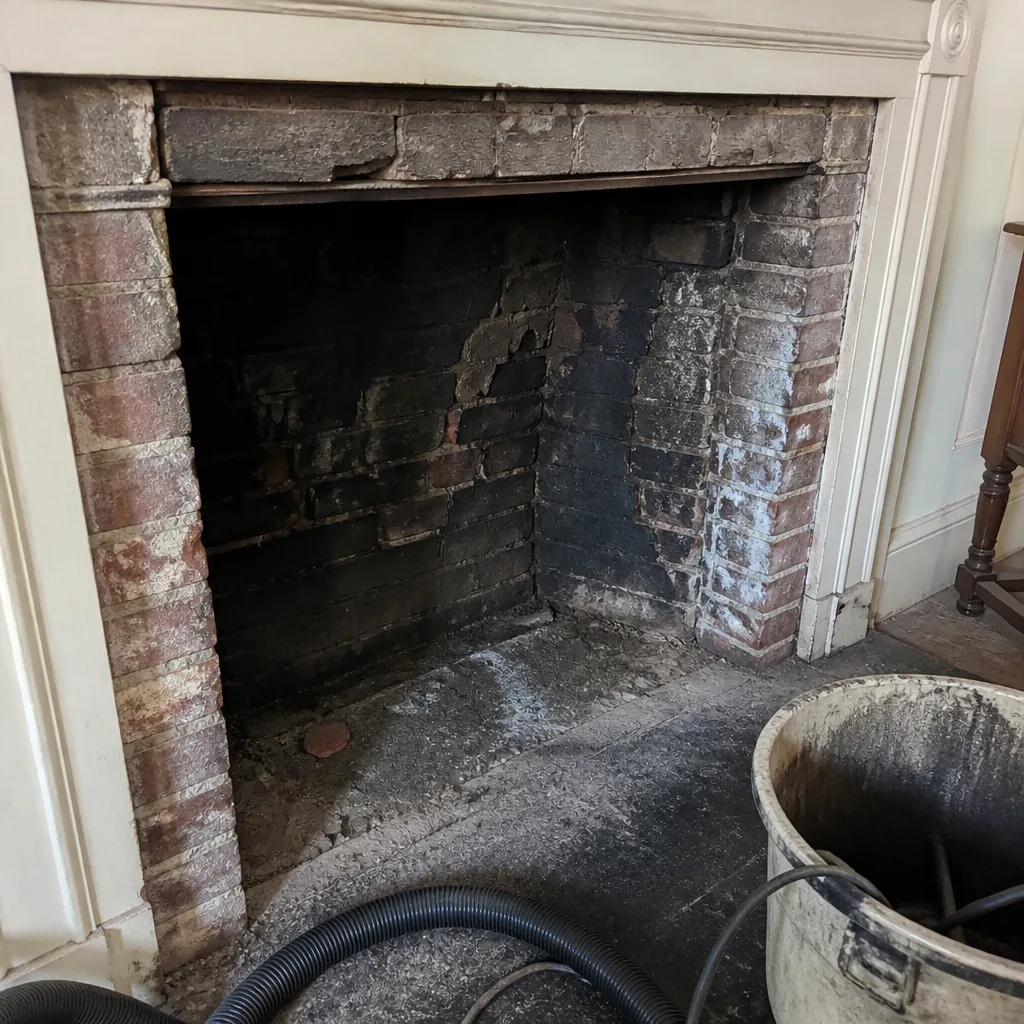 Before
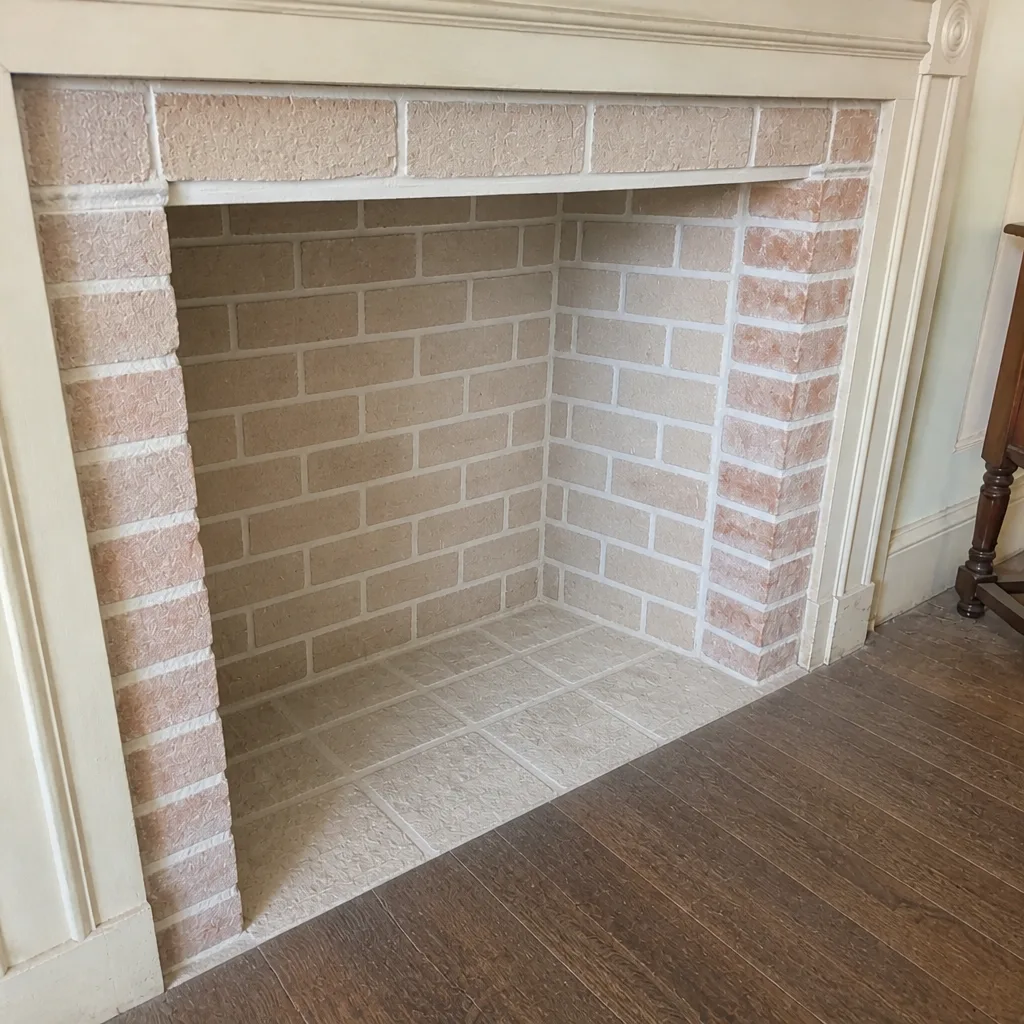 After
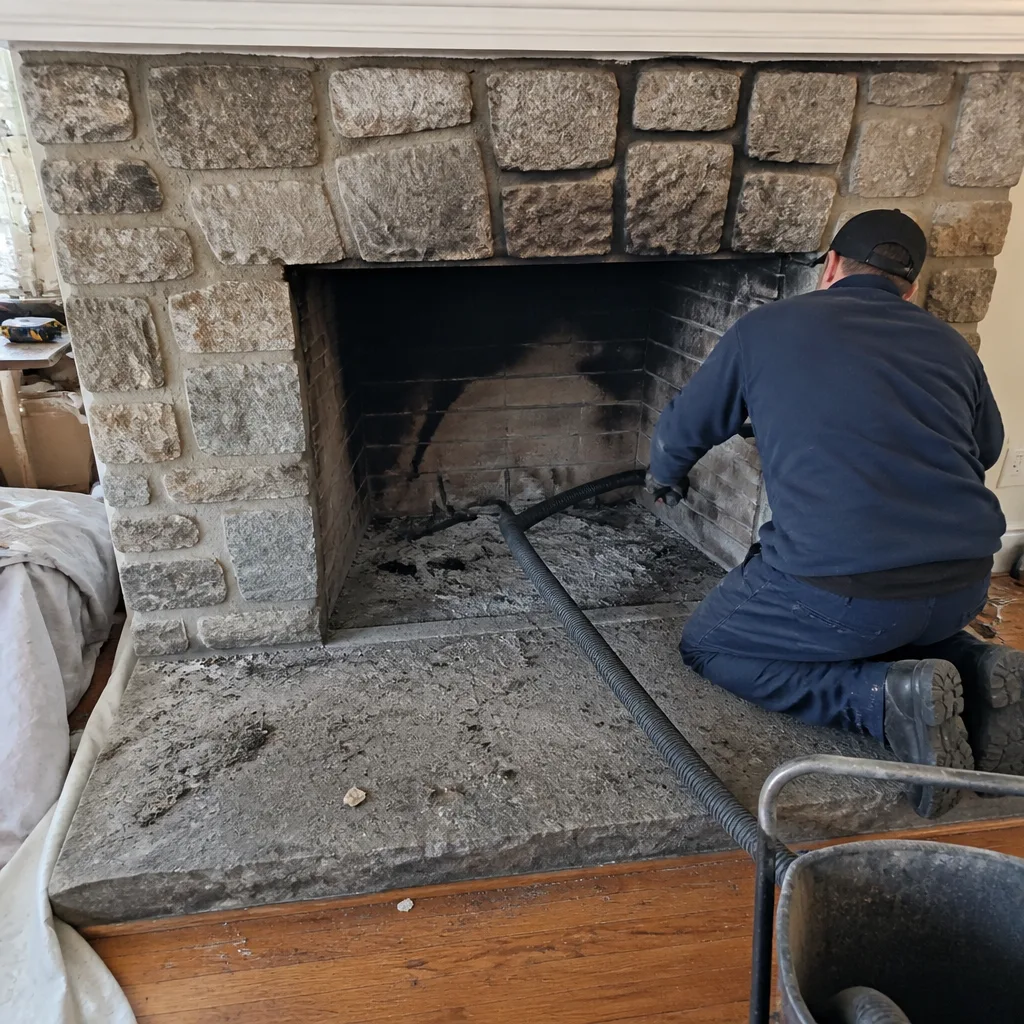 Before
 After
 Before
 After
When to Call a Professional
Call a technician when you find any of these: glazed or thick creosote at the flue opening, a damper that won’t seal, a crown crack or spall, a cap that’s loose or has a missing screen, water stains inside near the chimney, a flue that drafts poorly or smells, or any sign of a cracked or damaged liner. Call before the next fire if any of those appear at the start of burning season – not after the first one.
There’s one case that’s genuinely urgent: the smell of gas or a gas appliance that’s venting oddly. That’s not a checklist item – it’s a call now. And if you’re not sure whether the issue is a sweep, an inspection, or a repair, call anyway and let a technician tell you which. New Bedford residents can reach Chimney Sweep New Bedford for a free estimate – call (877) 845-1880. Our technicians have up to 10 years of experience, and the scope is exactly three things: sweep, repair, and inspection. We specify materials by name – DuraFlex, HeatShield, Olympia Chimney, Gelco, Famco, and Copperfield – because what goes into your chimney matters.
Frequently Asked Questions
Once a year if you burn wood regularly, and more often if you’re burning steadily through the season or burning wood that isn’t well seasoned. The sweep should happen before the heating season starts, ideally in late summer or September, and the inspection should happen at the same visit. If you only burn occasionally, an annual inspection is still the right minimum – the sweep can be done when the inspection says it’s needed. Call (877) 845-1880 for a free estimate if you’re not sure whether your chimney is due.
You can safely do three checks yourself: look at the flue opening from the firebox for creosote, operate the damper through its full range, and scan the cap, crown, and flashing from the ground. The four that require a technician are the flue interior above the firebox, the liner behind the masonry, structural cracks in the mortar, and any gas or oil appliance’s venting. The dividing line is simple: anything that needs the roof or a tool inside the flue is a technician’s job.
It’s a per-job price set by a written estimate, not a flat rate for everyone – the price depends on the state of the flue and what the visit includes. A sweep and inspection done together in the same visit is the normal pattern. Call (877) 845-1880 for an exact quote – estimates are free.
You need the repair if the liner is cracked, spalled, or separated – because a damaged liner lets heat and combustion gases reach the masonry, and that’s a real safety issue, not a maintenance nicety. But the answer is never “yes, you need it” without evidence. We don’t recommend liner work without a camera inspection you can see for yourself, and if the liner is sound, we say so – and we’ll tell you plainly if the work can safely wait.
Creosote builds up, and creosote is what fuels a chimney fire. It’s the hazard the annual sweep exists to remove, and it’s the reason a blocked flue can send carbon monoxide into the house instead of up the chimney. Skipping maintenance also lets small crown and liner problems become structural ones. None of that is a scare tactic – it’s the reason the checklist exists. Call (877) 845-1880 for a free estimate and get on the schedule before the season starts.
Late August or September for the sweep and inspection, and May through August for any structural repair or relining. The sweep belongs before the heating season starts in October, and the repair work belongs in the dormant window when the flue isn’t in service. Booking in the shoulder season is the difference between choosing a date and taking whatever is left.
The Bottom Line
A chimney checklist is only useful when every task has a month and a pair of eyes assigned to it. In New Bedford, that means a sweep and inspection in late summer or September, a pre-season damper and cap check in October, a mid-season look for glazed creosote around January, a post-storm walkaround after any nor’easter, and structural work scheduled into the May-to-August window. Do the three safe checks yourself, leave the four professional checks to a technician, log every visit with dates and photos, and match your maintenance to your liner material. A clean, well-maintained flue is a quiet one – and the work that keeps it that way is small, regular, and best done before you need it.
Need a sweep, an inspection, or a repair? Call Chimney Sweep New Bedford at (877) 845-1880 for a free estimate. We answer 24/7. Fast dispatch, 7am-7pm, Sunday through Friday.
Written by the team at Chimney Sweep New Bedford.