
Last updated November 15, 2026
 Sweep & inspection
 Caps & crowns
 Flue relining
 Masonry repair
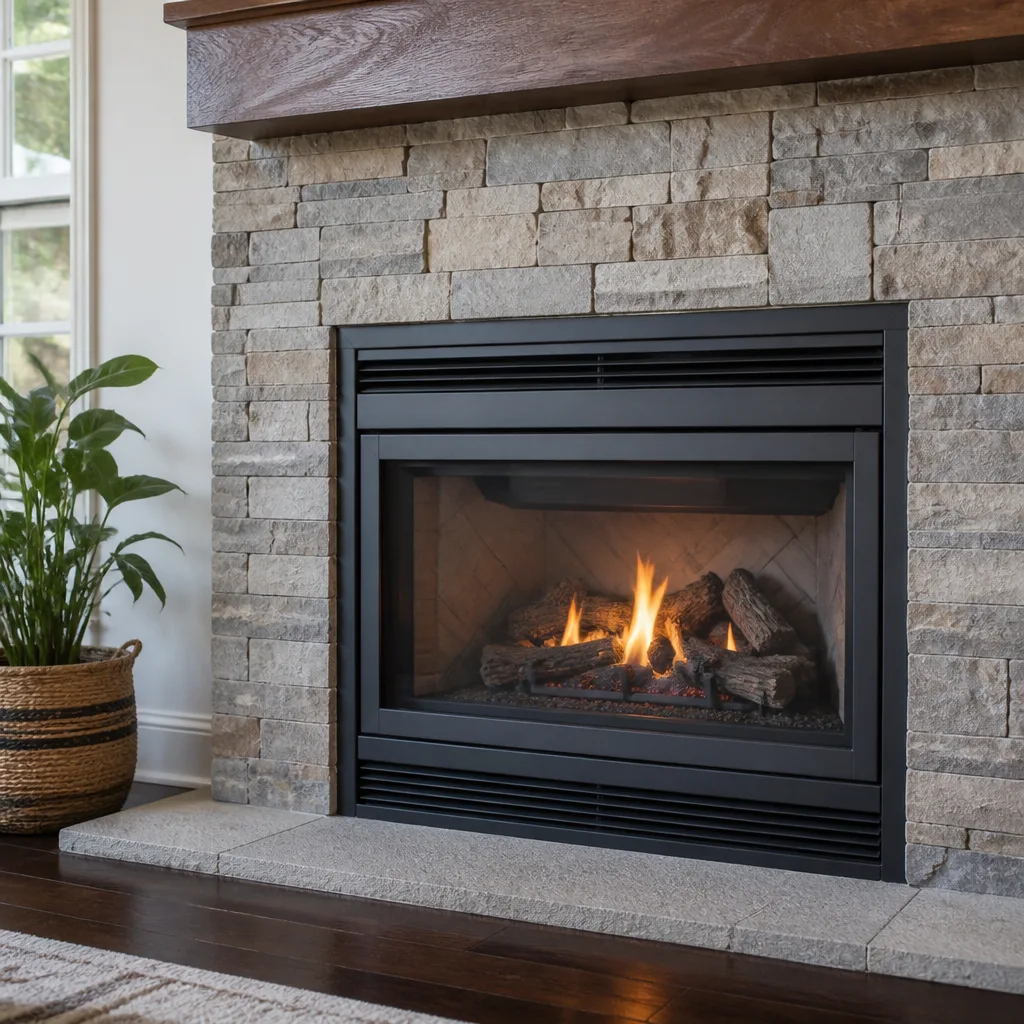 Gas fireplace service
Level 1 sweep and inspection to the NFPA 211 annual standard - flue, crown, cap, and flashing checked and photographed
Chimney sweep logs do not sweep chimneys. They loosen some creosote - which then falls where a brush and vacuum still have to collect it.
The Complete Guide to Chimney Cleaning in New Bedford
Most chimney cleaning advice floating around online was written for a house sitting in the middle of a continent, nowhere near a working harbor. New Bedford isn’t that house. The city’s damp winters, freeze-thaw swings, and long stretches of humid air off the water push chimneys toward a specific pattern of wear that a generic checklist never mentions. Mortar that softens with moisture, flue tiles that crack when a freeze follows a wet spell, creosote that glazes faster than the homeowner expects, all show up here in ways an inland guide won’t predict. This guide treats local conditions as the starting point, not a footnote. You’ll learn how New Bedford’s climate shapes cleaning intervals, how to read creosote stages, why a Level 2 inspection makes sense after a local winter, and when a sweep is genuinely due.
Quick Answer
Chimney cleaning in New Bedford means removing creosote, soot, and blockages from the flue, then inspecting the liner and joints for damage that the city’s humid, freeze-thaw climate accelerates. Most wood-burning homes here need sweeping once a year or whenever creosote reaches about 1/8 inch, and a Level 2 camera inspection is worth doing after any winter that includes hard freezes. A professional sweep includes cleaning, a condition check, and a report of what, if anything, needs repair.
Styles & brands we work with
- Sweep & inspection
- Caps & crowns
- Flue relining
- Masonry repair
- Gas fireplace service
Table of Contents
- Why New Bedford’s Climate Changes Chimney Cleaning Here
- The Three Stages of Creosote and Where New Bedford Homes Land
- How Often Should You Clean a Chimney in New Bedford?
- Why a Level 2 Inspection Makes Sense After a New Bedford Winter
- The Right Tools vs. the Hardware-Store Kit
- What Happens During a Professional Cleaning
- How to Read Your Chimney After It’s Cleaned
- When Cleaning Turns Into Repair: Liners, Caps, and Mortar
Why New Bedford’s Climate Changes Chimney Cleaning Here
A chimney in New Bedford lives in a harder environment than a chimney in a drier, more inland part of Massachusetts. The city’s weather swings between humid warm seasons and cold winters with repeated freeze-thaw cycles. That combination works on a chimney from the outside in and the inside out.
On the inside, condensation is the quiet problem. A masonry chimney that runs cool lets moist flue gases condense on the tile. That moisture combines with creosote and soot to form a sticky, acidic film that eats into mortar joints and tile surfaces. Over seasons, that film weakens the bond between flue tiles and erodes the mortar at the joints. An inland chimney running hot and dry has less of this to deal with.
On the outside, the same winter rhythm that clears a driveway cracks a chimney. Water gets into a hairline crack in the crown or a mortar joint, freezes overnight, expands, and widens the opening. Thaw comes, water goes deeper, and the cycle repeats. The masonry at the top of the chimney, the part most exposed, takes the worst of it.
What this means for cleaning intervals in New Bedford:
- Annual sweeping is the baseline, not a suggestion. The climate gives a local chimney more reasons to need it.
- Check the flue in spring, not just fall. A winter of freeze-thaw is when cracks open up.
- Watch for efflorescence. That white, chalky staining on the chimney’s exterior means moisture is moving through the masonry.
- Don’t skip the crown and cap. They’re the chimney’s first defense, and the first to fail in this weather.
This is why we treat local conditions as the primary variable when we assess a chimney. A Chimney Sweep New Bedford visit isn’t a one-size scrub; it starts with understanding what the previous season did to the flue.
The Three Stages of Creosote and Where New Bedford Homes Land
Creosote is the byproduct of incomplete wood combustion that condenses inside the flue. It comes in three forms, and each one needs a different approach. Knowing which stage you’re looking at tells you how urgent a cleaning is.
- Stage 1: Sooty and flaky. Soft, dusty residue that brushes off with standard tools. This is fresh creosote and the easiest to remove. Frequent sweeping keeps a flue in this stage.
- Stage 2: Crusty and flaky-hard. A denser, slightly hardened layer that builds up when a chimney runs a bit cool or burns wood that isn’t fully seasoned. It still comes off with a proper rotary brush, but it takes more work than soot.
- Stage 3: Glazed and hardened. A shiny, tar-like coating that has baked onto the flue. It’s the flammable, hardest form to remove and the reason a chimney fire is possible. Stage 3 rarely comes off with a hand brush; it often takes rotary power sweeping, and sometimes chemical treatment or relining.
Here’s the part most national guides miss. New Bedford pushes a lot of homes toward Stage 2 faster than the averages suggest. Two factors do it:
- Cool-burning patterns. Many local homes burn wood in a way that keeps flue temperatures moderate, which lets creosote deposit instead of burn away. That’s a climate and habit effect, not a fault.
- Moisture in the flue. The same condensation that attacks mortar also gives creosote a base to stick to, so deposits form faster and harder.
In our experience, a New Bedford flue that went two seasons without a sweep is more likely to show Stage 2 crusting than a comparable inland flue would. Stage 3 is less common but more serious, and it’s exactly why we recommend against stretching out the interval.
The takeaway is simple: if you heat with wood, look at the flue often enough to catch creosote before it hardens into the glazed stage. Once it’s there, cleaning becomes a bigger job and, occasionally, a chimney repair.
How Often Should You Clean a Chimney in New Bedford?
Plan on once a year for a wood-burning chimney, with a close check whenever creosote approaches 1/8 inch. That’s the general industry rule, and New Bedford’s climate argues for taking it seriously. The NFPA 211 standard and CSIA guidance both point to annual inspection and cleaning on the schedule your usage and fuel dictate.
How to set your own interval:
- Count your burn days. A home that burns daily through the cold months should be swept every year, without fail.
- Check the fuel. Seasoned, dry wood burns hot and leaves less creosote. Wet wood leaves more.
- Look at the flue after cleaning. If creosote has already reached Stage 2, your burning habits or your wood are the reason, and the interval should shorten.
- Inspect in spring. A post-winter check catches cracks and moisture damage before they get worse over the warmer months.
Gas and oil systems are different. A gas flue produces very little creosote, but it still needs inspection for venting and any signs of moisture or corrosion, especially in this climate. Oil systems leave soot and need attention on their own schedule.
If you’ve skipped a sweep for a couple of seasons, don’t panic and don’t assume the worst. Book a cleaning and an inspection together so you know what you’re actually dealing with. That’s the honest way to find out whether you need a routine sweep or a closer look at the liner.
Why a Level 2 Inspection Makes Sense After a New Bedford Winter
A Level 2 inspection uses a camera to look inside the full flue, and it’s worth scheduling after any winter here that brought hard freezes. The reason is local: freeze-thaw cycles open cracks, and a camera sees damage that a brush and a flashlight miss.
Here’s how a winter damages a chimney in New Bedford. Moisture soaks into mortar or a crack. Overnight it freezes and expands. By morning, that joint is a little wider. Two dozen cycles later, a hairline becomes a real crack, and flue gases can leak through it into the house. The inside of a flue tile can crack the same way. None of that shows up on a basic sweep.
A professional inspection follows the industry’s levels:
- Level 1: A visual check of accessible parts, done with every cleaning. Good for a healthy, uncomplicated chimney.
- Level 2: A camera inspection of the entire flue. Worth doing after a hard winter, a chimney fire, a change of fuel appliance, or the sale of a home.
- Level 3: Diagnostic work that may involve opening parts of the structure, done when a problem requires it.
We work with professional-grade products and tools whenever an inspection turns up a problem. HeatShield can often resurface and repair a damaged liner without a full rebuild, which saves homeowners real money. When a full reline is genuinely needed, we handle it with DuraFlex liner systems. The point of the camera inspection is that you see the evidence yourself, so a recommendation is never something you have to take on faith.
If you’re looking for an honest starting point, a chimney sweep combined with a camera check tells you exactly where your flue stands after a New Bedford winter.
The Right Tools vs. the Hardware-Store Kit
A hardware-store rod-and-handy-brush kit clears loose soot and flaky Stage 1 residue. It does not clear the crusted or glazed creosote that New Bedford homes tend to build. The difference is real, and it matters for both safety and results.
What a professional cleaning uses:
- Rotary power brushes that spin and scrub harder than a manual brush, the right tool for Stage 2 crusting and tough buildup.
- Flexible rods and drop cloths sized to the flue, so the flue gets cleaned and the room stays clean.
- A camera to check the result and look for damage, which a kit never includes.
- Specialized treatments for glazed Stage 3 creosote when that’s what’s present, sometimes relying on proper products and sometimes on relining.
A manual brush pushed through from the top or bottom works fine on light soot. But it can’t grip and remove hard creosote, and forcing it can damage a flue tile in the process. On top of that, the average hardware-store kit gives no way to look at the result. You clean blind and hope it worked.
Then there’s the finishing side. A chimney is only as good as the cap and fittings on top. We specify materials by name because what goes into your chimney matters, and we work with brands like Gelco and Famco for caps, covers, and ventilation fittings that keep water and animals out long-term. It’s the part of the job that protects everything below it. That’s the practical reason we’re chimney specialists, not generalists: the tools and products a real cleaning requires aren’t something a general handyman carries.
For anyone in New Bedford thinking the brush in the garage will do, it usually clears about as much as it can and leaves the hard part behind. A professional cleaning gets the flue to bare, clean tile so you know where you stand.
What Happens During a Professional Cleaning
A professional cleaning is a booked, methodical job with a defined sequence. Knowing the steps helps you know what the technician should be doing and what to expect.
- Prep the home. Drop cloths and protective coverings go down around the hearth and work area.
- Assess the flue. The technician checks what’s inside before deciding on the tools and approach.
- Clean the flue. The brush, powered or manual, moves through the full length of the flue to remove creosote, soot, and blockages.
- Sweep out the smoke chamber and at the firebox. The parts creosote falls into get cleaned too.
- Inspect with a camera. The cleaned flue gets a look, so you see the condition, not just a clean surface.
- Report findings. You get a plain explanation of what was found and what, if anything, needs work. Anything recommended comes with camera evidence you can review yourself.
We book sweeps around the season rather than promising on-the-spot dispatch. The urgency for chimney work in New Bedford is seasonal, timed ahead of the burning months, not hourly. Get the sweep done before the cold sets in and you avoid scrambling once the wood is stacked and the first cold night arrives.
Our technicians have up to 10 years of experience with exactly this kind of work. Every visit is licensed and insured, and the job gets done to a fixed scope and price agreed before we start. That’s the practical meaning of a flat-price sweep: no surprise additions.
How to Read Your Chimney After It’s Cleaned
A cleaned flue should look clean on the inside, with visible-but-sound tile and intact joints. A clean flue isn’t a shiny one; it’s a sound one. What you want to see after a sweep is a flue free of soot and loose creosote, with flue tiles that are whole and mortar joints that aren’t crumbling or washed out.
What to look for, and what it means:
- Clean tile faces, maybe some staining. Light darkening from years of service is normal. Cracks in the tile are not.
- Intact mortar joints. Missing or soft mortar at the joints means moisture has been at work and the liner needs attention.
- No glazed sheen. If hard, shiny creosote remains, the cleaning isn’t finished, or the liner needs treatment.
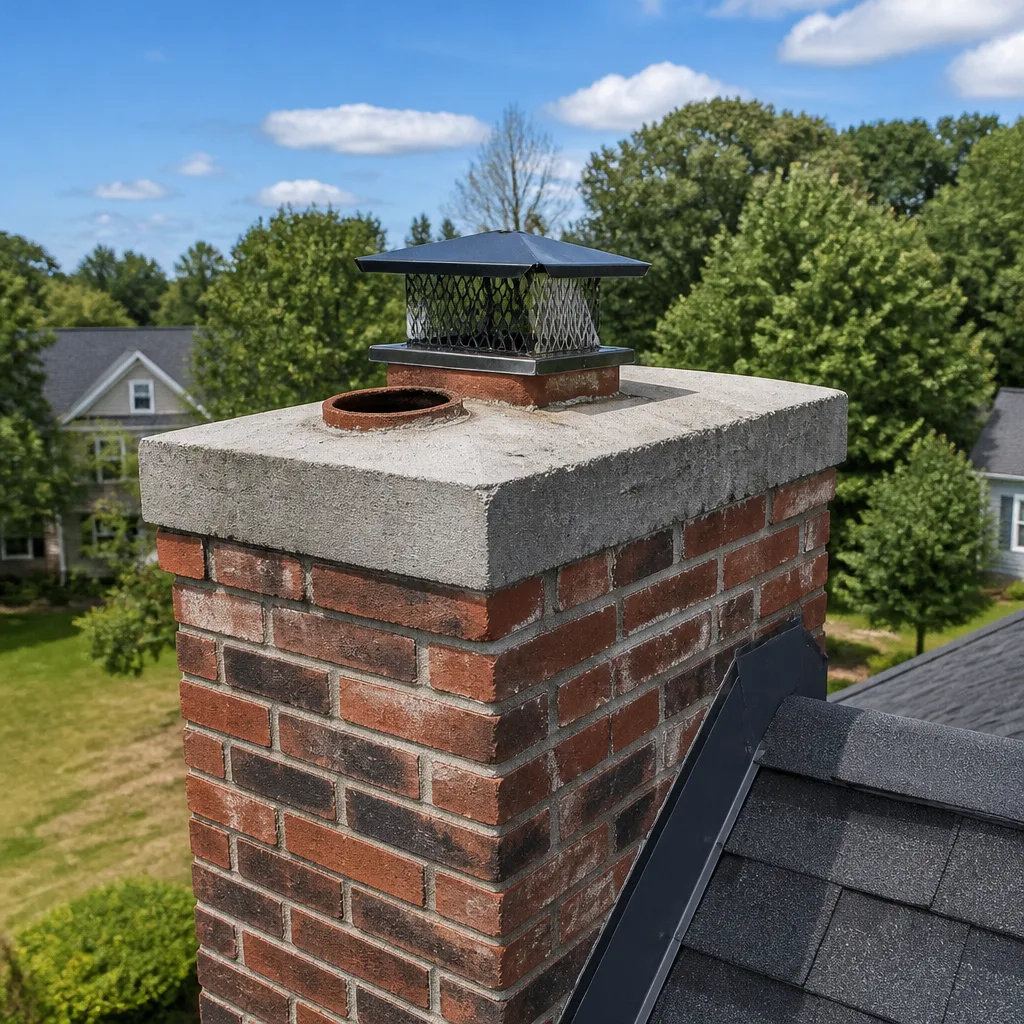
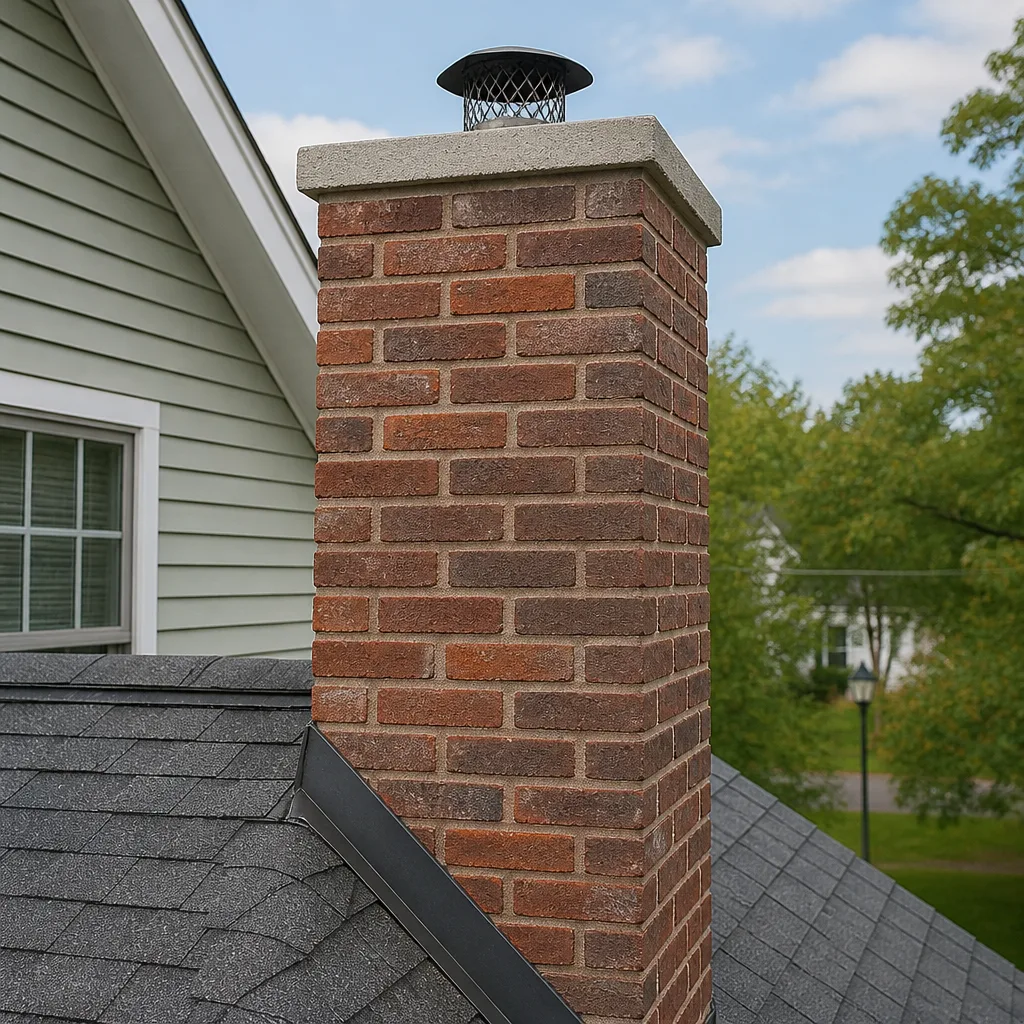
- Sound crown and cap outside. A cracked crown or a missing or broken cap lets water and animals in, and that’s where most New Bedford chimney damage starts.
After the cleaning, you should know which of two situations applies: the flue is clean and sound, or something specific needs attention. A camera report keeps that honest. If the flue is clean and the liner is sound, the honest answer is that nothing more needs doing right now, and we’ll say so. Work that can safely wait until the next season should wait, not get sold to you early. The whole approach is: you see what we see, and you decide with real information.
When Cleaning Turns Into Repair: Liners, Caps, and Mortar
Sometimes a cleaning turns up a problem that needs more than a sweep. The most common findings in a New Bedford chimney are a cracked flue liner, eroded mortar joints, a failing crown, and a missing or damaged cap. Each one has a proper fix, and the fix isn’t always a full rebuild.
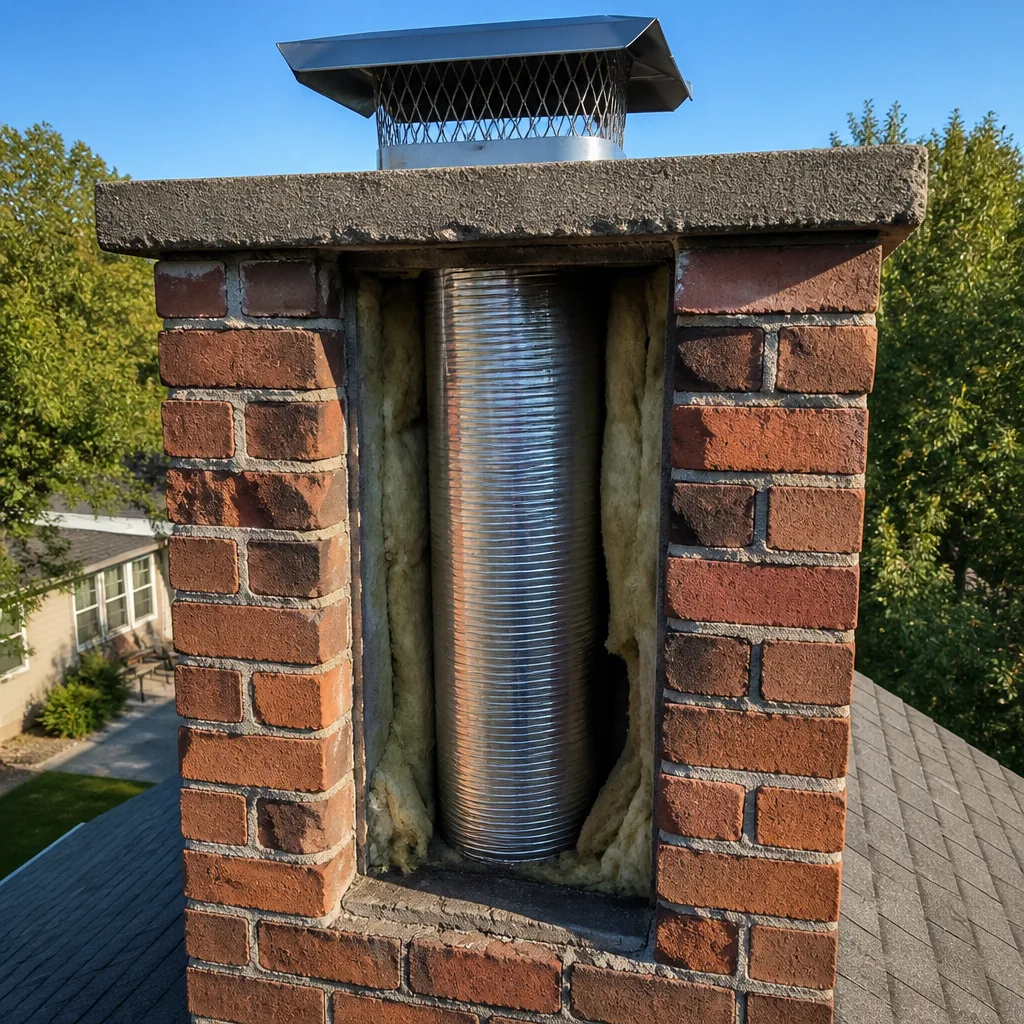
- Damaged liner. A cracked liner lets flue gases into the house. Depending on the extent, a ceramic resurfacing product like HeatShield can restore it without full replacement. A badly compromised flue may need a full reline with a DuraFlex system. Both are real options; the camera inspection tells you which one applies.
- Eroded mortar joints. Repointing restores the joint. Catching it before the surrounding brick is affected keeps the job contained.
- Cracked crown. The crown sheds water. A cracked one sends it into the masonry. Repairing it is one of the most cost-effective protections you can do for a chimney in this climate.
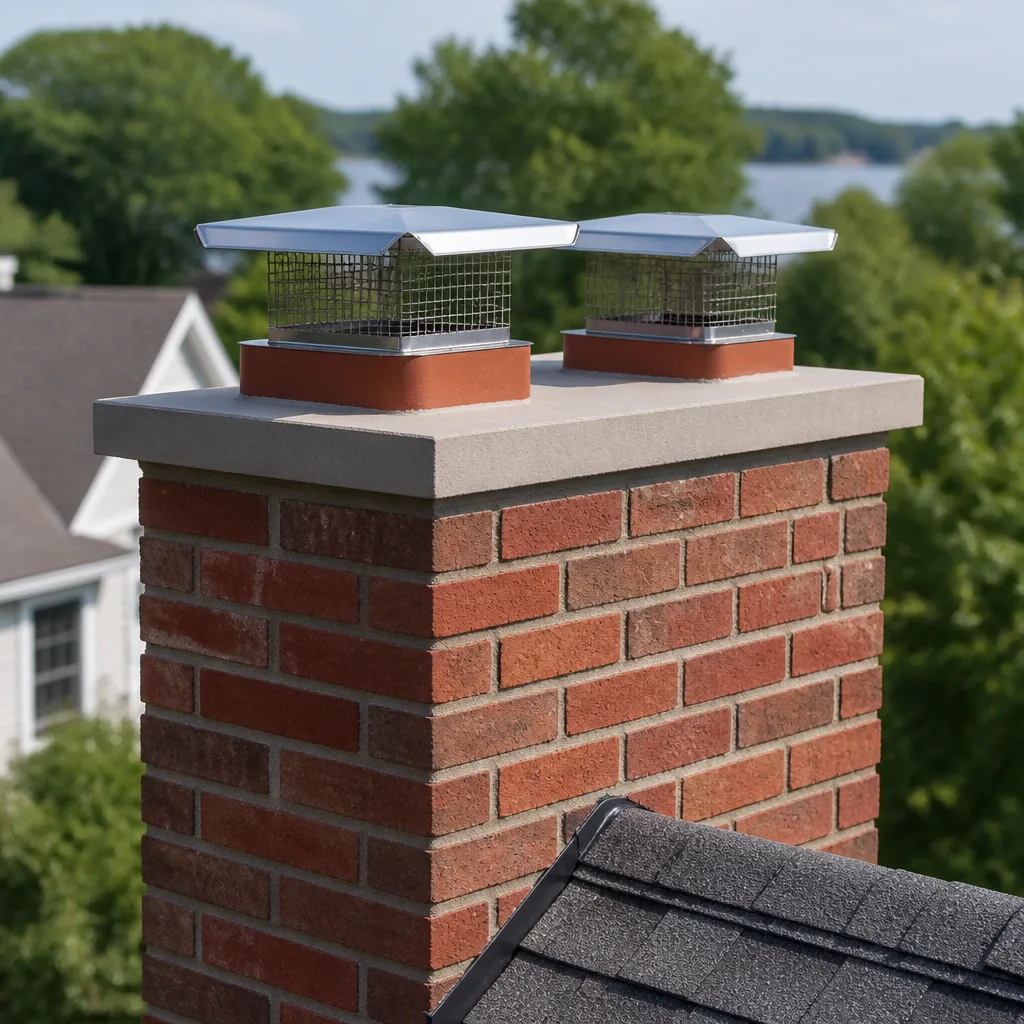
- Missing or loose cap. A proper cap keeps rain, snow, and animals out of the flue, and we fit them with brands like Gelco and Famco so the right piece goes on the right chimney.
Each of these often protects the chimney better when addressed early. That’s why we put so much weight on the inspection: a film-worthy repair caught this season might be a minor fix. The same issue ignored can turn into work that genuinely can’t wait. That’s also why our chimney repair scope is broad enough to cover everything from a crown to a full reline without sending you to a second contractor.
Common Mistakes to Avoid
- Assuming a big crack means a full rebuild. Many liner problems can be resurfaced with HeatShield or a similar product instead of replacing the whole system. Get a camera assessment before you accept a rebuild quote.
- Stretching a wood-burning chimney beyond one season. New Bedford’s moisture and burn patterns build creosote faster than most national advice accounts for. A skipped year can push a flue from Stage 1 to Stage 2.
- Trusting the hardware-store brush on tough creosote. It clears soot, not crusted residue, and gives you no view of what’s left behind. It can even damage a soft flue tile.
- Ignoring the crown and cap. Most local chimney damage starts at the top, with water getting in. Overlooking the finish lets a small fix grow into a masonry job.
- Skipping the spring inspection. The freeze-thaw cycle is what cracks a flue, and it happens over winter. Look in the spring before warm-season moisture settles into new openings.
- Cleaning blind and never reading the result. Without a camera report, you don’t know whether the flue is sound or just swept. Ask to see what’s inside.
- Calling a general handyman for a chimney. Chimney materials, tools, and standards are their own field. A specialist keeps the sweep, the repair, and the inspection on one set of standards.
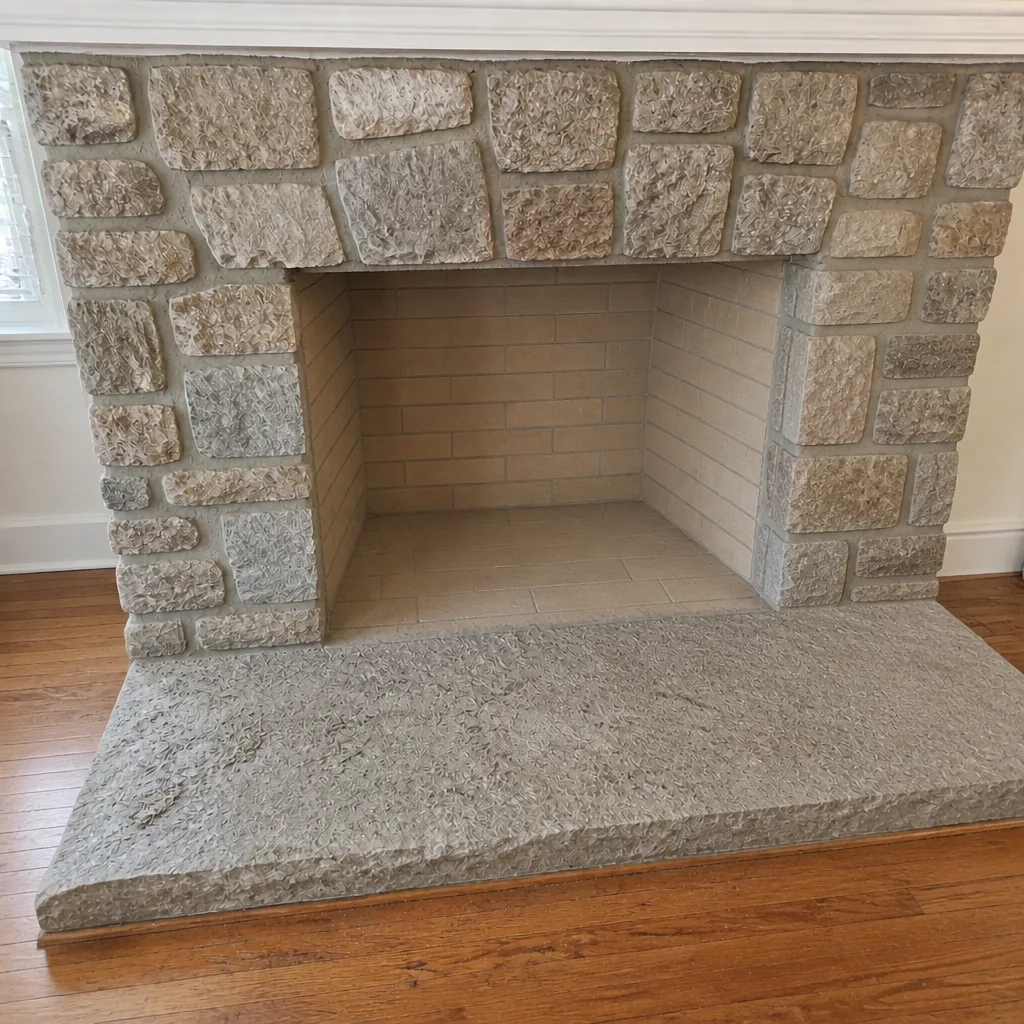
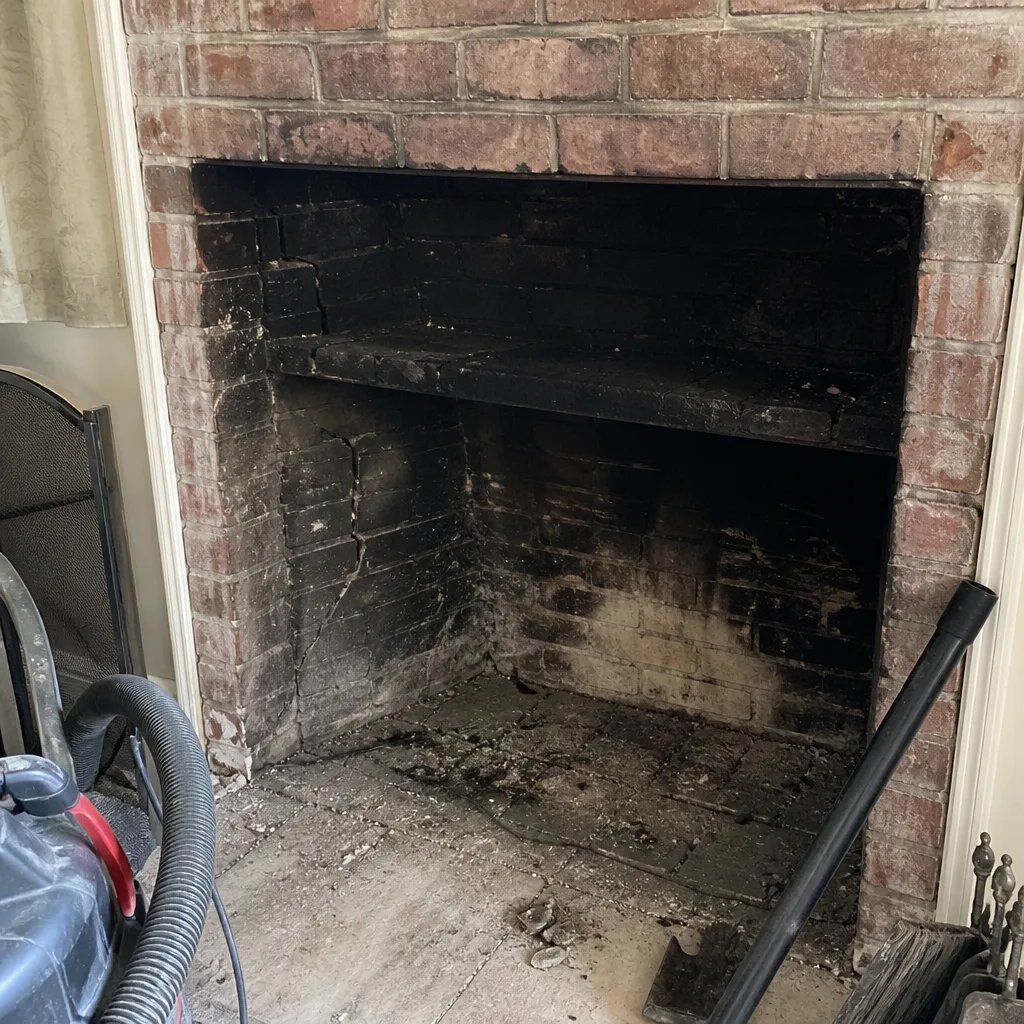
See the difference
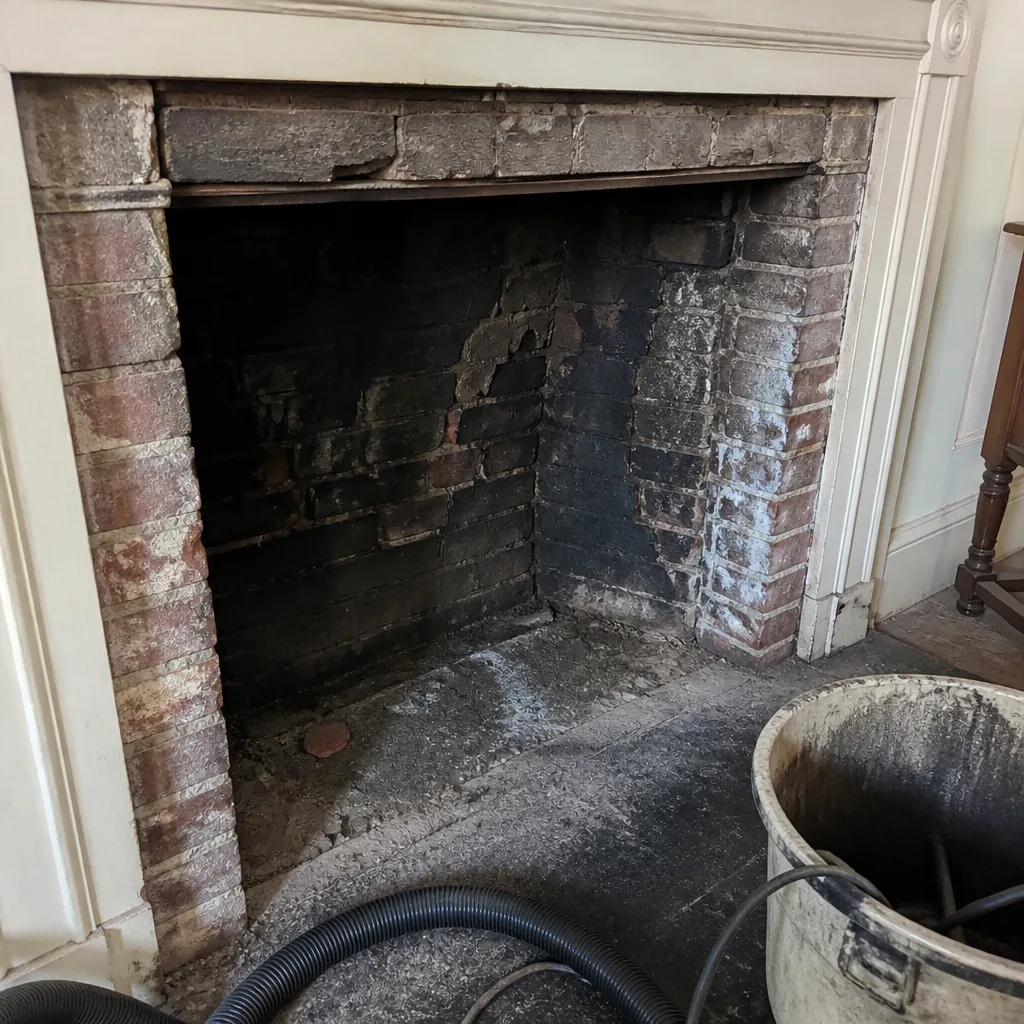 Before
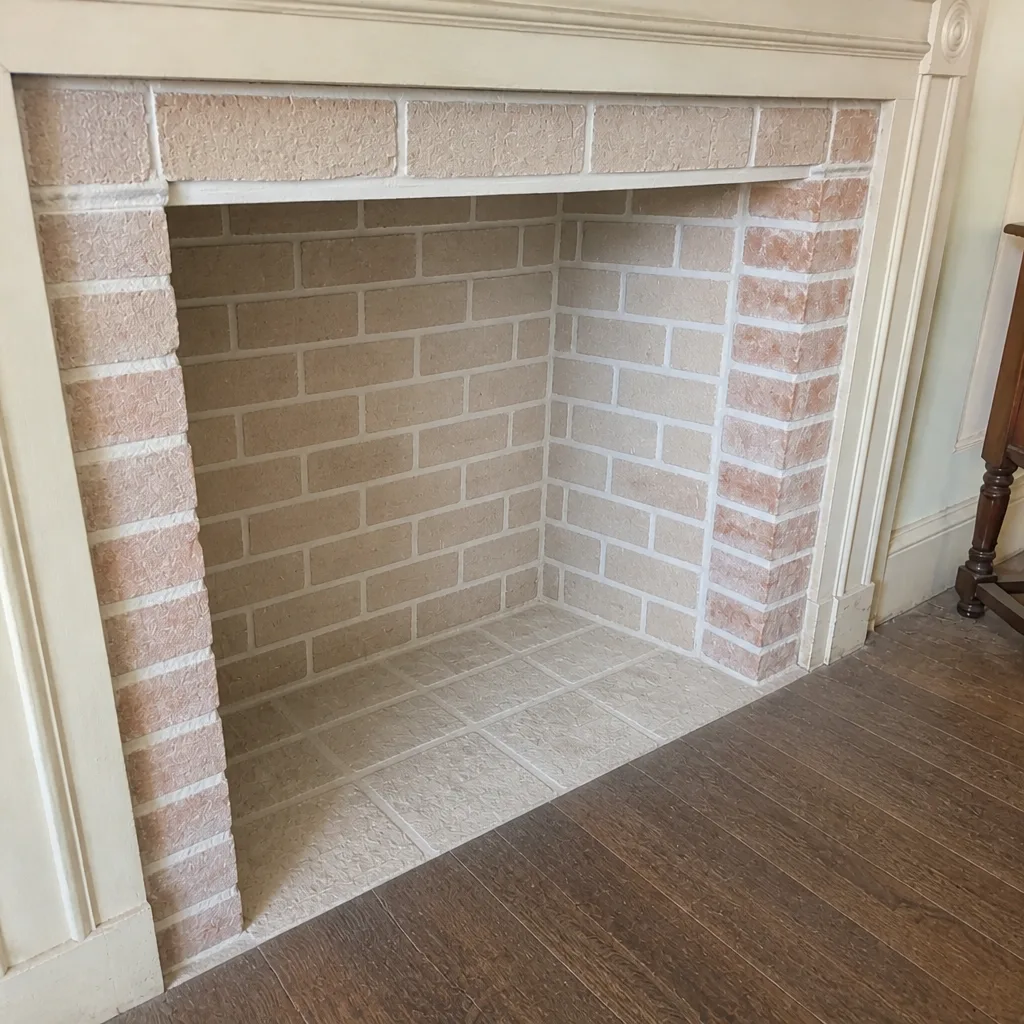 After
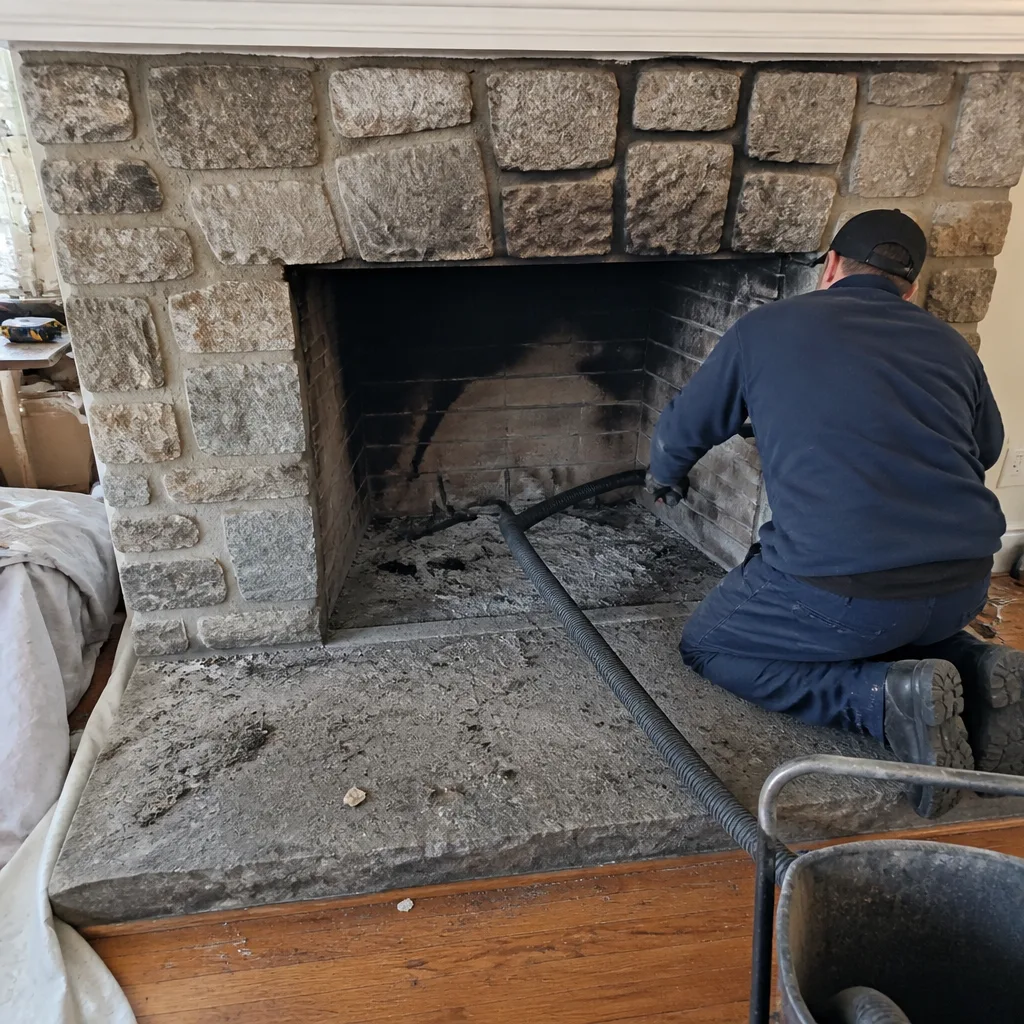 Before
 After
 Before
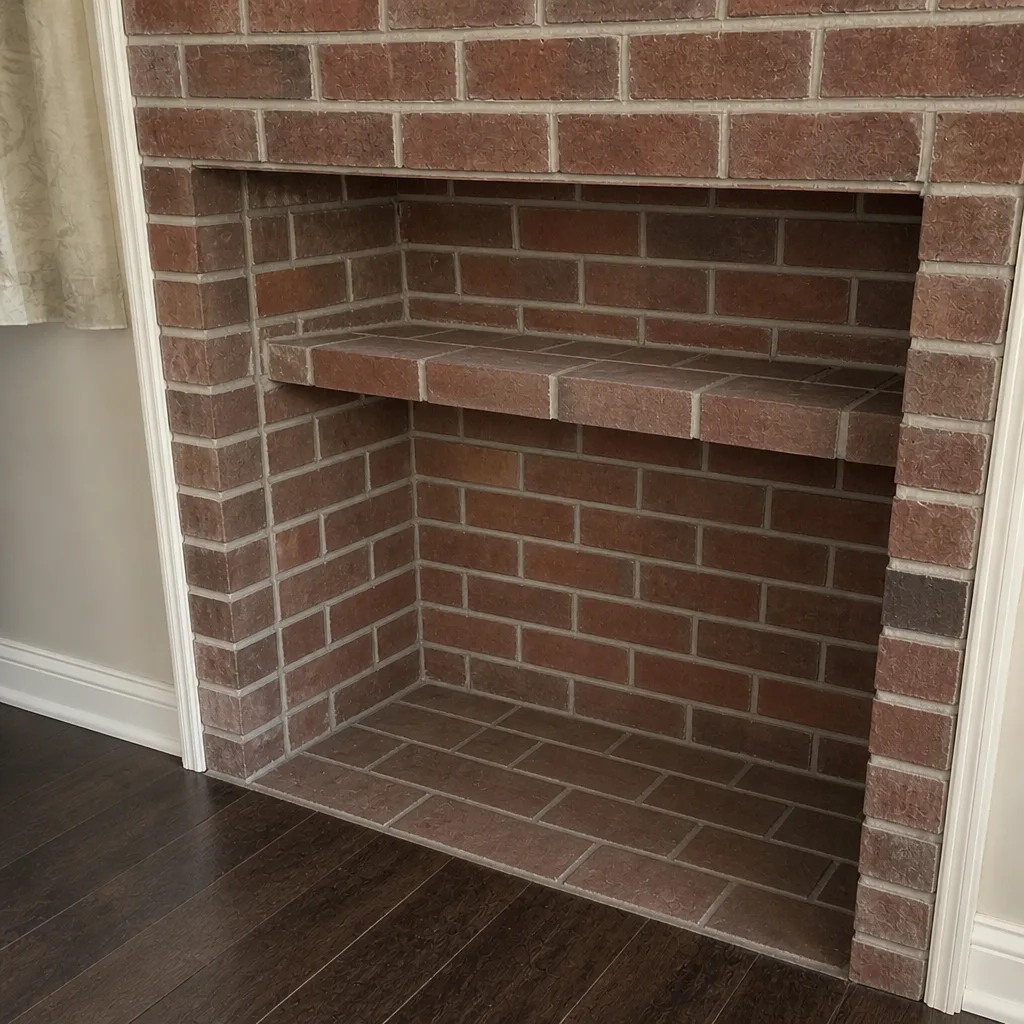 After
When to Call a Professional
Call a professional if it’s been more than a year since the last sweep, if you smell strong smoke or creosote inside the house, if the chimney has visible cracks, or if you’ve noticed white staining on the exterior that signals moisture. A chimney that’s pulling weakly, or a fire that’s harder to light than usual, can point to a blockage or a draft problem that needs a camera look. Call if you’ve moved into a home and have no record of when the chimney was last serviced. An annual sweep and inspection is the baseline. Anything beyond light soot, hard creosote, cracked tile, or a compromised crown, is a professional job. Chimney Sweep New Bedford offers free estimates in New Bedford. Call (877) 845-1880.
Frequently Asked Questions
A chimney sweep in New Bedford is priced per job by a written estimate, and the estimate itself is free. Pricing depends on the flue’s condition, the amount of creosote, and whether a camera inspection is included. Call us for a no-obligation estimate so the price is set in writing before any work begins.
Only if the flue is actually damaged, and a camera inspection tells you that. Many damaged liners can be resurfaced with HeatShield instead of fully replaced, and a full reline with DuraFlex is the right answer only when the flue is genuinely compromised. Nothing is recommended without camera evidence you can see for yourself, and the final call and price come from the written estimate.
Once a year for a wood-burning chimney, or whenever creosote reaches about 1/8 inch. The city’s humid, freeze-thaw climate builds creosote and moisture damage faster than dry inland areas, so treat the annual sweep as a floor, not a ceiling. A spring check after winter is a smart add-on. Call (877) 845-1880 for a booking.
Creosote builds past the point where a cleaning handles it and can reach the hard, glazed stage, which raises the risk of a chimney fire. Moisture that gets into cracks over winter can also widen them, so the eventual repair is bigger. Scheduling the sweep cuts both risks. Estimates are free.
We answer 24/7, and fast dispatch runs 7am to 7pm. A call outside dispatch hours is booked into the next opening, Sunday through Friday, from 7am to 7pm. We’re closed on Saturday. Call (877) 845-1880 for a free estimate.
You see the camera evidence. Nothing is recommended unless the inspection shows it, and you get a plain explanation of the condition and a photo report you can review yourself. If work can safely wait, we say so. That’s the standard we hold on every visit.
The Bottom Line
Chimney cleaning in New Bedford isn’t a generic chore. The city’s humid, freeze-thaw climate and local wood-burning habits mean creosote hardens faster and moisture damage starts earlier than most national advice suggests. Annual sweeping is the baseline, a camera inspection after winter is worth it, and the right tools matter more than a box-store brush. Watch the crown and cap, read what the cleaning finds, and don’t accept a big repair quote without seeing the evidence. A specialist handles the whole lifecycle. Chimney Sweep New Bedford covers the sweep, repair, and inspection with professional-grade materials. Call (877) 845-1880 for a free estimate. We answer 24/7. Fast dispatch from 7am to 7pm, Sunday through Friday.
Written by the team at Chimney Sweep New Bedford.