
Last updated November 15, 2026
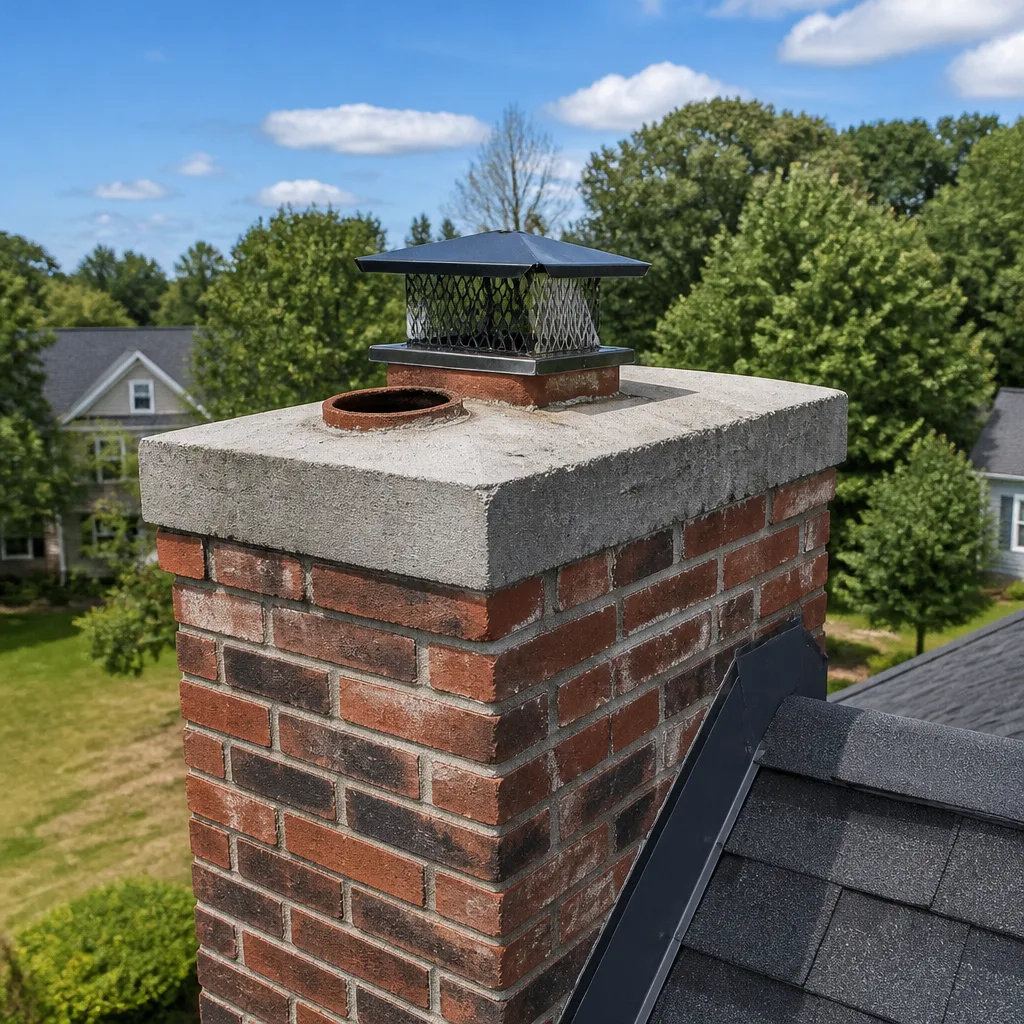 Sweep & inspection
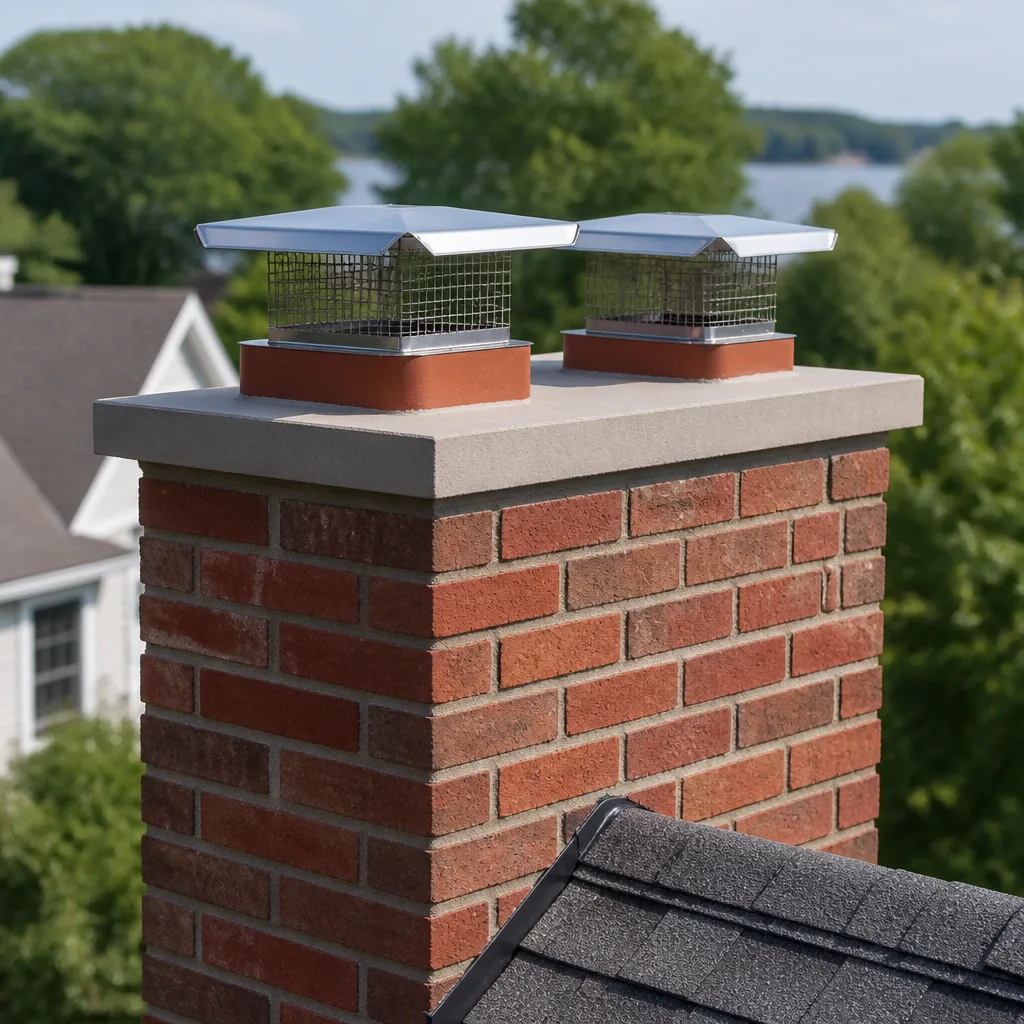 Caps & crowns
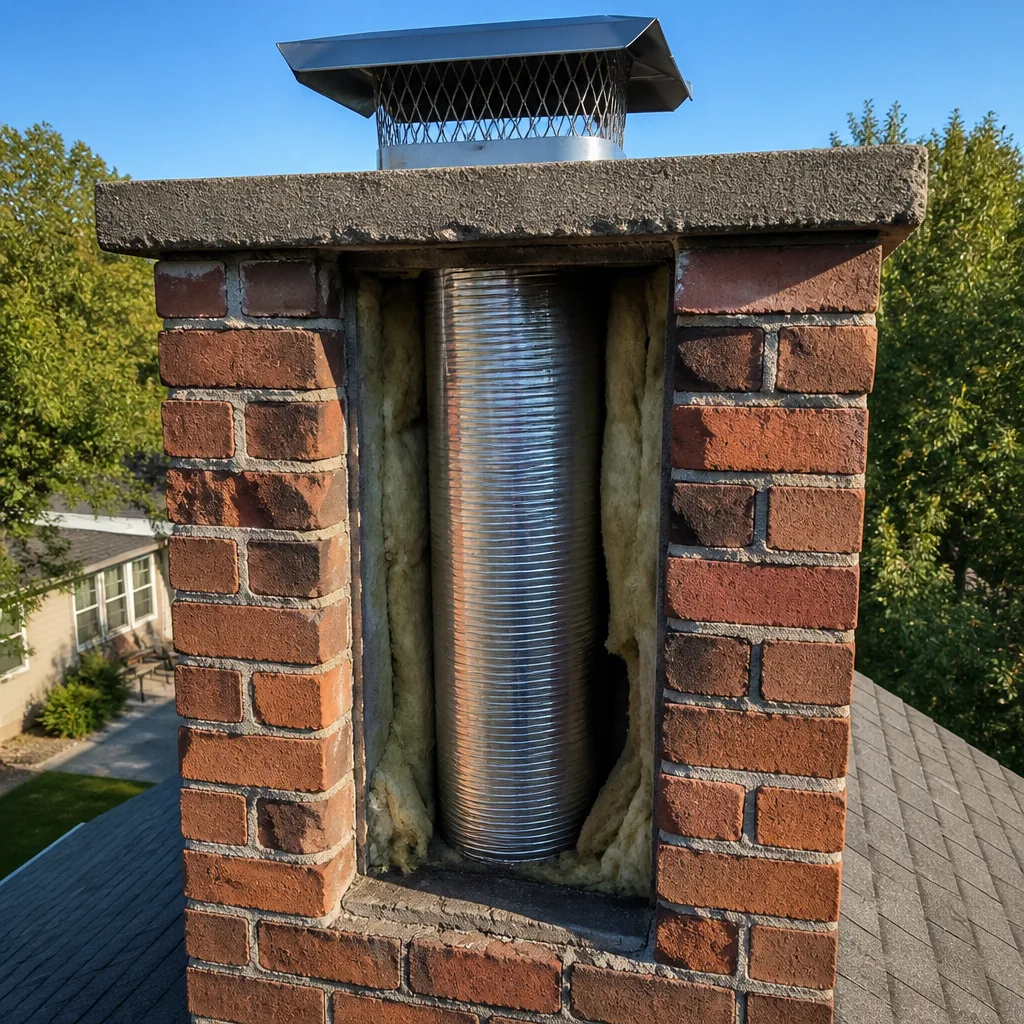 Flue relining
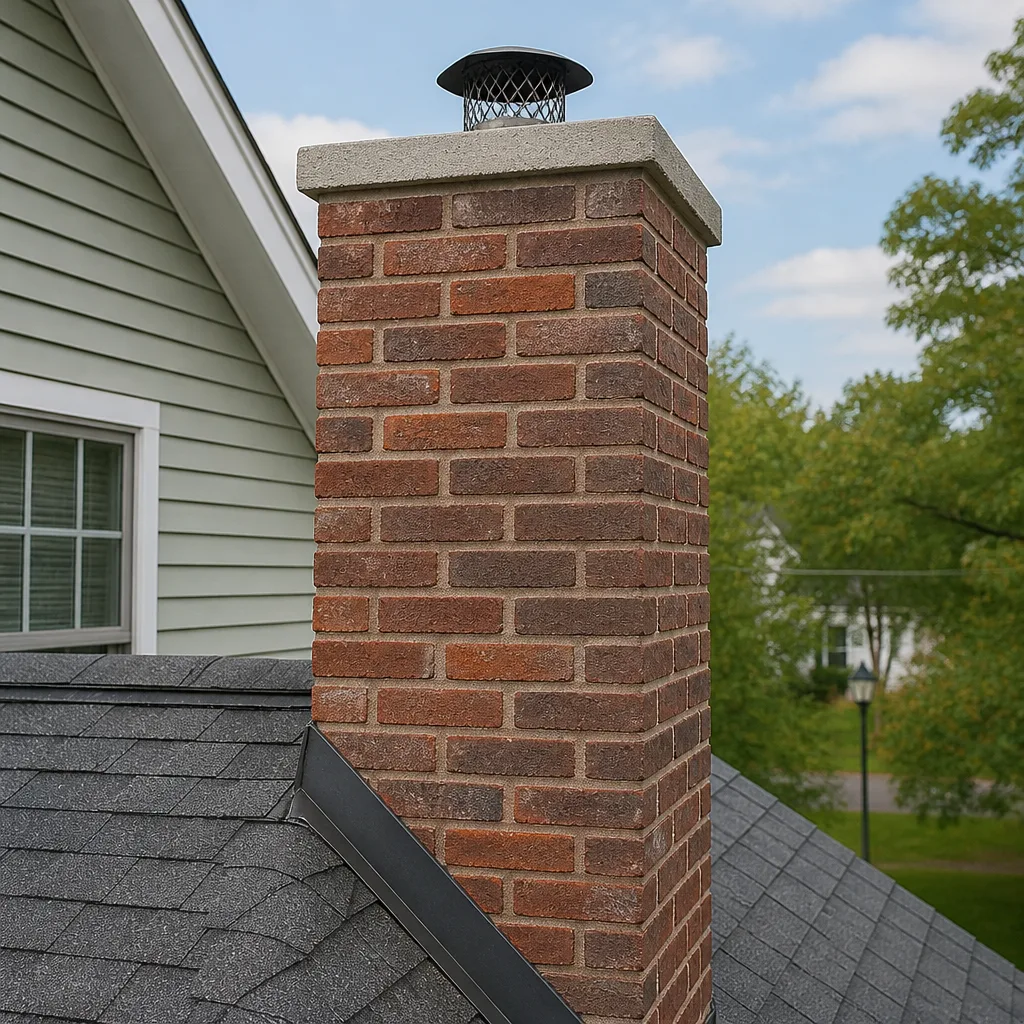 Masonry repair
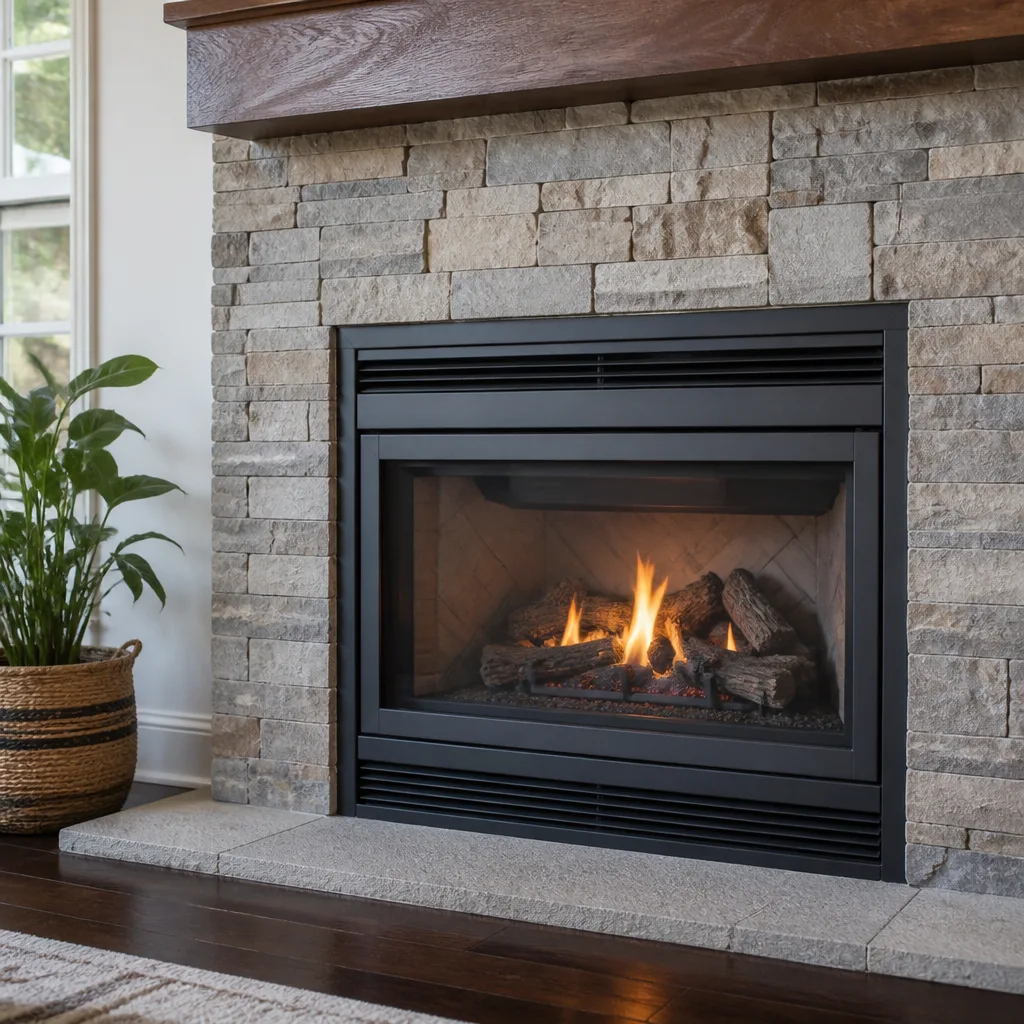 Gas fireplace service
Level 1 sweep and inspection to the NFPA 211 annual standard - flue, crown, cap, and flashing checked and photographed
Chimney sweep logs do not sweep chimneys. They loosen some creosote - which then falls where a brush and vacuum still have to collect it.
Chimney Sweep Troubleshooting in New Bedford: Common Problems and How to Fix Them
Smoke backing into your living room and a fire that refuses to burn hot look like two different problems. Most of the time they’re the same one, and cleaning the flue won’t touch it. That’s the part homeowners miss: a chimney is a pressure system, and when it stops working the symptom you notice is rarely the cause you need to fix. In this guide we walk through the actual diagnostic process we use on New Bedford chimneys – how to tell a draft failure from a blockage from a liner problem using clues you can check yourself, and which fixes a sweep can handle in one visit versus which ones need a full inspection first.
Quick Answer
Most chimney problems in New Bedford fall into three groups: draft failures (smoke backing up, weak fire), blockages (creosote packed in the flue, an animal nest, a collapsed tile), and liner damage (cracked flue tiles, gaps at the joints, spalling). Draft and blockage problems are usually resolved in a single sweep. Liner damage needs a Level 2 inspection and a repair plan before any work starts – and often a HeatShield resurfacing or a DuraFlex reline rather than a rebuild. Matching the symptom to the right group is what saves you money.
Styles & brands we work with
- Sweep & inspection
- Caps & crowns
- Flue relining
- Masonry repair
- Gas fireplace service
Table of Contents
- How do you diagnose a chimney problem before calling anyone?
- Why does smoke come back into the room?
- How do you tell a creosote restriction from a physical blockage?
- How do you know if your liner is damaged?
- Why New Bedford’s humidity makes certain failures more likely
- What a smoke test reveals that a visual look from the firebox misses
- What a sweep fixes in one visit vs. what needs a Level 2 inspection
- Common mistakes to avoid
How do you diagnose a chimney problem before calling anyone?
Start with a pencil and a notepad, not a flashlight down the flue. The best diagnostic tool you own is a careful description of how the chimney behaves – when it smokes, whether the fire burns hot or lazy, whether the smell is sharp or smoky, whether the problem got worse slowly or showed up overnight. A technician can reason from those clues far faster than from a photo of the firebox. And you can gather them without climbing anything or touching a hot component.
Here’s the sequence we walk through with homeowners on the phone before we ever roll out to New Bedford:
- Does it smoke on startup, or only after the fire has been burning a while? Smoke on startup points to a cold flue or a pressure problem. Smoke after an hour of burning points to a flue that’s undersized or partially blocked.
- Does the fire burn bright and hot, or lazy and smoldering? A lazy fire with wet-looking wood is a draft issue. A lazy fire with dry wood and a sharp acrid smell is often creosote loading up in the flue.
- Is there a smell when the chimney is cold and not in use? Sharp, tar-like smells when the fireplace is idle usually mean creosote deposits.
- Have you seen water staining on the ceiling, chimney breast, or the outside masonry? That pushes the diagnosis toward the crown, flashing, or cap rather than the flue itself.
- Is there a strong wind direction that makes it worse? Wind-specific smoke is usually a stack-height or cap issue, not a blockage.
- Are there animals or debris visible from the firebox? A nest or a fallen tile is a physical blockage and needs to come out before anything else happens.
Write your answers down. When you call us at (877) 845-1880, those six answers do more for a fast diagnosis than a photograph ever will. It’s also the difference between sending a sweep out for what turns out to be a cap problem, or a liner specialist for what turns out to be a squirrel nest. Chimney troubleshooting starts with observation, not disassembly.
If you’re already sure the flue is due for a cleaning, you can skip straight to booking a chimney sweep and let the technician handle the diagnosis on site. But if you’re not sure whether you’re dealing with a dirty flue or something structural, keep reading – the next few sections break down each category.
Why does smoke come back into the room?
Smoke backing into the room is almost always a pressure problem, not a cleaning problem. A chimney works by the principle that warm air rises: the fire heats the flue, the hot gas becomes lighter than the outside air, and it pulls its way up and out. Break that chain anywhere – cold flue, air-starved house, too-short stack, wrong cap – and the smoke has nowhere to go but into your room. Here’s what we usually see:
- Cold flue on startup. A cold masonry chimney doesn’t draft until it warms up. Pre-heating the flue with a rolled newspaper torch (briefly, carefully, no accelerants) is often enough to establish draft for the first ten minutes.
- Negative pressure in a tight house. Modern weatherstripping and draft-proofing mean the fire has to compete with kitchen fans, bathroom fans, and the furnace for combustion air. Crack a window on the opposite side of the room. If the smoke clears, pressure is your problem.
- Stack too short. A chimney that doesn’t clear the ridge of the roof or a nearby taller roofline can be in a pressure pocket. Adding height fixes many chronic smokes.
- Poor or missing cap. A damaged cap with too small a screen area, or the wrong type for the appliance, chokes draft. We work with Gelco and Famco caps for exactly this reason: a proper cap solves draft and keeps animals and water out at the same time.
- Wrong flue size for the appliance. An oversized flue on a small stove drafts poorly. This is common in older New Bedford homes where a heating stove replaced a larger fireplace without a flue correction.
If your smoke problem turns out to be structural – a chimney in need of tuckpointing, a crown that’s cracked, or a flue liner that’s given up – we handle it under chimney repair rather than sweeping. Smoking chimneys are the single best argument for a proper smoke test before any work begins, which we cover further down.
How do you tell a creosote restriction from a physical blockage?
Both choke a chimney, and both produce similar symptoms, but the fix and the urgency are different. A physical blockage is anything solid sitting in the flue: a bird’s nest, a squirrel’s winter cache, a fallen piece of crown or a dislodged tile, a chunk of mortar. A creosote restriction is the gradual buildup of creosote on the flue walls – glazed, tar-like, or flaky depending on how it formed – slowly narrowing the passage. Both make the fire lazy. Both make smoke back up. But a physical blockage arrives suddenly, and a creosote restriction builds up over a few seasons.
The clues that point to a physical blockage:
- The problem appeared suddenly, often overnight or after a windy period
- There’s a scratching, rustling, or chattering sound in the flue (squirrels and birds are the usual suspects)
- You’ve seen debris or nesting material fall into the firebox
- The fire runs fine for weeks, then smoke starts without any change in how you’re burning
The clues that point to a creosote restriction:
- The draft has been getting steadily worse over a season or more
- There’s a sharp, acrid, tar-like smell when the fireplace is cold
- You’ve been burning green or unseasoned wood, or restricting the air to make fires last
- Black, glassy deposits are visible up the flue from the firebox opening
Why does the difference matter? A physical blockage can often be cleared in one visit with the right tools – a top-down rotary sweep and a camera check. A heavy creosote restriction is a fire hazard while it’s sitting there, and removing it takes the right technique and materials. If the creosote has climbed to stage three (glazed, tar-like, hard), sweeping alone won’t do it, and the flue needs chemical treatment or, in the worst cases, resurfacing with a product like HeatShield. Knowing which situation you’re dealing with is exactly the difference between a $200 sweep and a $2,000 misdiagnosis.
How do you know if your liner is damaged?
You can’t confirm a damaged liner from the firebox. That’s the honest answer, and it’s the one most homeowners have never been told. The firebox view shows you maybe the lower two feet of the flue, and flue damage almost always starts higher up, at the joints between tiles, at the smoke chamber, or in the upper section past the roofline. Everything you can see from the sofa – a bit of soot, a little staining – is normal. What you’re looking for is evidence that combustion gases are escaping the flue and touching something they shouldn’t.
Signs that make us suspect a damaged liner:
- White or gray staining on the outside chimney masonry, especially near the joints between tiles
- A white, chalky, powdery efflorescence on interior surfaces – a sign moisture is passing through
- Smoke stains or soot escaping at the smoke chamber or the damper
- A draft that’s weak even after a full sweep, especially with an appliance that used to draw fine
- Any visible cracking or displacement in the flue tiles at the top of the chimney
- Spalling brick – flaking, crumbling, or pieces dropping off the outside of the chimney
If any of those are present, you’re past a routine sweep and into a Level 2 inspection, which uses a camera to see the full flue. That’s when we know whether the liner is repairable or needs replacing. Modern relining with DuraFlex systems lets us bring an older flue back to a safe condition without rebuilding the chimney from the outside, which is what most New Bedford homeowners assume they’re in for. And when the damage is at the joints rather than the full length of the flue, HeatShield ceramic resurfacing can often seal it without a full reline – which is the technical capability most general chimney services don’t offer.
Why New Bedford’s humidity makes certain failures more likely
New Bedford’s damp, humid air does its own kind of damage to masonry chimneys, and it’s a failure mode most generic chimney guides never mention. Water is the enemy of brick, mortar, and flue tile, and a coastal-adjacent climate with high year-round humidity gives that water more chances to get in and stay in. Three specific failure patterns we see again and again in New Bedford:
Spalling brick
When brick absorbs water and then freezes and thaws repeatedly through winter, the face of the brick flakes off in layers. Once spalling starts on a chimney, it accelerates: the newly exposed face absorbs more water and spalls again the following season. Left alone, the chimney loses structural integrity at the top where it holds the crown and the cap.
Mortar wash
The mortar joints between the bricks wash away under years of wet/dry cycles, leaving the brick faces standing proud and unsupported. Chimneys showing advanced mortar wash need repointing – and if the crown is letting water into the chimney body, repointing alone won’t fix it. The water needs to be shut off at the top first.
Crown cracking
The crown is the concrete slab at the very top of the chimney, and it’s the single most important piece of water management on the whole assembly. A small crack in the crown lets water run down into the flue and into the chimney structure. That water is the cause of most of the interior staining and spalling brick we see in New Bedford. A proper crown repair and a properly fitted cap handle this together.
The other failure our climate encourages is a cap that’s been beaten down by a few winters. A missing, damaged, or undersized cap lets rain and snow straight into the flue, and lets animals take up residence. We fit Gelco and Famco caps for exactly this reason: a correct cap is the difference between a chimney that lasts and one that needs repair every few years. If your existing cap is fitted with a screen, check it in the spring – a winter’s worth of debris often blocks the mesh, and that blockage is a draft problem you can diagnose without calling anyone.
What a smoke test reveals that a visual look from the firebox misses
A visual look from the firebox is like inspecting a house by standing in the front hall: it tells you what’s in the hall, not whether the roof leaks. A smoke test pushes smoke through the flue under controlled conditions and watches where it goes. It reveals things the firebox view cannot, and it’s the tool that separates a good diagnosis from a guess.
Here’s what a proper smoke test reveals:
- Whether the flue draws under typical conditions. A flue that looks clean from the firebox can still fail to draft – this test proves whether it does.
- Where gases escape. Smoke leaking into the house or into the wall cavity means the flue is compromised somewhere the camera would only confirm later.
- Joint gaps and hairline cracks. Smoke finds every path through the flue, including the tiny ones you can’t see unless you’re specifically looking for them.
- Crown and cap leakage from outside. A test run from the top and from the bottom can isolate where the leak is entering.
- Whether the problem is the chimney or the appliance. A smoke test can distinguish between a stove that isn’t drafting and a flue that can’t draft, which are two very different repairs.
We pair a smoke test with a camera inspection on any job where the homeowner reports chronic smoke. That pair of tests is the difference between a clear answer today and another round of guessing next winter. If you’ve already had a “sweep and it’s fine” result that didn’t solve your smoke problem, ask for a smoke test specifically.
What a sweep fixes in one visit vs. what needs a Level 2 inspection
Not every chimney problem needs a camera. Knowing which jobs are one-visit sweeps and which need the full inspection first saves time and avoids unnecessary work. Here’s how we triage in New Bedford:
What a sweep resolves in one visit
- Routine annual cleaning – the standard soot and creosote removal
- Physical blockages: nests, debris, fallen tiles, and small animal guests
- Stage one and stage two creosote deposits (the flaky or brittle kind)
- Cap screen clearing and cap replacement
- Draft issues traced to a cold flue or a house pressure problem
- Minor damper adjustment
What needs a Level 2 inspection before any work starts
- Any visible cracking, spalling, or displacement in the flue
- Stage three creosote (glazed, tar-like, needs chemical treatment)
- Smoke escaping into the house that a smoke test reproduces
- Water staining or efflorescence on the exterior chimney
- An appliance change (new stove, new insert, new furnace)
- A property changing hands (buyers and sellers almost always need a Level 2)
A Level 2 inspection uses a camera to see the full flue, and its job is to tell you whether the flue is safe to use. That’s the moment when you learn whether you need a simple cleaning, a HeatShield resurfacing, a DuraFlex reline, or a masonry repair. It’s also the point at which a repair plan becomes a written estimate – we don’t quote relining work without seeing what’s actually in the flue. For more on how a routine cleaning compares to an inspection, our chimney sweep page walks through both.
Common Mistakes to Avoid
- Assuming a smoke problem means the flue needs cleaning. Many smoking chimneys are perfectly clean – the problem is pressure, flue size, or stack height. Cleaning first without diagnosing wastes a visit and doesn’t solve the smoke.
- Burning unseasoned wood to “save money.” Wet wood produces more creosote in a single season than dry wood does in three. In New Bedford’s humid climate, properly seasoned firewood takes longer to dry and should be stored off the ground with airflow on all sides.
- Skipping the cap because “nothing’s gotten in yet.” A missing cap is the leading cause of water intrusion into the flue and animals in the chimney. A correct Gelco or Famco cap is one of the cheapest fixes you’ll ever make on a chimney.
- Ignoring a small crown crack through the winter. A hairline crack in New Bedford’s freeze-thaw cycles opens up fast. What looks like a minor maintenance item in October becomes a masonry repair by March.
- Letting a “driveway sweep” do a liner inspection. A quick sweep without a camera can’t confirm the state of your flue. If you’re being told your liner is fine from the firebox, get a proper camera inspection before accepting that answer.
- Replacing a chimney when a liner repair would do. A HeatShield resurfacing can often solve joint damage without a full rebuild. Get a second opinion before committing to masonry work.
- Trying to diagnose a flue fire yourself. A chimney fire is a serious event and the flue can be compromised even when nothing looks wrong from the firebox. Call a professional before using the chimney again.
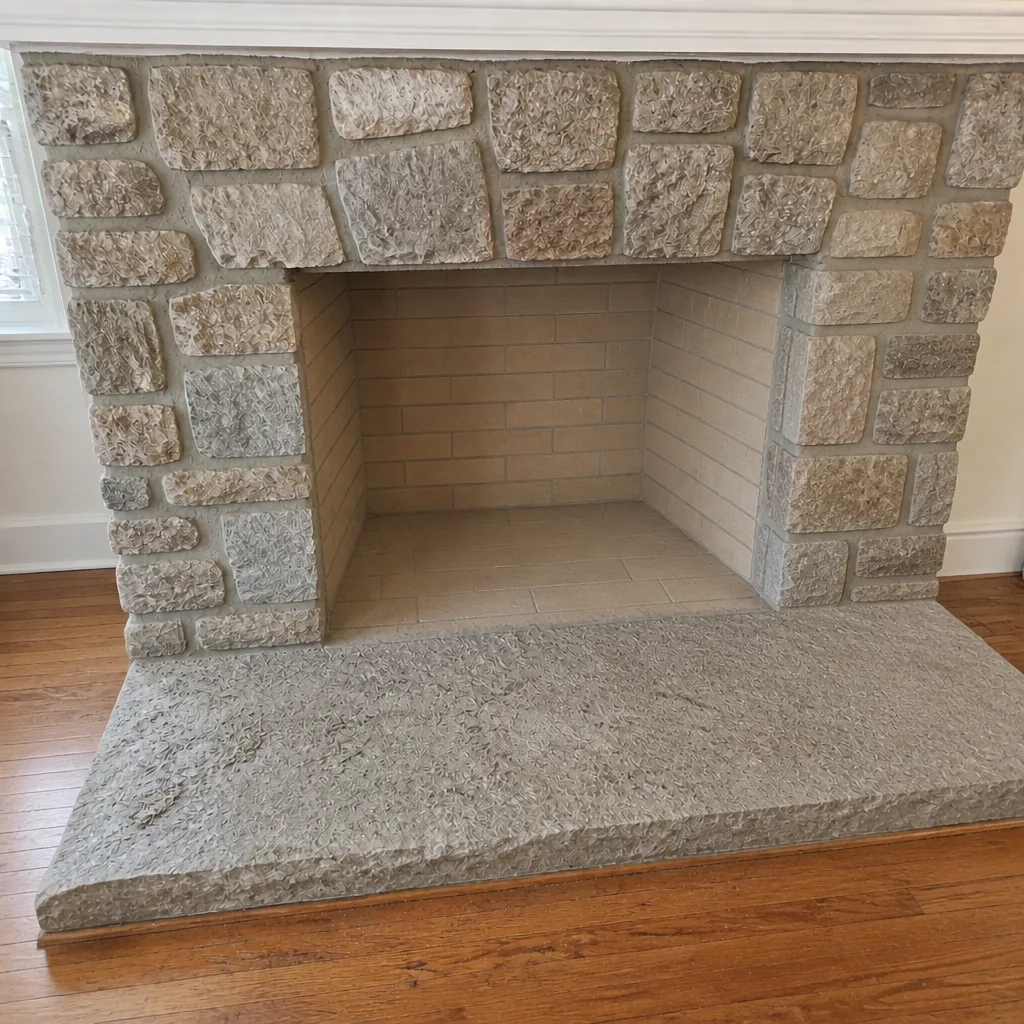
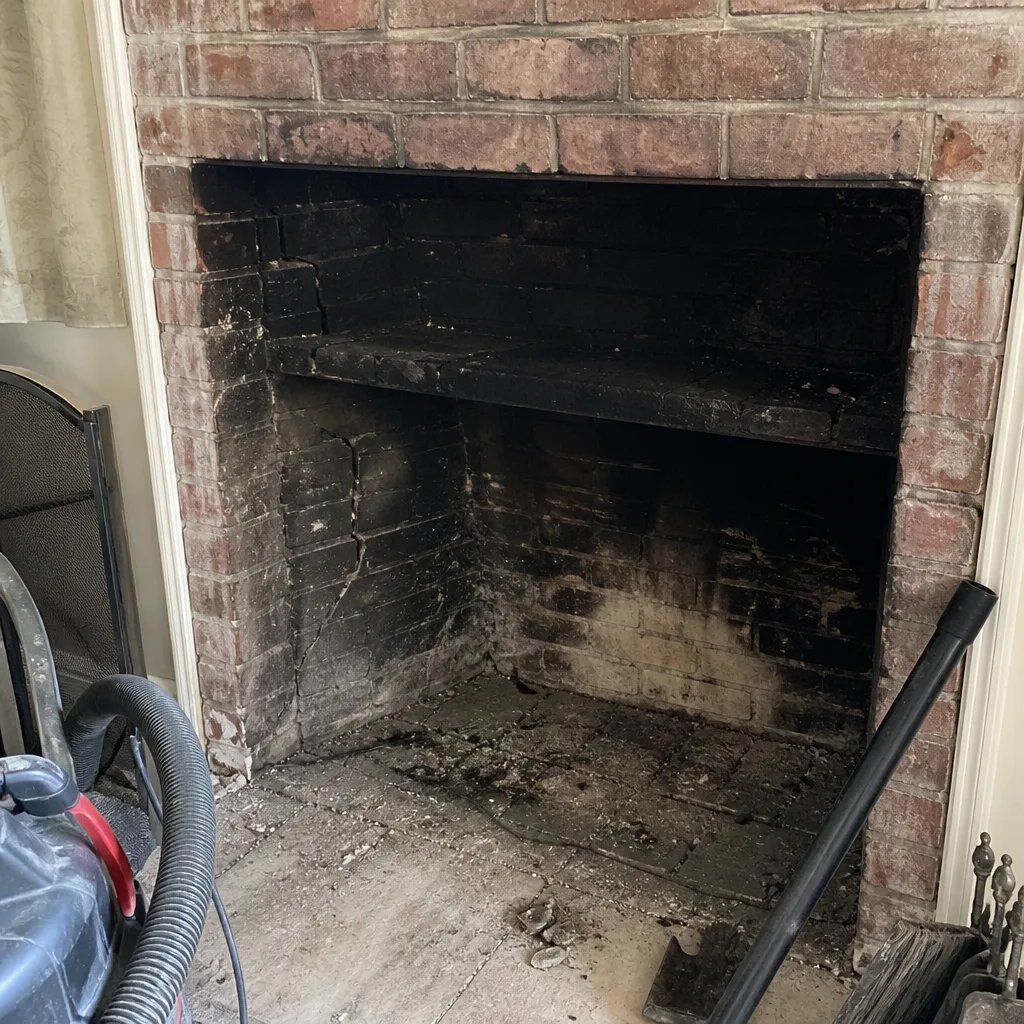
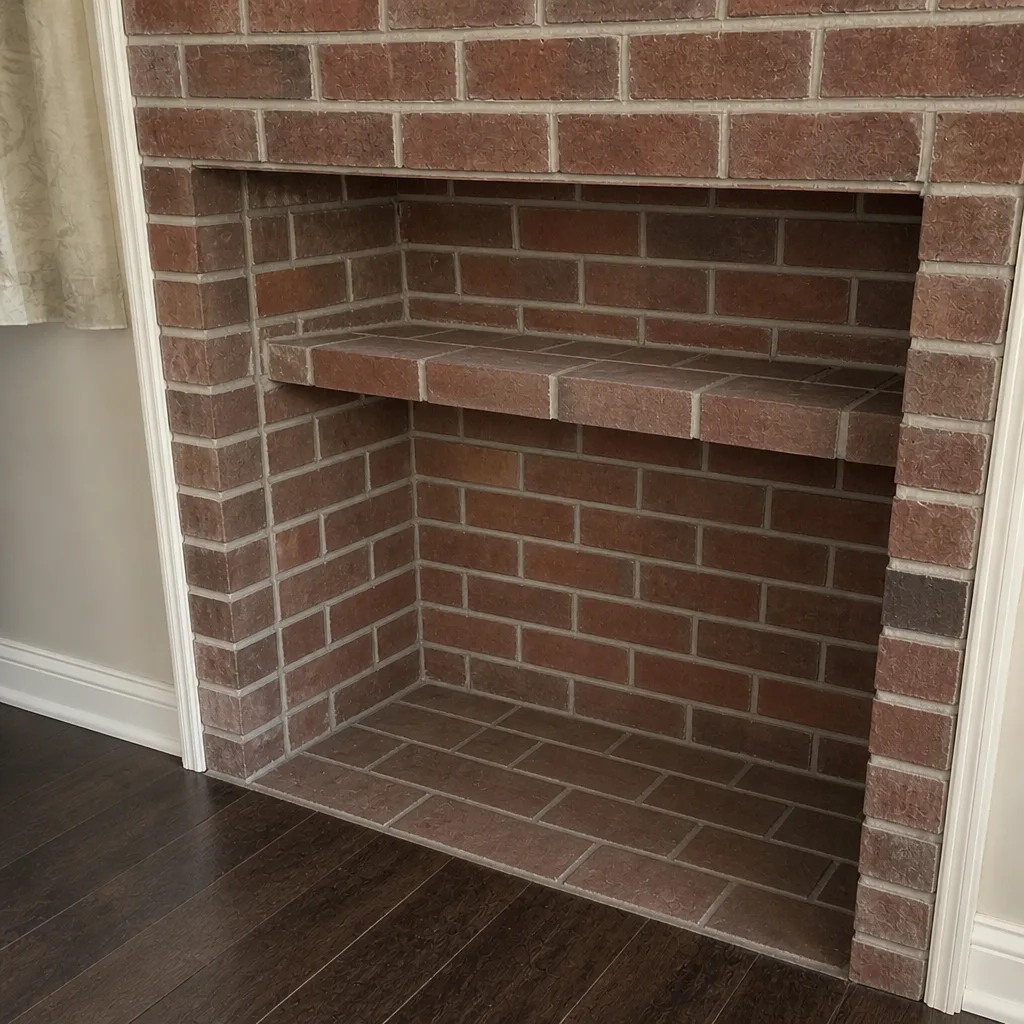
See the difference
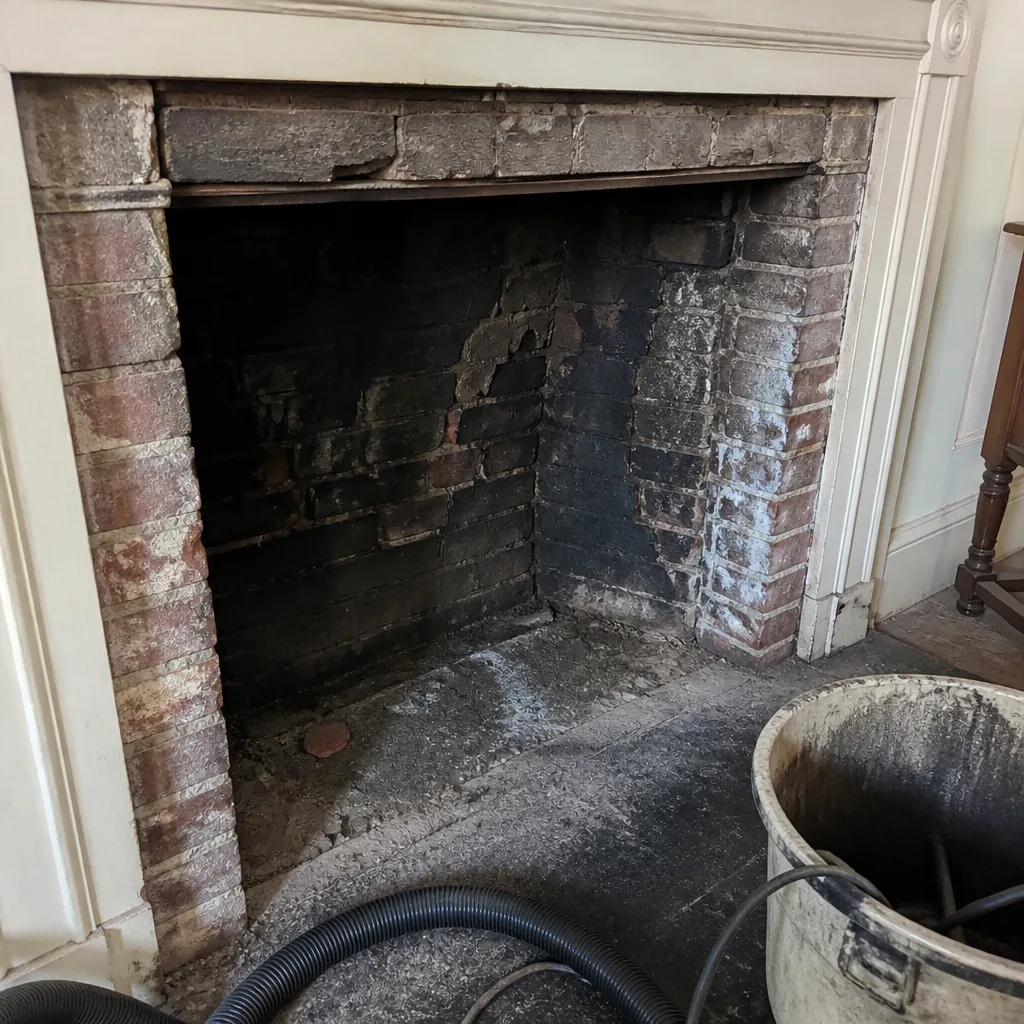 Before
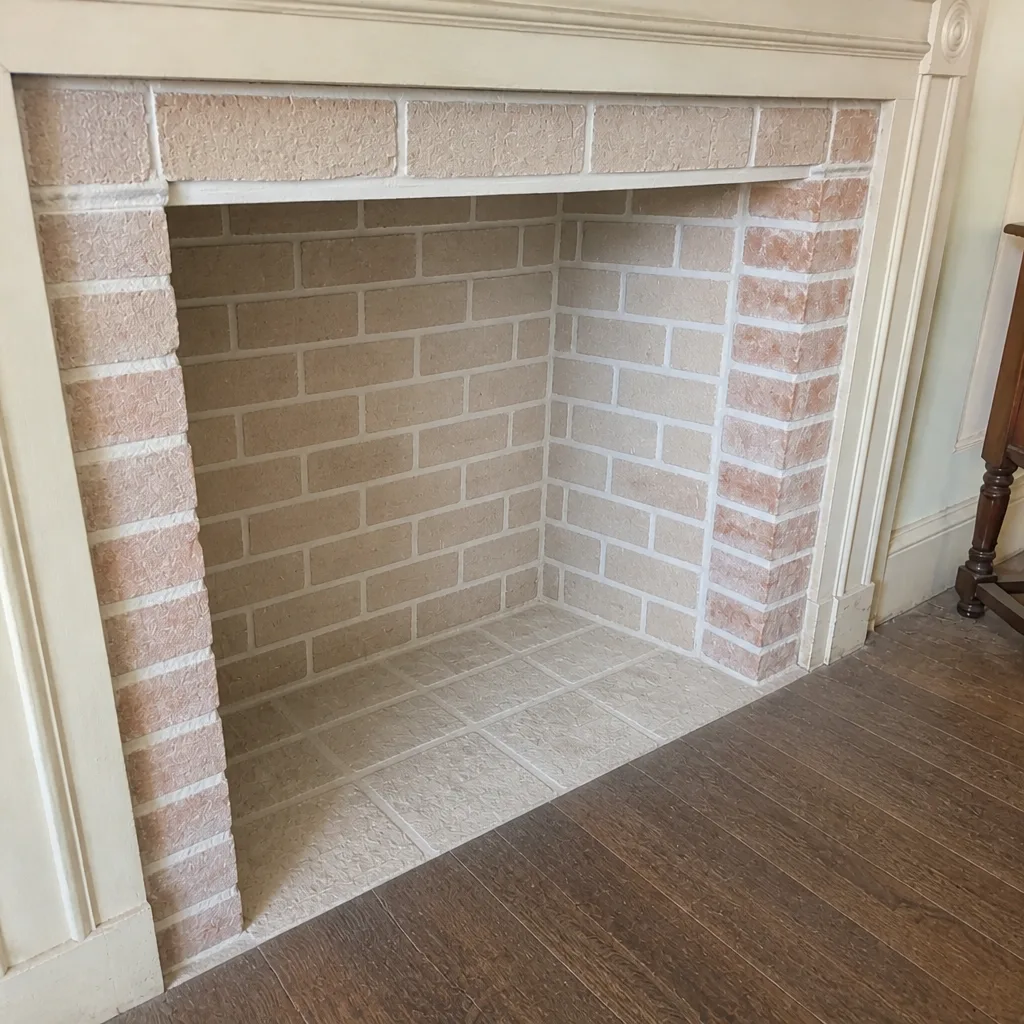 After
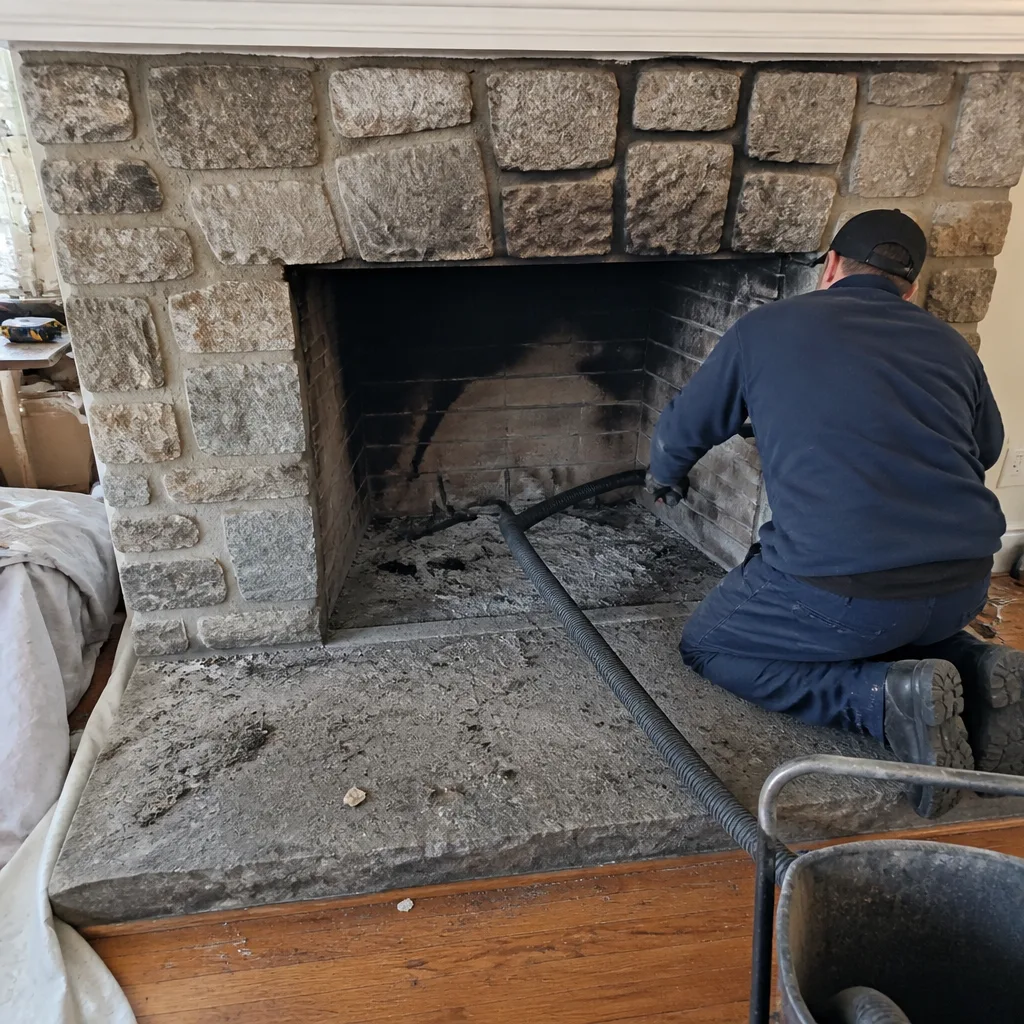 Before
 After
 Before
 After
When to Call a Professional
Call a professional if you’re seeing any of the following: smoke that backs into the room repeatedly, a sharp acrid smell when the fireplace is cold, visible cracking or spalling on the outside chimney, white chalky staining on the masonry, water stains on the ceiling near the chimney, animals or debris in the firebox, or a fire that’s suddenly burning poorly after years of burning fine. Chances are the actual flue condition isn’t what it appears from the firebox, and only an inspection can tell you for certain. Our technicians have up to 10 years of experience with exactly these calls.
If your chimney has survived a chimney fire – a loud roaring sound, a shaking, or a sudden blast of heat and popping – do not use it again until it’s been inspected. The masonry can be sound and the liner can still be cracked.
If you’re anywhere in New Bedford and want a straight answer, we offer free estimates. Call (877) 845-1880. We answer 24/7. Fast dispatch from 7am to 7pm, Sunday through Friday.
Frequently Asked Questions
The standard industry guidance is once a year, and for a wood-burning fireplace that’s used regularly that’s the right interval. Gas and oil appliances need an annual inspection rather than sweeping. In New Bedford, the humid climate and the amount of damp firewood homeowners end up burning mean once a year is a genuine minimum, not a marketing nudge. If you burn more than a cord a season, or you’re not sure how well your wood was dried, get an inspection mid-season as well as the annual clean. Call (877) 845-1880 for an exact quote – estimates are free.
Only if the inspection shows your existing flue is unsafe to use – cracked tiles, gaps at the joints, or a flue that can’t contain combustion gases. Most liner damage we see is repairable without a full rebuild. HeatShield ceramic resurfacing seals joint damage without removing the old liner, and a DuraFlex relining system handles the cases where the flue can’t be salvaged. The important thing is that the decision is made from camera evidence, not from a technician’s verbal description alone. If you’re being told you need thousands of dollars of liner work, ask to see the camera footage before agreeing. Call (877) 845-1880 for an exact quote – estimates are free.
The creosote layer in the flue thickens year after year, and past a certain point it becomes a genuine fire hazard. A flue fire can damage the liner, the chimney structure, and in the worst cases the roof. Skipping a sweep doesn’t just mean a dirty chimney – it means the flue is holding material that a single hot fire could ignite. It also means you don’t discover liner damage in time to repair it cheaply. Call (877) 845-1880 for an exact quote – estimates are free.
Smoke from a clean chimney points to a draft failure, not a blockage. The cause is usually a cold flue on startup, negative pressure in a tight house, or a stack that’s too low to clear nearby rooflines. Sometimes it’s a cap that’s undersized or clogged. A smoke test at the flue will narrow it down in one visit. Call (877) 845-1880 for an exact quote – estimates are free.
Yes. A Level 2 inspection is standard for a property changing hands because it gives you a full camera look at the flue – that’s information the seller’s routine cleaning won’t reveal. New Bedford’s older housing stock often has flues built for appliances that no longer exist (coal stoves replaced with gas furnaces, fireplaces converted to inserts), so the flue size and liner condition frequently don’t match the current heating setup. Find out before you close. Call (877) 845-1880 for an exact quote – estimates are free.
The classic signs are a loud roaring or rumbling sound, a shaking in the chimney, puffs of black smoke at the top, and a sudden burst of heat. Sometimes the only sign is a strong, sharp smell followed by the fire going out. If you suspect a chimney fire, stop using the chimney immediately, call the fire department if you’re unsure it’s fully out, and don’t burn again until a professional has inspected the flue. A visual check from the firebox is not enough.
The Bottom Line
Chimney troubleshooting comes down to one habit: separate the symptom from the cause. Smoke in the room is usually a draft problem. Acrid smell when cold is creosote. Sudden loss of draft is a blockage. Slow decline, staining, or spalling is a liner or masonry problem. Each of those groups has its own fix, its own tool, and its own cost, and matching symptom to cause is what turns a guess into a diagnosis. In New Bedford, add the local climate factor: humidity drives water damage through crowns and masonry faster than most guides warn about. Get a proper smoke test, get the camera inspection when liner damage is suspected, and insist on seeing the evidence before committing to repair work.
We work with professional-grade materials from DuraFlex, HeatShield, Olympia Chimney, and Famco because a proper chimney only stays safe when the liner, cap, and flue all fit together correctly. Our three services – sweep, repair, and inspection – cover the full flue, so there’s no need to call a second contractor for the second half of the job.
Ready to book? Call (877) 845-1880 for a free estimate. We answer 24/7. Fast dispatch from 7am to 7pm, Sunday through Friday. You can also read more about our New Bedford service area or start at our Chimney Sweep New Bedford home page.
Written by the team at Chimney Sweep New Bedford.