
Last updated November 15, 2026
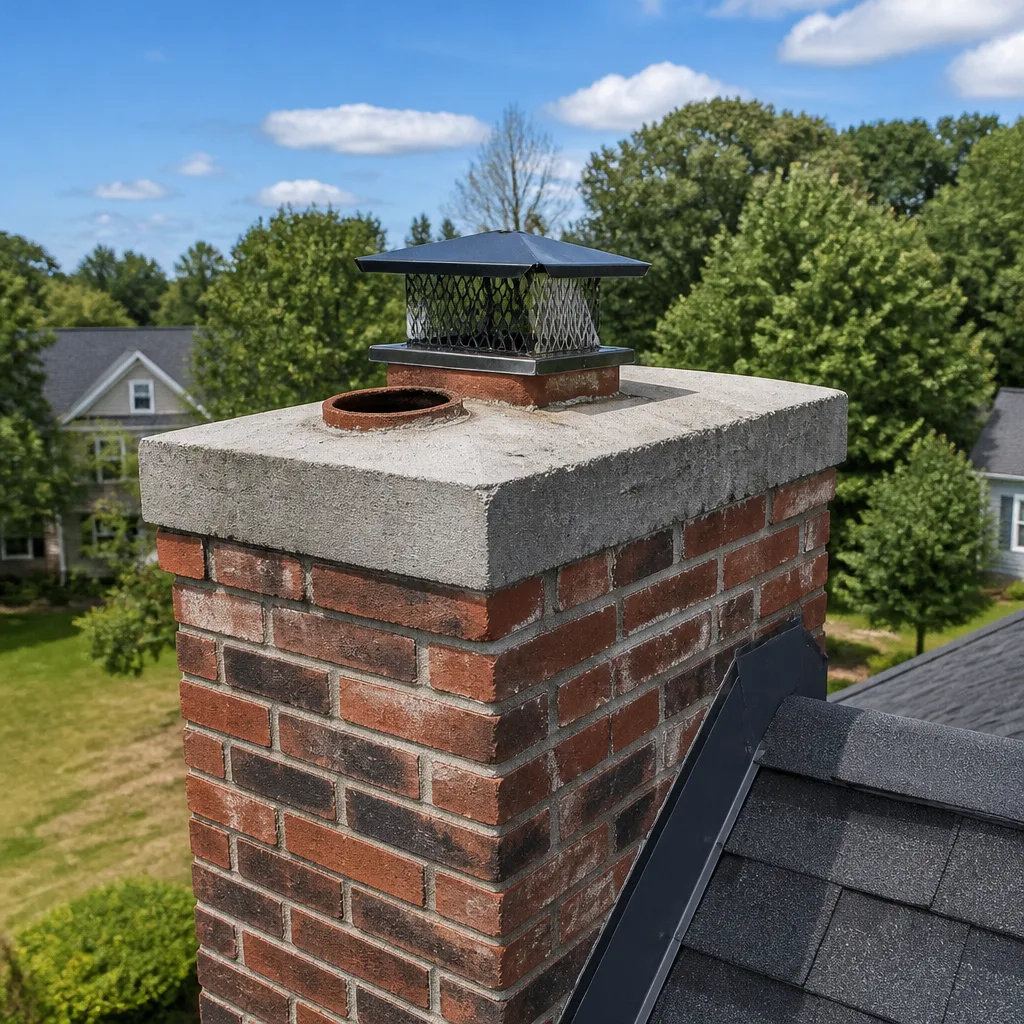 Sweep & inspection
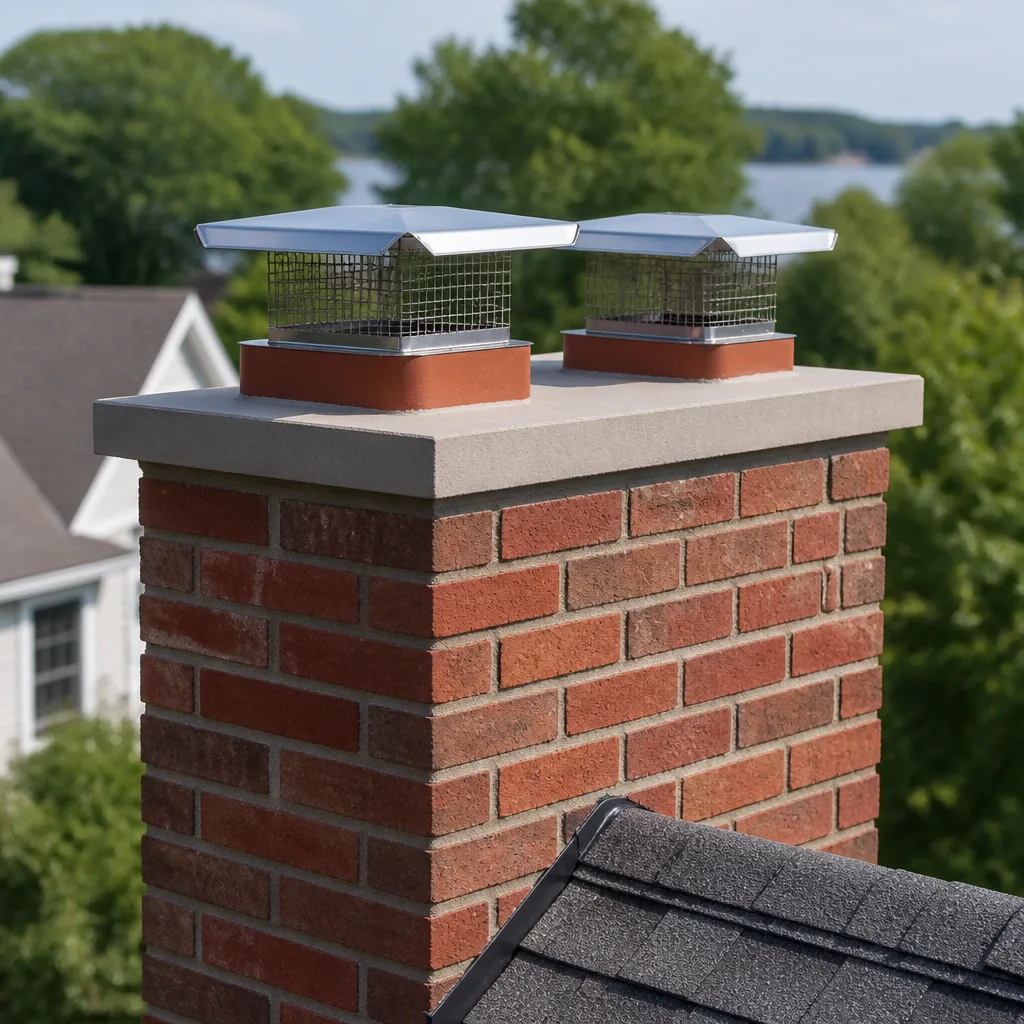 Caps & crowns
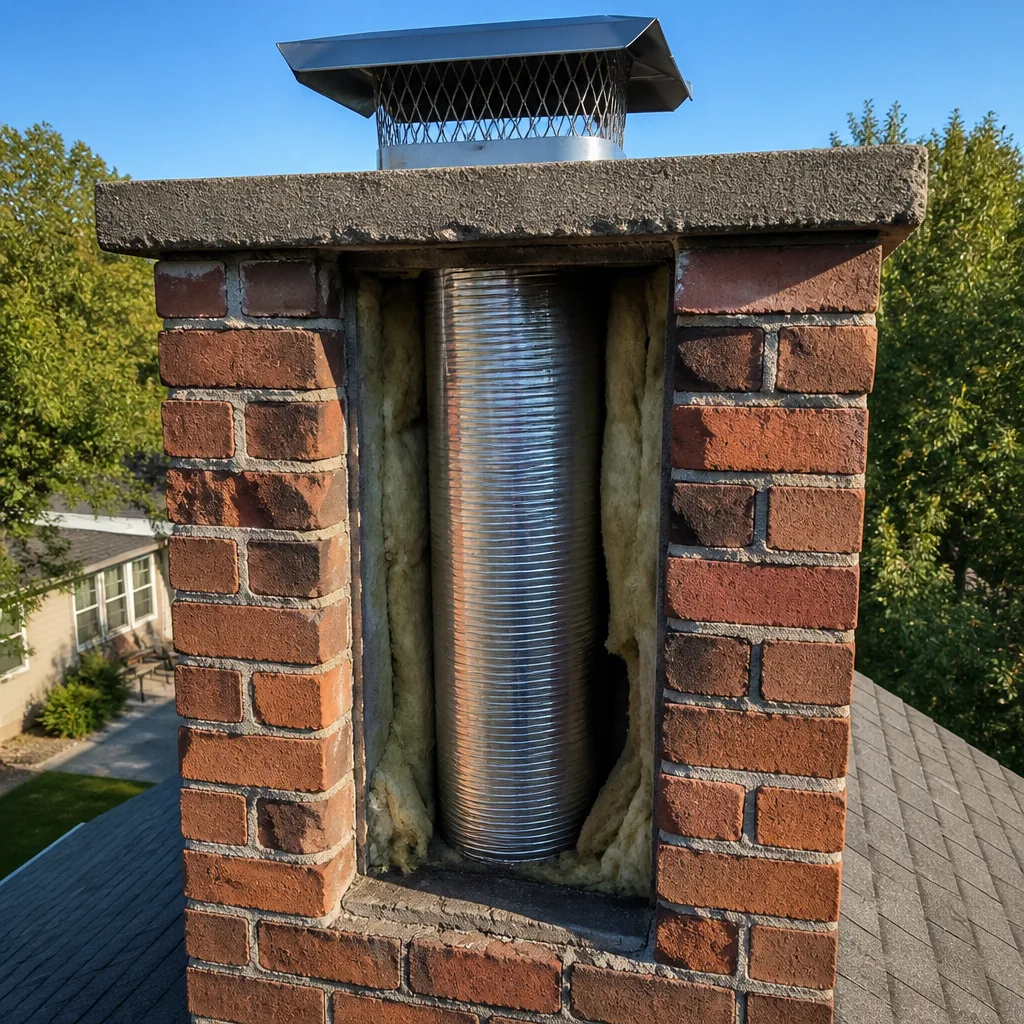 Flue relining
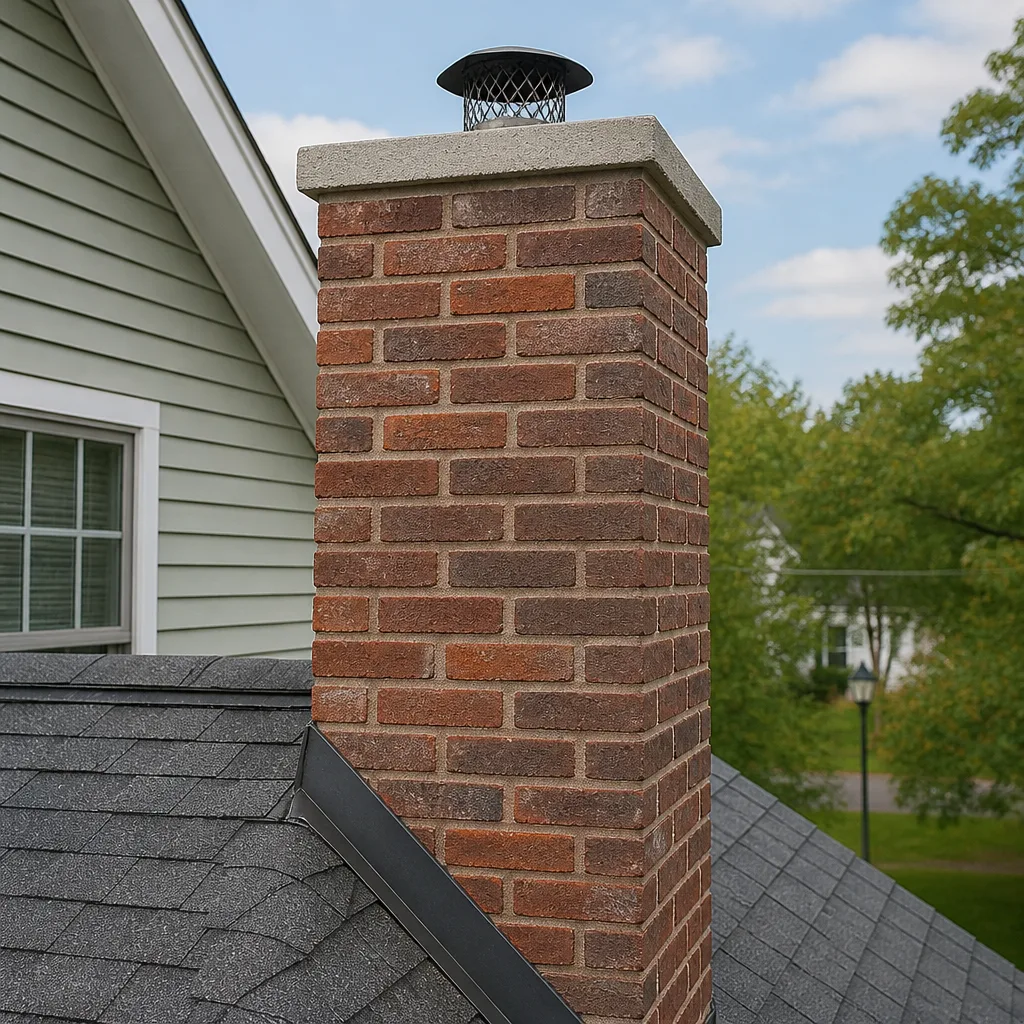 Masonry repair
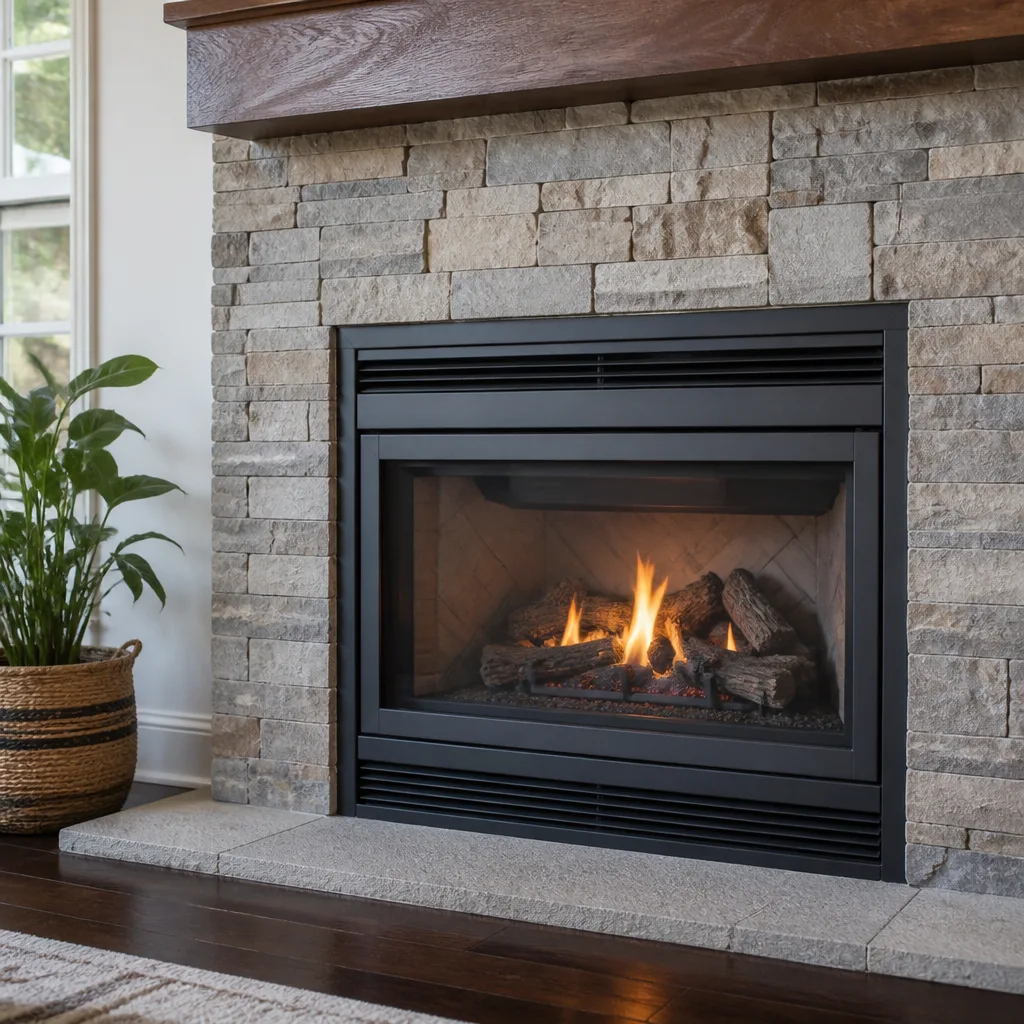 Gas fireplace service
Level 1 sweep and inspection to the NFPA 211 annual standard - flue, crown, cap, and flashing checked and photographed
Chimney sweep logs do not sweep chimneys. They loosen some creosote - which then falls where a brush and vacuum still have to collect it.
Chimney Cleaning Warning Signs: A New Bedford Homeowner’s Reference Guide
White staining on your chimney exterior isn’t cosmetic. It’s efflorescence, and it means water has been moving through your masonry long enough to carry dissolved salts to the surface. Most warning-sign guides stop at the symptom: “look for white stains.” That’s not useful. What you actually need to know is what each sign tells you about the failure happening inside the flue and whether the fireplace can be used before someone looks at it. This guide translates the visible and indoor signals New Bedford homeowners report into the specific underlying problems they point to, separates a cleaning issue from a structural one, and gives you a clear line between “schedule service soon” and “do not burn until this is inspected.”
Quick Answer
Chimney cleaning warning signs fall into two groups. Cleaning-stage signs include a creosote smell, soot falling into the firebox, a smoky draft, and a flue that’s overdue for sweeping. Structural-stage signs include efflorescence (white staining), spalling (flaking brick faces), a cracked crown, and black residue outside the firebox. Cleaning signs mean book a sweep before the heating season; structural signs, especially spalling or a failing crown, mean stop using the fireplace until a professional inspects it.
Styles & brands we work with
- Sweep & inspection
- Caps & crowns
- Flue relining
- Masonry repair
- Gas fireplace service
Table of Contents
- What Exterior Warning Signs Tell You About Your Chimney
- Indoor Warning Signs: Draft Reversal, Smoke Odor, and Damper Residue
- Creosote Odor vs. Mold Odor: Why the Difference Matters
- Animal Odors and Sounds in a New Bedford Chimney
- The Severity Framework: Schedule Service vs. Stop Using
- Why New Bedford Chimneys Show These Signs
- Common Mistakes to Avoid
- When to Call a Professional
What Exterior Warning Signs Tell You About Your Chimney
Everything you can see from the ground describes one of three failure modes: water getting in, masonry breaking down, or the cap and crown losing their seal. Read each sign with the mechanism in mind and you’ll know whether you’re looking at a repair or a rebuild risk.
Efflorescence: white, powdery staining
Efflorescence appears as a white, chalky bloom on brick or mortar, often in irregular patches. It’s not paint and it doesn’t brush away permanently. The mechanism is simple: water enters the masonry, dissolves salts inside the brick, and then migrates to the surface and evaporates, leaving the salts behind. What it represents is ongoing water intrusion, and it usually traces back to a failed crown, a missing or damaged cap, or deteriorated mortar joints letting water in at the top. Left alone, the freeze-thaw cycle in New Bedford winters turns that damp masonry into the next sign on this list.
Spalling: flaking and breaking brick faces
Spalling is what happens when efflorescence has gone untreated long enough for water to saturate the brick itself. The face of the brick chips, peels, or breaks off in flakes, sometimes collecting in small piles on a roof or at the base. This is the most serious exterior sign because the brick is losing its outer layer to freeze-thaw pressure, and repairs get more expensive the longer it runs. If you see spalling on any part of a New Bedford chimney, treat it as structural, not cosmetic.
Cracked crown: the source of most water damage
The crown is the concrete or mortar cap at the very top that sheds water away from the masonry below. Small hairline cracks are common and can often be sealed; wide or detached cracks let water straight into the chimney’s interior, which drives both efflorescence and spalling. A crown that’s pulling away from the flue is a “do not burn until inspected” sign, especially if there’s a liner running inside, because water can reach the liner.
Failing cap and missing screen
A chimney cap with a screen does two jobs: keeping rain out and keeping animals out. A cracked cap, a loose cap, or a cap missing its screen is the direct entry point for the animal problems described below. Gelco and Olympia Chimney caps are the kind of product we specify for replacements because the fit matters more than the price point.
Indoor Warning Signs: Draft Reversal, Smoke Odor, and Damper Residue
Indoor signs are easy to dismiss because they don’t look like chimney problems. They are. A fireplace that won’t draft, a house that smells smoky in July, or black marks near the damper all point to something mechanical going on inside the flue.
Draft reversal: why smoke comes into the room
A chimney drafts because warm flue gas is lighter than the outside air and rises. When the flue is cold, blocked, or too short for the house, that pressure reverses and smoke spills into the room instead of going up. Common causes are:
- Creosote or debris narrowing the flue, which restricts the air the fire needs.
- A flue that’s cold-soaked in shoulder seasons, so the fire never gets a warm column started.
- A blockage near the top, such as a bird nest or a collapsed liner section.
- Exhaust fans or a tightly sealed house pulling the smoke back inside.
If smoke spills every time you light a fire, don’t keep trying. A draft problem that recurs is a sign the flue needs to be looked at, not worked around.
Smoke odor in summer: a mechanical explanation
That smoky smell in July isn’t your imagination and it isn’t a burning fire. In warm weather, the pressure relationship reverses and the house draws air down through the flue. Any creosote coating or soot deposit inside becomes a smell carried into the living space. The heavier the creosote layer, the stronger the odor, which is why a summer smoke smell is often a reliable proxy for how overdue a sweep is.
Black residue around the damper
Soot around the damper, on the firebox face, or on the fireplace surround usually means smoke has been escaping the firebox rather than going up the flue. That can point to a draft problem, a partly closed damper, or a damaged damper that no longer seals. Black residue that appears after a normal-burning season is a sign to check the damper and the flue, not to scrub the firebox and move on.
Creosote Odor vs. Mold Odor: Why the Difference Matters
This is the distinction most homeowners get wrong, and it changes who you call first. Creosote is a chimney problem. Mold is a moisture problem, and if there’s mold in the flue, there’s water getting in, which is also a chimney problem. But the order of the response differs.
How to tell them apart
Creosote smells like a stale campfire or an old barbecue: sharp, smoky, and tarry. It’s strongest in warm weather or on humid days. Mold smells musty and earthy, like a damp basement or wet cardboard. Both can come from the same chimney at the same time, and a flue with a failing crown can produce a musty, smoky mix that’s hard to read from smell alone.
What each odor means for your next step
- Smoky, campfire odor only: book a chimney sweep. This is creosote buildup and the fix is cleaning.
- Musty, earthy odor only: have the chimney inspected for water intrusion at the crown, cap, or flashing. The fix is likely a repair.
- Both odors together: have it inspected first, then swept. Water damage can hide behind creosote, and sweeping a damaged flue doesn’t solve the underlying problem.
- Odor plus visible white staining or spalling on the exterior: treat as structural and stop using the fireplace until it’s inspected.
In our experience, a musty smell with no visible water stains inside is one of the most commonly missed warning signs, because the odor fades once the weather dries out. It shouldn’t be dismissed. A flue that smells musty in spring has been taking on water somewhere, and the crown and cap are the first places a technician will look.
Animal Odors and Sounds in a New Bedford Chimney
Animal activity in a chimney is more than a nuisance. The type of animal, and the type of noise or smell, tells you something about what’s blocking the flue and whether the liner has been damaged.
Sounds: scratching, flapping, chirping
Birds tend to produce flapping and chirping from the top of the flue, usually in spring when they nest. Squirrels and raccoons produce heavier scratching and thumping and are more likely to be lower down. A scraping sound that starts and stops with the weather is often a nest that’s moved or collapsed. The important part isn’t identifying the animal. It’s that a nest or an animal in the flue is a blockage, and a blocked flue is a carbon monoxide risk if the fireplace is used.
Odors: what animal smells often mask
- Sharp, ammonia-like smell: often points to urine-soaked nesting material. The liner may be stained, and the flue needs to be cleaned and inspected afterward.
- Decaying smell: usually indicates a dead animal or rotting nest material. This is a cleaning job first, but it’s also a reason to check for a broken cap or missing screen.
- Musty smell combined with scratching: the animal has likely gotten in through a failed cap or a hole in the flashing, so a repair is usually part of the fix.
The pattern we see in New Bedford is that animal problems follow cap failures. Most animal intrusions come down to a damaged or missing cap and screen, and a proper replacement solves the problem and prevents the next one.
The Severity Framework: Schedule Service vs. Stop Using
Not every warning sign is an emergency, and not every warning sign can wait. Use this two-tier framework to decide what to do tonight.
Tier 1: schedule service soon (but the fireplace is usable)
- Creosote odor in warm weather or on humid days.
- A smoky smell with no visible damage.
- Soot falling into the firebox.
- Occasional smoke spill on cold starts.
- A flue that hasn’t been swept in a full heating season.
These signs indicate buildup or a draft problem. Your fireplace can be used while you wait for the appointment, but it’s on the calendar, not postponed.
Tier 2: do not use this fireplace until inspected
- Spalling brick or flaking masonry on the exterior.
- A crown that’s cracked wide or pulling away from the flue.
- White staining that keeps coming back after cleaning.
- Smoke spilling into the room every time you light a fire.
- Any animal nest in the flue that hasn’t been cleared.
- A liner that shows visible cracks or gaps when inspected.
These signs point to a possible pathway between the firebox and the living space, which is how smoke and carbon monoxide get in. Stop using the fireplace, keep the damper closed, and book an inspection. A camera inspection shows you what’s going on inside the flue, and nothing gets recommended that you can’t see for yourself.
Why New Bedford Chimneys Show These Signs
New Bedford’s weather does two things to a chimney that warmer or drier climates don’t. It keeps masonry damp through the winter, and it freezes and thaws repeatedly, which is the exact cycle that drives efflorescence into spalling. A brick that stays wet in a freeze-thaw climate breaks down faster than the same brick in a dry one, which is why a crown crack that shows up in fall gets worse by spring. Houses near the older parts of the city, where masonry chimneys are common, tend to show these signs inside a few seasons if the crown and cap aren’t maintained. Wood-burning appliances are also common here, and a wood-burning fireplace produces more creosote than a gas one, which makes an annual sweep more important, not less.
If you heat with wood through the winter, the sweep should be booked before the first cold snap, not after. A flue that was fine last spring has had a full burning season on the creosote layer since, and buildup gets harder to remove the longer it sits.
Common Mistakes to Avoid
- Painting over efflorescence. Paint traps moisture in the brick and accelerates spalling. The white stain is a symptom, and covering it doesn’t fix the water getting in.
- Burning a fire to “clear out” a smoky smell in summer. A summer smell is a sign the flue is drawing air down. Lighting a fire in warm weather can push smoke into the room instead of up.
- Assuming a musty smell is just an old house. In a New Bedford home, a musty chimney smell in spring usually means water is getting in somewhere, and the crown is the most common place.
- Using a chimney after an animal nest falls. A nest that drops down the flue can block it or rest against a liner in a hot spot. Clear it and get it inspected before burning.
- Skipping the sweep because “the fire burns fine.” A wood fire will burn with a few inches of creosote in the flue. It burns fine right up until it doesn’t.
- Calling a general handyman for a structural sign. Spalling, a cracked crown, or a failing liner needs a chimney specialist. A generalist may not have the camera equipment or the material access to fix it properly.
- Replacing a liner when a HeatShield repair would do. Ceramic resurfacing can often correct liner damage that looks like a replacement job, and the right call is made on camera evidence, not on a guess.
When to Call a Professional
Call a professional when you see any Tier 2 sign, when a smoky smell doesn’t clear after the damper is fully open, or when an animal has been in the flue. Call when the white staining returns after a cleaning, when a brick face has chipped off, or when you haven’t had the chimney inspected in a full heating season. And call before the next burning season, not during it. If you want to know whether you’re looking at a cleaning issue or a structural one, Chimney Sweep New Bedford offers free estimates in New Bedford. Call (877) 845-1880. We answer 24/7. Fast dispatch from 7am to 7pm, Sunday through Friday.
For a scheduled sweep or a more thorough chimney sweep in New Bedford, we’ll show you the camera findings before recommending any work. If you’re deciding between a cleaning and a structural repair, a chimney repair assessment comes first, and we’ll tell you plainly when work can safely wait.
Frequently Asked Questions
A chimney should be swept once per heating season if you burn wood regularly, and inspected at least once a year. New Bedford’s damp, freeze-thaw climate makes the annual inspection matter as much as the sweep, because it catches crown and cap problems before they reach the brick. If you burn several cords a year, or you see creosote odor in spring, book the sweep sooner rather than later. Call (877) 845-1880 for a free estimate if you’re unsure where your chimney stands.
White staining is efflorescence, and it means water has been moving through the masonry long enough to carry dissolved salts to the surface. It usually points to a failed crown, a damaged cap, or deteriorated mortar. It’s not cosmetic, and it’s the first stage of spalling. A technician needs to find where the water is getting in, not just clean the surface. Call (877) 845-1880 if you’re seeing it.
Creosote smells like a stale campfire and gets stronger in warm or humid weather, while mold smells musty and earthy like a damp basement. A smoky smell alone points to a sweep, a musty smell alone points to water intrusion and a repair, and both together mean an inspection comes first. Camera inspection is the only way to confirm, and it takes the guesswork out of the decision. Call (877) 845-1880 to book one.
No. A crown that’s cracked wide or pulling away from the flue can let water reach the liner, and it may already have. Stop using the fireplace and keep the damper closed until it’s inspected. This is a repair decision, not a cleaning decision, and a professional should make it with the flue on camera. Call (877) 845-1880 for a free estimate.
A smoky smell in summer happens because warm weather reverses the normal draft and pulls air down through the flue, carrying creosote and soot odors into the house. It’s a sign the flue has a coating of buildup, and the stronger it is, the more overdue the sweep. It also means the sweep should be booked for the shoulder season before burning starts again. Call (877) 845-1880 to schedule it.
Not always. Liner damage that looks like a replacement job can sometimes be corrected with HeatShield ceramic resurfacing, which is often a fraction of the cost of a full rebuild. A full relining with a DuraFlex system is the right call when the liner is beyond repair. The decision should sit on camera evidence you’ve seen, not a guess. Call (877) 845-1880 for an inspection and a straight answer.
The Bottom Line
Most chimney warning signs fall into one of two buckets: cleaning problems and structural problems. Cleaning signs, like a creosote odor, soot in the firebox, or a smoky draft, mean book a sweep. Structural signs, like efflorescence, spalling, a cracked crown, or a persistent musty smell, mean stop using the fireplace and get an inspection. Read each sign by what it indicates, not by how cosmetic it looks. If you’re not sure which bucket you’re in, the answer is an inspection, and the camera gives you the evidence to decide. Our technicians have up to 10 years of experience with this exact set of problems.
We work with professional-grade materials, including DuraFlex and HeatShield, because the right liner and the right repair method are what make a flue safe for the long run. From sweep to repair to inspection, one call covers the full flue.
Call (877) 845-1880 for a free estimate. We answer 24/7. Fast dispatch from 7am to 7pm, Sunday through Friday. Serving homeowners across New Bedford, with the whole team ready to help.
Written by the team at Chimney Sweep New Bedford.
For more detail, see Chimney Sweep New Bedford and our chimney sweep page, or read about chimney repair if a structural sign has shown up.
See the difference
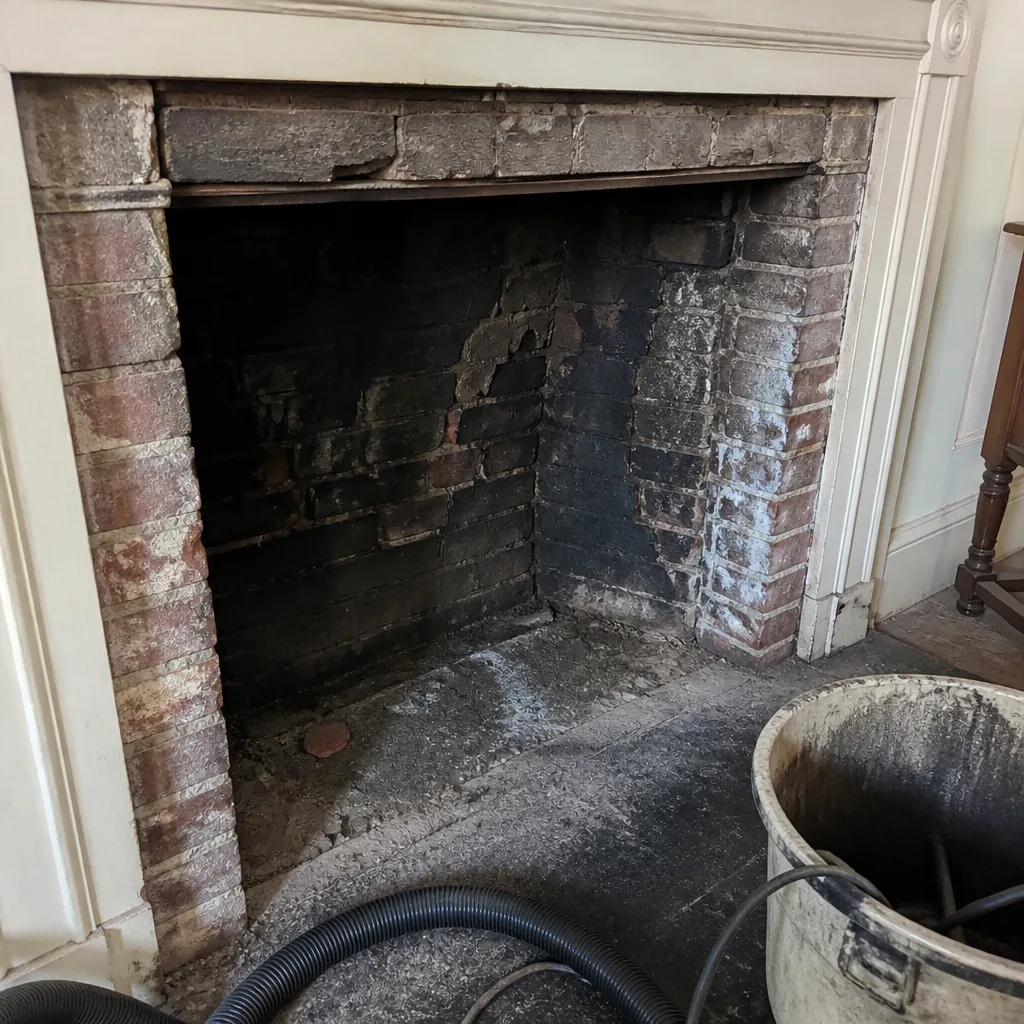 Before
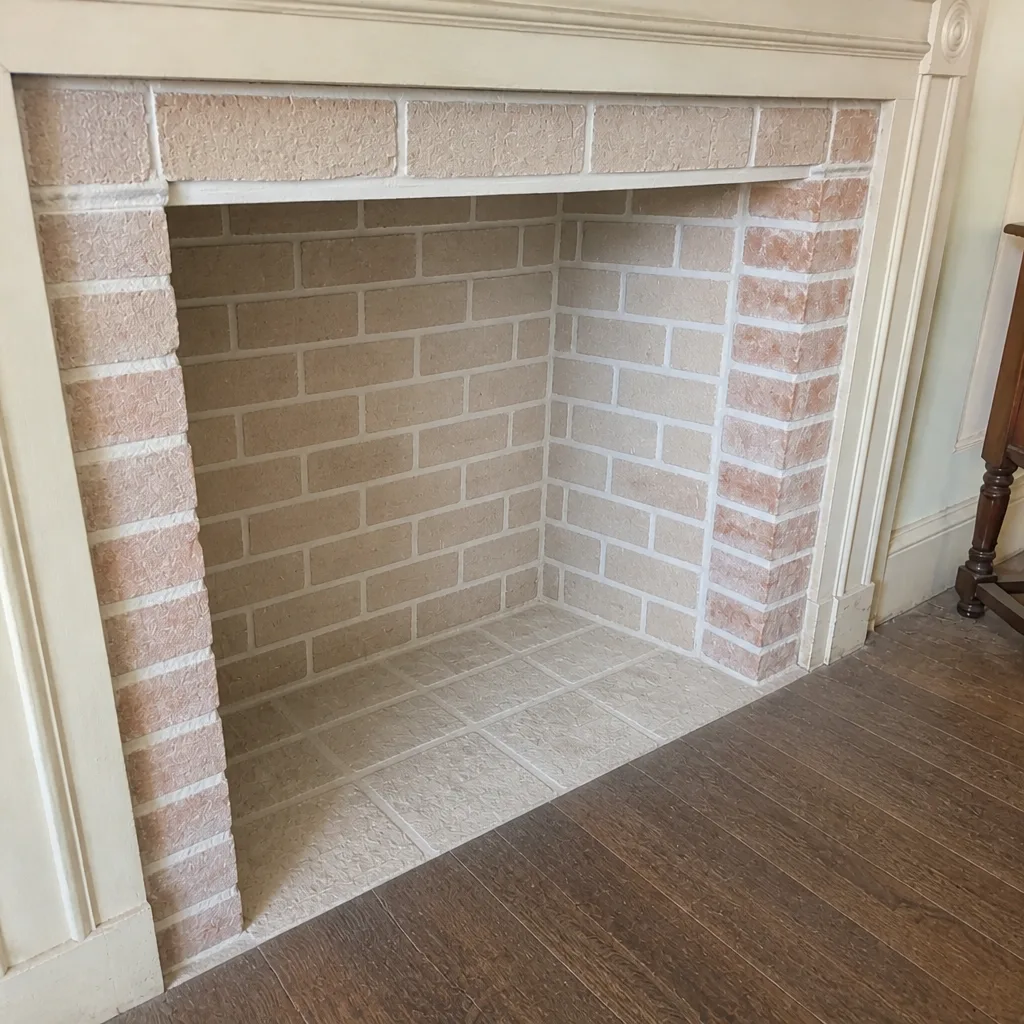 After
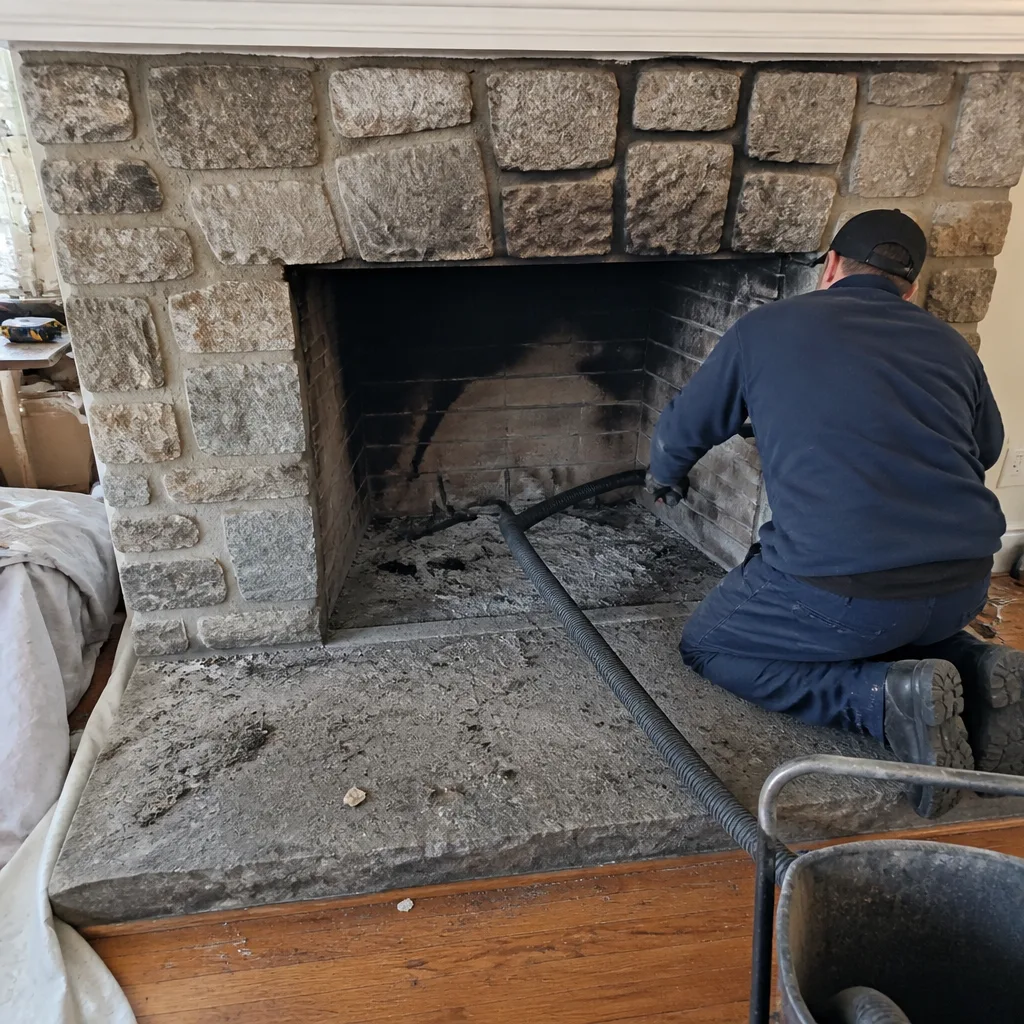 Before
 After
 Before
 After